





M6 takes advantage of the benefits of Evertz IP technology for its new playout center
El broadcaster francés emplea equipos Evertz de última generación para transformar su sala de control maestro, ganando más espacio para la futura expansión del canal y facilitando la adopción de nuevos formatos.
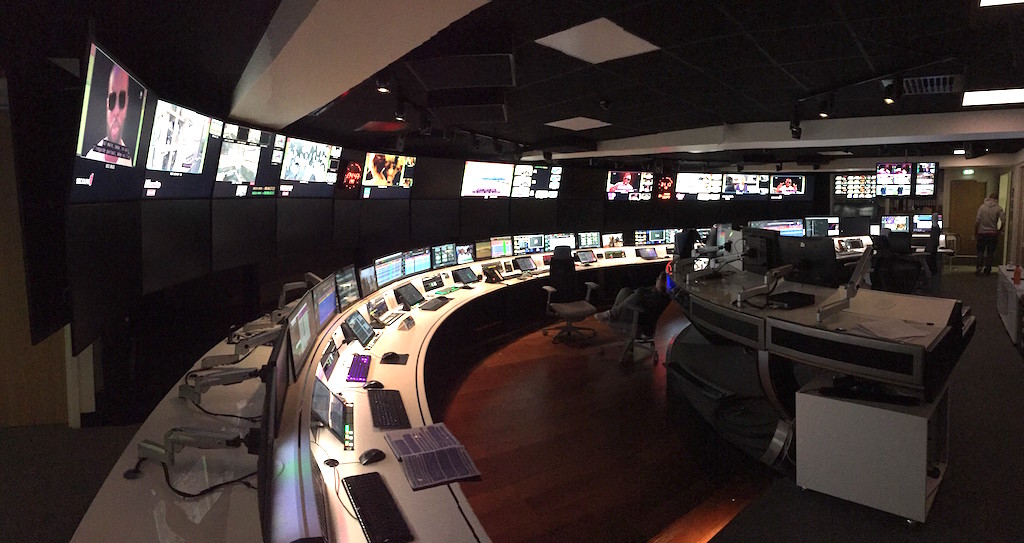
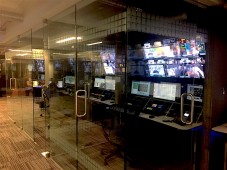
Metropole Television (M6 Group) ha preparado para el futuro su nueva sala de playout principal cerca de París poniendo la tecnología IP de Evertz de última generación en el centro de su operación. El paso de SDI a IP (ST 2110) permitirá a M6 incorporar fácilmente nuevos servicios HD, nuevas plataformas de entrega y nuevos formatos de vídeo como Ultra HD 4K y 8K.
Con sede en Neuilly sur Seine, la nueva sala de control maestro de M6 ahora alberga la emisión de 11 canales, incluyendo el canal premium de M6 y otros canales populares como W9, Série Club, 6TER, TEVA, Paris Premiere, M6 Music y M6 International.
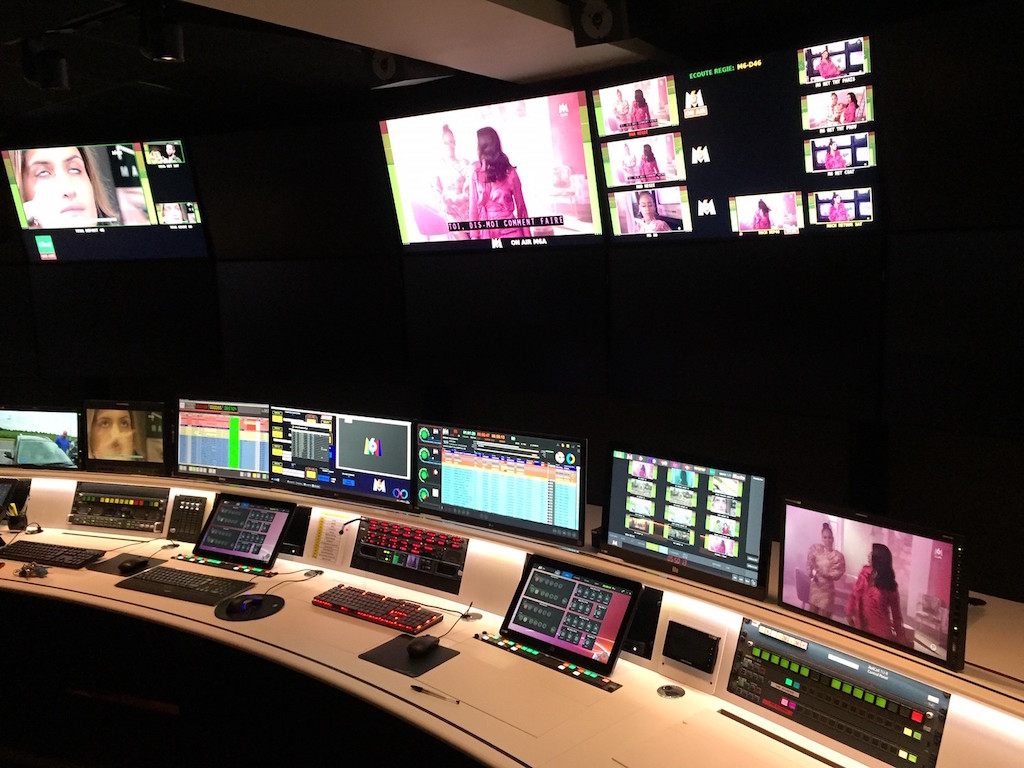
Franck Martin, director técnico de M6, afirma que “la inversión en la tecnología IP ha hecho que sea mucho más rápido y fácil para nosotros añadir más canales y ofrecer canales UHD en el futuro”. También hemos mejorado la monitorización y la ergonomía de nuestro centro de emisión instalando el software Evertz VUE, que nos permite gestionar nuestro muro de vídeo para encender las pantallas cuando se activan las alarmas”.
“La pantalla negra es menos cansada para nuestros técnicos y su encendido en alarma atrae más atención, en comparación con una pared permanentemente iluminada. Además, el VUE muestra las fuentes de vídeo y permite encender directamente en una pantalla táctil para facilitar la operación”, añade.
El nuevo MCR de M6 cuenta con conmutación IP EXE-VSR de Evertz, que proporciona una capacidad de conmutación de 46Tb/s y ofrece una flexibilidad y escalabilidad excepcionales para el transporte de vídeo sobre IP. Utilizando SMPTE ST-2110, EXE soporta hasta 13.800 señales HD-SDI sin comprimir, y muchas más cuando se utiliza tecnología de compresión como JPEG-2000, H.264, o MPEG-2.
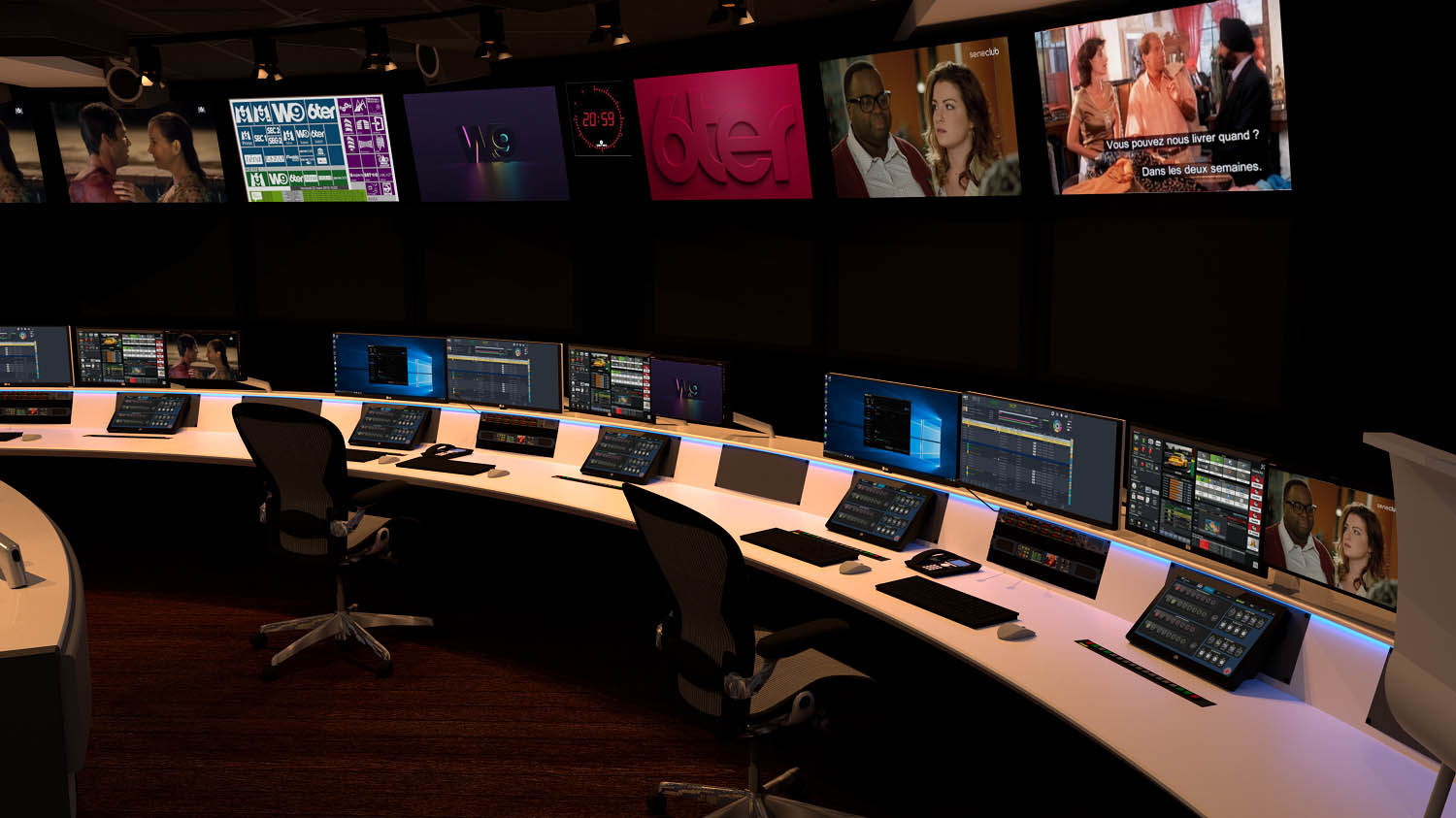
Una sección por canal
El sistema instalado comprende 11 secciones una para cada ruta de canal y todas con conjuntos de equipos similares. Cada sección tiene en común un avanzado procesador de visualización de imágenes múltiples con tecnología de procesamiento de imágenes personalizable de próxima generación Evertz; un evBLADE Evertz que ofrece nodos de procesamiento FPGA de alta densidad para audio, vídeo y procesamiento de datos auxiliares; una pasarela de media IP Evertz de alta densidad que ofrece conversión entre SDI y todos los formatos IP comunes; un switch avanzado Evertz para proteger la integridad del vídeo de salida, incluso cuando se enfrenta a un error catastrófico y un convertidor ST 2110 a HDMI. Cada sección también incluye equipos de terceros (controlados por NMOS IS-04/05) como servidores de media de Harmonic, motores de gráficos Ross Video, un sistema de audioprocesador Aeromax y un insertador SCTE104
Cada sección está construida alrededor de un sistema central Evertz que incluye las matrices IP principales y redundantes EXE-VSR, dos controladores Evertz Magnum, of the servidores VistaLink Pro para la gestión de la red de extremo a extremo y el Grand Master Clock de la red Evertz 5700MSC-IP y el Reloj Maestro de Video. Todo el sistema está conectado a ocho interfaces definidas por el software VUE.
Fabrice Tauzies, ingeniero jefe del centro de playout, destaca que “construimos el nuevo MCR en el mismo lugar que el antiguo, por lo que nos enfrentamos a algunos problemas prácticos relacionados con el espacio. Obviamente, no podíamos apagar y quitar el viejo MCR porque todavía estaba manejando el playout de todos nuestros canales, así que tuvimos que trabajar alrededor de él. Fue un reto, pero nos tomamos nuestro tiempo porque queríamos hacerlo bien y no teníamos prisa”.
M6 migró al nuevo sistema canal por canal, liberando espacio en el rack para el siguiente canal a medida que avanzaba.
“Con nuestro antiguo sistema, cada canal requería dos bastidores, pero el nuevo equipo es mucho más compacto, y ahora sólo necesitamos un bastidor por canal”, asegura Tauzies. “Esto significa que tenemos mucho espacio para expandirnos cuando M6 decida añadir más canales en el futuro”.
Robert Peter, vicepresidente de operaciones internacionales de Evertz, subraya que “como ésta era una de las mayores instalaciones de IP / ST 2110 en Europa, pudimos trabajar estrechamente con M6 en todas las etapas del proyecto, desde la solución y el diseño hasta el despliegue y la formación. Estamos muy entusiasmados de continuar proporcionando apoyo local para el despliegue de los canales restantes y la participación en cualquier proyecto futuro de M6”.
Tener una solución que pueda ser utilizada para futuros proyectos siempre fue el plan de M6, y ahora se habla de construir una segunda instalación de playout IP de respaldo, aunque esto todavía está lejos en el futuro.
Did you like this article?
Subscribe to our NEWSLETTER and you won't miss anything.
Related articles
 Comcast leverages Qwilt's Edge Compute technology to improve streaming
 The University of Greenwich installs Alfalite technology in its new research center on audiovisual content
 Stream7 leverages Dejero technology to transform its business model
 Evertz comercializará un servicio SaaS basado en la nube para streaming y playout
 The Evertz Mediator playout arrives at the technology center of the Russian channel Channel One
 Globo inaugurates a new fully IP broadcast center based on Grass Valley technology
 EiTB renews its ingest and playout for studios with Harmonic technology
 The Mexican Televisa implements SAM's CiaB technology for its new automated playout
 SES integrates Amberfin's iCR platform into its Munich playout center
 Sony equips the new France Télévisions playout center with ATEME
 UTH Russia basa su nuevo playout multicanal en la tecnología de Vector 3
 Skaï TV despliega su nuevo centro de playout con VSN y Ariston BTS
 Crystal Vision technology at BBC's new W1 center
 Nuevo centro de continuidad de ITV con tecnología Technicolor