





'Arctic Vets', the new CBC documentary series, filmed with the Ursa Mini Pro 12K model
The production was carried out by the independent studio Entertainment One (eOne), with Andre Dupuis and Scott Wilson (Echo Bay Media) as director of photography and sound engineer, respectively.
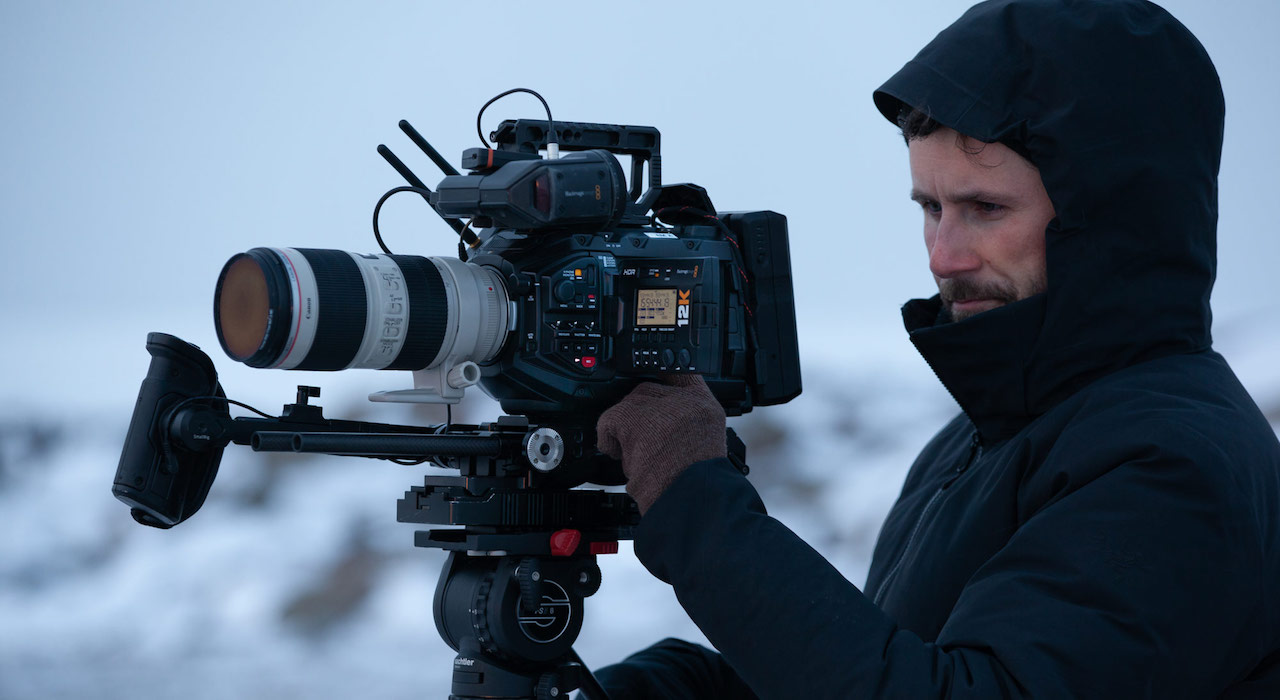
Arctic Vets, the new original series of the CBC, was filmed with a digital film camera Ursa Mini Pro 12K of Blackmagic Design in format Blackmagic RAW. Additionally, DaVinci Resolve Studio software was used for grading, along with Pocket Cinema Camera 4K, Pocket Cinema Camera 6K and Ursa Mini Pro 4.6K G2 to capture extraordinary images of wildlife, including polar bears, wolves and arctic foxes.
The 10-episode series currently airs on Fridays at 8:30 p.m. (local time) on the CBC channels, Canada's public broadcaster, and offers an intimate look at the wildlife that lives in the northern region of the country and the veterinarians of the Assiniboine Park Conservancy, who work tirelessly to keep the animals safe.
The production was carried out by the independent studio Entertainment One (eOne), while Andre Dupuis y Scott Wilson (Echo Bay Media) served as director of photography and sound engineer, respectively.
Dupuis acknowledges that "we wanted to film the widest variety of environments possible, so we divided the production team into two groups. The first traveled with an Ursa Mini Pro 12K and a Pocket Cinema Camera 6K to remote locations, along with several veterinarians, in order to capture images of the polar bear migration. For its part, the second group remained on the Assiniboine Park Conservancy grounds with two Ursa Mini Pro 4.6K G2 units, a Pocket Cinema Camera 6K and two Pocket Cinema Camera 4K”.
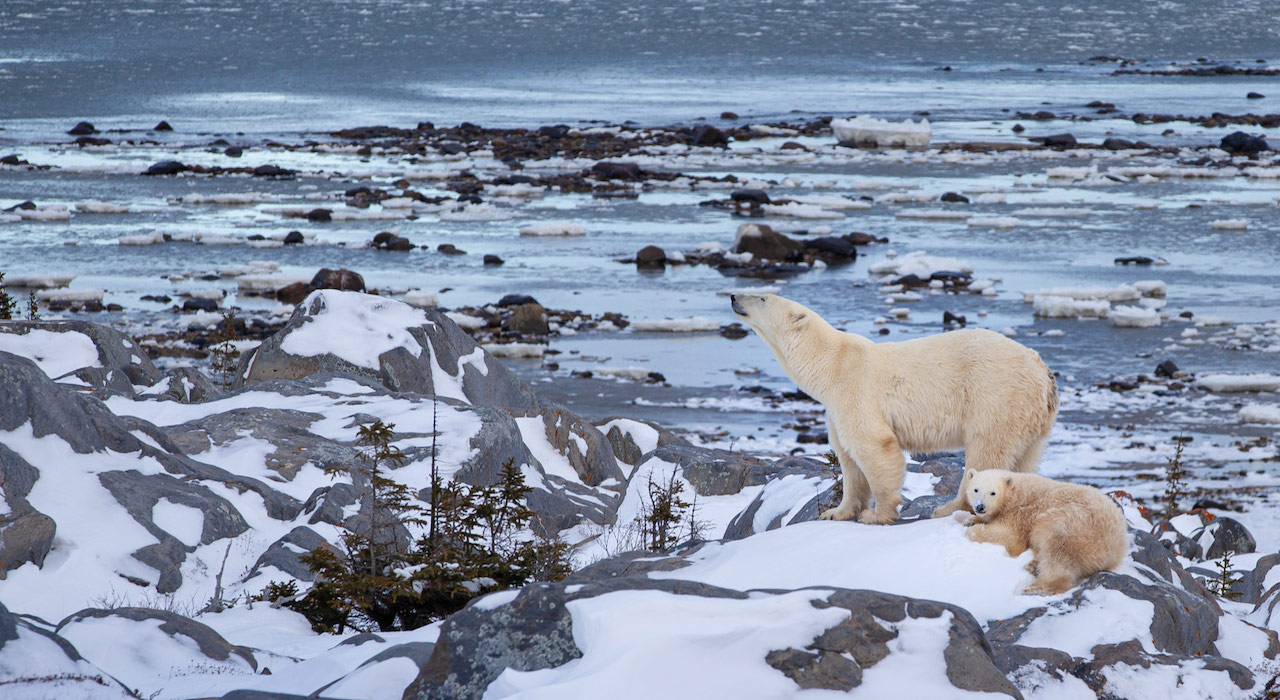
Al viajar a Churchill, una pequeña ciudad en el norte de Manitoba conocida como “la capital mundial de los osos polares”, Dupuis y Wilson sabían que iban a necesitar equipos que les permitieran captar imágenes excepcionales de estos animales manteniendo una distancia prudente.
4K, 6K y 8K con la misma cámara
“Todas las tomas de la naturaleza se filmaron con el modelo Ursa Mini Pro 12K, a fin de obtener imágenes nítidas de gran resolución”, señala Wilson. “Poder grabar en 4K, 6K y 8K con una misma cámara es realmente sorprendente y resulta ideal para cualquier cineasta, ya que le permite adaptarse a las necesidades de la producción”.
“El modelo Ursa Mini Pro 12K nos permitió filmar la fauna con objetivos de largo alcance para estabilizar las tomas y ampliarlas, conservando a su vez un gran nivel de detalles en la posproducción. Dado que la masterización se realizó en 4K, era esencial poder recortar el centro de una imagen sin perder definición. Esto resultó fundamental al grabar a los animales, ya que nos brindó la oportunidad de mantener una distancia prudente, puesto que pueden ser impredecibles, y al mismo tiempo nos ofreció cierto grado de flexibilidad en el encuadre. Asimismo, la resolución de la cámara, el formato Blackmagic RAW de 12 bits y los 14 pasos de rango dinámico nos proporcionaron la latitud necesaria para captar a los osos polares sobre la nieve y bajo un cielo relativamente gris”.
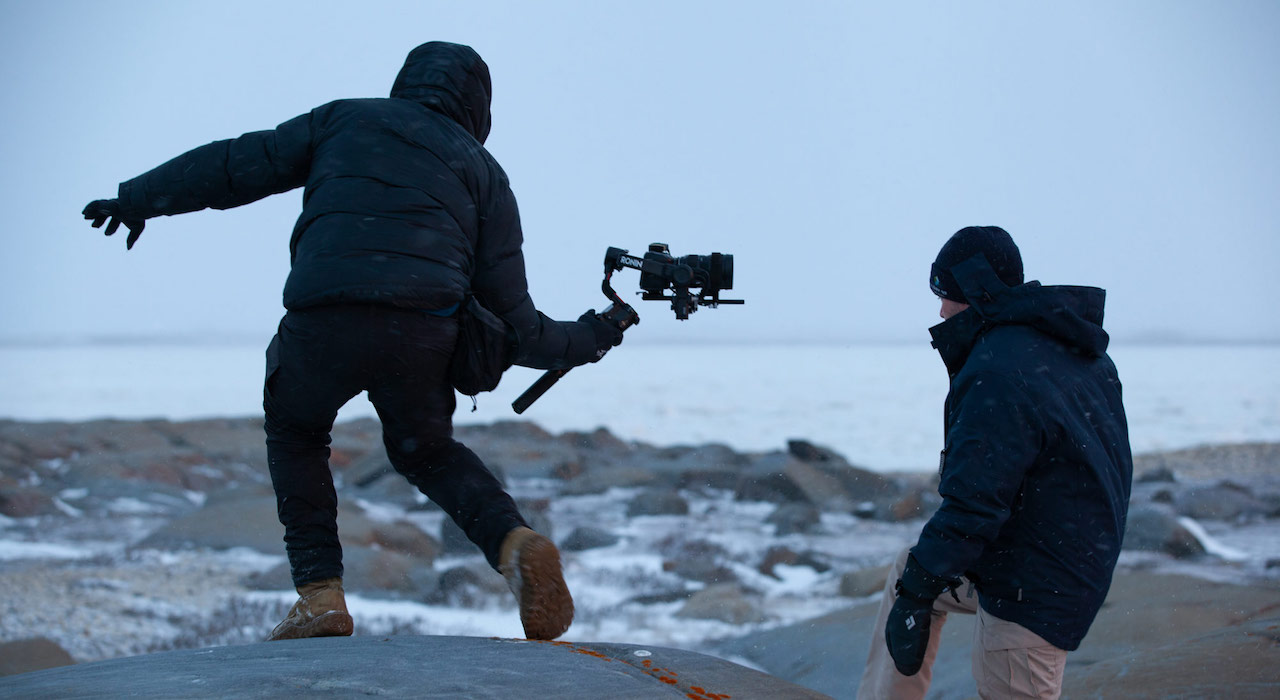
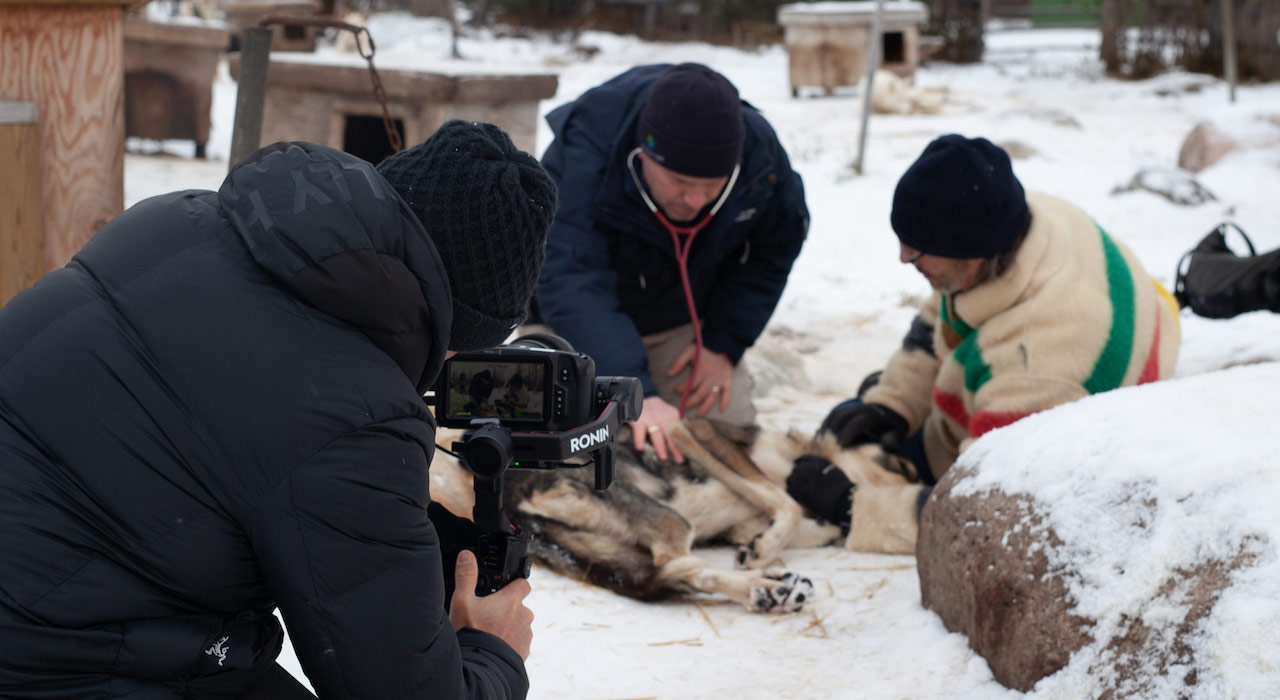 Aunque el equipo generalmente guardó distancia, a veces las misiones de los veterinarios implicaban acercarse a los animales. En una ocasión, hubo que transportar un oso polar a un lugar próximo a la frontera con Nunavut, en el norte de Canadá, para liberarlo en su hábitat natural. Wilson empleó el modelo Pocket Cinema Camera 6K sobre un estabilizador con el propósito de captar primeros planos del traslado del oso en helicóptero.
“En estos casos, hay que proceder con rapidez, especialmente si el animal está bajo los efectos de un tranquilizante”, indica Wilson. “El modelo Pocket Cinema Camera 6K nos permitió hacerlo con seguridad y resultó muy útil para filmar tomas alternativas, gracias a su diseño compacto y facilidad de uso”.
“Teníamos un arsenal de equipos durante el rodaje, y una de las grandes ventajas en los distintos lugares fue el sistema operativo Blackmagic OS. Este permitió que los miembros del equipo alternaran entre las cámaras con facilidad, ya que todas funcionaban de manera similar, pudiéndose adaptar a diversas situaciones en un abrir y cerrar de ojos”, manifiesta Wilson.
Arctic Vets se filmó en formato Blackmagic RAW, que requiere una menor velocidad de transmisión, y gracias a ello, eOne pudo agilizar la transferencia de las imágenes y mantener su calidad sin necesidad de aumentar el espacio de almacenamiento. A su vez, el estudio trabajó con JAXX Creative en Toronto para etalonar la serie.
Según el colorista Dave St. Louis, “al procesar una gran cantidad de material grabado rápidamente y a distancia, necesitas contar con una herramienta que no te falle. En tal sentido, DaVinci Resolve Studio nos permitió simplificar nuestra dinámica de trabajo y gestionar las imágenes RAW sin ningún problema”.
Did you like this article?
Subscribe to our NEWSLETTER and you won't miss anything.
Related articles
 The award-winning documentary series 'Welcome to Wrexham', shot with Blackmagic's URSA Mini Pro 12K
 Disney’s ‘Rise’, filmed with Blackmagic’s URSA Mini Pro 12K
 Blackmagic's URSA Mini Pro 12K supports the visual effects of the HBO series 'The Golden Age'
 ‘The Desperate Hour’, shot with Blackmagic’s URSA Mini Pro 12K
 UpHill Cinema shoots the documentary 'Grant Victor Cares' with Blackmagic Design's URSA Mini Pro 12K
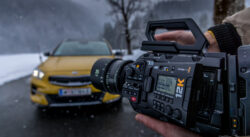 Blackmagic's URSA Mini Pro 12K, star of Kia's new campaign
 'Pirates in the Balearic Islands', the new documentary series from Canal Historia, IB3 and Mapa Films, is already being filmed
 100 Balas begins production on 'Lola', a new original Movistar+ documentary series
 Abeer Abdullah takes advantage of the light and colorimetry of the Ursa Mini in his new film 'Neo-Bedouin'
 HBO's 'Hurricane', shot with an Ursa Mini Pro 4.6K camera
 La 2 premieres 'Wild Hunters', the new 4K documentary series produced by RTVE and Terra Incógnita Docs
 Award-winning director Kosai Sekine uses Ursa Mini 4.6K in the filming of the Japanese documentary 'Torre del Sol'
 Blackmagic Ursa Mini Pro combines the image quality of Ursa Mini 4.6K with the features of a broadcast camera
 New Arctic White version of the ClearView HD-18