





HBO's 'Hurricane', shot with an Ursa Mini Pro 4.6K camera
Colorist Luis Castañeda turned to DaVinci Resolve Studio for a vibrant, natural, textured look.
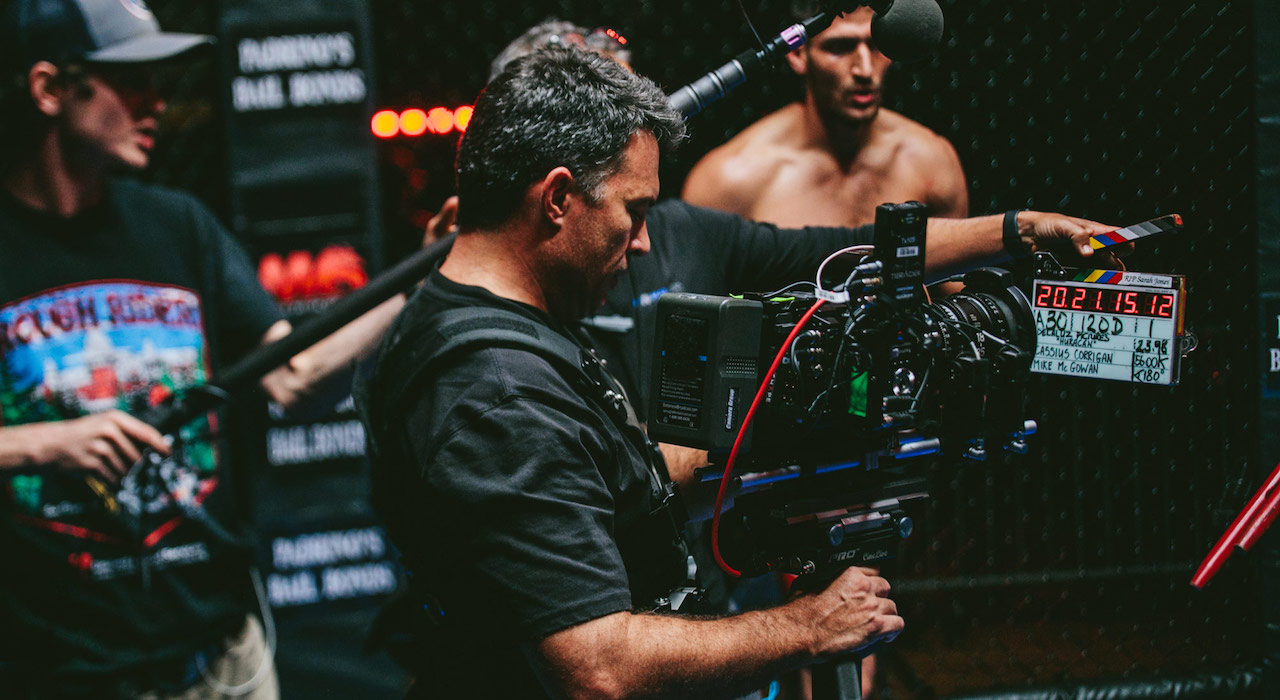
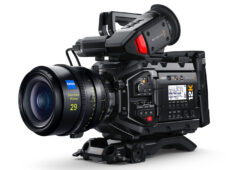
The new psychological drama Hurricane of HBO was filmed with a digital film camera Ursa Mini Pro 4.6K of Blackmagic Design, while grading was carried out in DaVinci Resolve Studio. The film premiered this month on HBO and is also available on HBO Max.
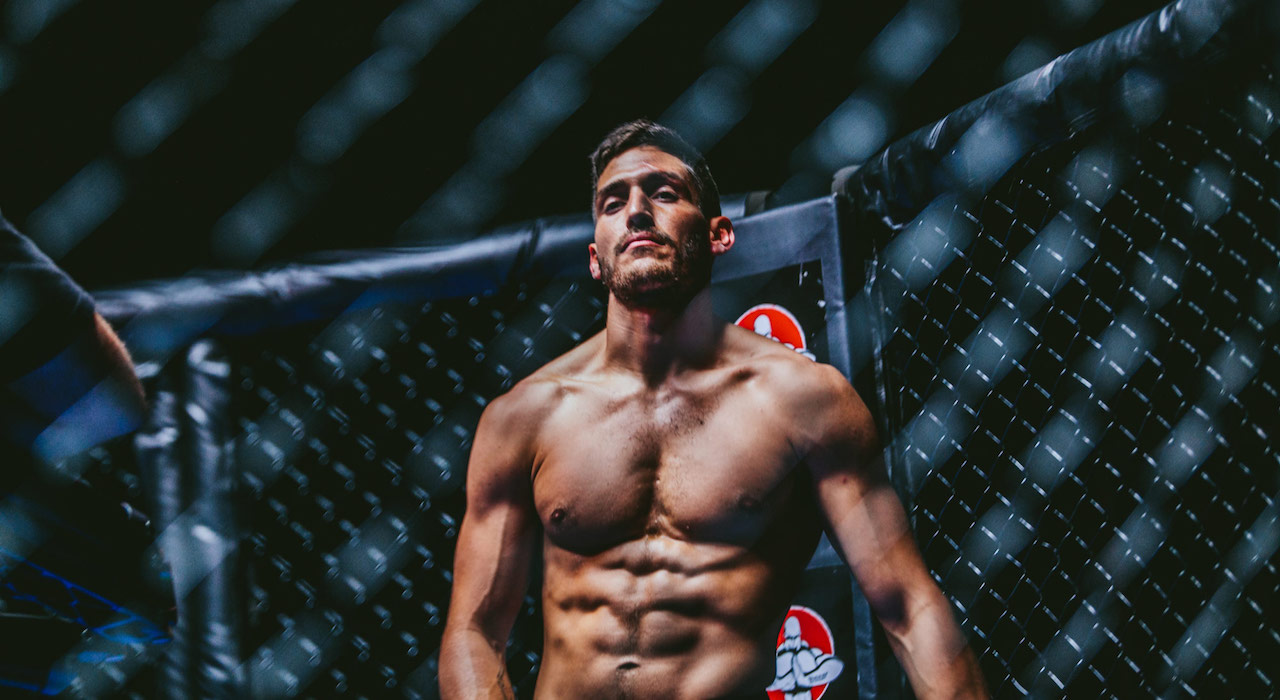
The film tells the story of an aspiring mixed martial arts fighter who suffers from dissociative identity disorder. Was directed by Cassius Corrigan, who also wrote the script and was part of the cast. Produced by Delaluz Pictures, based in Miami, Hurricane immerses the viewer in the nuances and complexities of serious mental illness and includes authentic fight scenes that take place in Miami's magnificently diverse neighborhoods.
The director of photography Mike McGowan used a camera Ursa Mini Pro 4.6K as the main unit to film emotional dialogues, therapeutic sessions, action-packed fights and sensational landscapes in Miami.
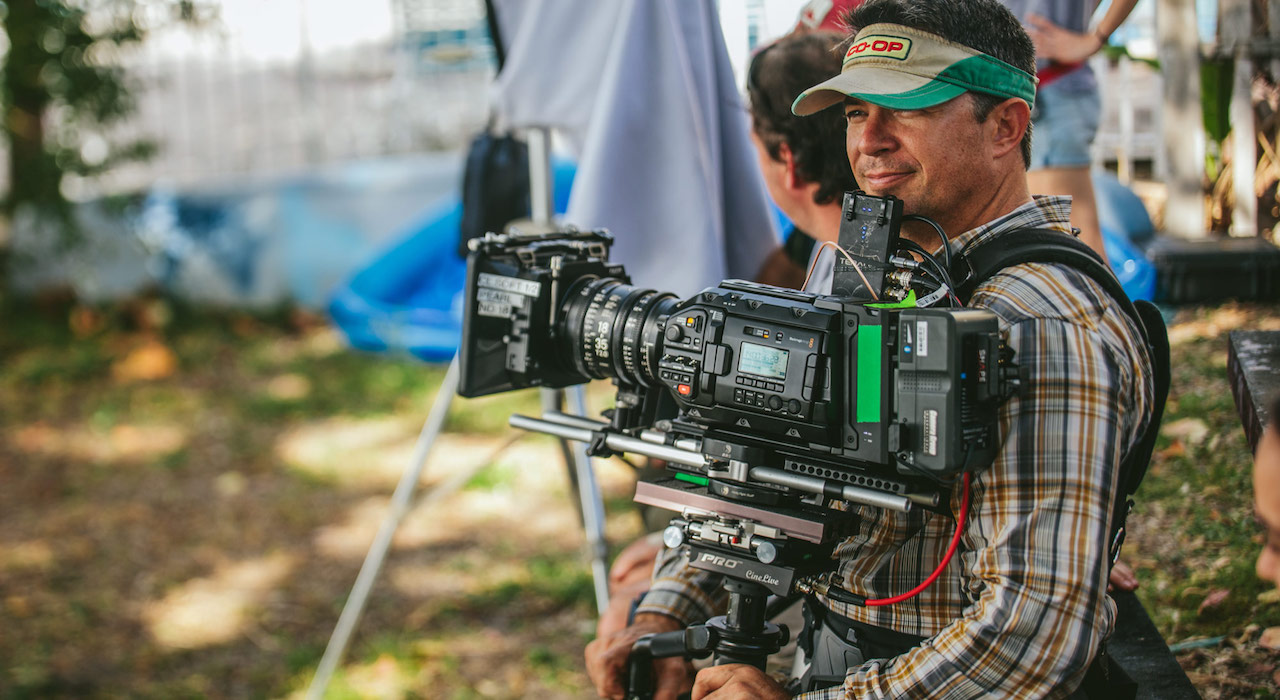
Corrigan explains, "After using the camera on a commercial shoot, I knew it would give me the quality I needed to create a beautiful film. Due to time constraints, we needed a unit that we could use repeatedly during the long testing phase before production. The Ursa Mini Pro 4.6K did not disappoint. Thanks to its intuitive operating system, it allowed us to hit the ground running, and its interchangeable mount gave us great flexibility at all times."
Color treatment
“Combining in-camera colorimetry with DaVinci Resolve Studio gave us the opportunity to achieve the look we wanted for the film,” says Corrigan. “Particularly in the brighter scenes, the warm colors of Miami stand out on the screen, and this gave the aesthetic the dynamism we were looking for.”
When developing the look of the film, the colorist Luis Castaneda resorted to DaVinci Resolve Studio to achieve a vibrant, natural and textured style.
"We were able to implement an intense, nuanced look on a limited budget, thanks to the program's ability to take full advantage of the sensor's colorimetry. Although we always used very little artificial light, the dynamic range of the camera and the Power Windows of DaVinci Resolve Studio allowed us to solve any problems. In addition, its tools gave us the possibility of creating a particular graininess that greatly helped us define the final aesthetic of the film," Corrigan concludes.
Did you like this article?
Subscribe to our NEWSLETTER and you won't miss anything.
Related articles
 The docuseries 'Chimp Crazy' used the Blackmagic Design URSA Mini Pro 12K and Pocket Cinema Camera 6K cameras in its filming
 Blackmagic's URSA Mini Pro 12K leads journeys between universes in 'Do I Know You From Somewhere?'
 The Chilean soap opera 'Al sur del corazón', shot with Blackmagic's URSA Mini Pro 12K
 Global Objects uses the URSA Mini Pro 12K camera for Rob Lowe's virtual productions
 The award-winning documentary series 'Welcome to Wrexham', shot with Blackmagic's URSA Mini Pro 12K
 The VFX of 'Marinette' were recorded with the Blackmagic URSA Mini Pro 12K
 ‘On a Wing and a Prayer’ de Prime Video, rodada con la URSA Mini Pro 12K de Blackmagic
 Disney’s ‘Rise’, filmed with Blackmagic’s URSA Mini Pro 12K
 ‘The Desperate Hour’, shot with Blackmagic’s URSA Mini Pro 12K
 ‘Night Caller’, shot with the URSA Mini Pro 4.6K G2 by Blackmagic Design
 Blackmagic's URSA Mini Pro 12K, star of Kia's new campaign
 Working in 12K resolution is now a reality with the Blackmagic Ursa Mini Pro
 Weezer shoots its latest video clip with Blackmagic's Ursa Mini Pro
 Blackmagic Ursa Mini Pro combines the image quality of Ursa Mini 4.6K with the features of a broadcast camera