





Porter Robinson produces his latest virtual reality concert using Blackmagic cameras
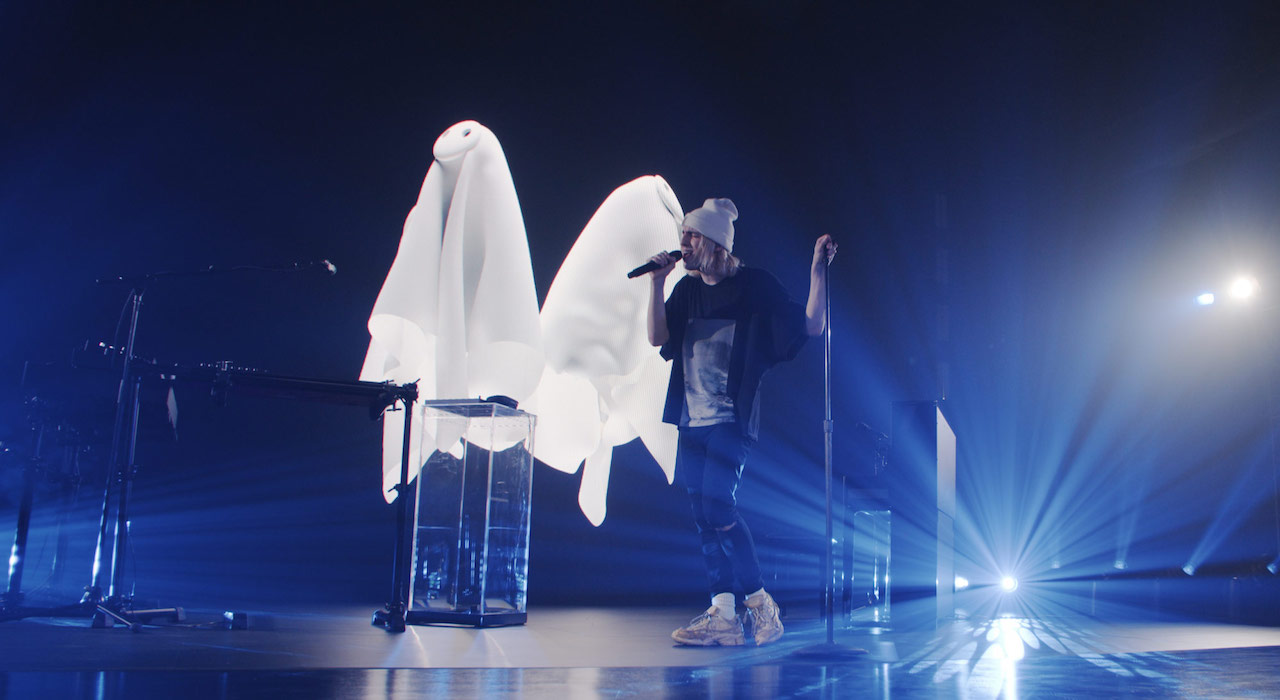
The concert Secret Sky by Porter Robinson was filmed with the Pocket Cinema Camera 6K Pro, Pocket Cinema Camera 6K and URSA Mini Pro 4.6K G2 models. Blackmagic Design.
The more than hour-long performance, which has been seen by millions of people around the world, was an immersive production that could be seen in both 2D and virtual reality format, in which viewers had the opportunity to mingle with avatars of other fans.
Porter Robinson is an American producer, musician and singer whose first studio album was number one on the dance and electronic music charts. In order to promote his latest album, Nurture, the artist performed parts of it at the Secret Sky digital festival, which aimed to raise funds for different charitable organizations.
The director and editor of the project, Mike O’Brien, was tasked with offering viewers a sense of live entertainment combined with a digital cinematic experience that went beyond what can be seen live. The entire stage was made of large LED screens, including the floor, ceiling, sides and back.
O'Brien acknowledges that "our goal was to offer the audience an incredibly immersive experience, while capturing the sensations and emotions of a live performance. Fans had the option to enjoy the show within a virtual reality world created by Porter and his team. This way, viewers with Oculus virtual reality glasses could experience a unique perspective and interact with avatars of others from around the world while watching the concert together. Incredible!"
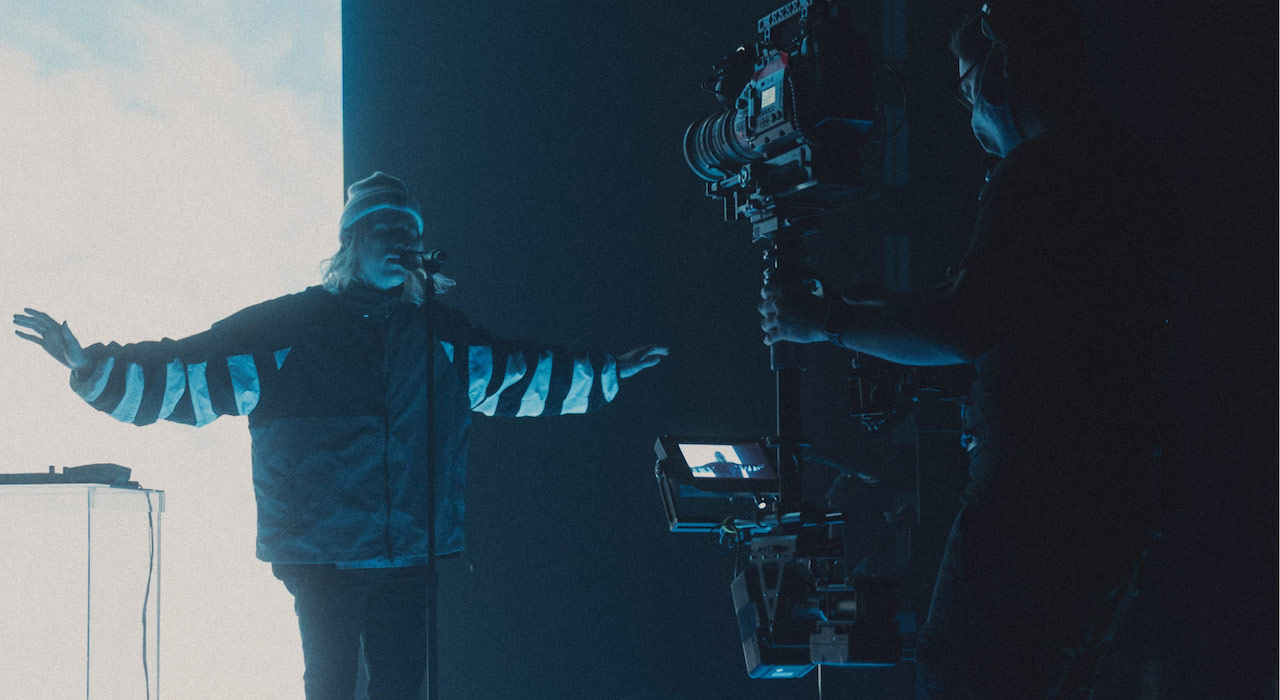
In order to record the show, O'Brien used four Pocket Cinema Camera 6K, a Pocket Cinema Camera 6K Pro and one URSA Mini Pro 4.6K G2 placed on a stabilizer Steadicam, along with the Pocket Cinema Camera 6K and Pocket Cinema Camera 6K Pro models, which were used to move around the stage. The rest of the cameras were located around the stage or on top of a light pole, so that shots could be adjusted from above.
"That's exactly what we wanted to achieve when we planned the angles. By having a variety of vantage points, we were able to create that immersive feeling throughout the performance. It was important to us to capture the perspective of the attendees in the front row, so two of the cameramen, Jay Kaufman and Gabe Rubiano, with 6K versions on their shoulders, achieved that handheld style of recording. So the platform-mounted units gave us the widest shots, while the Steadicam and the Other shooting styles offered more intimate shots,” he adds.
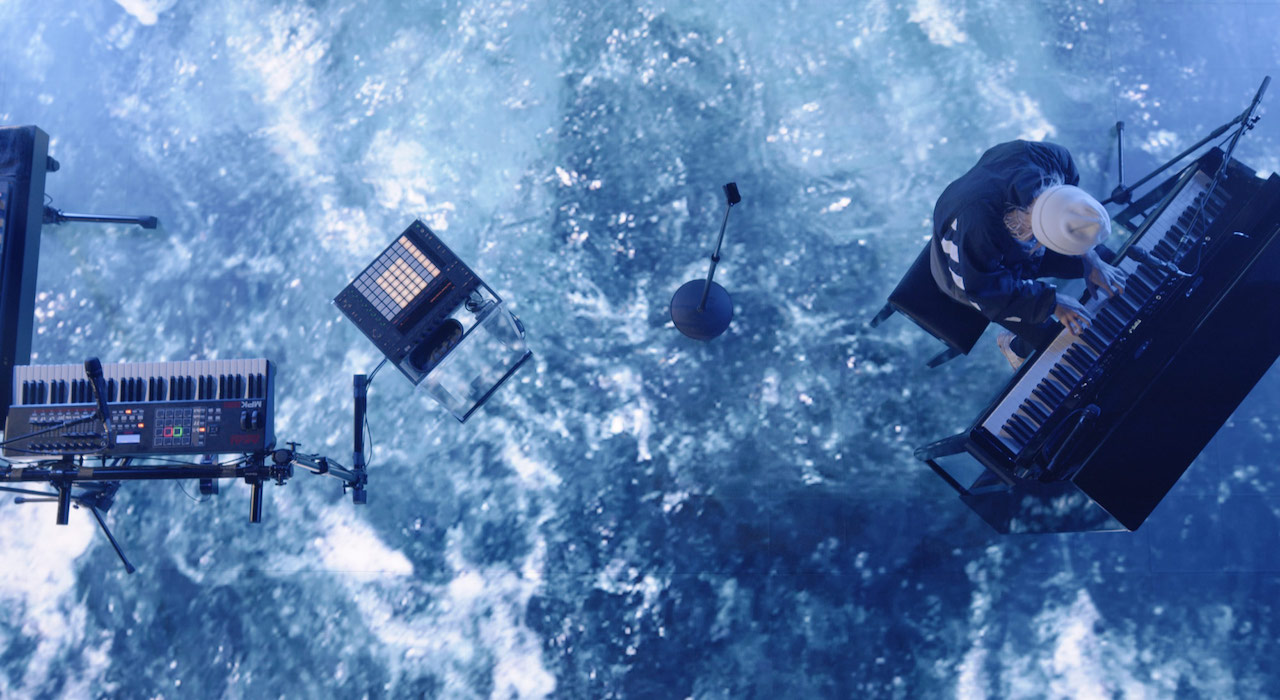
"Since the stage floor was made up of LEDs, we thought it would be great to get a shot of Porter from above. The Pocket 6K model allowed us to keep the rigs light while capturing incredible vantage points. Meanwhile, the head of electrical, Charles Schaefer, did an excellent job mounting the cameras in high positions, and we also used cables that allowed us to stop and continue recording when necessary via a Tilta Nucleus-M push button, which was a lifesaver. Because these cables “They required the same port as an SSD drive, we used a 512 GB card to store the material,” continues O’Brien.
Latitude and colorimetry, allies
The project director was faced with the challenge of capturing the large number of unique graphics and lighting changes that accompanied each song. To get the desired shots, he relied on the cameras' latitude and colorimetry, and used a native ISO value of 800 and the Backmagic RAW format set to 8:1. Plus, because I used DaVinci Resolve Studio for editing and grading, I was sure it would be easy to adjust any clips that didn't look ideal having shot at ISO 800.
"Both camera models performed excellently. I have always loved the latitude and intensity of the colors that Blackmagic devices offer, as well as the luminosity of the fifth generation colorimetry, the compression of the color spectrum and the recovery options for the brightest areas," he says. "Because we couldn't change the ISO as quickly as the graphics appeared on the screen, the ability to tweak the metadata of the RAW images in post-production was key. Certain clips looked too bright due to the ISO value of 800, but we were able to easily recover them in Resolve. I appreciate having that flexibility on projects with dramatic and changing lighting conditions."
Editing and grading
Regarding editing and grading, O'Brien used DaVinci Resolve Studio. Thanks to the program, he was able to process the recorded material stored on a 10 TB RAID disk and make a first version, from which he worked with Porter Robinson in order to carry out the final edits and chromatic corrections.
"It was a team effort, although my job was to combine all the layers of sound and beautiful colors to create a dynamic work of art. This visual piece is just an extension of Porter's ingenuity. Even the graphics were created by him, Ghostdad, Shin and a select group of talented digital artists. Ben Coker, who designed the lighting, did an incredible job bringing dimension to the set. It was extraordinary to witness the energy that flowed from the most intimate songs to the most epic ones. An exceptional experience," concludes O'Brien.
Did you like this article?
Subscribe to our NEWSLETTER and you won't miss anything.
Related articles
 Creamfields festival produces its audiovisual content with Blackmagic cameras and mixers
 18 Blackmagic cameras capture every angle of Kirinji's 25th anniversary concert
 Pyxis 6K: Blackmagic Design's latest step into box-style cinema cameras
 Key News Network captures breaking news with Blackmagic URSA Broadcast G2 cameras
 Ninja Kidz YouTube Channel Produces Latest Hit Using Blackmagic Design Solutions
 Ed Sheeran records a virtual concert with Blackmagic URSA Mini Pro 12K cameras
 Porter Robinson produces his latest concert with VR using Blackmagic cameras
 Invictus Entertainment produces indie comedy using AJA Kumo 1616-12G
 The Darkness produces its last concert with Ursa Broadcast cameras
 Jam Lab streams Jim Peterik's 'Empty Arena' concert with Blackmagic Design cameras and mixers
 Multi Image Group (MIG) Produces Live Virtual Events Using InfinitySet
 Samsung produces 'Talismán', a virtual reality short film directed by Carlos Therón
 Fusion 9 incorporates innovative tools for virtual reality, plane tracking and cameras
 Samsung and Live Nation join forces to broadcast a Coldplay concert live in virtual reality