





From the radio to the screen: Cadena SER's journey in visual radio with 'La vida modern', 'Estirando el chicle'...
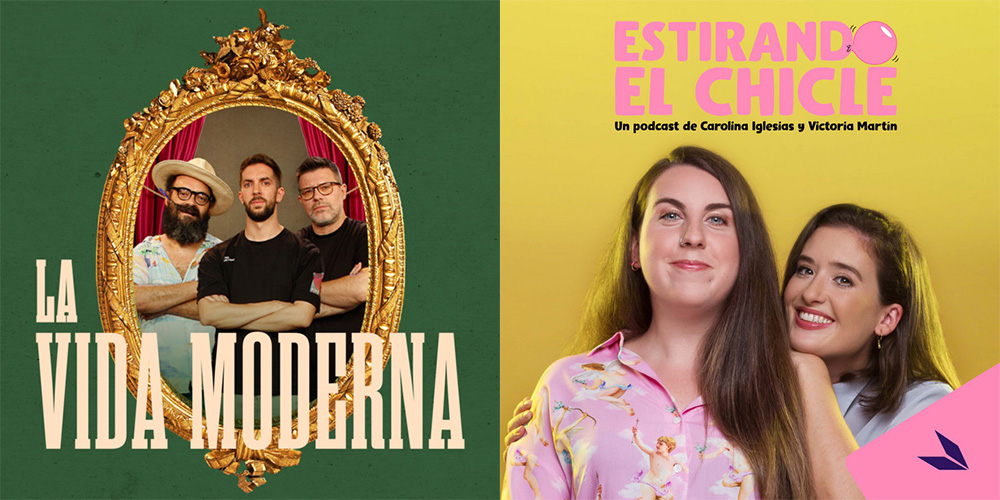
The SER Chain ha marcado un antes y un después en el podcast español dotando de vídeo a sus formatos de humor y creando una modalidad consumo de contenido radiofónico que ha influenciado a decenas de formatos.
Beatriz Polo, técnica audiovisual y coautora de la realización de programas como La vida moderna, Estirando el chicle, Buenismo bien u Hora veintipico, traslada las claves de la evolución de estos y muchos otros podcast.
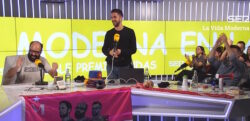
 modern life nació en 2014, definiéndose como un espacio radiofónico de humor en el que los cómicos David Broncano, Héctor de Miguel (Quequé) e Ignatius Farray aportarían su particular visión sobre la actualidad desde múltiples perspectivas. Siete años después, se ha convertido en una referencia indeleble de la radio española, manteniéndose en lo más alto de las listas de podcast más escuchados y sumando un amplio seguimiento en diferido a través de YouTube. Sus 390.000 seguidores in Twitter and his medio millón de suscriptores en la plataforma de vídeo de Google acreditan un éxito otrora inesperado: que un formato puramente radiofónico pudiera obtener relevancia y seguimiento a través del soporte del vídeo.
Desde entonces, múltiples agentes del audiovisual, ya sean pertenecientes a la Cadena SER, competidores directos o productoras radiofónicas, han entendido que el vídeo puede ser una extensión del formato de audio.
 No hace falta una realización compleja o una iluminación espectacular: el éxito vendrá determinado por cuidar esa sensación de intimidad, esa curiosidad por observar las reacciones y ese deseo contar con la información adicional que se pierde al eliminar el vídeo de la ecuación.
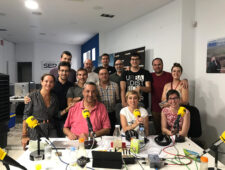
Actualmente, la Cadena SER, y más particularmente BE Podcast y Podium Podcast, hacen bandera de un importante número de formatos que recurren a la radio visual. Desde el siempre exitoso nobody knows anything, conducido por Andreu Buenafuente y Berto Romero (grabado desde un teatro); a numerosos programas que, desde los estudios de la SER, Bea Polo y compañía dan forma: Buenismo bien, Hora veintipico, la ya extinta La Lengua Moderna o Estirando el Chicle, formato que recientemente ha ganado el Ondas 2021 a mejor podcast (from the same) y que contará con un show especial in it WiZink Center de Madrid el 23 de septiembre de 2022.
Los orígenes: ensayo y error
Podría decirse que el éxito de la extensión visual de estos formatos fue fruto de la casualidad. En un inicio, la Cadena SER no contaba con programas específicos de vídeo, como en la actualidad. La dinámica, ocho años atrás, consistía en grabar contents concretos de formatos como Hoy por hoy o La Ventana, como una entrevista de relevancia. Posteriormente, estos vídeos se distribuirían a través de la página web, su canal de YouTube (con 177.000 suscriptores, menos que algunos de sus formatos más exitosos) o por televisión. “Lo importante era la radio. Y el vídeo estaba ahí por si necesitaba ser usado. Pero, en cualquier caso, no era tan relevante como ahora”, recuerda Polo.
 No es hasta el año 2014 cuando se plantea realizar con vídeo dos formatos: modern life y Oh My Lol. Eran programas nacidos con la mirada puesta en el podcast. Sin embargo, la extensión visual fue valorada muy rápidamente: “Al nacer estos programas, surge la idea de darle vídeo… y ver qué pasaba. ¡Fue un a ver qué pasa! Y lo cierto es que salió muy bien”.
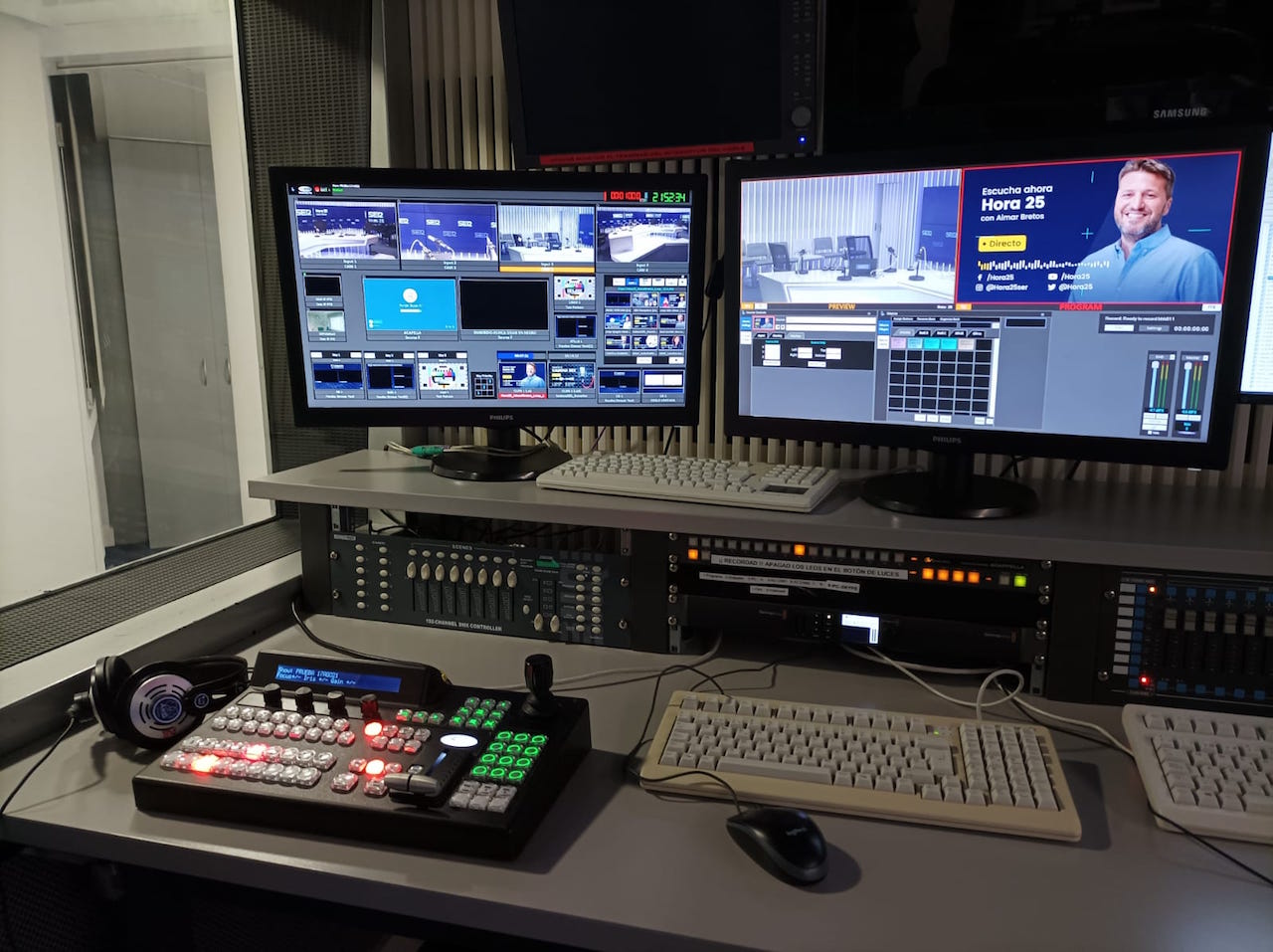
Polo define la realización de aquellos programas como “prueba y error”. Los recursos visuales eran limitados: apenas unas pocas cámaras robotizadas en SD. Un único operador, al igual que en la actualidad, maneja las cámaras robotizadas, mezcla el audiovisual content y lanza los vídeos en el caso de que sea necesario. El objetivo era, simplemente, reflejar un contenido radiofónico en vídeo de la manera más rápida y productiva posible.
Primeros pasos: creando una realización inédita
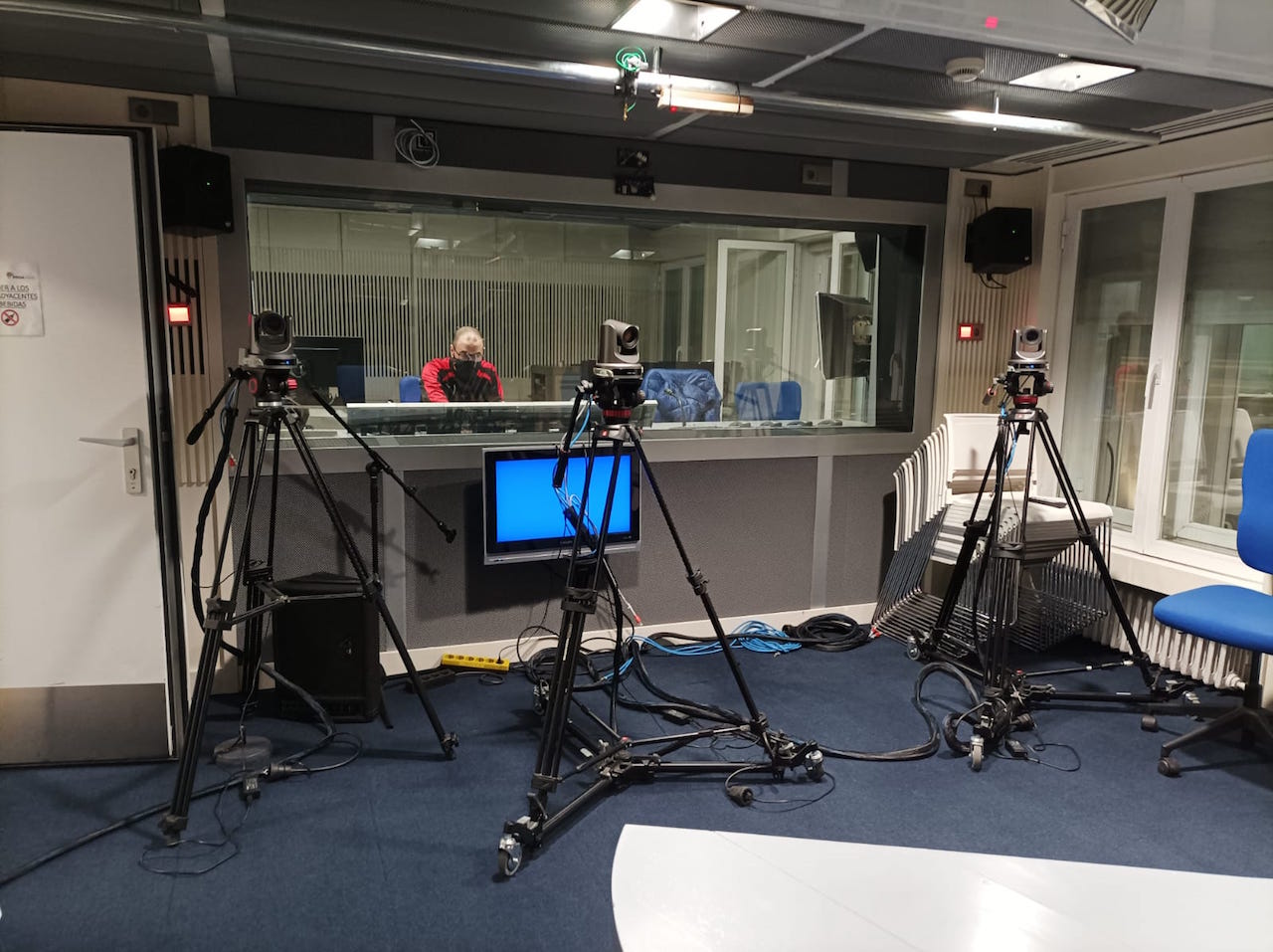 Por aquel entonces, existían pocas referencias externas que reflejaran el tipo de tratamiento audiovisual que se quería aportar a formatos como La vida moderna. Polo define aquellos programas como caóticos: “Ignatius Farray de repente cogía, se levantaba y hacía cosas. Al principio era horrible. No obstante, poco a poco fuimos cogiendo el truco a esta forma de narrar”. Apostando por la narración de los acontecimientos, Polo inicialmente planteó una puesta en escena basada en planos fijos, para luego, poco a poco, “ir probando cosas”.
Del mismo modo, por la propia naturaleza de los formatos, la realización podría definirse como improvisada. En muchas ocasiones, ni siquiera existía una escaleta. En la actualidad, tampoco: “Si bien hay programas que directamente te dan el guion, en otras ocasiones todo gira en torno a tres días que han apuntado sobre un papel”.
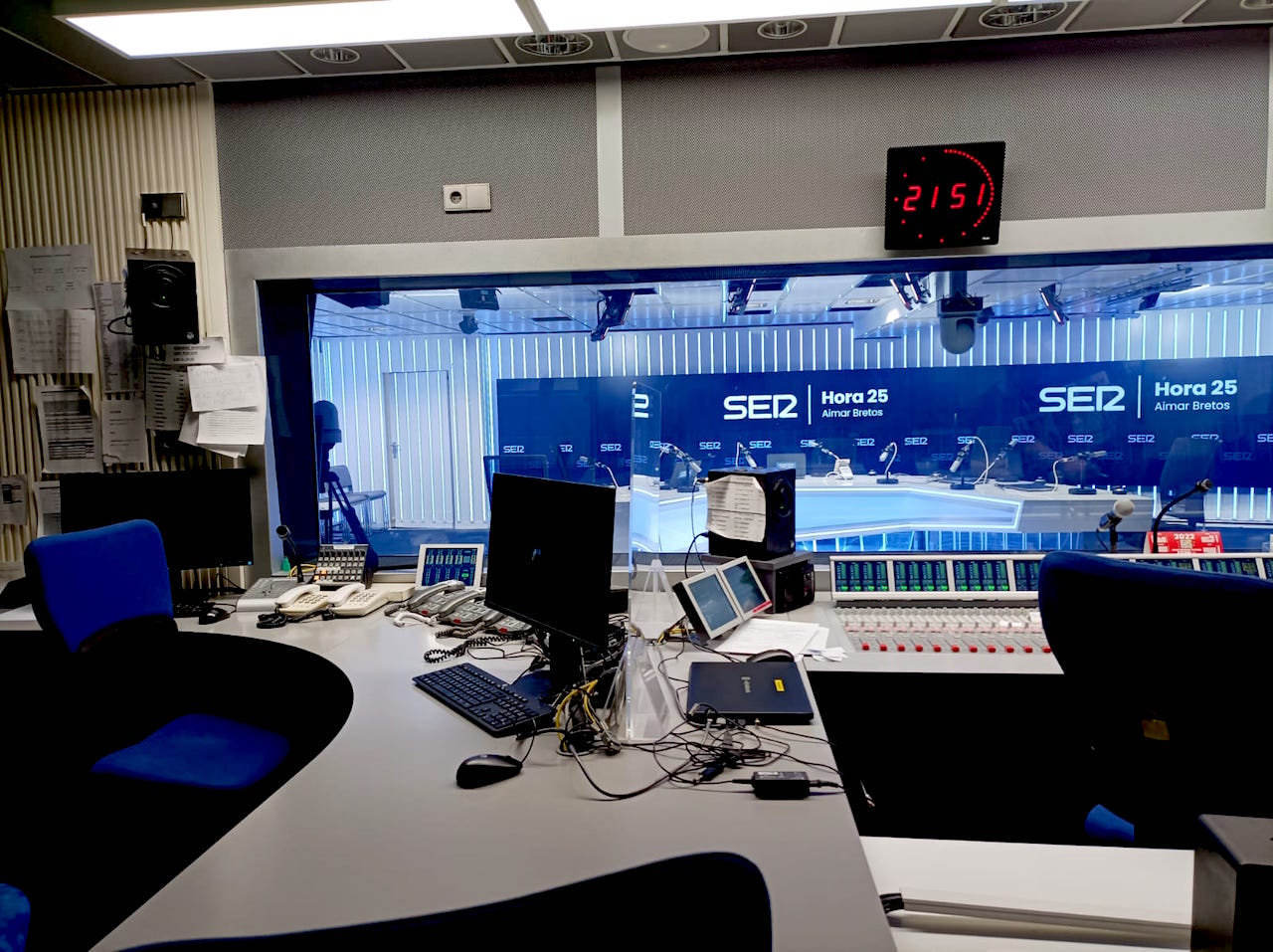 Del mismo modo, se ha integrado a la figura de la realizadora en el formato: “Realmente, vas siguiendo al presentador o presentadora. Llegado el momento, te suelen decir: “¡Bea, tira el vídeo!” Hemos integrado tanto esa parte que no necesitamos escaleta”.
The automatic completion ha estado en varias ocasiones sobre la mesa, tal y como se utiliza en numerosos formatos radiofónicos. Sin embargo, Polo no se muestra partidaria de este formato: “Al final, todo va a la voz. Si está un micro abierto y tú estás hablando, te va a pinchar. Pero se pierden todos los planos de escucha, que al final son los mejores. Cuando hay una sola perfecta, la automatización es una gran solución. Pero cuando hay más de una, es complicado”.
Consolidación: la evolución técnica
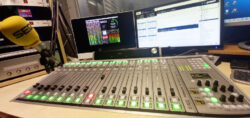
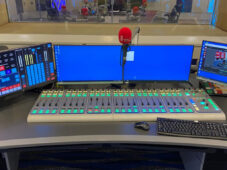
 En la actualidad, Polo considera que los formatos viven una fase de madurez audiovisual. La evolución se ha consolidado desde diferentes perspectivas. Por un lado, los locutores confían plenamente en la realización a la hora de que estos planteen nuevos lenguajes o planos; los estudios han sido renovados con nuevos elementos de iluminación basada en LED and with videowalls que ayudan a reforzar la puesta en escena de los formatos; y los recursos técnicos han mejorado dejando atrás la época SD. El salto ha sido crucial. Como comenta Polo: “Si es que, puedes ver el primer programa de modern life, y parece que estábamos en los 90”.
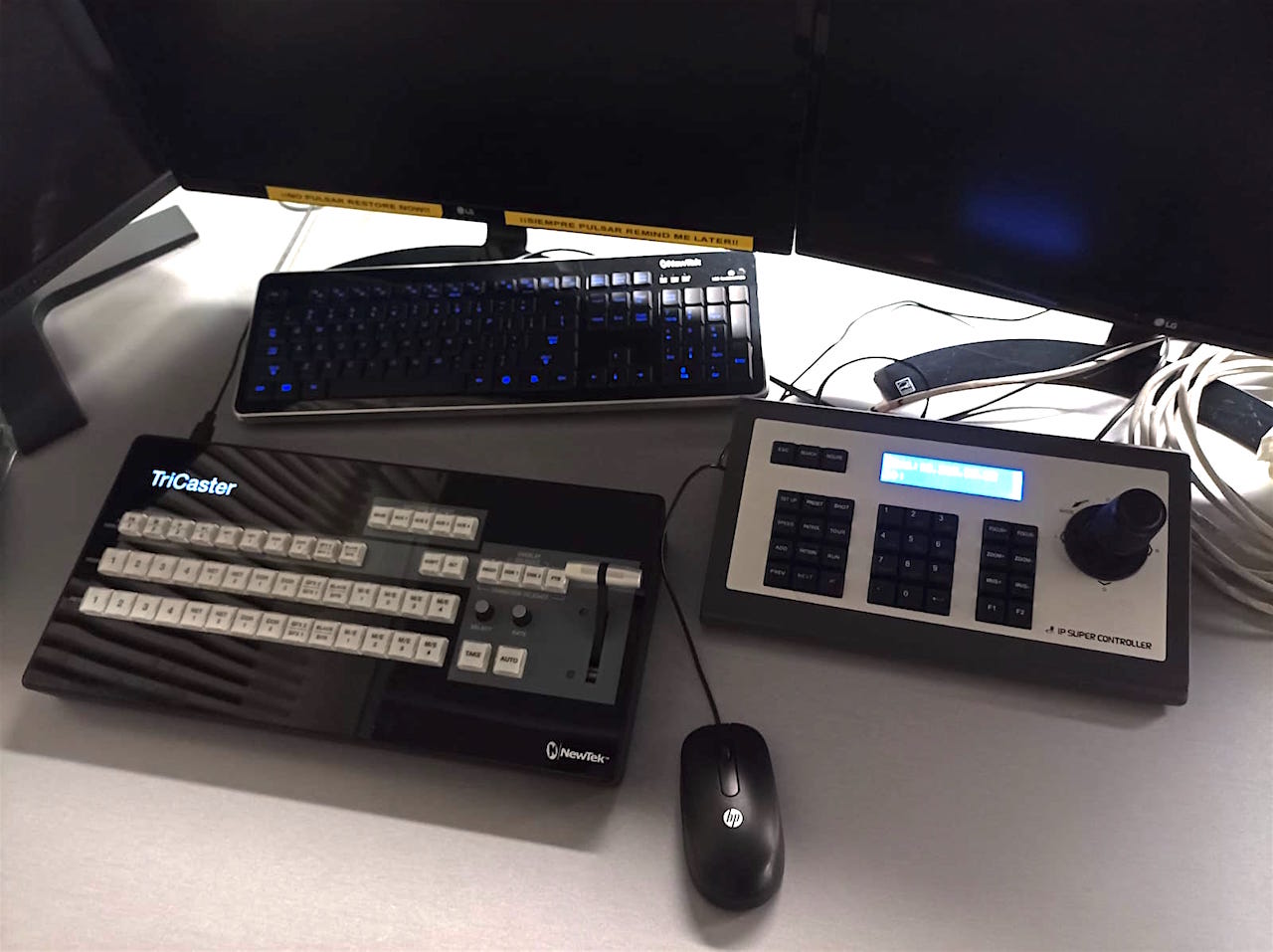
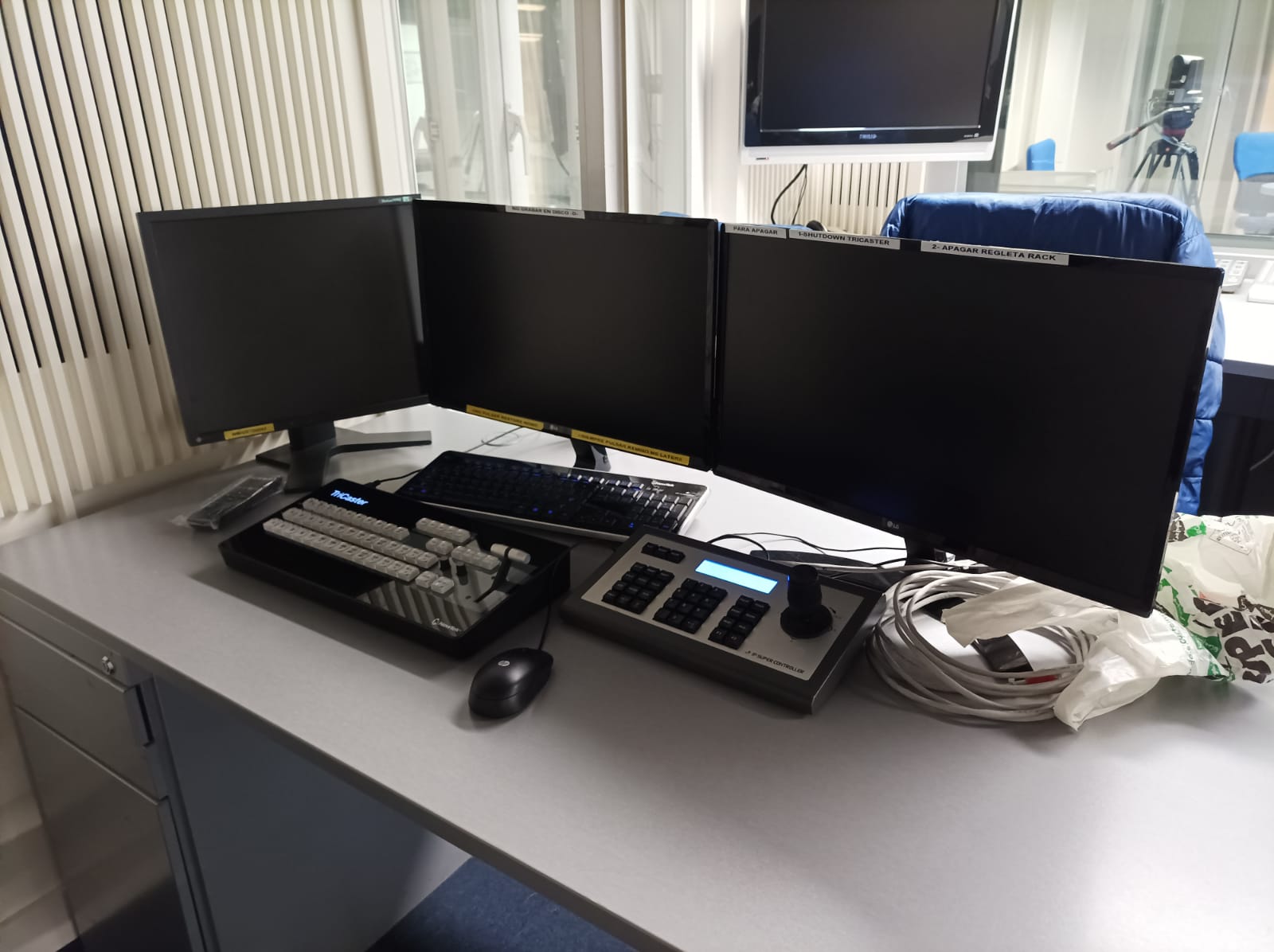
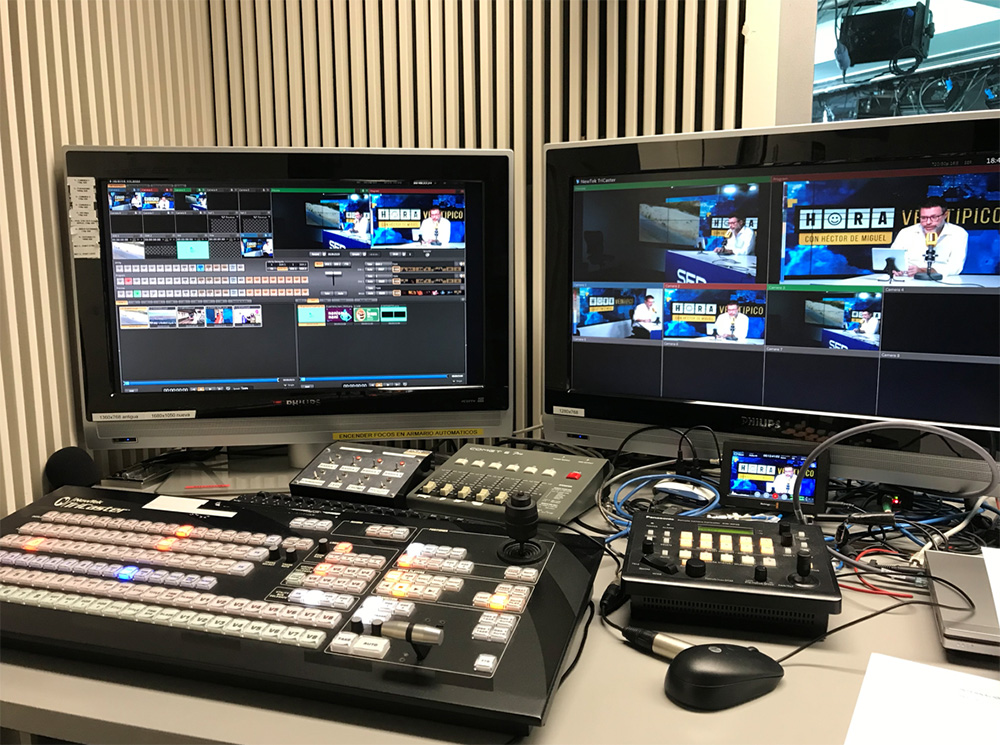
La captación se produce actualmente con varias cámaras PTZ HD of Panasonic, con un flujo de trabajo NDI gestionado por varios Tricaster of NewTek. Siempre se opta por una realización en directo, con un montaje que apenas es retocado salvo en el caso de que se necesite reducir la duración del formato o retirar algún comentario fuera de contexto. No se graban las tres cámaras por separado, por lo que en la posterior edición con Adobe Premiere se debe corregir con diferentes recursos todo lo que sea necesario. Posteriormente, los programas son distribuidos por las plataformas de la SER Chain, YouTube o vía WeTransfer to the community manager de cada programa, para que estos realicen la posterior fragmentación y content distribution por redes sociales.
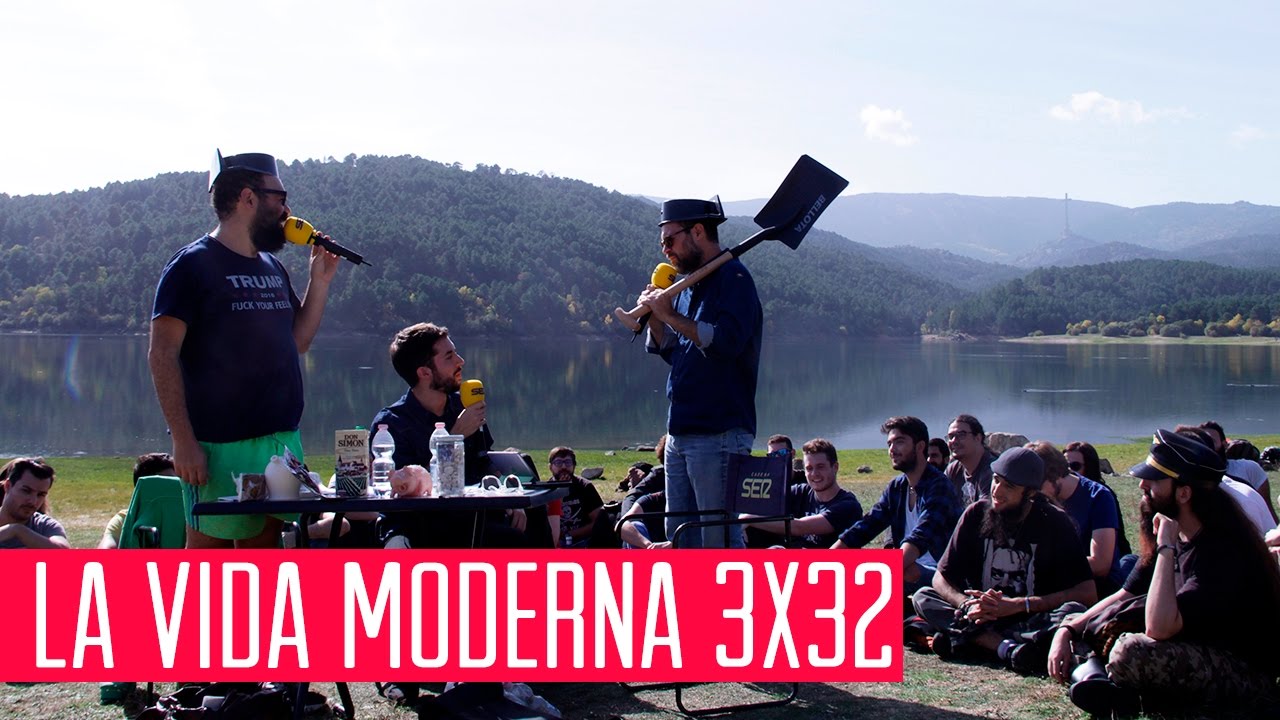 En ocasiones, varios de los formatos producidos por Cadena SER salen de las instalaciones de Gran Vía para realizar episodios especiales en exteriores. modern life cuenta con un buen número de ejemplos realizados bajo este formato, como el conocido “asalto” a la sede de UPyD o su visita a los exteriores del Valle de los Caídos con motivo de la exhumación del dictador Francisco Franco. En este caso, se utiliza una única Panasonic P2 para capturar el vídeo.
El mañana: ¿mejora o “feísmo”?
Las cuidadas facturas técnicas que acompañan cada vez más habitualmente a contenido creado exclusivamente para YouTube o para plataformas como Twitch plantean la cuestión de si la radio visual debe mejorar su factura para seguir captando a su público objetivo. Polo afronta esta cuestión desde varias perspectivas. Si bien considera que un montaje con un gran plató, operadores de cámara o un buen chroma podría multiplicar las posibilidades de estos formatos, también reconoce que habría que estudiar cada caso, ya que implicaría “mucho dinero y muchos recursos”. Además, tal y como subraya, “tampoco es el objetivo”.
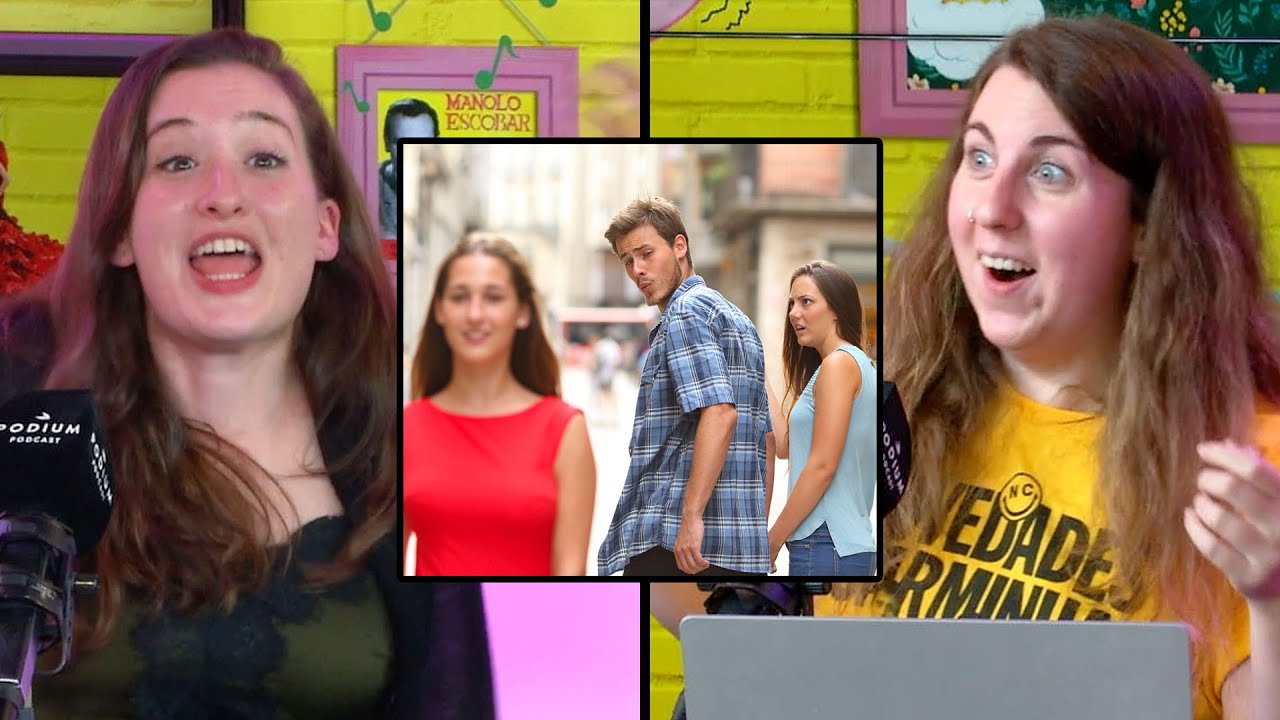
La técnica audiovisual considera que el refinamiento de un formato como modern life puede no gustar al público: “Es como un nicho. Somos una familia, y esta realización es parte del encanto de programas como Buenismo bien o Veintipico. Si crece más, ya no serían estos programas. Tú le puedes dar un dron a Broncano y estaría claro que jugaría con él, pero es que posiblemente acabaría roto”. “Al final, modern life creó un nicho. Fue una locura lo que sucedió. A la gente le daba igual lo que hiciésemos. Podíamos grabar en una sala llena de eco y completamente oscura, que a la gente le gustaba. Al público de modern life le gusta el feísmo y también juegas con ello”, sentencia Polo.
El público quiere ver la radio. El público abraza el “feísmo”. Las barreras entre talento y técnica se difuminan.
No hay lugar para los paradigmas en la radio visual.
Un reportaje de Sergio Julián Gómez.
Did you like this article?
Subscribe to our NEWSLETTER and you won't miss anything.
Related articles
 Radio Barcelona (Cadena SER) takes a technological leap with Aspa
 Netflix will bring the life and work of Julio Iglesias to the screen through an autobiographical production
 NH Media completes its transition to IP by unifying radio, visual radio and television with DHD equipment
 'Modern life' says goodbye after a thousand programs on the air
 Radio Vigo (Cadena SER) renews its studies with AEQ's Forum Split
 Bahrain Radio begins its journey in the digital world with VSM by Lawo
 Radio Rioja (Cadena SER) replaces its old automation system with AudioPlus from AEQ
 TVE, Azteca and Telemundo will bring the life of Hernán Cortés to the small screen
 Christie adds Vive Audio to the best screen of the Empire Cinemas chain
 Maleficent, Disney's quintessential witch, comes to life on the big screen
 La Moderna escoge Civolution para el desarrollo de entornos de segunda pantalla en Televisió de Catalunya
 The adventures of Zipi and Zape come to life on the big screen
 La Moderna and Expressa Radio sign an agreement to incorporate interactivity in their online stations
 Visual creativity on the big screen at the Medialab-Prado