





In the recesses of true crime: the case of 'Lucía en la web' (RTVE Play)
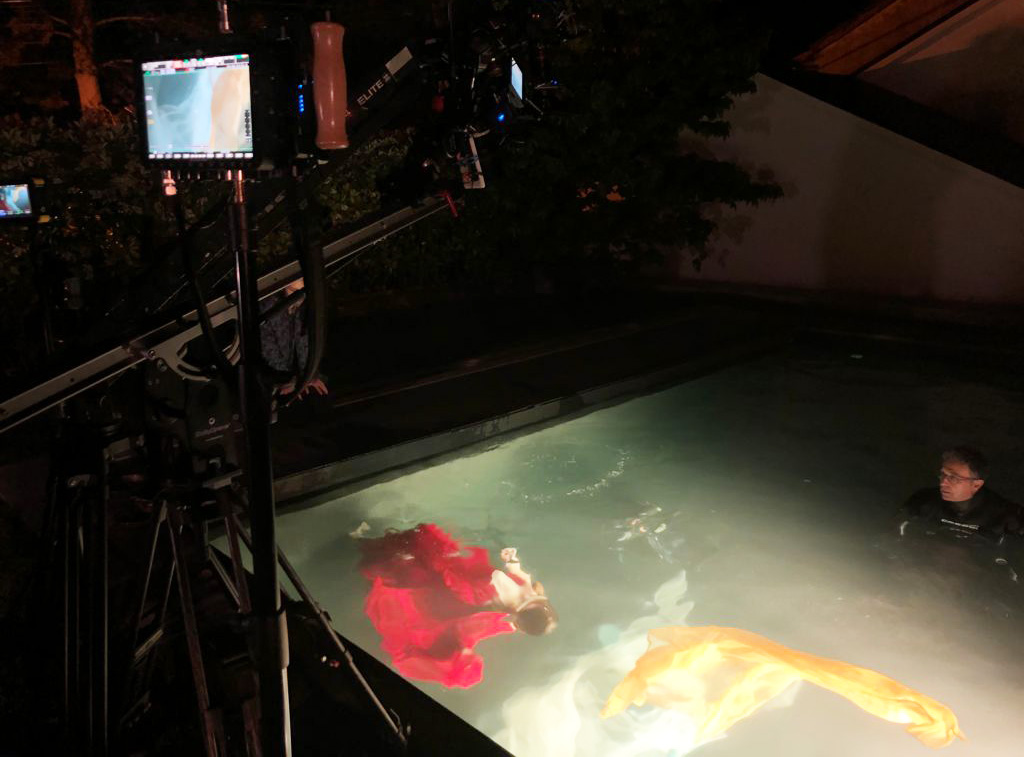

Sofía Urwitz, realizadora y directora de fotografía de Lucía en la Telaraña (RTVE Play), desvela todas las claves de la producción, poniéndola en contexto con el fenómeno true crime.
He true crime, como género, ha existido desde hace cientos de años. La sociedad se ha visto fascinada por crímenes atroces, por investigaciones complejas y por tramas que se hunden en las profundidades de lo que entendemos por justicia. Esa fascinación, quizá fruto de tratar de extraer la oscuridad de lo aparentemente perfecto (al estilo de Terciopelo Azul), ha protagonizado novelas, podcast, películas y reportajes periodísticos de toda índole.
Durante los últimos tiempos, el género ha renacido. En parte impulsado por la revolución de las platforms, y en parte por las nuevas fórmulas narrativas, episódicas y visuales que han marcado la industria durante las últimas décadas, productoras de todo el mundo han elegido destapar historias que merecen ser contadas. Fuera de nuestras fronteras han llegado piezas tan determinantes como la historia de la secta NXIVM through El juramento (HBO España); estafas piramidales como la que se destapa en LuLaRich (Amazon Prime Video); crímenes domésticos, como el relatado en Laberinto de errores (Disney+); o la ya célebre Making a Murderer (Netflix), que relata la historia de Steven Avery durante más de dos décadas.
España no ha dejado escapar este tren, con productos que profundizan en personajes y eventos de importante calado como El Pionero (HBO Max), The Palmar de Troya (Movistar+), El caso Alcàsser (Netflix) o la que hoy nos ocupa, Lucía en la Telaraña (El cañonazo, The Facto), uno de los primeros originales de RTVE Play. Urwitz nos abre las puertas a una docuserie que, partiendo de un asesinato, desentraña una red de corrupción institucional y urbanística apoyada por el narcotráfico que se extiende durante más de 13 años. Todo queda resumido cinco absorbentes capítulos of 45 minutos de duración.
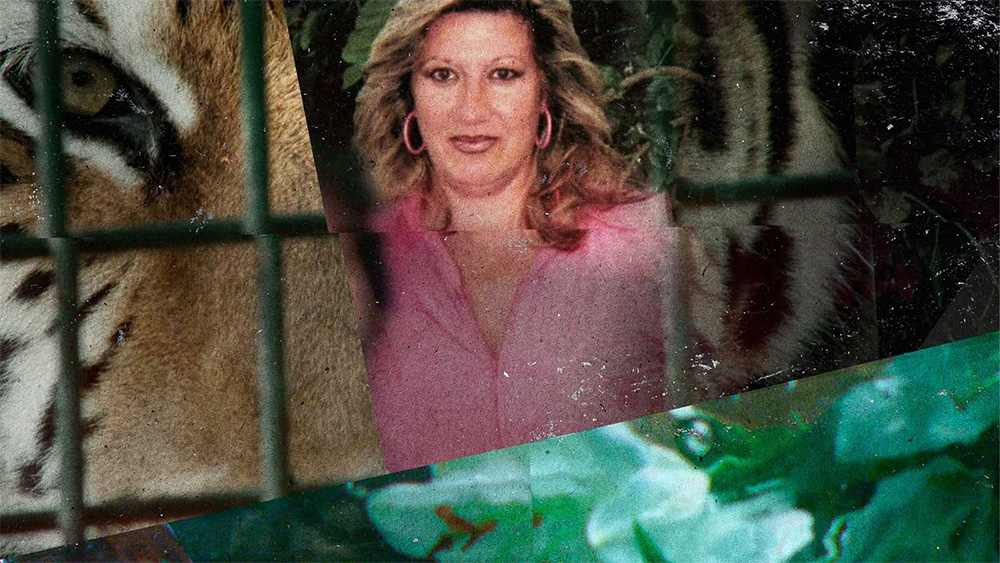
El origen de Lucía en la telaraña
Sofía Urwitz, licenciada en Bellas Artes y Comunicación Audiovisual, y con másteres dedicados al arte contemporáneo y el cine, volvió a España tras dedicarse durante varios años a la investigación en Holanda. Fue entonces cuando decidió hacer un máster de dirección de fotografía in the CHESS para complementar las claves técnicas of the universo visual y plástico que comprendía su formación.
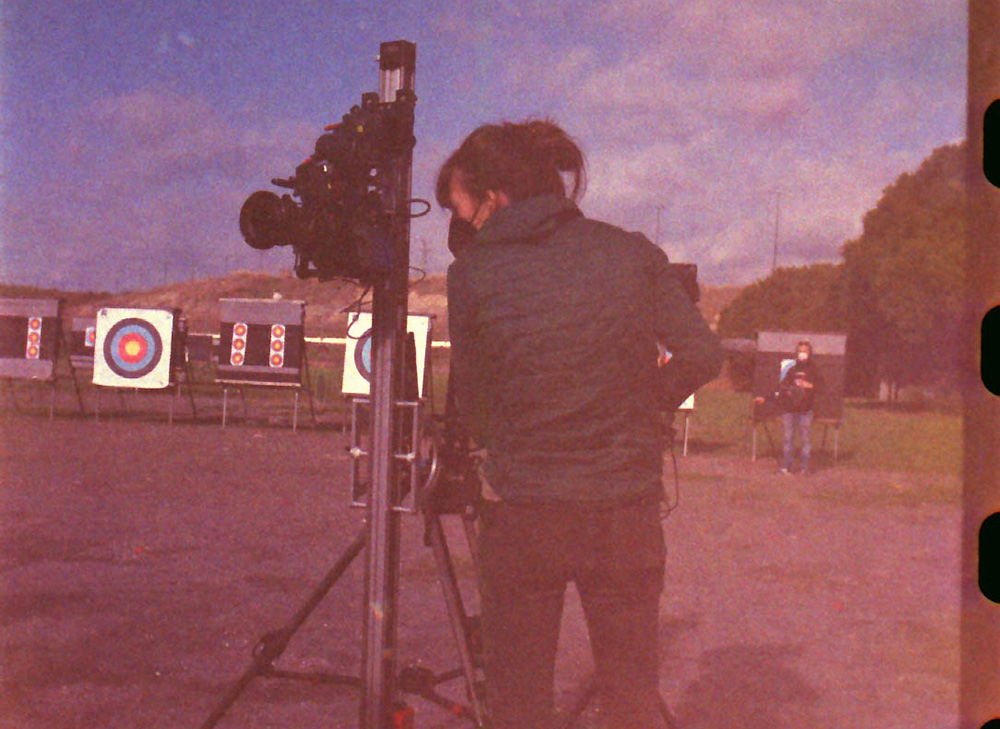 Tras trabajar en diferentes áreas dentro de la publicidad and the cine, comienza a colaborar con Tomás Ocaña, periodista de investigación que en 2017 fundó la productora española The Facto. Junto a él, realiza diferentes proyectos como Preying on the predator o varios episodios para Crónicas Subterráneas of Telemadrid.
El siguiente paso en su alianza sería Lucía en la telaraña, el proyecto más largo firmado por Urwitz. En él, por primera vez, la realizadora y directora de fotografía tendría completa libertad para, tomando el trabajo periodístico de Ocaña, dar rienda suelta a sus referentes visuales para llevar un look cinematographic a un ambicioso reportaje.
Equilibrio entre periodismo y cinematografía
Ocaña, de cara a la realización de Lucía en la telaraña, quiso alejarse de la factura del reportaje. A pesar de tener un presupuesto mucho más modesto que el de otros true crime internacionales, el objetivo era claro: conseguir una factura similar. De esta forma, se destapa una de las claves de los true crime: ofrecer un producto puramente periodístico with a acabado visual cautivador and a guion absorbente.
Urwitz rodó Lucía en la telaraña con dos unidades de cámara de calidad cinematográfica en RAW y 4K, utilizando las lentes Optimo Prime of Angénieux. Entre la colección de ópticas, varios zoom “muy versátiles” y un 25-250 que, según la propia realizadora, “es lo que más me ayudó a la hora de construir un lenguaje muy cinematográfico”.
Varias claves de su aproximación visual residían en el uso de texturas para contextualizar y marcar el progreso de la ficción (tomando como base texturas orgánicas como pinturas, pigmentos, cerámica o barro), así como en la utilización de la gama cromática del contexto geográfico del true crime: “La historia está encuadrada en Málaga; a nivel de color, podemos irnos a algo terroso, calor, textura”.
No tenía sentido trastocar el diálogo visual y ambiental que ofrecía el entorno de Lucía en la telaraña: eso, posiblemente, habría sido atentar (o jugar ligeramente) sobre la objetividad del propio reportaje.
La factura visual y el tono
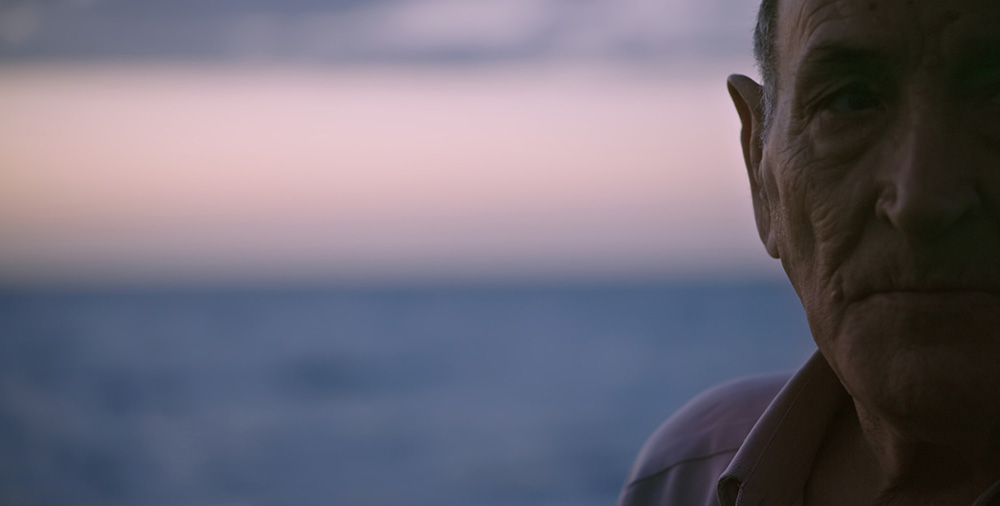
Para Urwitz, las “intenciones” que se plantean desde la fotografía y la realización son las claves que han alejado a Lucía en la Telaraña del reportaje y lo han aproximado a la interpretación contemporánea of the true crime. Por tanto, la factura visual se configura como un elemento diferenciador de especial trascendencia. Urwitz, desde la perspectiva de la realización, también identifica el tono como eje de la identidad de la serie de RTVE Play.
“Hay algunos true crime que tienen unas tendencias más sensacionalistas, otras que sitúan al espectador en un lugar más contemplativo, más observador… Cada proyecto te va pidiendo una cosa u otra, y por supuesto, cada director va poniendo un sello u otro”, explica Urwitz.
Una gran influencia
Uno de los objetivos a la hora de construir el universo visual de Lucía en la teleraña fue construir una narración que tuviese “sus propias normas”: “Dentro de formar parte de un estilo bastante marcado, sí quería que tuviese sus particularidades”. Aún con todo, hay una obra que sirvió como referencia para la producción: The Pharmacist, un true crime de The Cinemart to Netflix estrenado en 2020.
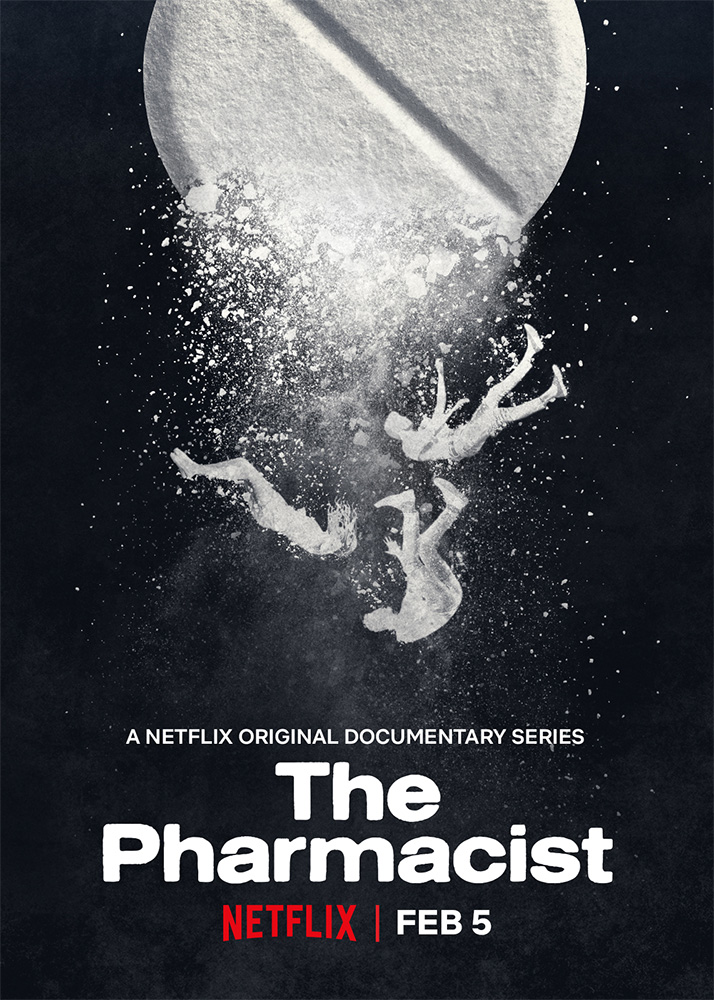 The Pharmacist narra la historia de un farmacéutico que, a raíz de la muerte de su hijo, acaba por descubrir una trama mucho más compleja de lo que inicialmente aparentaba. Esta premisa, así como el uso del protagonista para hacer avanzar la historia, otorgaron varias pistas a Urwitz: “Obviamente, tenía que trasladarlo a nuestro mundo, (…) pero me quedé con la idea de generar una continuidad desde la intimidad del propio protagonista. Además, el perfil de The Pharmacist cuadraba con Ignacio [Ndr: uno de los personajes principales de Lucía en la Telaraña]: un tipo de persona con un carácter algo obsesivo, pero siempre desde una intención honorable”.
La factura de The Pharmacist también convenció a Urwitz. A pesar de lo alejado de sus presupuestos, la realizadora y directora de fotografía destaca el “esfuerzo titánico” de “todos los técnicos” por alcanzar “un mínimo digno”: “Creíamos que darle esa potencia visual generaba empaque a una historia que no podía ir desequilibrada en ese sentido”.
La narración del true crime
Los true crime ofrecen un amplio abanico de aproximaciones narrativas. Si algo caracteriza a este género, es la ruptura de los rasgos formales de los reportajes.
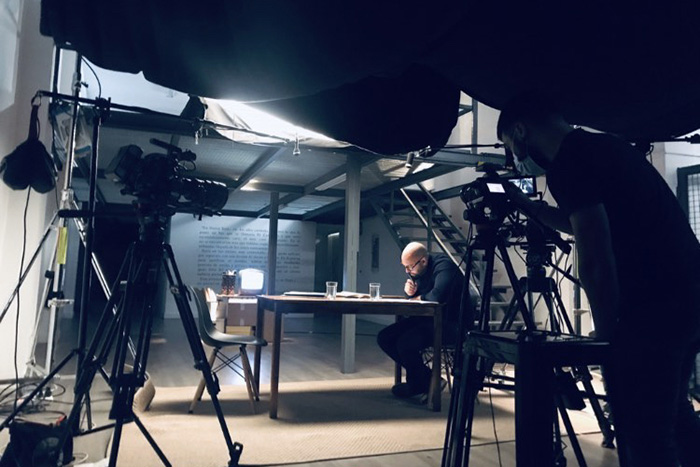
Tras valorar varios enfoques, Sofía Urwitz y su equipo decidieron que las entrevistas conducirían la narración de Lucía en la telaraña. Prescindiendo de la voz en off, las declaraciones tendrían que hacer avanzar una trama de corrupción que se extiende durante cerca de 13 años y que, a día de hoy, sigue abierta. Abordar esta narración solo fue posible con la ayuda de un amplio equipo periodístico que se encargó de organizar toda la información extraída de entrevistas, sentencias y material de archivo. Tomás Ocaña no escatimó en recursos, ya que contó con más de 10 personas dedicadas exclusivamente a la verificación de hechos.
“No podíamos emitir nada que dijera un personaje y no fuera real. Como te puedes imaginar, narrar una trama de corrupción que comienza en 2008 tiene una gran complejidad. Tienes que tratar de desentrañar el puzzle para que la historia tenga sentido, se entienda, y además sea certera y veraz. Ha sido muy complicado”, rememora Urwitz.
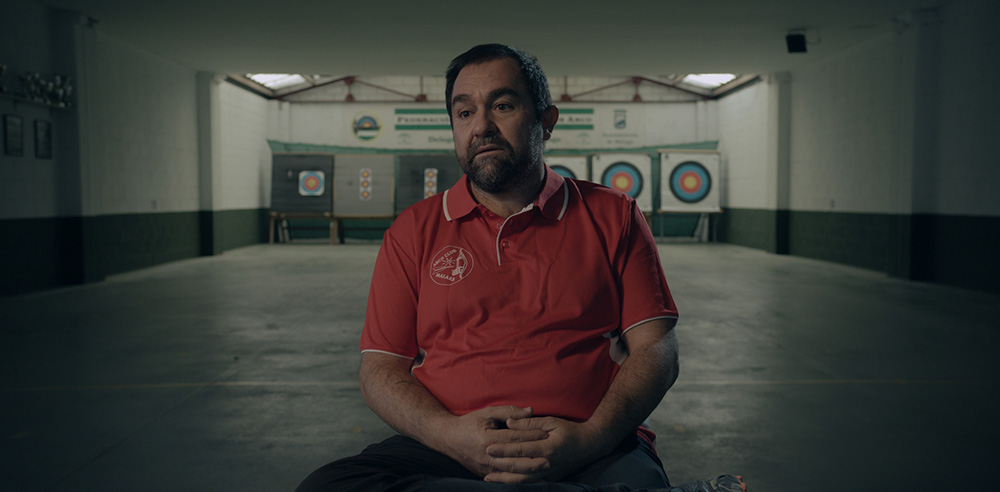
Las entrevistas como eje
Las entrevistas, como conductoras de la narración, vinieron acompañadas de decisiones creativas que ayudaron a seguir otorgando credibilidad a Lucía en la teleraña, Urwitz aporta más detalles: “Siempre que ha sido posible, las personas han sido entrevistadas en sus propios espacios. Era importante no irnos a platós, a un hotel o a una nave: queríamos que, dado que son historias muy personales y queríamos que el espectador se sintiera investigador, el propio espacio del personaje diera pistas para que el público sacara conclusiones sobre qué tipos de personajes le estábamos mostrando”.
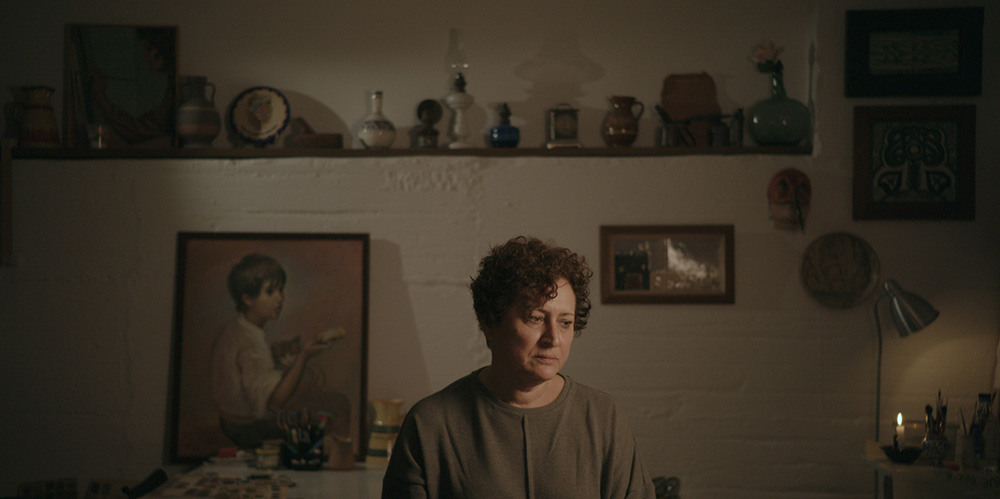 En el caso de personas que no tuvieran acceso a espacios propios, como puede ser el coronel de la Jefatura de Asuntos Internos de la Guardia Civil, se optó por un acercamiento que complementara la narración y diera contexto sobre el personaje: “Si bien es verdad que hay ciertos recursos que pudimos rodar en su despacho, para la entrevista buscamos un espacio neutro, deslocalizado. Cuando ves la entrevista, el espectador se traslada a un espacio indefinido, tal y como vemos a Asuntos Internos. Están en el backstage, en unos espacios ocultos, investigando y realizando un control interno”.
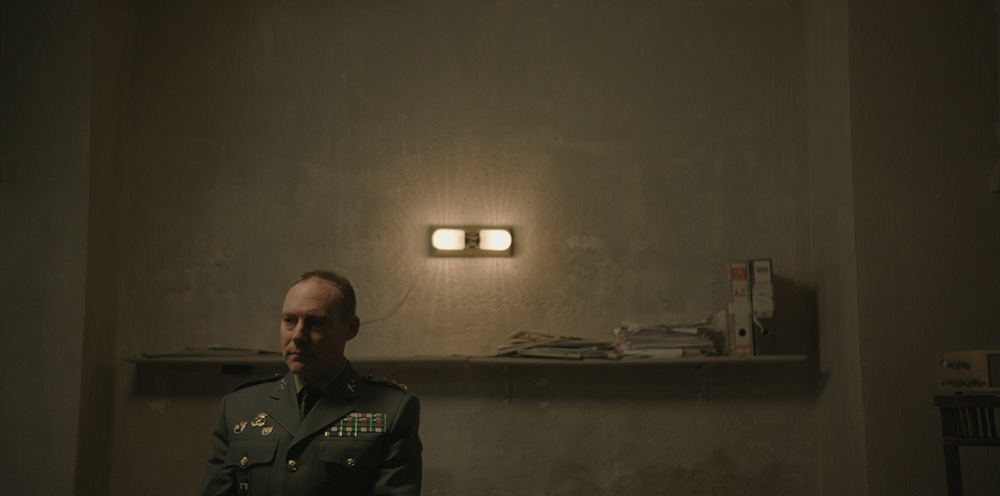 Las entrevistas, independientemente del espacio, se rodaron con una cámara frontal que presentaba un plano abierto del personaje. Este máster se acompañó de un plano corto situado en un slider que se movía para generar versatilidad dentro de la propia entrevista. Del mismo modo, la iluminación y aires se trabajaron de forma diferente para cada personaje: “Nos interesaba un mundo claroscuro, en clave baja, propia del mundo del true crime; (…) los personajes tenían más o menos contraste según la intención que tuviésemos sobre los mismos”.
Urwitz profundiza en la elección de los encuadres en las entrevistas: “Por ejemplo, cuando entran a hablar de corrupción, los aires se invertían. Empezamos a generar visualmente la idea de que la corrupción ha estado presente constantemente en toda la historia. Una manera de trabajarlo era ir agobiando al personaje y generar una inversión de los aires según acontecían ciertas cosas”.
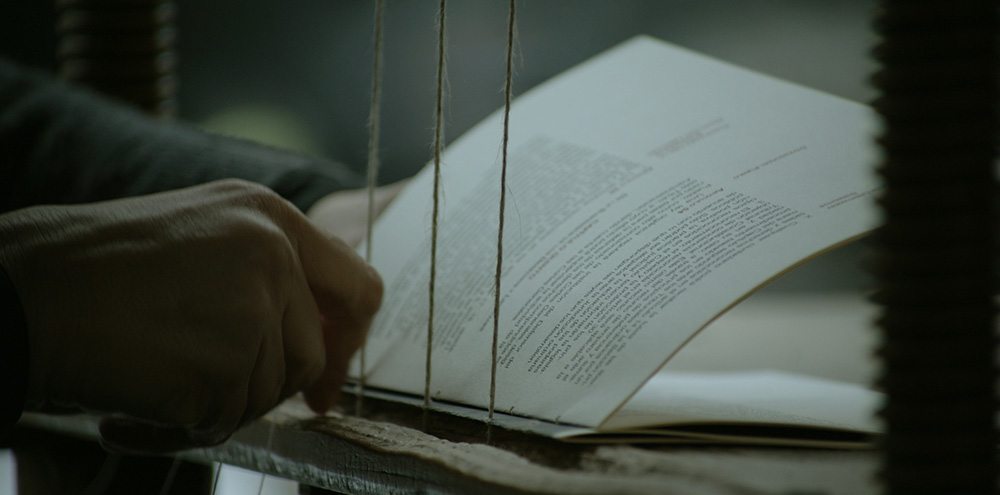
Recursos y metáforas visuales
Otro de los elementos clave de los true crime es el uso de resources to contextualizar personajes y acontecimientos, y facilitar la compresión de la trama. En el caso de Lucía en la telaraña, se eligió prescindir de las recreaciones para optar por un acercamiento que no dudó en recurrir a metáforas visuales.
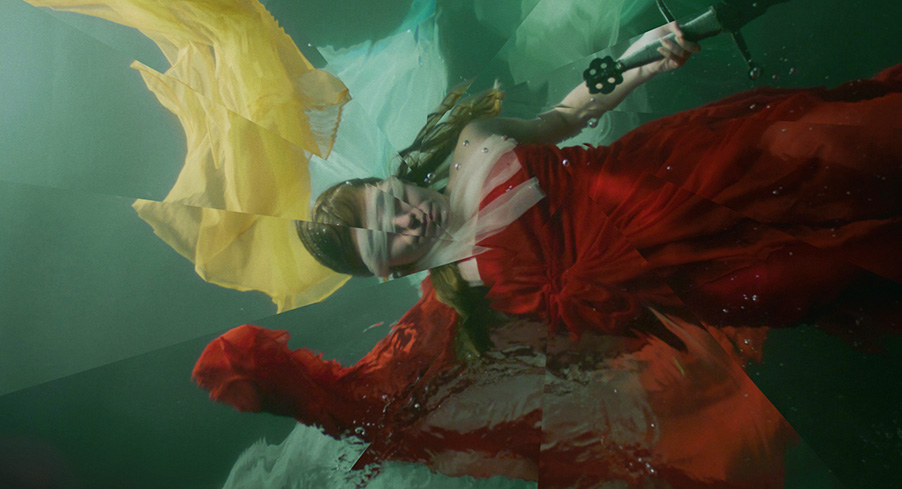
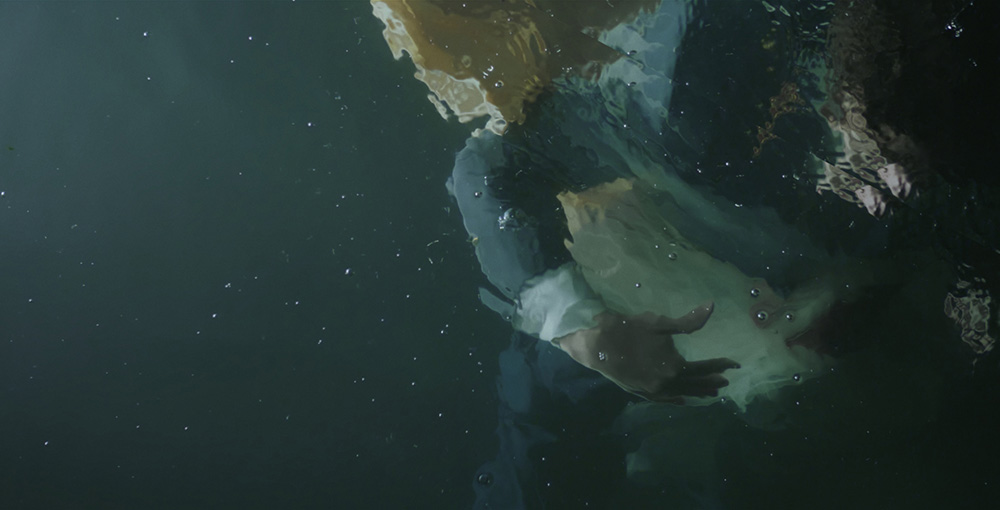
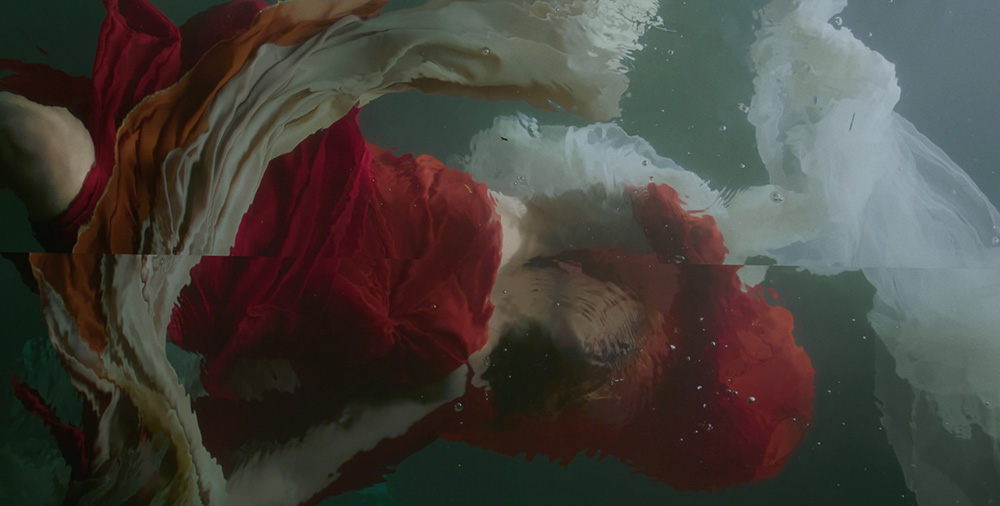
Urwitz y su equipo, por ejemplo, no contaban con recursos visuales de Lucía, que falleció en 2008 (punto de inicio del reportaje). Sin embargo, sí contaban con audios en los que se le escuchaba hablar con una tarotista. Para “liberar” al espectador de un posible prejuicio, se decidió omitir durante los primeros capítulos quién era la interlocutora de Lucía y se decidió acompañar estas conversaciones con el agua, algo presente desde la propia cabecera de la serie: “Primero, por una cuestión literal y bastante cruda, y es que Lucía fallece en una piscina, donde la ahogan”. Este recurso es una constante en todo el true crime: “Nos sirve para hablar de la voz silenciada. Cuando metes algo debajo del agua, primero hay una distorsión y luego un silencio. Queríamos remarcar este subtexto: cómo, desde la muerte de Lucía, se han ido silenciando una serie de cuestiones que hasta se distorsionan visualmente”.
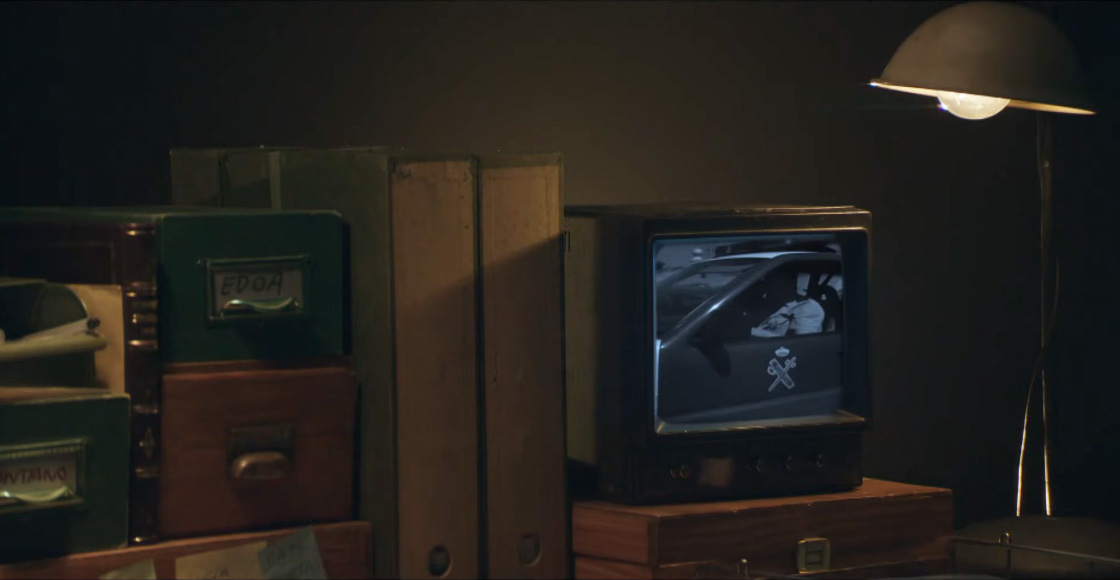
Otros elementos utilizados es la generación de una “mesa de investigación” (que en el quinto episodio se muestra como un set con los focos puestos para evidenciar que esa mesa no existió en la realidad), la presentación de documentos, the creación de mapas de relaciones, the construction (y deconstrucción) de elementos como el tricornio de la Guardia Civil, la utilización de televisiones antiguas para introducir material de archivo, la captación de espacios naturales o to grabación de postes telefónicos para contextualizar llamadas (en lo que es un homenaje a The Wire).
La neutralidad en el true crime
En cualquier trabajo periodístico, la subjetividad está presente. Ya sea en la elección del enfoque, su ordenación o la selección de las fuentes, existe una visión única que impregna todo trabajo. En el caso de un true crime, en el que lo visual cobra una importancia vital, los recursos, el uso del color o el montaje condiciona el acceso del espectador a la trama, historia o report que se transmite.
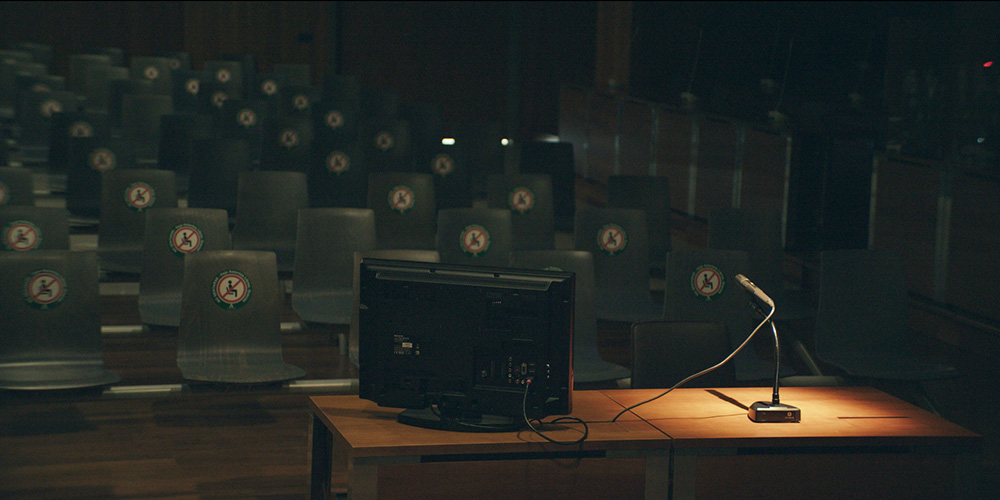
Urwitz, a la hora de abordar esta cuestión, considera que Lucía en la telaraña no ha pretendido ser “conductual”, sino “generar una experiencia inversiva para el espectador”, involucrándolos en la historia. Esta invitación se presenta en cada episodio: “Todos los episodios empiezan con una intro de planos muy cortitos de detalle de los espacios que aparecerán durante el capítulo. Además, esto nos ayudaba para hablar de una cuestión conceptual en nuestra investigación: trabajamos desde el detalle hacia lo general”.
La realizadora y directora de fotografía reconoce que “siempre va a haber un contenido subjetivo”, pero la meta siempre pasa por abordar la temática desde la objetividad intentando “no influir en la opinión”. “La fotografía y la realización tiene que acompañar eso”, sentencia Urwitz.
Eliminar para ayudar a entender
La cantidad de información a tratar y resumir para hacer comprensible la historia y transformarla en un producto audiovisual atractivo es uno de los mayores retos a los que se enfrentan la gran mayoría de true crime. Lucía en la telaraña no es la excepción. Resumir la llamada Operación Telaraña, que se extiende desde 2008 hasta el día de hoy, no es una tarea sencilla.
El equipo de investigación liderado por Tomás Ocaña y Rafa González, acompañado de los guionistas Antonio Díaz Pérez y Adolfo Moreno, tomó todo el material, propuso recursos para acompañar los contenidos y estructuró el core de la historia de Lucía en la Teleraña, siempre buscando mantener un ritmo que facilitara la comprensión desde el montaje. Inevitablemente, el equipo se vio obligado a excluir información, dado que el caso contenía “mucha subtrama” que podía llevar al espectador a la confusión.
Para apoyar la narración principal, ya que “la telaraña es muy grande”, The Cannon Shot y The Facto se apoyaron en las capacidades transmedia de RTVE Play y RTVE Lab para aportar información adicional en forma de mapas de relaciones interactivos o pequeñas piezas visuales que complementan el universo de Lucía en la telaraña con monográficos sobre la violencia de género, la AUGC, la justicia, el tráfico de animales, el periodismo de investigación o la economía ilícita.
Los detalles: BSO y cabecera
Lucía en la telaraña es una obra cargada de detalles que forman parte de un todo. Cada elemento presente (o no) en pantalla, elección de color, aire en una entrevista o metáfora visual construye un mundo dirigido a arrojar verdad sobre el asesinato de Lucía Garrido y la trama de corrupción que lo envuelve.
Para muestra, la música. Antón Serrats, Tomás Virgós y Pablo Serrano se lanzaron a construir una banda sonora original (ya publicada en plataformas digitales) con una melodía o tonalidad para cada personaje. Según los propios personajes se relacionarán dentro de la trama, el trío mezclaría diseños sonoros para dar una nueva dimensión (y nuevas pistas) al espectador. Mención aparte merece la head: construida en torno al agua, en ella aparecen diferentes elementos representativos que marcan cada uno de los cinco capítulos del formato. “¿Cómo puede ser que una historia como esta, una trama de corrupción con cosas tan llamativas que ni están escondidas, se ha ido hundiendo y lo hemos olvidado? (…) La intención de la cabecera resume esas ganas de que se reabran los casos, se investigue y se haga justicia, que al final es lo que todos queremos”, aclara Urwitz.
Al igual que la telaraña representa diferentes causas dentro de la trama de investigación, toda una telañara creativa relaciona, interpreta y une las piezas de este true crime. No podía ser de otra manera.
A report by Sergio Julián Gómez
https://www.youtube.com/watch?v=V7uawzOpZmg
Did you like this article?
Subscribe to our NEWSLETTER and you won't miss anything.
Related articles
 RTVE is committed to live and daily programming exclusive to RTVE Play: 'Open Play'
 CrossMedia plays a key role in the consolidation of RTVE Play
 RTVE Play leads the ranking of Spanish free OTT platforms
 Graphics and large LED screens in broadcast formats: the case of 'Mañaneros' (RTVE)
 RTVE Instituto's training offer now available through RTVE Play
 Technological news from RTVE: RTVE Audio on HbbTV and DVR to record Play live shows
 Carlo Padial directs 'Crímenes Online', Atresmedia's new true crime
 RTVE Play from within: this is how the new RTVE platform has been created
 RTVE and Tokyo 2020: New set, innovative formats, voice assistants and five signals via RTVE Play
 The true crime documentary 'Dolores: The truth about the Wanninkhof case' will be seen on HBO Max
 RTVE begins the revolution of its A La Carta service with the RTVE Play app
 El corto interactivo ‘Tu primer día en El Caso’, del LAB de RTVE.es, Delfín de Oro en los Cannes Corporate & TV Awards
 The interactive short 'Your first day in the case', from the RTVE.es Lab, awarded at the Cannes Corporate Awards 2018
 Atresmedia inaugurates the true crime genre in Spain with 'What the truth hides: The Asunta case'