





The use of drones in the audiovisual industry: child's play?

Imanol by Hipólito Lorenzo, lawyer at Bardají&Honrado, addresses transversally the issue of the use of drones in all areas of audiovisuals.
It is a fact that the audiovisual industry is characterized by always being in constant innovation and the search for new elements that surprise viewers. You only have to look at any documentary produced in recent years to realize that most shots and techniques are completely different from those used in previous decades or even just a few years ago.
 The development of new recording methods and equipment is key when creating productions increasingly spectacular in order to provide spectators with an experience and enjoyment at the height of current times. This has undoubtedly contributed to the proliferation of the use of drones in practically any production that is third. It doesn't matter if it is a video for a wedding or a blockbuster: introducing images captured through these devices always means an added quality in any filming.
However, when the use of unmanned aircraft is planned, it is often not taken into account that, around their use, there are a whole regulatory sphere that must be kept in mind to carry out safe and risk-free flights not only personal, but also legal. Although it is true that access to the use of drones by hobbyists is relatively easy, in the context of a production it is highly recommended that these aircraft be controlled by professionals who are capable of proving sufficient experience and solvency to face any contingency that may arise and who are knowledgeable about current regulations.
Regulations on navigation of unmanned aircraft
Since January 1, 2021, the European UAS regulations apply to the use of drones (acronym for “unmanned aircraft system”), which slightly flexes the use of these aircraft compared to previous regulations to allow their flight in spaces that were previously restricted (if there was no permit or license, of course). Besides, The traditional differentiation between recreational flights and professional flights disappears, having to attend to a series of categories that determine what limitations apply to each aircraft based on its weight, characteristics and operation to be performed.
Specifically, the current European regulations are made up of (i) the Commission Implementing Regulation EU 2019/947 of 24 May 2019 on rules and procedures applicable to the use of unmanned aircraft, and (ii) the Commission Delegated Regulation EU 2019/945 of 12 March 2019 on unmanned aircraft systems and third country operators of unmanned aircraft systems.
As a result of this update of the European regulations, facilitates the use of unmanned aircraft in practically the entire European space. The premise from which Regulation 2019/947 is based is that “Unmanned aircraft, regardless of their mass, can be used within the same airspace of the Single European Sky as manned aircraft, whether airplanes or helicopters.". This postulate offers certain freedom for drone operators, allowing its use to become increasingly widespread and easier to access these aircraft.
The three categories of drone flight
This main assumption It should not be understood as absolute freedom to fly drones nor does it exempt the need to have a certified pilot for certain operations. Regulation 2019/947 establishes three categories of operations depending on the use and complexity of the flight, for each of which one or other requirements are required:
- Open category: the operations included in this category They do not require prior authorization or operational declaration from the UAS operator.. To be included in this category, a series of requirements must be met: (i) the aircraft cannot exceed 25 kilos; (ii) the pilot must ensure at all times that the device is within your field of vision (unless “follow me” mode is used), which does not fly over concentrations of people, and do not move more than 120 meters from the closest point to the earth's surface (with some exceptions); (iii) In addition, the drone cannot transport dangerous goods or drop any material.
- Specific category: to carry out the operations covered by this category, the operator must request an operational authorization from the competent authority, which in Spain is the State Aviation Safety Agency. To do this, the drone operator must carry out a risk assessment that the operation could entail and present a plan of measures to mitigate it. Operations that do not meet any of the requirements for the open category are covered by this category.
- Certified category- To perform operations included in this category, the UAS operator needs to be certified. This includes operations that involve: (i) fly over concentrations of people; (ii) transportation of people; and (iii) transport of dangerous goods that may entail a high risk for third parties in the event of an accident. Additionally, in some cases, the competent authority may classify an operation that in principle should not be certified as “certified” if, after conducting a risk assessment, it determines that the operation cannot be carried out without obtaining a license by the pilot.
 Flexibility and uncertainty
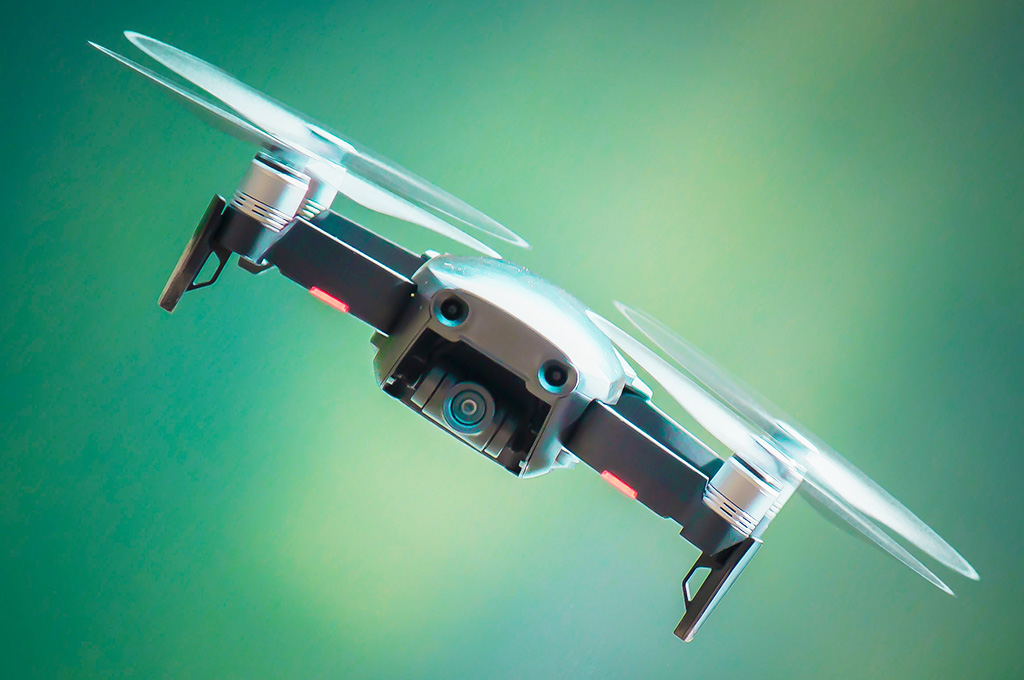
It can be said, in short, that the current European regulations makes the use of unmanned aircraft by amateurs more flexible (whose use could be framed within the “open” category), but at the same time introduces a certain uncertainty by requiring on certain occasions a prior risk assessment to determine whether or not an administrative authorization is necessary. Therefore, when carrying out any audiovisual production that involves the use of drones, it is essential have professionals who know perfectly the operations that are going to be carried out, as well as the current regulations.
We must not forget that, in any case, the use of drones can result civil liability en caso de causar daños a personas u objetos, por lo que es una tarea que debe realizarse con todas las garantías posibles y contar con los seguros correspondientes que cubran este tipo de daños.
Otras normas a tener en cuenta
Más allá de la normativa técnica específica sobre uso de aeronaves no pilotadas, los drones, al estar equipados con cámaras y sistemas GPS, están sujetos a la normativa sobre protección de datos personales, pues su empleo puede tener un impacto en el derecho a la intimidad, la imagen y, en definitiva, los datos de las personas.
Las principales operaciones con drones normalmente consisten en tareas de videovigilancia, inspecciones de infraestructuras o geográficas, además de la prestación de servicios de fotografía y vídeo. Por tanto, muchas de esas operaciones pueden tener impacto en la protección de los datos de las personas, pues existe el riesgo de invadir su esfera de intimidad. Es por ello que la Agencia Española de Protección de Datos (AEPD) publicó el 30 de mayo de 2019 la Guía “Drones y protección de datos”.
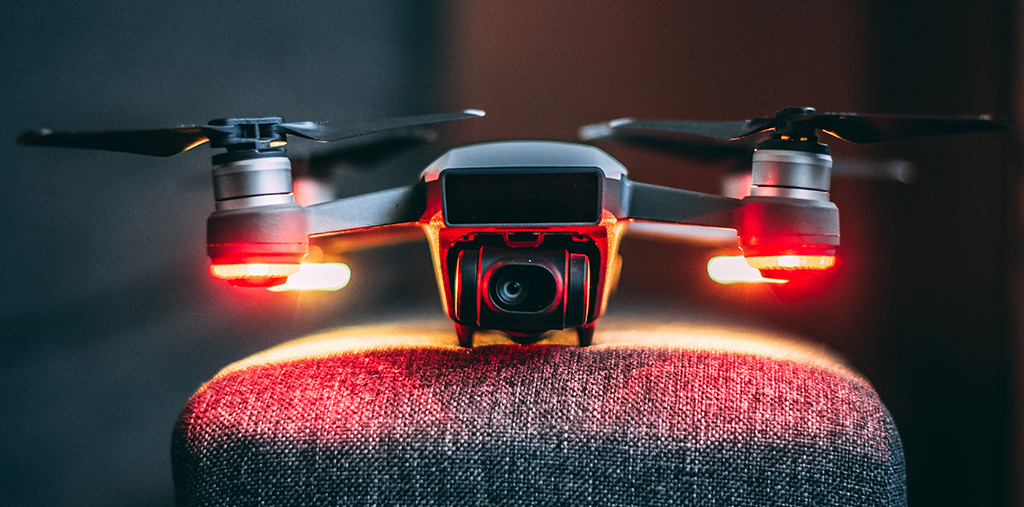 Algunas de las recommendations que la AEPD enumera para rebajar el riesgo para la privacidad de las personas que entrañan las operaciones de grabación con drones, son:
- Minimizar la presencia de objetos y personas que permitan su identificación.
- Realizar vuelos en horarios de baja afluencia de personas.
- Reducir la captura de imágenes a lo estrictamente necesario.
- Aplicar medidas de seguridad destinadas a la aplicación de medidas técnicas de privacidad por defecto, como iniciar y detener la captura de datos en cualquier momento, aplicar técnicas de anonimización, o ajustar la resolución de la imagen al mínimo necesario.
- En aquellos casos en los que se vayan a tomar imágenes de lugares concurridos, realizar una captura a una distancia suficiente para que no sea posible identificar a las personas.
- Evitar el almacenamiento de información innecesaria.
Tampoco se debe olvidar el resto de requisitos legales que la normativa de protección de datos impone a los responsables de tratamiento, como la necesidad de realizar un análisis de riesgos para evaluar el impacto de este tratamiento e, incluso, una evaluación de impacto si se determina que la operación entraña un riesgo elevado.
 El profesional adecuado
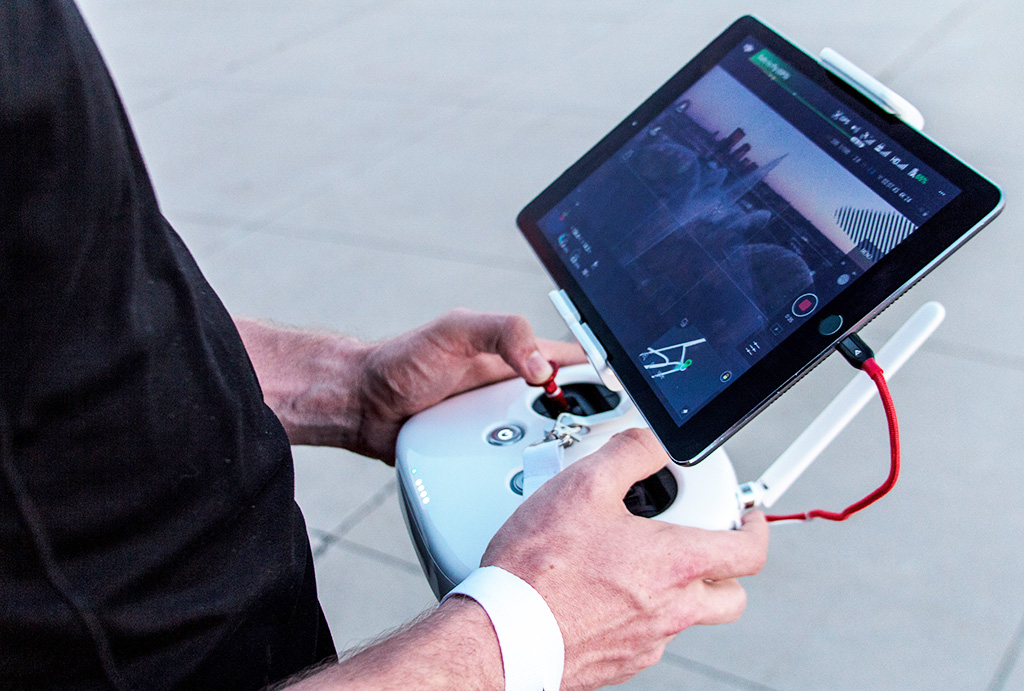
La utilización de drones en grabaciones audiovisuales ha supuesto tal revolution que, actualmente, no se puede concebir una grabación en exteriores sin tomas aéreas que muestren la espectacularidad del lugar donde se está rodando. Pero antes de sucumbir a la tentación de recurrir al uso de un dron, es necesario pararse a considerar todos los riesgos que esto implica ya que no cualquiera está capacitado para manejarlo.
Realizar una evaluación previa de la operación es fundamental para que la grabación con aeronaves no tripuladas se realice con plenas garantías personales y jurídicas.
En este sentido, contar con profesionales solventes, debidamente registrados y certificados por la Agencia Estatal de Seguridad Aérea y con los seguros de responsabilidad civil en regla, es esencial para garantizar que el vuelo se realizará de forma segura y cumpliendo con la normativa aeronáutica, técnica y de privacidad que entra en juego en estas operaciones.
Imanol by Hipólito Lorenzo
Lawyer in Bardají&Honrado

Did you like this article?
Subscribe to our NEWSLETTER and you won't miss anything.
Related articles
 Creativity on request? How the audiovisual industry is redefining gaming in the network era
 The partners of the Audiovisual Cluster of Catalonia return to ISE with advances in immersiveness, VP, drones and AI
 Next-Gen Audiovisual Forum: innovation in the audiovisual industry debated at VDS Valencia 2024
 Keys to the III collective agreement for technicians in the audiovisual industry: schedules, remuneration, AI...
 RTVE launches the game 'Yrrealidad augmented', a game based on Playz's fiction 'Yrreal'
 Drones and audiovisual production: 10 questions and answers
 EGEDA and Fundación Secuoya promote Iberseries Platino Industria, a professional event for the Ibero-American audiovisual industry
 The 'Children's Game' contest returns to La 1 with Xavier Sardá and production by Visiona TV
 Drone pilots will make their voices heard before the European Aviation Safety Agency (EASA) through the Network of Drone Enthusiasts (NODE)
 Overon launches a new audiovisual service with drones
 Panorama Audiovisual once again leads in 2015 as a reference medium for professionals in the audiovisual industry
 The Audiovisual Council of Andalusia demands legislative development of online gambling and betting advertising
 The Panorama Audiovisual Congress defines the future of the audiovisual industry in Brazil
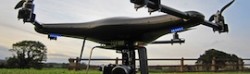 Drones, law and audiovisual