





Drones, law and audiovisual
Jaime Rodríguez Díez, letrado de Diez & Romeo Abogados, analiza en esta tribuna el impacto que la legislación o, en muchos casos la falta de ella, puede tener sobre el uso de drones, especialmente en entornos de producción audiovisual.
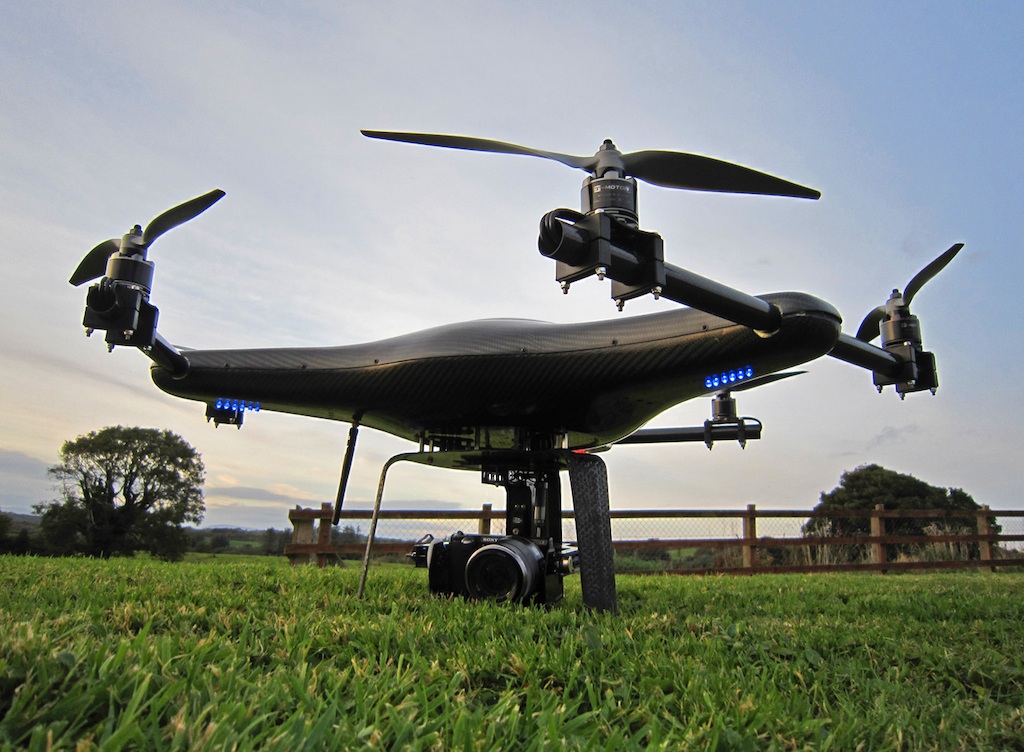
En una época de coyuntura económica negativa, los medios de comunicación buscan servicios competitivos a precios asequibles y el uso de los drones en reportajes gráficos es cada vez más frecuente. Pero ¿que son les drones? Y ¿qué implicación jurídica tiene su utilización?
1.- Drones y prohibiciones ¿Son aeronaves?
La definición que se ajusta más a la realidad es calificar a los drones como ingenios o dispositivos voladores pilotados por control remoto. Este concepto choca con el que ha acuñado la Agencia Estatal de Seguridad Aérea (AESA): aeronaves pilotadas de forma remota.
Lo que se pretende con la definición dada por AESA es aplicar a los drones el régimen jurídico de las aeronaves. De este modo, se justifica la prohibición expresa del uso civil profesional y comercial de los drones articulada mediante la publicación en la web institucional de AESA del pasado 7 de abril de 2014. Un acto que puede ser recurrido ante los Tribunales hasta el 7 de junio.
Para acudir al concepto de aeronave nos tenemos que remontar al artículo 11 de la Ley 48/1960, de 21 de julio, de Navegación aérea, que se define como “toda construcción apta para el transporte de personas o cosas, capaz de moverse en la atmósfera, merced a las reacciones del aire, sea o no más ligera que éste y tenga o no órganos motopropulsores”.
Como se puede ver, los drones de uso profesional y comercial no son aptos para el transporte de personas y mercancías. Tanto por la aptitud como por su finalidad, se encuentran diferencias idóneas para no encajar en el término de aeronave. Además una Ley de casi 54 años difícilmente puede ser el marco más adecuado para respaldar una restricción, puesto que nunca se pudo prever la regulación de los drones por la falta tecnología existente.
De este modo, los únicos Drones que hoy día pueden ser permitidos son los destinados a un uso militar, y al uso recreativo (aeromodelos lúdicos) siempre que sea practicado en zonas destinadas al aeromodelismo.
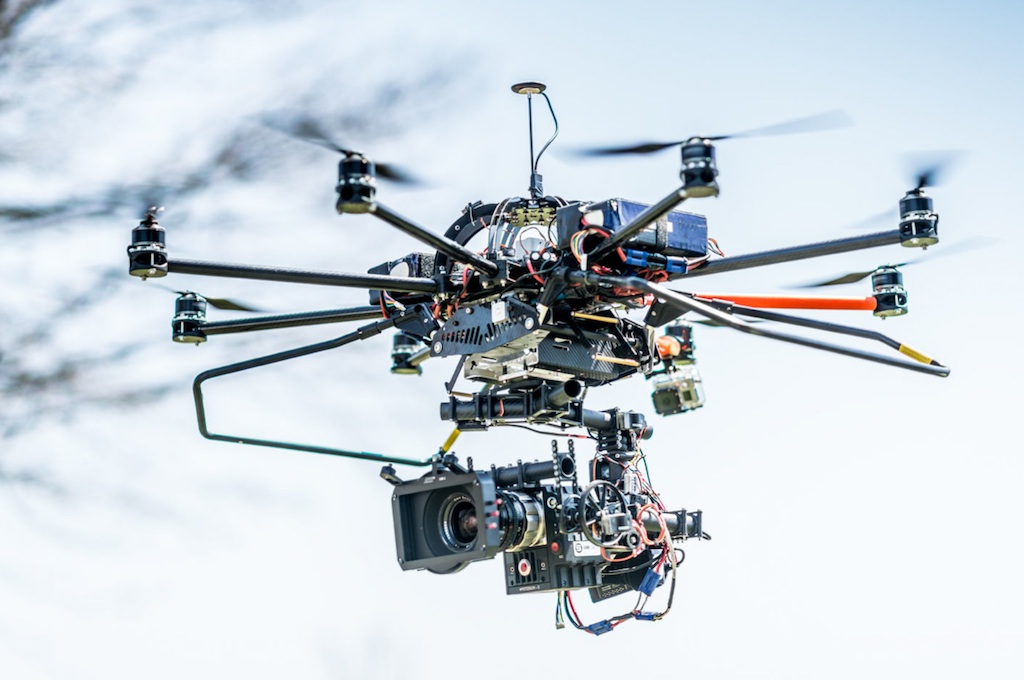 2.- Clases de Drones
En función de su uso, se puede hacer la siguiente clasificación de drones:
A.- Los destinados a uso militar por Fuerzas Armadas, que están desarrollando múltiples programas de investigación sobre los drones. De hecho, en septiembre de 2013 nuestra Defensa desplegó su primer dron para combatir la piratería en aguas de Somalia.
B.- Los utilizados para la videovigilacia por las Fuerzas y Cuerpos de Seguridad del Estado, como es la vigilancia de vías públicas y fronteras. El ejemplo más reciente es la vigilancia con drones en la final de la Champions por la policía portuguesa. Pero al grabar a personas surge, de nuevo, la pugna entre privacidad y seguridad.
C.- Los usados para cumplir con los servicios públicos de las administraciones, ya sea directamente o a través de empresas concesionarias. Destacan entre otros:
• Prevención y detección de incendios
• Grabaciones de las Televisiones Públicas
• Control del tráfico y de eventos públicos
Además, el Ayuntamiento de Madrid dispone de 4 drones para asistir a la Policía Municipal, Bomberos y SAMUR.
D.- Y por último, los de uso comercial y profesional que realizan las empresas privadas y los particulares, como son:
• Reportajes gráficos, periodísticos, de las TV Privadas, Productoras,…
• Planos exteriores (Productoras cinematográficas, etc…)
• Fotogrametría
• Agricultura inteligente
• Reconocimiento de los lugares afectados por catástrofes naturales
3.- Una regulación inexistente
A día de hoy la legislación española no ha dado la respuesta adecuada a las innovaciones tecnológicas de los drones. Aunque parece que se está preparando un régimen transitorio para el próximo verano que estará en vigor hasta la promulgación definitiva del Real Decreto que desarrolle el régimen jurídico para los drones.
Mientras tanto, prohibición total del uso de drones para trabajos aéreos con fines comerciales o profesionales. ¿Finalidad? Evitar en España lo ocurrido en EEUU con el caso Raphael Pirker, un operador que consiguió anular una sanción por usar un dron imprudentemente mientras filmaba en la Universidad de Virginia. ¿La razón? Que no se había prohibido expresamente el uso de los Drones.
Las consecuencias de la prohibición han sido devastadoras:
• Paralización de la industria
• Perdidas millonarias en Euros
• Proyectos empresariales suspendidos
• Puestos de trabajo perdidos
Y no parece que el nuevo régimen vaya a flexibilizar razonablemente la actividad profesional con drones, ya que las pretensiones son:
• Exigencia del permiso de piloto de avión o helicóptero para manejar drones.
• Necesidad de autorizar cada una de las operaciones realizadas con drones, de modo que si una Television tiene que grabar un suceso urgente deberá de esperar a que la AESA resuelva sobre la petición. Lo propio con la detección de incendios, ya que el dron no saldrá hasta que se notifique la autorización. Los expertos creen que con una Comunicación Previa sería suficiente para tener un control sobre las operaciones con drones sin colapsar sus servicios.
• Deber de estar inscrito en el Registro de matrícula de aeronaves y de estar en posesión del Certificado de aeronavegabilidad. Excepto para drones con masa máxima al despegue menos de 25 Kg.
Jaime Rodríguez Díez, letrado de Diez & Romeo Abogados
Jaime Rodríguez Díez
Letrado de Diez & Romeo Abogados

Did you like this article?
Subscribe to our NEWSLETTER and you won't miss anything.
Related articles
 The partners of the Audiovisual Cluster of Catalonia return to ISE with advances in immersiveness, VP, drones and AI
 Freedom of information prevails over copyright: the case of Atresmedia
 Hispasat, AEDAE and Hogan Lovells promote the 1st Introductory Course on Telecommunications Law
 Privacy, data and users: is there a right to privacy on new platforms?
 Drones and audiovisual production: 10 questions and answers
 The works of third parties and current events. A false limit to copyright?
 The use of drones in the audiovisual industry: child's play?
 Huawei joins AIMS as a full member
 Drone pilots will make their voices heard before the European Aviation Safety Agency (EASA) through the Network of Drone Enthusiasts (NODE)
 Overon launches a new audiovisual service with drones
 This is the new regulatory framework for the use of drones
 Spanish Television records its new daily series 'Right to Dream'
 Everything you need to know about the use of drones
 Mediaset wants veto rights on Canal+