





AEQ returns to IBC 2022 with news for remote work environments
AEQ presentará sus nuevas soluciones en IBC 2022, que se celebrará en Ámsterdam del 9 al 12 de septiembre, con tres novedades para entornos de trabajo remotos y exigentes: la consola digital Atrium, el sistema de intercom Xpeak y el audiocodec Talent.
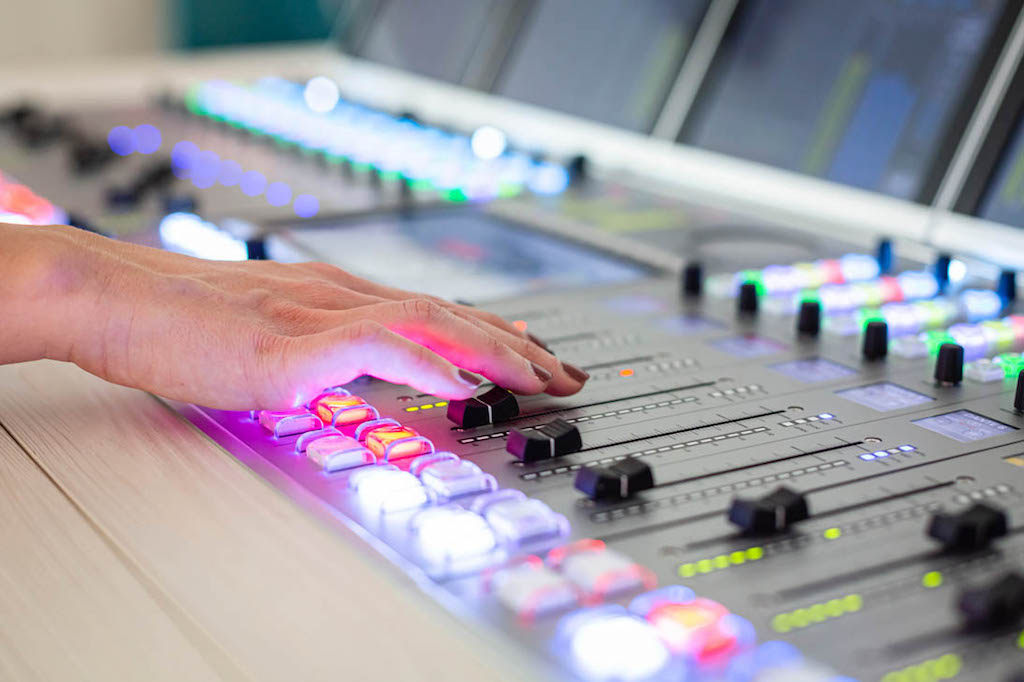
Con respecto a la consola digital de audio IP para emisión y producción en radio y televisión, Atrium, maneja hasta un millar de canales de audio local o IP controlables a través de una o varias superficies, cada una con hasta más de 90 faders motorizados y paginables.
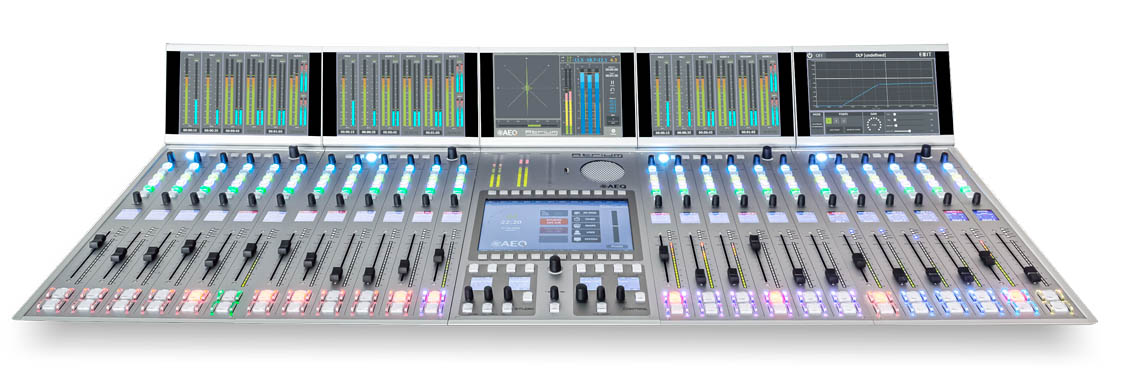 Presenta una gran simplicidad de manejo a través de un poderoso conjunto de pantallas táctiles, encoders, indicadores y teclas, que se pre-configuran en función de las necesidades, y que adecuan dinámicamente su función al contexto.
Además, el nuevo motor X_Core que incorpora Atrium, puede compartirse de forma segura entre hasta 6 consolas, ya que lleva herramientas para desarrollar la capacidad de redundancia a todos los niveles. Acepta y entrega audio en los más variados formatos utilizados hoy en día en producción de audio y televisión.
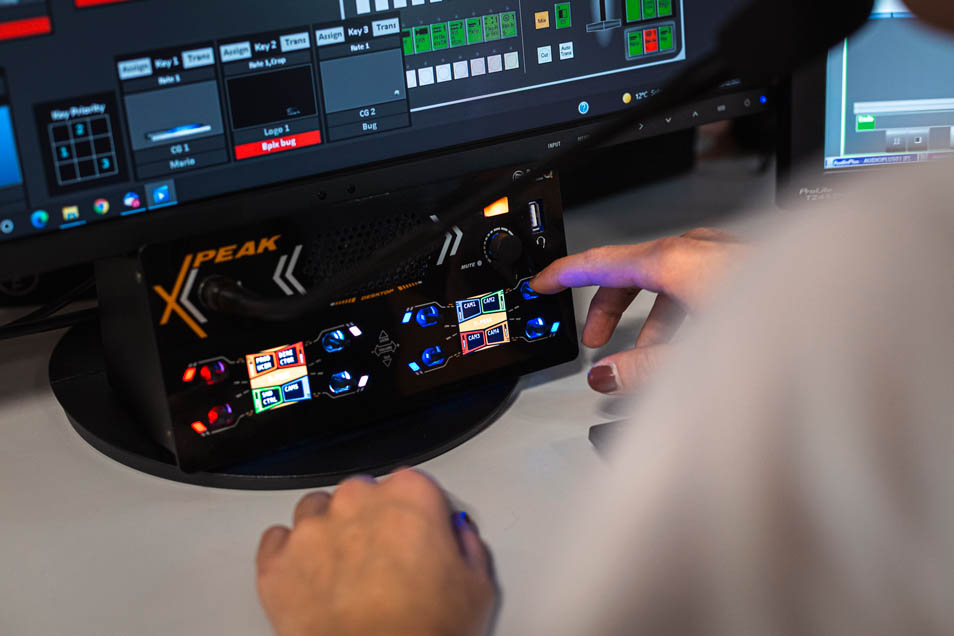
Xpeak, intercom sin matriz
En lo que respecta a la intercom sin matriz Xpeak, admite hasta 28 terminales de usuario en distintos formatos: de sobremesa, de rack, beltpack cableados, beltpack inalámbricos, y aplicaciones para PC, que pueden conectarse entre sí con la mayor flexibilidad operativa y sin necesidad de una matriz.
Además, esta conexión es sencilla aunque los equipos estén en localizaciones distintas, simplemente dándoles acceso a internet. Esto facilita la configuración de la coordinación de las producciones remotas.
Sus terminales de usuario cableados disponen de conexiones Bluetooth y USB, admitiendo todo tipo de microauriculares con esas conectividades y facilitando la conexión con smartphones y PCs.
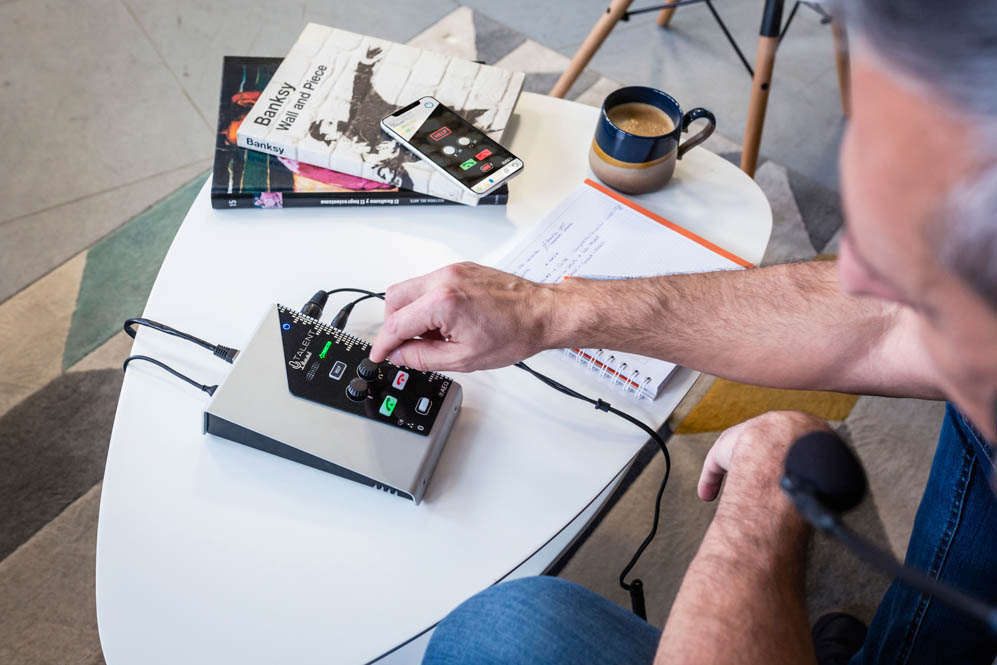
Talent, un audicodec IP ultracompacto
Por último, en IBC podremos asistir a demostraciones con Talent, un audiocodec con conectividad Bluetooth que posibilita producir radio desde cualquier lugar a bajo coste.
Permite conectar los micrófonos y auriculares de los participantes en un programa, desde casa o cualquier lugar, haciendo el sonido de las intervenciones casi indistinguible del generado en el estudio.
También permite realizar entrevistas telefónicas convencionales o, a través de aplicaciones como Skype, WhatsApp, Zoom y otras. Para enviar el audio a la emisora, se puede utilizar una conexión a Internet doméstica, o una conexión de datos inalámbrica 3G/4G/5G. Y si no hay conexión IP, a través del canal Bluetooth y un smartphone, se puede llegar al PC del estudio para insertar el audio en el programa.
Did you like this article?
Subscribe to our NEWSLETTER and you won't miss anything.
Related articles
 LTN and Harmonic bring their new unified workflow for FAST environments to NAB 2025
 EMG/Gravity Media builds remote workflow for Netball Super League 2024
 ASG powers remote workflow for premier sporting events with Dante Connect
 Blackmagic news for broadcast environments in the run-up to NAB 2023
 EVS estrena novedades para sus productos insigna en IBC 2022: LiveCeption, MediaInfra…
 CNC Medios (Chile) is committed to new remote work formulas with AEQ technology
 Mike Aiton relies on AJA equipment for remote video workflows
 Mediapro relies on HP technology for its operators and editors to work remotely
 Axle ai launches remote work solution for Avid Media Composer
 For-A virtually presents its latest innovations for 12G-SDI and IP environments
 Curved LED and transparent OLED, Leyard's main innovations for broadcast environments
 Area Broadcast professionals will be present at IBC 2019 to present their workflow proposal in production environments
 AJA demonstrates its innovations for UHD environments at the 4K Summit
 Eurocom offers solutions for 4K capture and workflows in IP environments at BIT