





SailGP: Riedel's technology with sea racing cars
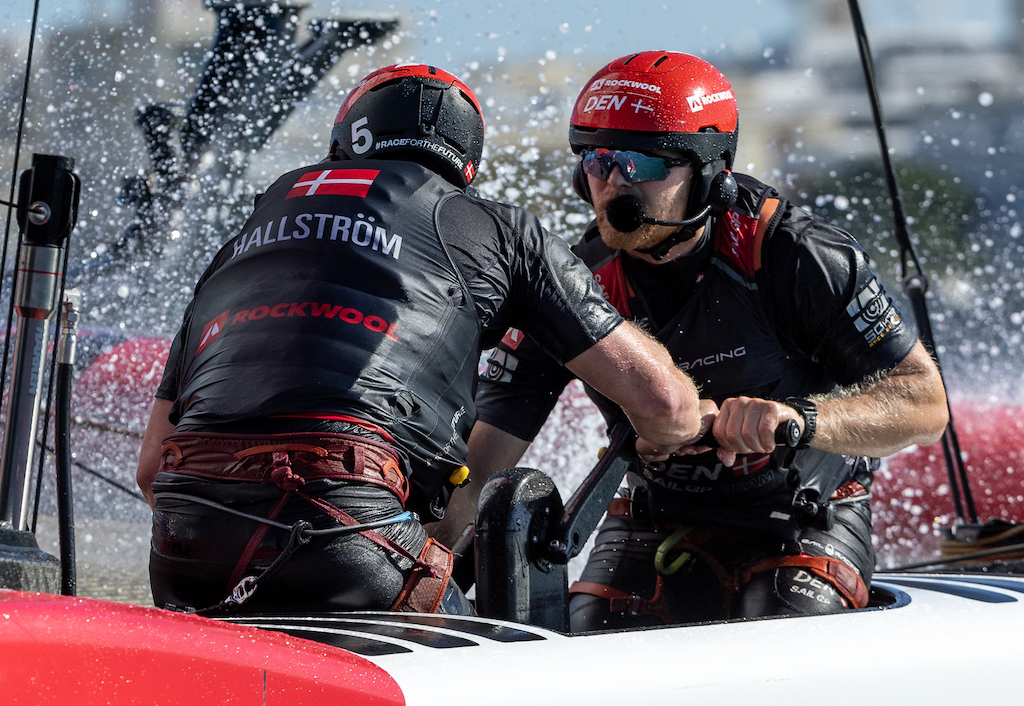

Warren Jones, CTO de SailGP, y Thomas Riedel CEO de Riedel Communications, analizan en esta videoentrevista la regata internacional en la que ocho de los catamaranes más rápidos del mundo compiten a casi 100 km/h “volando” sobre el mar compaginando velocidad y habilidad. Todo un reto tecnológico en cuanto a intercomunicación, transmisión broadcast y gestión de telemetrías.
SailGP es una competición deportiva naútica creada por Lawrence J. Ellison y Russell Coutts tras la derrota del equipo de Ellison, el Oracle Team USA, en la Copa América de 2017, para mantener el uso de los catamaranes AC50 en competición, pero con unos barcos exactamente iguales para todos los equipos, por lo que se eliminó toda modificación en los modelos, que pasaron a llamarse F50. Actualmente, en esta regala de auténticos bólidos del mar, propiedad de la organización, participan equipos de Australia, Japón, Estados Unidos, Gran Bretaña, Nueva Zelanda, Dinamarca, Francia, Canadá, Suiza y España, a los que se irán sumando otros países como Alemania en la próxima temporada.
Desde su estreno mundial en Sidney en febrero de 2019, SailGP ha apostado por soluciones innovadoras y respetuosas con el medio ambiente. En colaboración con partners tecnológicos como Riedel, Oracle y Timeline TV, este ambicioso proyecto despliega en cada prueba una producción remota con una cobertura televisiva extremadamente exigente que puede seguirse en un centenar de territorios.
En el caso de Riedel, su ADN está íntimamente ligado a las más exigentes pruebas deportivas como la F1 o la Red Bull Sky Racing. Con el nacimiento de la SailGP, el fabricante alemán volvía apostar por la velocidad ligada a la más alta tecnología en redes de datos, vídeo/audio e intercom, sumando en esta ocasión el reto de un entorno hostil como es el mar donde el viento, las distancias, y el propio agua salada determinan el éxito.
Es precisamente en estas exigentes pruebas en las que Riedel encuentra un terreno fértil para la innovación y la tecnología de próxima generación.
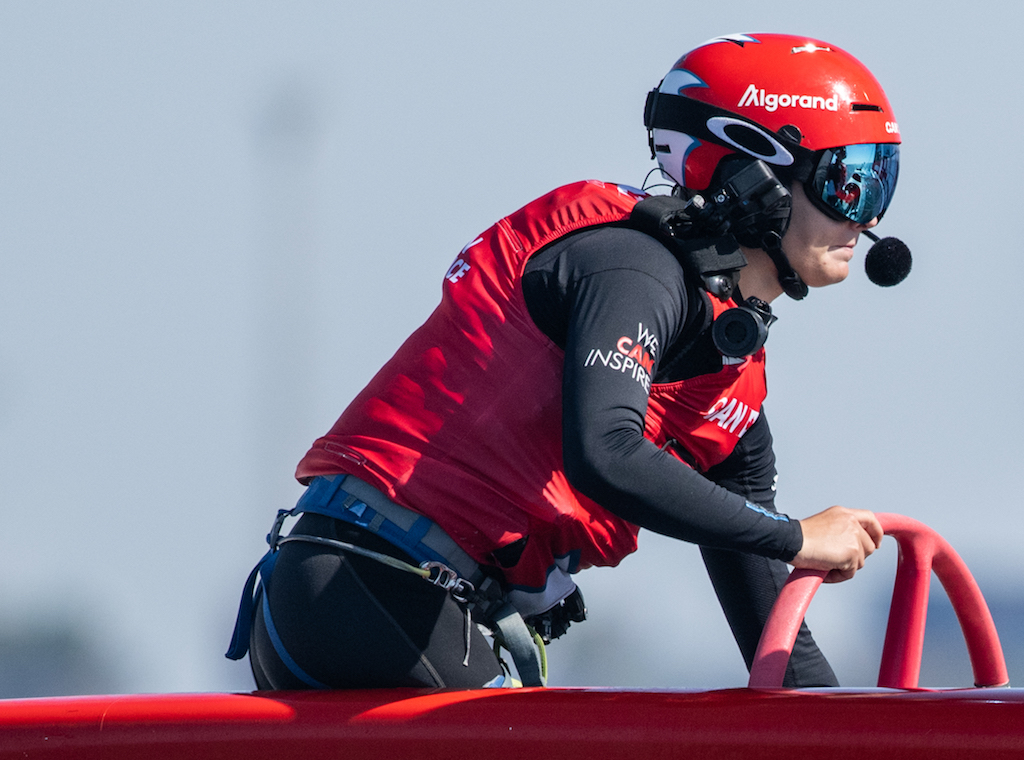 La infraestructura de radiofrecuencia desplegada por Riedel permite a SailGP desde una misma red troncal interconectar tanto los veleros de competición como las embarcaciones de apoyo, comité de regatas, cámaras, espectadores, helicóptero con cámara giroscópica Cineflex… El sistema se basa en la popular red de fibra MediorNet de Riedel, aunque en este caso se trata de una red única por radiofrecuencia que, al ser bidireccional, permite controlar el movimiento, la inclinación y el zoom de la cámara.
Tanto desde el Centro de Operaciones Remotas (ROC) en Wuppertal (Alemania) como localmente en la sede de cada regata, lo operadores pueden acceder a toda la configuración del sistema tanto en lo referido a señales de vídeo, audio, intercomunicación y datos. De este modo, el equipo puede supervisar y controlar los parámetros esenciales del equipo a bordo de los barcos de regatas, incluyendo el control de las cámaras, la configuración del audio, la transmisión de datos por GPS y gestión de las baterías, y ayudar al equipo in situ a optimizar el rendimiento del sistema.
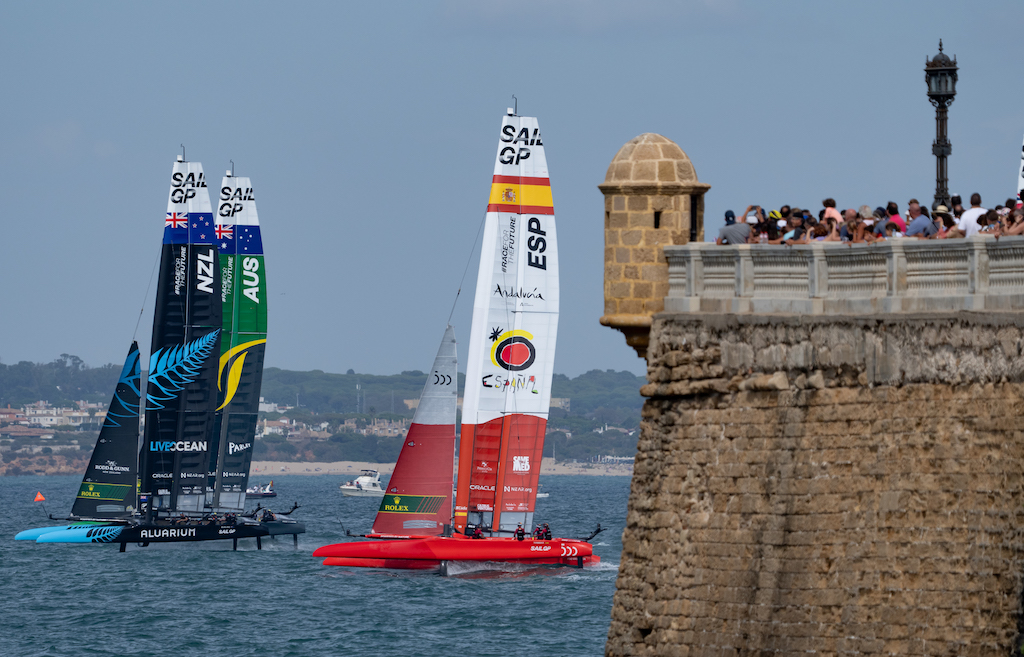
Producción remota
Para la producción de cada regata se emplean más de 40 fuentes de vídeo. Al miso tiempo, la tecnología LiveLine FX permite obtener impactantes gráficos en pantalla obteniendo la información desde los 1.200 puntos de datos que aportan cientos de sensores colocados en los barcos y en las propias tripulaciones.
The gestión datos en SailGP, como en cualquier otra competición deportiva al más alto nivel, resulta imprescindible para optimizar el rendimiento de los veleros, mejorar aspectos técnicos en el futuro, ayudar en el arbitraje y, por supuesto, dotar de mayor espectacularidad a la retransmisión gracias a la automatización de la realización y a realidad aumentada que representa todo el campo de regatas.
Los datos, que gestiona en tiempo real Riedel, permiten así la localización exacta de una embarcación pudiendo, incluso, vincular esa información a una cámara que trackeará al velero o abrir los micrófonos de la tripulación mediante un sistema de producción automatizada.
Entre las principales innovaciones de esta histórica producción remota se encuentran la integración de tecnologías de latencia superbaja y el diseño interno de equipos a medida, como las cámaras PTZ (Sony) estancas controladas por IP.
Toda la producción la lleva a cabo de forma remota Timeline desde Reino Unido, por lo que a cada regata en un punto del mundo se desplaza únicamente el personal necesario y los diferentes sistemas de captación. Tanto la propia realización como la gestión de datos para grafismo onair se lleva a cabo desde la sede de Timeline (distante en ocasiones a más de 16.000 kilómetros de donde se celebra la regata). El resultado es una experiencia 360 de acción trepidante sobre el agua para los aficionados.
SailGP está logrando un espectáculo deportivo y televisivo en lo que todo funciona como un reloj en el que las soluciones de Riedel son el engranaje perfecto.
De esta forma, SailGP está logrando un espectáculo deportivo y televisivo en lo que todo funciona como un reloj en el que las soluciones de Riedel son el engranaje perfecto.
El sistema de intercom de Riedel Bolero juega también un papel clave en las pruebas de SailGP ya que desde un mismo sistema dotado de 40 antenas DECT (en la banda de 1,9 GHz) la tripulación a bordo de los veleros puede hablar entre ella de forma privada, y con solo pulsar un botón comunicarse con otras embarcaciones en competición, equipos de apoyo en tierra o en el mar o intervenir, incluso, en directo en una entrevista durante la emisión.
Debido a las exigentes condiciones con fuertes rachas de viento y continuos rociones de agua, Riedel trabajó para adecuar los micrófonos como las petacas Bolero a este entorno.
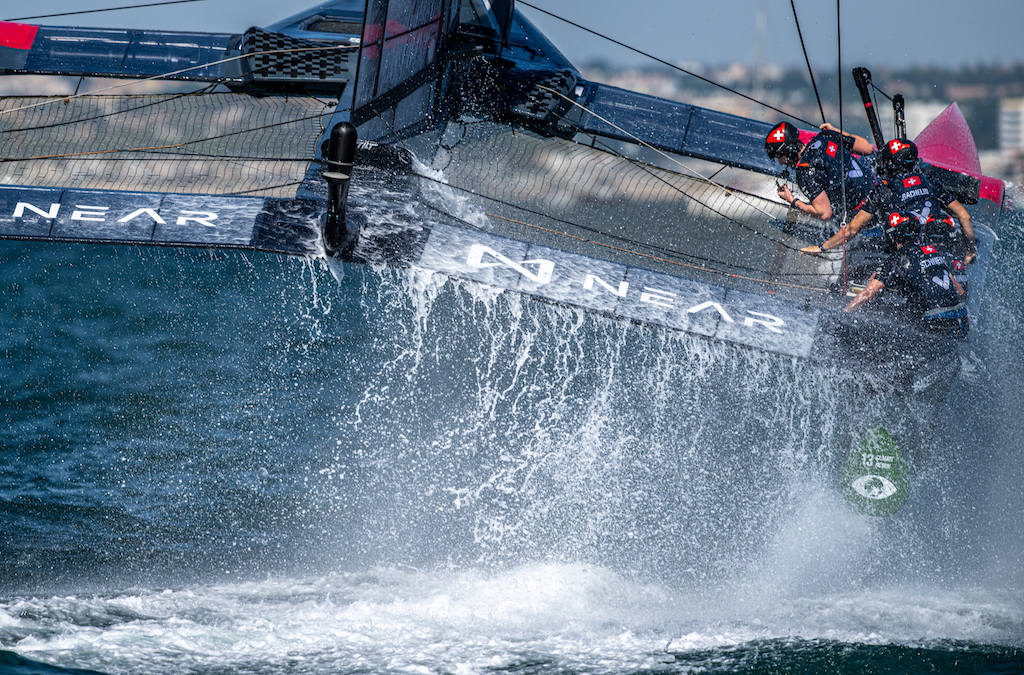
Comprometidos con la sostenibilidad
La tercera temporada de SailGP arrancó el pasado mayo en Bermuda, continuando en Chicago, Plymouth, Copenhagen y Saint-Tropez. Los pasados 24 y 25 de septiembre la competición recaló en Cádiz continuando su periplo el pasado fin de semana en Dubai, dando el salto a Nueva Zelanda ya en 2023.
SailGP está comprometida en reducir al máximo la huella de carbono por lo que la producción televisiva en remoto resulta determinante.
La organización de la prueba está comprometida en reducir al máximo la huella de carbono por lo que la producción televisiva en remoto resulta determinante en este objetivo. Mientras que anteriormente era necesario desplazar una veintena de contenedores con el material técnico, ahora, un único contenedor aloja el equipamiento técnico insitu conectado a través de los servicios en nube Oracle Cloud Infrastructure (OCI) con las instalaciones de Timeline en Reino Unido.
The red Oracle FastConnect permite llevar todas las señales de vídeo y audio de las regatas desde la otra punto del mundo (a veces a más de 16.000 kilómetros) hasta un estudio de televisión en Inglaterra con una latencia de menos de 40 milisegundos. Esta velocidad, fundamental en el tratamiento gráfico de la emisión, es también clave en la seguridad y previsibilidad en el ancho de banda dedicado.
Dado que SailGP tiene el objetivo de convertirse en un referente en sostenibilidad, el uso de estas tecnologías IP significa no sólo mover menos contenedores de transporte (apenas un centenar incluyendo las embarcaciones) por todo el mundo, sino también transportar menos personas a los sitios para ejecutar la producción televisiva.
https://www.youtube.com/watch?v=E_N1t6bmgE4
Did you like this article?
Subscribe to our NEWSLETTER and you won't miss anything.
Related articles
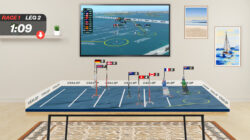 SailGP estrena app para ofrecer una vista estratégica de las regatas con tecnología AR
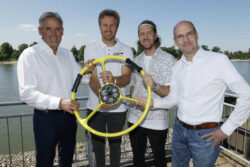 Thomas Riedel together with Sebastian Vettel and Erik Heil present the new German SailGP team
Thomas Riedel together with Sebastian Vettel and Erik Heil present the new German SailGP team
Thomas Riedel together with Sebastian Vettel and Erik Heil present the new German SailGP team
 Riedel se hace con la futurista tecnología de seguimiento LPM de Inmotio
 La tecnología de Riedel jugó un papel clave en los Campeonatos Europeos de Múnich 2022
 Riedel and Skyroads will combine drones with gyro cameras to bring a new dimension to SailGP
Riedel and Skyroads will combine drones with gyroscopic cameras to give a new dimension to SailGP
Riedel and Skyroads will combine drones with gyro cameras to bring a new dimension to SailGP
Riedel and Skyroads will combine drones with gyroscopic cameras to give a new dimension to SailGP
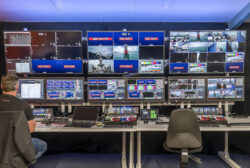 Riedel provides its latest technology to 360 coverage of the Copa América
 Lutz Rathmann regresa a Riedel para dirigir la división de Tecnología Gestionada
 La tecnología de Riedel brilló en los Juegos Panamericanos y Parapanamericanos en Toronto
 Riedel suministró su tecnología a Dock10 para el debate electoral británico
 Riedel, tecnología clave en redes e intercom para Endemol
 The German TVN updates its Ü2HD mobile for HD and 3D relying on Riedel technology
 Antena 3 renueva su intercom con tecnología de Riedel