





El festival japonés Fuji Rock llega a YouTube con soluciones de AJA
Varias soluciones de AJA desplegadas por la compañía Nouvelle Vague de Tokio han permitido al festival Fuji Rock celebrar su 25º aniversario con la emisión vía YouTube de varios de sus conciertos más destacados.
Para este festival de tres días, Nouvelle Vague desarrolló un workflow que incluyó la captura de los cuatro escenarios principales del recinto y la producción completa de la retransmisión oficial del festival, que sintonizaron 200.000 telespectadores. Aunque la calidad de la retransmisión era primordial para el éxito del evento híbrido, el equipo también quería capturar la máxima fidelidad de audio en todas las actuaciones, ya que las grabaciones también se entregarían a los artistas con fines promocionales.
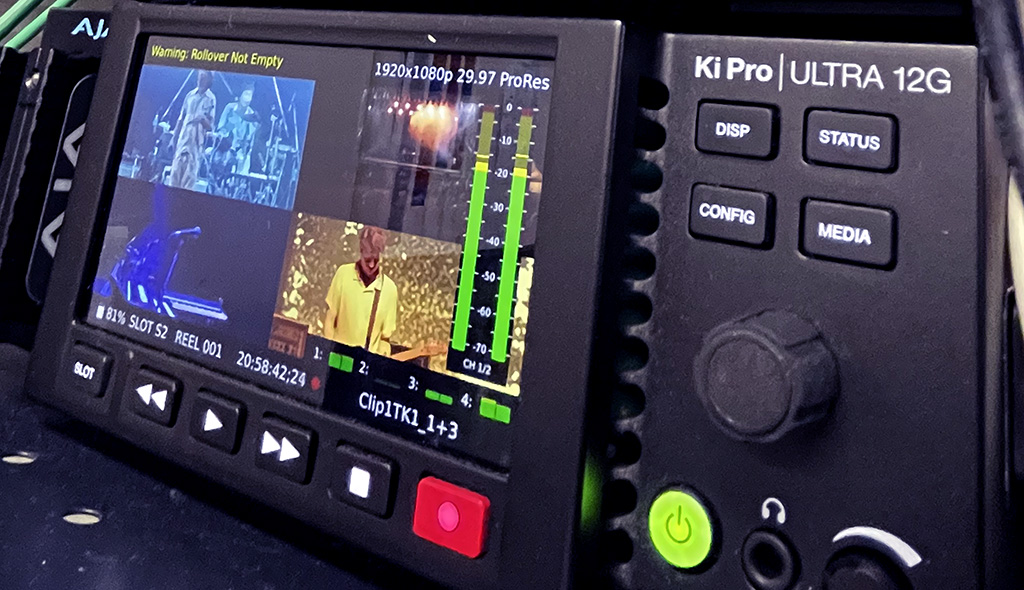
Masayoshi Ikeda, vicepresidente y director de Nouvelle Vague, colaboró activamente en el diseño del flujo de trabajo que unió el recinto de Fuji Rock (Naeba Ski Resort) con el centro de control principal de la compañía de servicios de producción. Para este propósito, Ikeda utilizó el FS4 of AJA para convertir las fuentes de vídeo a 29,97p para la ingesta y el streaming; Kumo 6464 para enrutar las señales; Io 4K Plus para la E/S editorial; Ki Pro Ultra 12G y Ki Pro GO para la grabación redundante de archivos Apple ProRes y H.264; OG-DANTE-12GAM para la incrustación y desconexión de audio utilizando Dante; T-Tap Pro para la salida desde el sistema de emisión, y Bridge Live para la codificación SDI y las salidas de streaming RTMP.
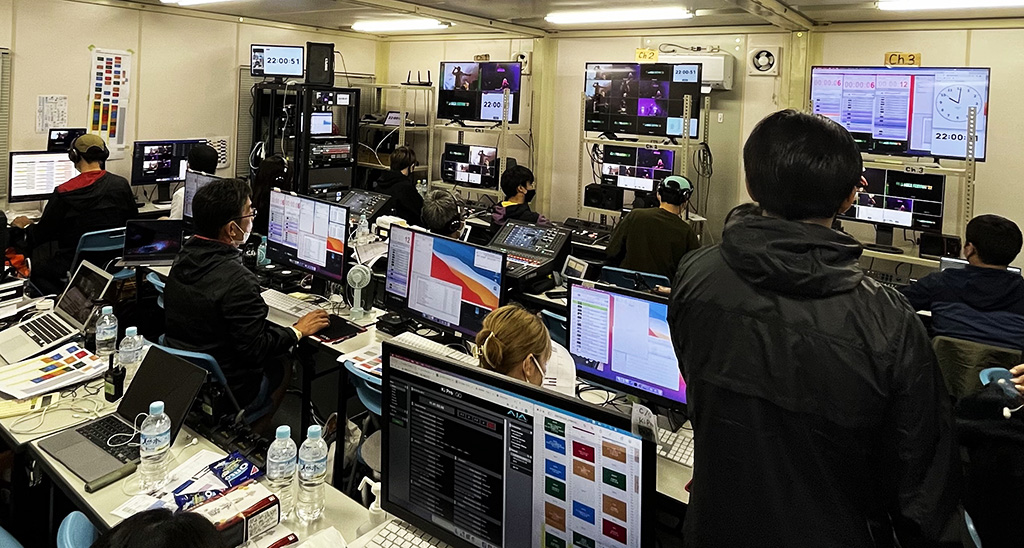
Flujo de trabajo de AJA en Fuji Rock
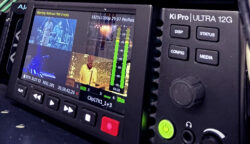
Para el sistema in situ del festival, Nouvelle Vague transmitió señales SDI 59.94i desde cada uno de los cuatro escenarios a FS4, que las convirtió a 29.97p para su ingesta y transmisión. Para enrutar las señales convertidas, utilizaron Kumo 6464, que proporcionó la flexibilidad necesaria para distribuir una única señal de vídeo a varios canales. El sistema de ingesta incluía Apple Mac Studio con Softron MovieRecord para capturar y grabar continuamente tres canales de las cuatro etapas (en total, siete fuentes) en un almacenamiento NAS. Para prepararse ante cualquier problema con la red NAS, el equipo utilizó Ki Pro Ultra 12G para la grabación redundante y la captura simultánea en banda base sin conexión a la red. También grabaron fuentes de los cuatro escenarios con Ki Pro GO como copia de seguridad.
To embeber y desembeber audio, el equipo utilizó ocho tarjetas OG-Dante-12GAM, un puente de audio openGear 12G-SDI embebido a Dante IP. Utilizaron dos tarjetas para la incrustación de audio en cada escenario, dos para la emisión, dos para incrustar la salida del programa, una para incrustar los vídeos de reproducción en bucle (que se emitirían durante los intervalos de la emisión en YouTube) y una para las copias de seguridad.
Durante el festival, los editores montaban las actuaciones para la emisión inmediatamente después de la captura. En este punto, Io 4K Plus se utilizaba para ingerir las grabaciones en red en los DCC. Para la emisión, el equipo generó los vídeos finales editados con la solución OnTheAir de Softron para la producción en directo, con T-Tap Pro gestionando la salida. Bridge Live gestionó la codificación y el streaming simultáneo en YouTube con tres canales RTMP.
 El IP, clave para Fuji Rock
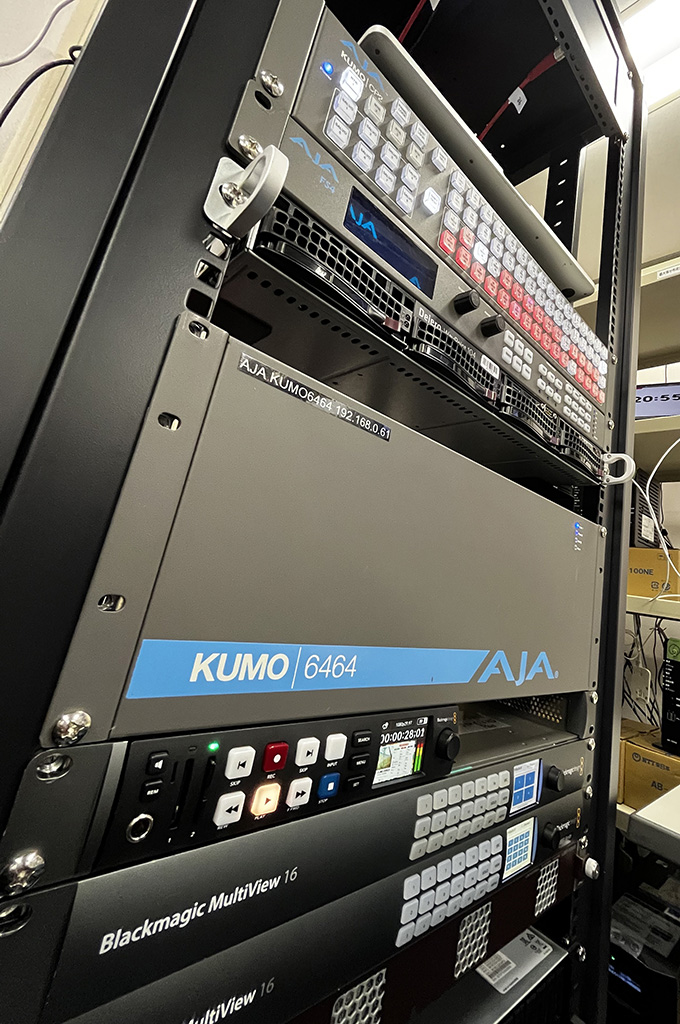
Nouvelle Vague comenzó la transición a los flujos de trabajo IP el año pasado. A día de hoy, ya ha consolidado un sistema de audio que utiliza Dante para manejar fácilmente redes a gran escala, ayudando a reducir los costes del sistema. El equipo integró OG-DANTE-12GAM para eliminar el proceso de conversión de SDI a audio analógico y, al mismo tiempo, minimizar el deterioro de la calidad del sonido. El equipo integró Bridge Live para disponer de una solución de streaming flexible que funciona con HLS, SRT y RTMP. “Elegimos Bridge Live porque preferimos los productos de AJA por ofrecer compatibilidad y estabilidad de grado broadcast”, remarca Ikeda.
El equipo de AJA considera que la retransmisión de Fuji Rock 2022 fue todo un éxito, ya que supuso una mejora del ancho de banda de la red y la incorporación de Mac Studio para grabar hasta ocho canales a 60p, ofreciendo una mayor estabilidad del sistema. En un futuro cercano, Nouvelle Vague pretende integrar aún más las tecnologías de flujo de trabajo IP en su sistema y ampliar sus capacidades para ofrecer transmisión SRT con operaciones in situ. Al vincular las fuentes de las sedes de los eventos a su nOOb Studio en Tokio, el equipo seguirá desarrollando un flujo de trabajo remoto para la grabación, edición y transmisión, al tiempo que reduce los costes de producción. Tal y como subraya Ikeda: “Lo importante es considerar todas las posibilidades de tu entorno de producción e implementar nuevas tecnologías o productos para innovar tu flujo de trabajo y producir contenidos de primera clase”.
https://vimeo.com/770924937?embedded=true&source=vimeo_logo&owner=1661714
Did you like this article?
Subscribe to our NEWSLETTER and you won't miss anything.
Related articles
 El director japonés Hayao Miyazaki inaugurará la 71ª edición del Festival de San Sebastián
 Aret's latest mobile unit, loaded with Lawo solutions, arrives at IBC 2023
 Japan’s Fuji Rock festival hits YouTube with AJA solutions
 La nueva liga de fútbol de El Salvador llega a las pantallas con soluciones de Dejero
 El ecosistema cloud Ci de Sony llega a las soluciones de Teradek
 Sennheiser llega a NAB 2022 dispuesta a aportar nuevas soluciones inmersivas para el mundo broadcast
 The Spanish program 'Mister Underdog' comes to YouTube with solutions from Blackmagic Design
 El 4K llega al Festival de San Sebastián con Hispasat
 Llega la cuarta edición del Festival Internacional Timelapse Showfest
 RodeLink: llega la nueva familia de soluciones inalámbricas del fabricante australiano
 El cambio generacional en el cine español llega al Festival de San Sebastián
 El Festival Español de Web Series llega a la Sala Berlanga
 Google llega a un acuerdo para poner en marcha Freesat TV en YouTube
La fiebre de la estereoscopía llega a YouTube
Google llega a un acuerdo para poner en marcha Freesat TV en YouTube
La fiebre de la estereoscopía llega a YouTube