





Volinga integra disguise para la creación de contenidos 3D basados en IA
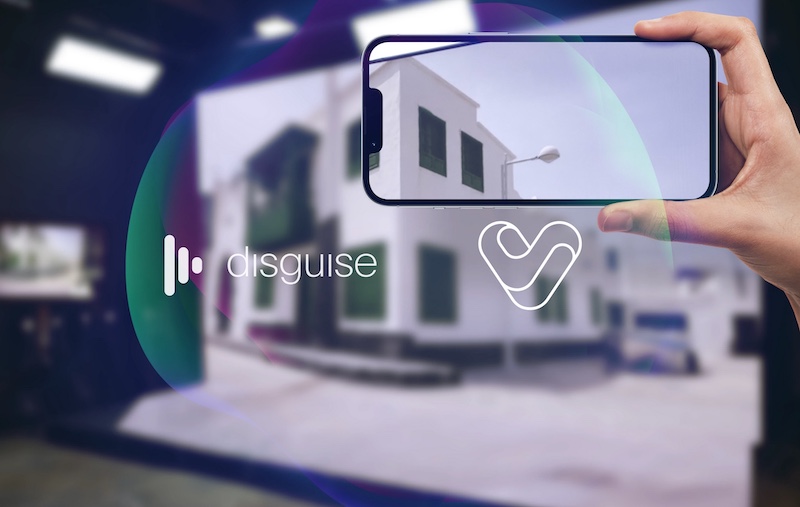
La integración de la tecnología de disguise con la plataforma SaaS basada en IA de Volinga permitirá a los cineastas y especialistas en producción virtual generar entornos 3D en cuestión de minutos.
Los usuarios ahora pueden capturar contenido 2D del mundo real con sus teléfonos, subir el material a la plataforma de IA de Volinga y, a través del protocolo bidireccional RenderStream, traducirlo en escenas virtuales inmersivas con las que cualquiera en el set puede interactuar.
Esta propuesta permitirá recrear entornos rodados en exteriores utilizando un volumen de producción virtual. Los usuarios pueden simplemente cargar sus grabaciones telefónicas a través del plugin Volinga RenderStream, y modificar el clima, o la atmósfera de una escena sin tener que recrearla en 3D desde cero. Las escenas pueden ejecutarse fácilmente en tiempo real sin apenas optimización, lo que reduce el largo trabajo de preproducción.
Este flujo de trabajo sin fisuras utiliza NeRFs, una tecnología de IA transformadora que permite capturar y representar escenas 3D a partir de imágenes 2D. Al ofrecer un proceso robusto y fácil de usar para la generación de contenidos 3D, supera los cuellos de botella habituales en los flujos de trabajo de VFX y producción virtual, como la extensa creación de activos 3D y la compleja fotogrametría.
El pipeline integral de Volinga Suite permite también la creación eficiente y rápida de entornos 3D con el efecto de paralaje completo, que es esencial para las perspectivas dinámicas y la profundidad en un entorno 3D. Gracias a ello, los directores de fotografía pueden mover la cámara libremente en un plató de producción virtual, sin ninguna restricción.
Con esta nueva integración, los usuarios de Disguise y Volinga pueden crear y navegar fácilmente por entornos 3D para producción virtual, lo que reduce drásticamente el tiempo y el esfuerzo necesarios para crear entornos 3D. Esto supone un enorme cambio en las capacidades de producción virtual”.
Fernando Rivas-Manzaneque, cofundador de Volinga, comenta que “hasta ahora, más de 700 usuarios de la versión beta han proporcionado comentarios optimistas, destacando la importante reducción de tiempo y presupuesto necesaria para crear entornos fotorrealistas. Por ejemplo, podrían capturar una escena en un día nublado y cargar el NeRF en motores de contenidos como Unreal Engine”.
“Al proporcionar soporte nativo para la IA generativa 3D disfrazada, facilitaremos el proceso de captura, manipulación y visualización de entornos 3D, llevando técnicas antes exclusivas de producciones de alto presupuesto a producciones de presupuesto medio y bajo. Esto impulsará la adopción de la creación de gemelos digitales y democratizará la producción virtual para todos”, añade.
Peter Kirkup, director de soluciones en disguise, señala que “para empezar, descarga el plugin disguise RenderStream para Volinga, sube imágenes o vídeos de un entorno 3D a la plataforma Volinga.ai y conviértelos en un NeRF. Esto será en forma de un archivo NVOL que se puede renderizar tanto en Unreal Engine como en el software disguise RenderStream para su uso en sets virtuales”.
https://vimeo.com/844173892
Did you like this article?
Subscribe to our NEWSLETTER and you won't miss anything.
Related articles
 Los Toledo Athletics revolucionan la creación de contenidos con Vū One
 Volinga Capture Network: global initiative to boost 3DGS production
 Volinga, NeRF professional suite for virtual production and VFX, releases desktop version
 LA Clippers (NBA) launches content creation workflow for HR. H.H. with the Atomos Ninja Ultra
 Essential keys to improve content creation and collaboration
 Xite Labs creates virtual worlds based on Unreal Engine with Disguise xR
 Avid, Microsoft and Disney join forces to strengthen the creation, production and distribution of content in the cloud
 Sony exhibits its latest proposals for content creation, production and management at the Technology Days
 BINCI investiga nuevas herramientas de producción para fomentar la creación de contenidos de sonido 3D
 HP, Nvidia and HTC take another step towards the creation of virtual reality content
 Samsung impulsa la creación de contenidos en 360 con el lanzamiento de la cámara Gear 360
 VSNExplorer integrates with Baton to automate the quality control of the content it manages
 LaCie to showcase its latest storage solutions for content creation professionals at IBC
 Máster de Creación y Gestión de Contenidos Audiovisuales Telecinco-UEM