





Essential keys to improve content creation and collaboration


Los problemas de flujo de trabajo y los cuellos de botella técnicos forman parte de las preocupaciones actuales del mundo de la producción, pero ¿qué se puede hacer para solucionarlos? Skip Levens, director de marketing de producto del área de medios y entretenimiento de Quantum, desglosa sus principales retos y explica cómo los productores de contenidos y los creativos pueden afrontar estos desafíos.
The industria broadcast actual se encuentra en un fantástico estado de forma en lo que respecta a la innovación tecnológica y la creatividad de sus integrantes. Los programas de televisión pueden permanecer en antena durante 24 horas sin una sola interrupción. Muchos programas consiguen hacerlo durante años sin dejar de ser atractivos para los espectadores y los anunciantes. Es un entorno de alta presión, con restricciones presupuestarias cada vez más estrictas y exigencias creativas cada vez mayores. Toda esta presión alcanza cotas aún mayores durante acontecimientos mundiales clave como la pandemia de la COVID-19, que perturbó por completo los flujos de trabajo de producción existentes.
A pesar de todo, el consumo mundial de vídeo y la demanda de contenidos atractivos y de alta resolución aumentaron el año pasado en más de un 60%. He vídeo se ha convertido en la nueva normalidad y en el medio más eficaz para entretener, formar e interactuar con el público, gracias a las series fantásticas para ser devoradas en maratones, películas inmersivas y películas de animación disponibles a través de numerosos servicios de streaming OTT.
Todo esto pasa factura. Con la demanda de contenidos nuevos, presupuestos más ajustados y equipos globales más grandes, los productores se ven obligados a replantearse la forma de crear y ofrecer contenidos. Ahora, el foco se pone en cómo construir flujos de trabajo más flexibles y fiables que permitan a los equipos de producción mantener el control de los flujos de trabajo de ingesta de contenidos en bruto y acceder rápidamente a los archivos a largo plazo desde cualquier lugar y en cualquier momento. Acelerar la producción y permitir que los equipos piensen de forma más creativa son otros factores fundamentales que deben ser estudiados con detenimiento. ¡Los productores de contenidos no lo tienen nada fácil!
Pero, por suerte, hay formas de facilitar los contenidos y la colaboración siguiendo estos sencillos pasos.
Los requisitos de producción están cambiando
Lo primero es lo primero: todos los creativos que participan en el trabajo de producción tienen que hacerse a la idea de que los requisitos del flujo de trabajo están cambiando para mejor. Durante años se ha puesto sobre la mesa la necesidad de contar con presupuestos más ajustados y de conocer a la perfección qué contenidos son los que exigen los espectadores (en general, tener menos. pero hacer más). La buena noticia es que tanto la tecnología como las soluciones más vanguardistas nos ayudan a lograr estos objetivos.
He vídeo se ha convertido en la nueva normalidad y en el medio más eficaz para entretener, formar e interactuar con el público.
La pandemia también sirve como recordatorio de que nuestra industria debe prepararse para modelos de trabajo flexibles, una colaboración remota más eficiente, y, en definitiva, poder producir contenidos y gestionar un proyecto desde cualquier lugar. Cada miembro del equipo de producción debe poder trabajar con los contenidos y colaborar con sus compañeros (sin importar el lugar en el que se encuentren) durante la fases de edición. Los broadcasters, las empresas de postproducción, las divisiones corporativas audiovisuales y los estudios de animación y efectos visuales necesitan poder ingestar contenido rápidamente al tiempo que cuentan con un acceso constante a todos los assets en cada fase de los procesos de producción y gestión de activos. Paralelamente, las organizaciones también ser capaces de preservar los contenidos para su uso futuro y protegerlos de posibles daños o pérdidas, así como para poder acceder a ellos con facilidad para crear nuevo contenido, utilizarlo en retrospectivas, etc.
No es tan sencillo crear equipos de colaboración
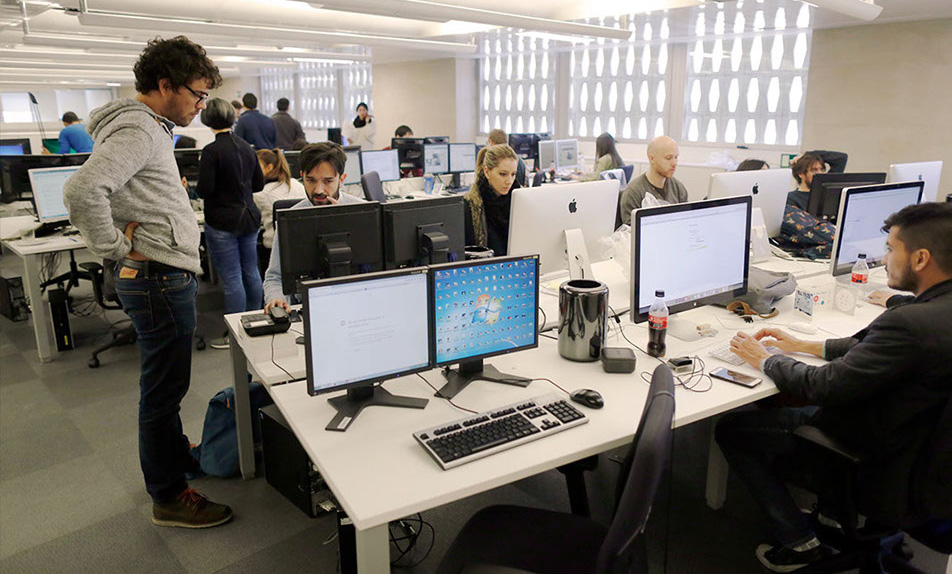
No es ningún secreto que el sector de los medios de comunicación se mueve a un ritmo vertiginoso. Producir material de alta calidad a tiempo nunca es tarea de una sola persona, sino que requiere la colaboración de varios departamentos. Si se tiene en cuenta el número de personas que intervienen desde el principio hasta el final, es evidente que resulta difícil crear un flujo de trabajo racionalizado.
La creación de nuevos equipos, la realización de nuevos proyectos, la organización de eventos en directo o la colaboración en la producción pueden resultar exigentes si el entorno de producción no es lo suficientemente ágil. Es esencial que los entornos de producción permitan evolucionar de manera constante. También deben ser capaces de adaptarse al creciente número de miembros del equipo, los cuales pueden estar ubicados en diferentes lugares del mundo y utilizar diversas plataformas operativas y aplicaciones. Y, por encima de todo, el entorno de producción debe ser adaptable; es decir, debe estar preparado para configurarse de forma rápida y eficaz para satisfacer las necesidades de producción y colaboración del equipo.
Los flujos de trabajo desarticulados pueden ser costosos
A medida que aumenta la demanda de generación de contenidos, también lo hace la presión sobre los equipos de producción. Los equipos de todo el sector se centran en completar los proyectos y pasar a la siguiente tarea. Como resultado, los flujos de trabajo pueden quedar desarticulados, lo que significa que contenidos potencialmente valiosos y sin procesar pueden perderse fácilmente o ser difíciles de gestionar. Esta falta de integración puede plantear graves problemas a la productividad general de un equipo, ya que se pierde tiempo innecesariamente buscando lo que necesitan. Para ayudar a abordar este problema, las empresas deben adoptar un enfoque activo cuando se trata de controlar la dispersión de contenidos.
He principal reto para las empresas de producción pasa por decidir cómo y dónde almacenar sus contenidos y archivos de proyectos, los cuales no dejan de crecer.
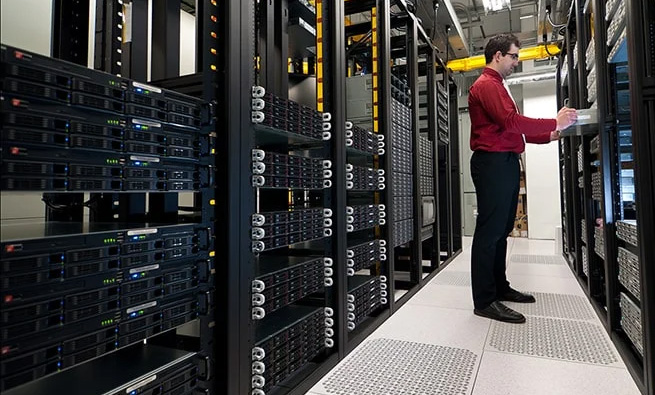
Las empresas deben asegurarse de contar con una visión clara del contenido en toda su organización; sus operaciones se deben encontrar en un entorno de almacenamiento conectado y compartido, así como disponer de un sistema de archivos con data movers incorporados para capturar el contenido en una única plataforma. Este enfoque no solo permitirá a las empresas tener una visibilidad clara en todo el flujo de trabajo, sino que también facilitará la búsqueda y gestión de contenidos.
Llevar al día archivos en constante crecimiento
Cuando se trata de almacenar contenidos, es fácil caer en los malos hábitos. A menudo se tiende a trasladar los archivos del almacenamiento compartido a sistemas sin conexión pensando que “ya me acordaré de dónde los puse”, sobre todo cuando se trata de grandes archivos de contenidos y proyectos. Sin embargo, esta “solución” rápida suele crear aún más problemas a los equipos de producción. Al pasar los archivos a sistemas sin conexión, se elimina la posibilidad de acceder rápida y fácilmente a los contenidos para nuevos flujos de trabajo o para reutilizarlos en otros proyectos.
Por tanto, el principal reto para las empresas de producción pasa por decidir cómo y dónde almacenar sus contenidos y archivos de proyectos, los cuales no dejan de crecer. Para dar cabida a los grandes volúmenes de contenidos y archivos de proyectos, se necesita una única plataforma de almacenamiento de flujos de trabajo que conecte todas las ubicaciones y tipos de almacenamiento donde se necesiten los activos con un solo clic. Para garantizar un flujo de contenidos sin fisuras a través del almacenamiento, desde NVMe o SSD until HDD, cinta o cloud, la plataforma elegida debe permitir el acceso continuo a los contenidos y permitir la consolidación de los contenidos en bruto y terminados en una sola plataforma.
Elegir la plataforma de almacenamiento adecuada
Además de todos estos desafíos, hay un reto adicional: escoger la plataforma de almacenamiento adecuada. A medida que aumenta la producción de contenidos, los sistemas deben ser capaces de seguir el ritmo; de no ser así, las compañías simplemente no podrán hacer frente a la demanda. Sin embargo, no es una tarea sencilla. Muchas empresas de producción tienen dificultades para elegir la plataforma de almacenamiento adecuada que les permita aumentar o reducir su volumen de trabajo o adaptarse a sus necesidades específicas en materia de flujos de trabajo. No existe una única solución que sea capaz de abordar con éxito toda la casuística relacionada con el almacenamiento.
A la hora de seleccionar una plataforma de almacenamiento, las organizaciones deben anticiparse a las demandas futuras y plantearse las preguntas adecuadas para garantizar que la solución que elijan evolucione y se adapte a unos requisitos que cambiarán de manera constante. Nunca hay que subestimar el valor de una plataforma de almacenamiento preparada para que los medios de comunicación crezcan y prosperen.
A la hora de seleccionar una plataforma de almacenamiento, las organizaciones deben anticiparse a las demandas futuras y plantearse las preguntas adecuadas
A medida que el sector de los medios de comunicación evoluciona, también lo hacen los retos a los que se enfrenta. La visión creativa y la calidad de los contenidos serán lo que defina a una marca y su compromiso con la audiencia. Dado que los flujos de trabajo de los medios de comunicación cambian constantemente, las organizaciones deben tomar las medidas adecuadas para garantizar la existencia de flujos de trabajo eficientes y racionalizados. Si se cuenta con soluciones de almacenamiento y flujo de trabajo modernas, en lo que se refiere a la producción de contenidos, todo es posible.
Skip Levens
Director de marketing de producto del área de medios y entretenimiento de Quantum

Did you like this article?
Subscribe to our NEWSLETTER and you won't miss anything.
Related articles
 Vubiquity updates its MetaVU platform to improve content monetization
 EGEDA: collaboration agreement with Segofinance to improve access to financing
 LA Clippers (NBA) estrena workflow de creación de contenidos para RR. SS. con los Atomos Ninja Ultra
 The UPM launches a chair together with Video-MOS to improve the QoE of the consumer of audiovisual content
 Volinga integra disguise para la creación de contenidos 3D basados en IA
 Avid, Microsoft and Disney join forces to strengthen the creation, production and distribution of content in the cloud
 Sony exhibits its latest proposals for content creation, production and management at the Technology Days
 ZOO Digital proposes facial recognition to improve content protection
 BINCI investiga nuevas herramientas de producción para fomentar la creación de contenidos de sonido 3D
 RTVE and the Polytechnic of Madrid renew their collaboration agreement to promote the technological development of audiovisual content
 Avid Interplay MAM enables the largest Belgian broadcaster to improve collaboration and efficiency
 La producción y difusión de contenidos por IP y nuevas cámaras de 4K: claves de JVC para IBC 2014
 LaCie exhibirá en IBC sus últimas soluciones de almacenamiento para los profesionales de creación de contenidos
 VSN y Flumotion abren una línea de colaboración para publicación automática de contenidos multidispositivo