





Laura Fernández (Filmax): “La división de producción ha salvado a la distribución, y viceversa”
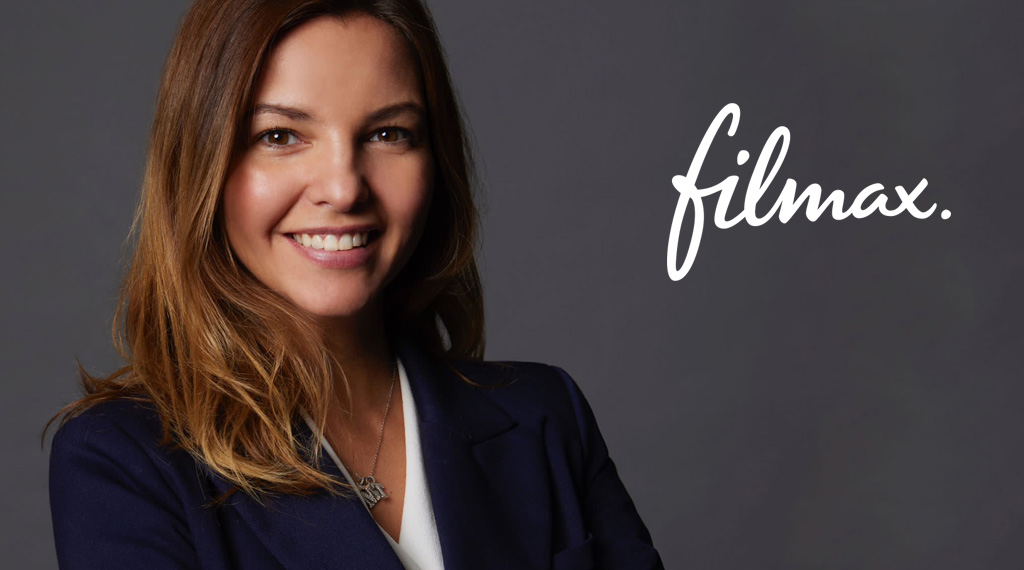

Filmax celebra su 70º aniversario ratificando sus principios y jugando un papel de player global en el mundo cinematográfico, al tiempo que multiplica sus esfuerzos en la producción, distribución, exhibición y ventas internacionales de películas y series. Laura Fernández, productora y adjunta a la dirección, parte del análisis de Filmax para terminar por radiografiar un sector que requiere una actualización a las actuales y próximas tendencias del audiovisual.
Pocas compañías cuentan con una trayectoria consolidada en la producción y la distribución audiovisual como Filmax. Nacida en 1953, la compañía ocupó sus primeras tres décadas de vida a la distribución de películas estadounidenses, a la que se unió unos primeros pasos en el mundo de la producción. No obstante, la verdadera revolución llegó en 1987, cuando Julio Fernández adquirió la marca para iniciar un camino de diversificación que lo llevó a lanzarse a los mercados del vídeo y la televisión con energías renovadas. Después, llegaron nuevas oportunidades, like producir contenido de género fantástico para mercados internacionales a través del sello Fantastic Factory; internalizar la compañía con la división Filmax International Sales, o inaugurar salas de cine, tomando como primer ejemplo el multisalas Filmax Granvía con 15 pantallas en el centro comercial Gran Vía de L’Hospitalet (Barcelona) en 2001, todavía en activo.
 Estos renovados cimientos han permitido a la productora llegar a 2023 con un palmarés que reside en el imaginario colectivo de varias generaciones: películas como El Maquinista, El Perfume, [REC], Musa, Pan de limón con semillas de amapola o la reciente La Ermita; series como Polseres vermelles, Benvinguts a la familia, Todos mienten, Feria o Selftape; cintas de animación como Copito de Nieve, El Cid: la leyenda, Pérez, el ratoncito de tus sueños o La gallina Turuleca, y la distribuir de más de 800 películas nacionales e internacionales.
Esta extensa trayectoria y el perfil multidisciplinar de Filmax no tranquilizan a Laura Fernández, adjunta a la dirección y una de las productoras principales de la compañía. En esta entrevista, lejos de asentarse en logros históricos, transmite los próximos objetivos de la empresa, los cuales pasan por lograr identificar el talento, las temáticas y los caminos para seguir siendo relevantes en una industria condenada a superar un desafío tras otro.
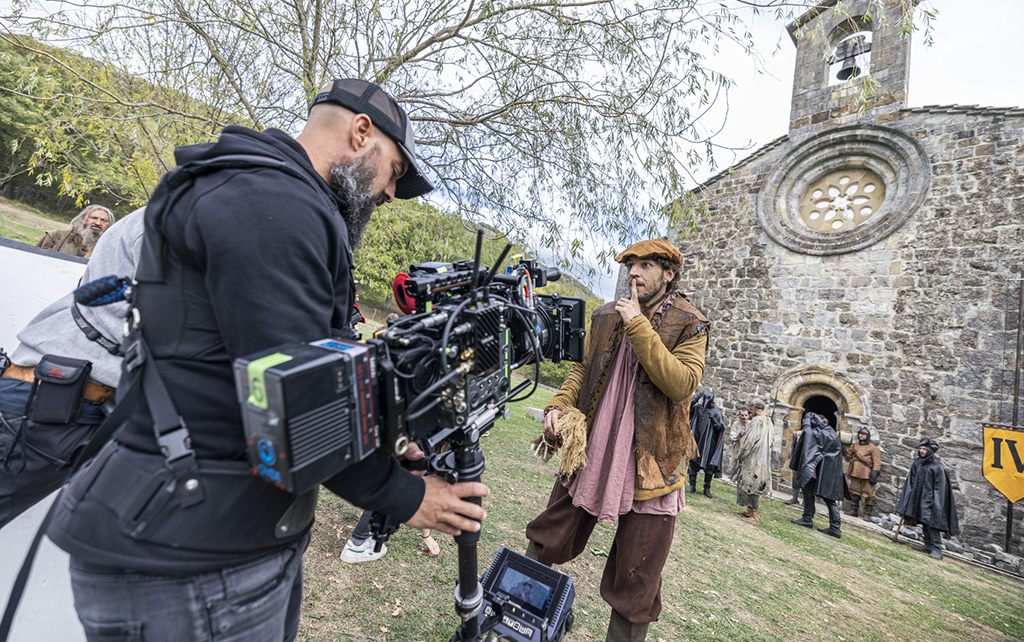
Motivos para la celebración
La elección de celebrar una efeméride u otra no es baladí. ¿Por qué ha decidido Filmax dar tanto impulso a su 70º aniversario?
La verdad es que no fue algo premeditado. Podríamos haber esperado unos años más, pero alcanzar los 70 años no es fácil. Y menos después de tantas crisis que se dicen que ha pasado el cine. Nos parecía que era el momento de darle impulso no solo para nosotros, sino también para la industria. Estamos en todas las fases del negocio. En desarrollo, trabajando con muchos guionistas y talento nuevo; en distribución, de la mano de muchos productores con los que se establece relaciones de confianza mutua, y también en la parte de producción.
Todo ello nos ha llevado a decidir celebrarlo entre todos. Es un momento de encontrarnos y de estar entre amigos. No podemos ser distribuidores si no hay productores que confíen en nosotros, y nosotros no podemos producir si no existen una serie de entidades, televisiones o plataformas. Al final, nuestro 70º aniversario se ha convertido en una fiesta en la que nos encontramos la industria cinematográfica, profesionales, amigos y familias para celebrar el cine.
¿Considera que la industria audiovisual necesita más momentos de celebración, con el fin de ser más optimistas para poder afrontar el futuro con una visión diferente?
Como productora, soy optimista por naturaleza. Creo que los productores tenemos que serlo. El cine ha atravesado varias fases. Se decía que iba a desaparecer al poder ver las películas en casa o con la llegada de las plataformas. Yo creo que siempre estarán. Podrán cerrar salas, y de hecho había demasiadas salas, pero la industria pervivirá siempre que el empresario cuide sus salas, invierta en ellas y esté atento a nuevas tecnologías.
“La industria del cine pervivirá siempre que el empresario cuide sus salas, invierta en ellas y esté atento a las nuevas tecnologías”.
Nosotros, por ejemplo, hemos hecho una inversión importante para traer a nuestras salas el 4DX. Quizá hay otros cines que no pueden invertir en esta tecnología, como unas salas del centro de una ciudad. Pero en esos casos es tan fácil como invertir en tus butacas. A veces voy a un cine y digo: ostras, da pena…
¿Cree que se debería, por tanto, cuidar mejor la experiencia de asistir a una sala de cine?
Hay que cuidar todos los detalles. Desde diferentes colas según las necesidades, a elementos como la limpieza o lavabos. La experiencia general es muy importante, pero el estreno de películas como Oppenheimer o Barbie te dan esperanza. Esta última película ni Warner sabía muy bien cómo estrenarla y, al final, se ha convertido en un fenómeno mundial. Da que pensar: no todo es 4DX, sino que una película normal, de las de toda la vida, también puede funcionar.
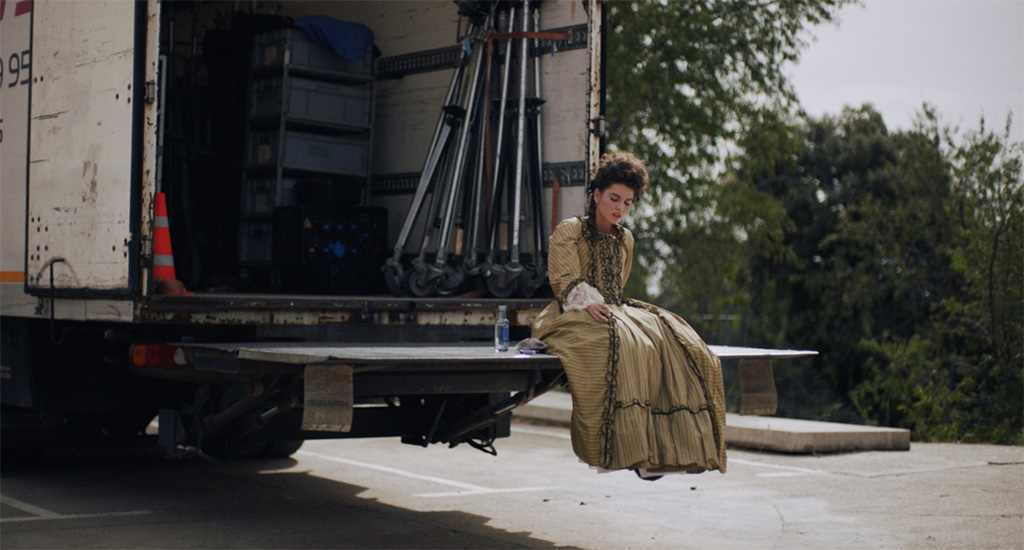
Lugares en los que nacen las historias
Regresando al aniversario de Filmax, uno de los mensajes que más se ha transmitido es su intención de continuar apostando por las historias al igual que se ha hecho durante los últimos 70 años. ¿Esa continuidad es plausible en el contexto de la producción y distribución actual? ¿Es necesario modificar la metodología o los procesos para asegurar la continuidad de compañías como la suya?
Para continuar este camino, lo primero es estar muy cerca de la actualidad y de lo que está pasando. Las nuevas tecnologías, redes sociales, los jóvenes… Todo esto hace que aparezcan historias en lugares que antes no existían. Tradicionalmente, las historias han llegado de ideas originales, una noticia o una novela. Ahora aparecen nuevos programadores y lugares en los que crean estas historias: en las plataformas, los jóvenes tienen altavoces para difundir historias que antes solo podían dar a conocer si una editorial confiaba en ellos, por ejemplo. Estamos obligados a ver qué es lo que se lleva, qué es lo que no se lleva. Aunque esto es problemático, porque puedes empezar un proyecto hoy, pero lo cierto es que no saldrá hasta dentro de tres años (risas).
Quizá la línea resida más en identificar líneas de trabajo y no tanto temáticas concretas.
Así es, como esos lugares que comentaba en los que están los chavales escribiendo sus relatos o en los propios podcasts, que antes no existían y, de repente, ya se hacen series basadas en formatos como El Gran Apagón. Por eso, diría que hay que seguir haciendo lo que siempre hemos hecho, pero muy ligados a la actualidad.
“Hay veces que escuchas que “el terror español no funciona”, como nos han transmitido algunos exhibidores. A lo mejor es la película la que no era buena”.
Luego, hay géneros como el terror que siempre van a funcionar. Hay veces que escuchas que “el terror español no funciona”, como nos han transmitido algunos exhibidores. A lo mejor es la película la que no era buena. Es verdad que ya no existe como tal nuestro sello Fantastic Factory, pero sí seguimos haciendo películas con esta filosofía. Musa de Jaume Balagueró (2017) forma parte de esa herencia, como No Matarás de David Victori (2020), La ermita de Carlota Pereda (2023) o El nido de Hugo Stuven (en desarrollo), un proyecto en el que ha entrado RTVE y Movistar+, y que esperamos rodar el año que viene.
También hemos ampliado nuestra visión. Por ejemplo, aunque hace ya años que empezamos con las series de ficción, como Manolito Gafotas (Antena 3, 2001), ahora hemos vuelto a apostar por ellas con la llegada de las plataformas y con la incorporación de Pau Freixas como showrunner e Iván Mercadé en el rol de director de guionistas de televisión.
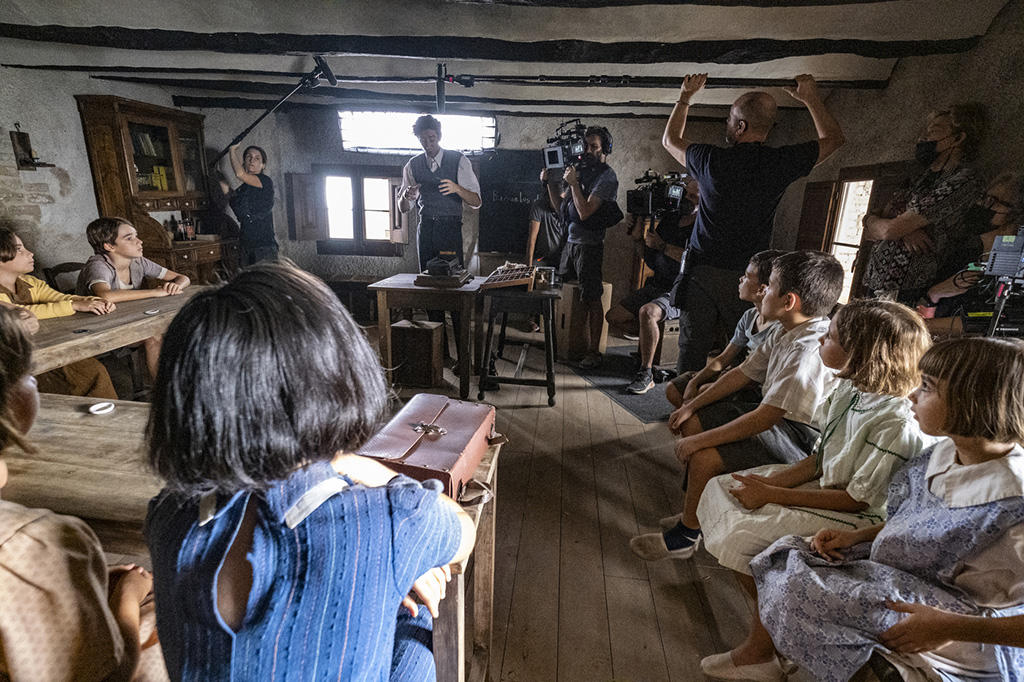
La producción en Filmax
Filmax se compone de diferentes unidades de negocio, entre las que destacan distribución, producción y exhibición. ¿De qué manera se distribuyen los esfuerzos entre las divisiones? ¿Hay algún área en las que estén haciendo un mayor hincapié?
Es algo que cambia según el año, pero diría que el esfuerzo siempre se destina a todo. Ha habido años que la división de producción nos ha salvado tras perder en distribución, y al revés. En la pandemia, con los cines cerrados, la distribución fue cero, al igual que la exhibición, puesto que las salas se cerraron justo después de nuestra inversión por el 4DX. Sin embargo, las ventas internacionales y las librerías rindieron mucho. Lo bueno de tener varias patas es que, aunque cualquier problema, podemos “jugar” con nuestros recursos.
A nivel de esfuerzos, estamos estrenando unas veinte películas al año. Podríamos estrenar más, pero también creemos que las películas hay que cuidarlas, con lo cual la distribución diría que está bastante medida. En la producción siempre nos gustaría producir más, la verdad. En esa área, todavía tenemos margen de crecimiento.
¿De qué manera querrían seguir potenciando su rama de producción?
Nuestro ideal sería producir dos películas y dos series al año, pero todavía no lo hemos alcanzado. Nos ha pasado que hemos estado un año sin producir, y que, de repente, hemos tenido luz verde a tres proyectos. Pero nuestro ideal, ese que intentamos alcanzar y al que todavía no hemos llegado, es tener un equilibrio.
“En la production siempre nos gustaría producir más, la verdad. En esa área, todavía tenemos margen de crecimiento”.
También está la cuestión del límite en el ICAA. Hasta hace poco, como productora, no podíamos presentar más de dos proyectos, lo que nos hacía pensar en otros proyectos que no fueran solo para cine, sino también para plataformas. Afortunadamente, esto ya lo han cambiado.
¿Cuál es su opinión sobre esta dependencia de las productoras españolas hacia las subvenciones del ICAA, algo inherente a la industria estatal?
Para hacer una película, sea de presupuesto bajo, medio o algo, necesitas subvenciones. Diría que dependemos de ello, ¡y menos mal que las tenemos! Es de agradecer este apoyo de las subvenciones del cine y de la cultura en general, ya que son los primeros que están creyendo en el mercado.
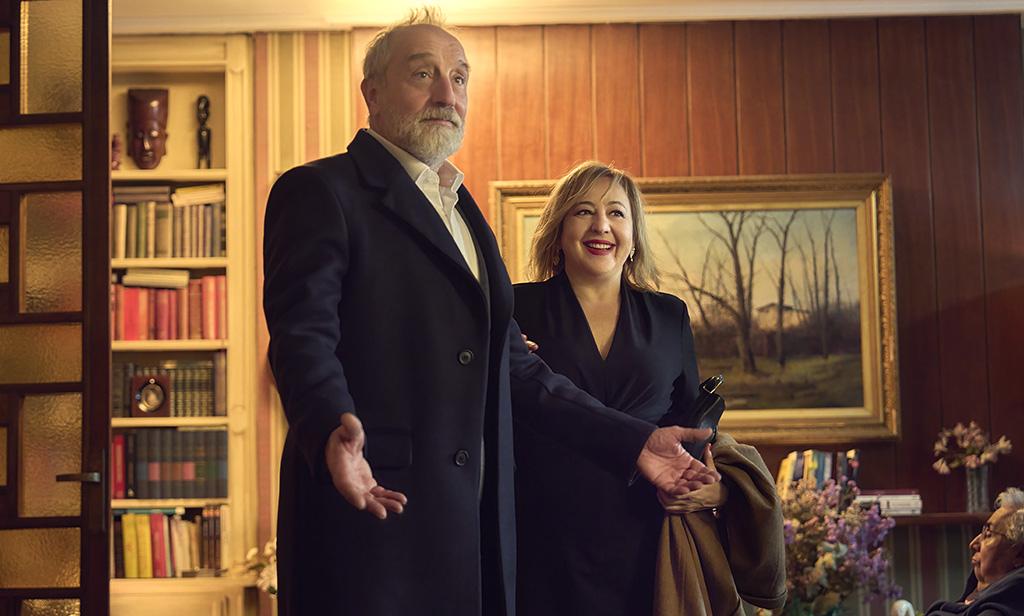 Muchas veces, estos proyectos no se pueden sacar adelante con una única productora, sino que requieren de la agrupación de varias compañías de dentro y fuera de nuestras fronteras. ¿Considera positiva esta coyuntura del mercado?
Si tu película tiene un presupuesto medio-alto, estás obligado a encontrar un coproductor, esto es así. De hecho, nosotros, con Pan de limón con semillas de amapola, nos vimos obligados a hacerlo. Sí que es cierto que existen nuevos incentivos fiscales, pero claro, eso también te obliga a que tu película, que se ambienta en País Vasco, tenga que rodarse en las Canarias. Hay que tener todo en cuenta.
Filmax ha renovado recientemente su apuesta por las series. ¿Cuál es su valoración de este mercado y qué importancia tendrá en su futuro más cercano?
Para nosotros, la apuesta por las series es máxima. Más allá de las incorporaciones de Pau Freixas e Iván Mercadé, este enfoque se demuestra con las diez series que tenemos en desarrollo. No quiere decir que todas vayan a salir: algunas se caerán, otras tendrán luz verde y las últimas quedarán en un cajón y quizá saldrán tras unos años. Hemos trabajado con Netflix y Amazon, y aún tenemos muchas otras plataformas con las que todavía no hemos colaborado y con las que esperamos hacerlo.
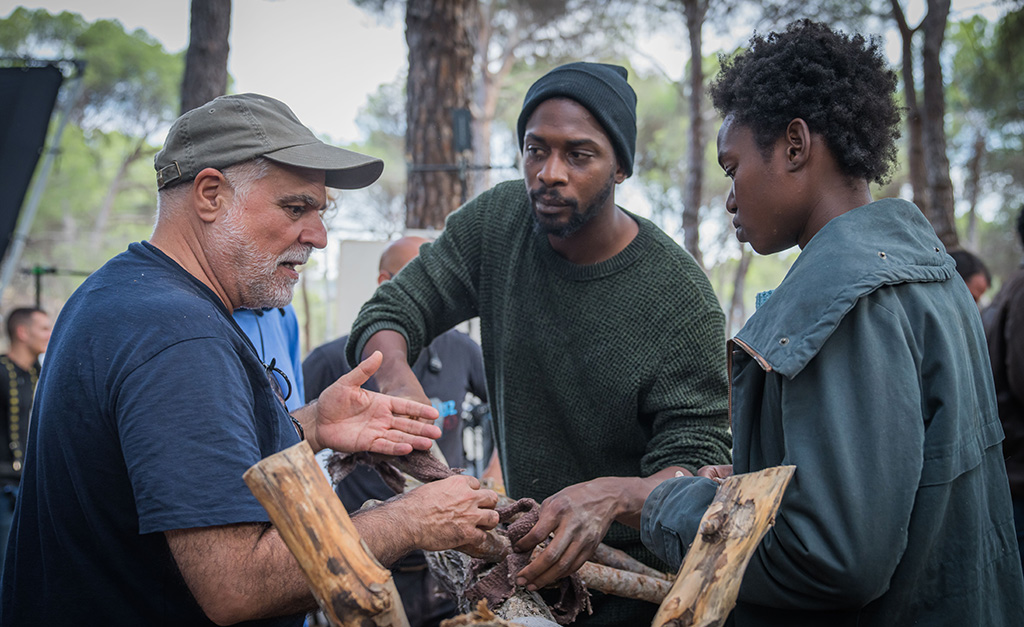
El diseño de la distribución de una película en 2023
La distribución, históricamente, ha tenido un gran peso para Filmax. Durante los últimos años, con la consolidación de las plataformas, el ciclo natural de las películas se ha modificado. ¿Cómo se aborda hoy en día el diseño y la toma de decisiones en torno a la distribución de un largometraje?
Esta toma de decisiones no forma parte exclusivamente de la productora exclusivamente, ya que hay que tener en consideración las entidades financieras que han apostado por tu película. Por tanto, dependiendo de la financiación, tendrá un viaje u otro. Si se tiene el clásico, que sería el ICAA con la subvención y el apoyo de una televisión, hay que respetar la ventana del cine.
“La exhibición en cines se ha vuelto mucho más difícil y obliga a una inversión que sabes que muchas veces va a ser difícil recuperar”.
Estoy de acuerdo con ello. Sobre todo, porque es una experiencia social. He ido toda la vida al cine; tengo hijas, y cada viernes vamos al cine. Es verdad que han aparecido muchas más ventanas y no hay que olvidarlas, porque gracias a ellas se ve mucho más cine y hay muchos más proyectos que nunca. Además, gracias a esas plataformas, los proyectos se ven en todo el mundo.
Algunas voces de la industria subrayan que la decisión de estrenar en cine ya no es cuestión de retorno o rentabilidad de la exhibición, sino que responde a acuerdos previos, promoción, o prestigio. ¿Considera que es así?
Hay algunas ventanas que se tienen que respetar. Luego, si tienes la opción de elegir, es verdad que el cine te da un vuelo de prestigio, reconocimiento; de ir a festivales y tener la posibilidad de ganar premios. Pero también depende de tu película: hay largometrajes que son muy comerciales y sabes que van a traer el reconocimiento del público y de la taquilla.
Aun así, es verdad que se ha vuelto mucho más difícil y que te obliga a una inversión que sabes que muchas veces va a ser difícil recuperar. Por eso, es muy importante medir muy bien qué tipo de estreno tiene una película, porque no queremos perder, ya sea como distribuidores o como productores. Aun así, hay que tener en cuenta el factor sorpresa del cine. La cinta puede funcionar muy bien en taquilla o, en el mundo de las plataformas, ser un sleeper.
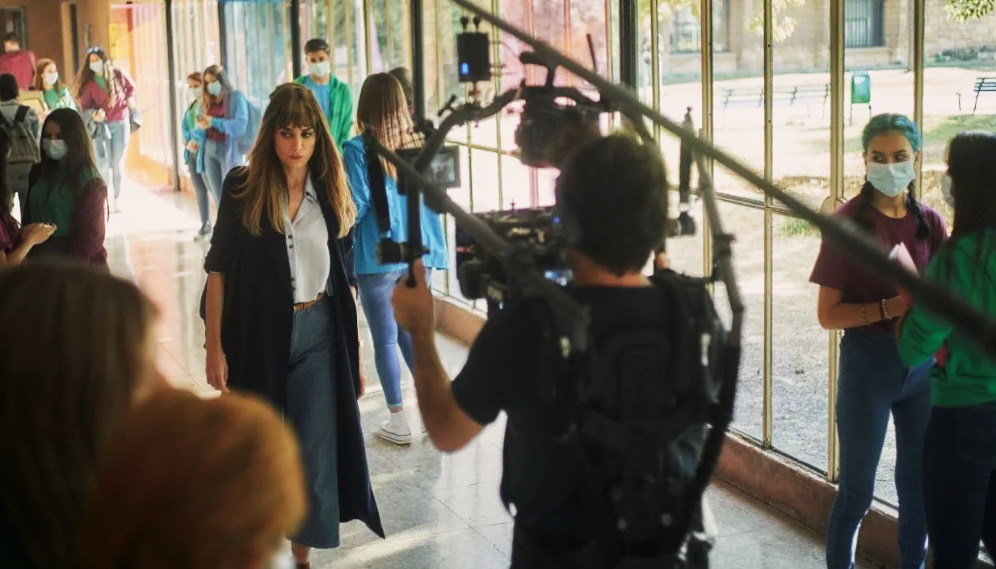
En busca de oportunidades en el mercado
El presente de Filmax pasa por la identificación de historias que seguir trasladando a los espectadores. ¿Qué oportunidades industriales o temáticas identifica que podrían ser importantes para su futuro?
El contar con varias patas hace que pensemos transversalmente. Lo que a priori puede parecer que aquí no funciona, sí lo puede hacer a nivel internacional. Uno de los géneros que mejor sigue funcionando fuera es el fantástico o el de terror. Por eso, lanzamos los Premios Filmax Presenta: para poder seguir apoyando el talento de siempre, aquel consolidado, pero también a todos esos guionistas o directores que aportan nuevas miradas. Estamos abiertos al talento independientemente de que sea hombre o mujer, pero sí que tenemos una cierta mirada puesta en un cine femenino.
Por otro lado, siempre hemos hecho un cine que definiría como comercial o abierto, pero lo cierto es que hemos dejado pasar oportunidades de nuevas y nuevos cineastas con una mirada más autoral. Por eso, hemos tomado la decisión de seguir de cerca este tipo de cine.
“Hemos dejado pasar oportunidades de nuevas y nuevos cineastas con una mirada más autoral. Por eso, hemos tomado la decisión de seguir de cerca este tipo de cine”.
Una tercera vía es el cine de animación. Siempre ha sido la apuesta de la empresa y hemos ganado varios Goya por ello. Hubo un momento de sequía de animación en Filmax, pero ahora hemos vuelto a apostar con proyectos como La Gallina Turuleca (2019), que ganó el Premio Platino, y actualmente tenemos en desarrollo Superthings. Este proyecto se trata de una serie en coproducción con Tandem Films y Turanga Films basada en unos juguetes que se venden en todos los kioscos y creo que puede ayudarnos a dar un salto en la industria de la animación. Para ello, nos juntamos con una juguetera que tienen unos juguetes muy potentes en el mercado. Es algo que los americanos saben hacer muy bien y que en España todavía no se ha hecho.
Carlota Pereda, con La Ermita, podría encajar en la definición de nuevo talento que apuntaba…
Eso es. Además, nosotros firmamos esta segunda película cuando ella todavía no había filmado la adaptación a largometraje de Cerdita. A Carlota la conocí en una sesión en la que me puse a mirar cortos como una loca. Es algo que tenemos que seguir muy de cerca: ver muchos cortometrajes, ir a festivales… Es una muy buena forma para saber qué se está haciendo y conocer al nuevo talento.
cUna entrevista de Sergio Julián Gómez
https://youtu.be/uONJq8o5fyM
Did you like this article?
Subscribe to our NEWSLETTER and you won't miss anything.
Related articles
 Fallece Julio Fernández, fundador de Filmax y figura clave del cine español
 Filmax se lanza a la producción de entretenimiento para televisión con Xavi Viza
 La primera división de fútbol en Dinamarca se sube al carro de la producción remota con Broadcast Solutions
 Jaime Guerra asume la Dirección de la División de Producción de Contenidos de Mediaset España
 Nace Movistar Plus+ Internacional, división que pone a Movistar en el núcleo de la distribución de sus originales
 Laura Fernández Espeso assumes the general management of The Mediapro Studio
 StreamTeam performs remote production of the Finnish Ice Hockey First Division with AEQ Olympia 3
 El 5G impactará en la producción y distribución de contenidos
 Hurí abre una nueva división dedicada a la producción de contenidos
 Laura Fernández Espeso, nueva directora de Contenido Internacional de Mediapro
 Filmax cierra un acuerdo con RAI para la distribución en salas españolas de las mejores óperas italianas
 Comienza la producción de la adaptación de ‘Los misterios de Laura’ en Estados Unidos
 Vivendi segrega su división de telefonía para centrarse en producción y distribución de contenidos
 Globomedia crea una división de Desarrollo Internacional para impulsar nuevos mercados de producción