





The challenges of being pioneers in the DAB+ world in Spain: the case of Mallorca Radio Group
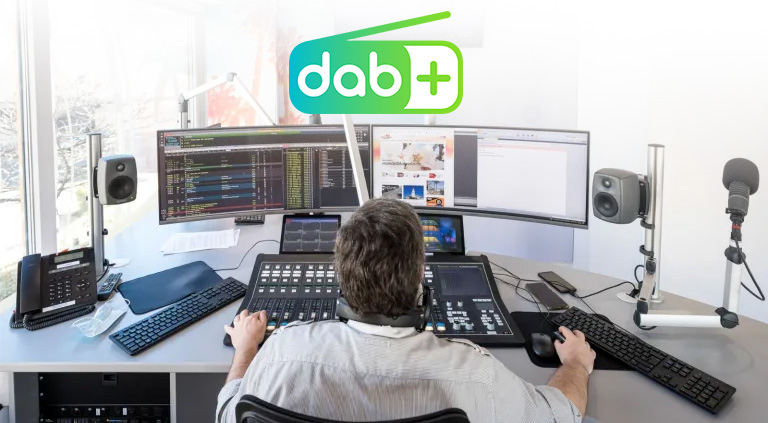

En esta tribuna, Mateo Zanoguera Alfaro, Project manager en Mallorca Radio Group, aborda los principales desafíos a los que Mallorca Radio Group (que engloba las programaciones de Das Inselradio Mallorca y Mallorca Sushine Radio) se ha enfrentado para adaptarse a la tecnología DAB+, convirtiéndolos en pioneros de la radiodifusión digital por este medio en las Baleares.
Daniel Vulic, CEO y Director de Mallorca Radio Group desde hace más de 25 años, siempre ve la innovación como una oportunidad para mejorar el mundo de la radio y gracias a su visión, contamos ya con dos hitos tecnológicos anteriores: por una parte, a principios de nuestro siglo, Das Inselradio Mallorca fue pionera en la isla al instalar en sus estudios las primeras consolas digitales, y, por otra, durante 16 años ( 2004 – 2020), nuestra programación en alemán se transmitió desde Palma de Mallorca, las 24 horas del día, a través del satélite Astra Digital 19,2º E, llegando a un público europeo mucho más amplio.
La historia de la Radio Digital Local en España está marcada por la adopción de la Radiodifusión Sonora Digital Terrestre utilizando la tecnología DAB. A nivel global, la implementación del DAB varía, con países como Noruega y Suiza completando la transición, países como Gran Bretaña o Alemania, con un gran avance de implantación y otros como España con una implantación, hasta el momento, testimonial. En nuestro país, el Plan Técnico Nacional se aprobó en 1999, estableciendo varias redes nacionales para la emisión de servicios, pero las redes autonómicas y locales tuvieron avances muy limitados.
En mayo de 2011, obtuvimos por parte del Govern de les Illes Balears la licencia de emisión de Radio Digital Terrestre Local para la isla de Mallorca: el MALL-10: programa 4 de los MUX CL08IB, CL10IB y CL12IB. Pese a que en el mismo concurso se adjudicaron otras 19 emisoras de Radio Digital Local Terrestre en Baleares, ninguna comenzó sus emisiones. Los principales motivos, y que afectaron también a toda la Radio Digital Terrestre en el resto de España fueron, entre otros, el coste de los receptores, the nula implantación del DAB en las radios de los coches, una percepción de baja utilidad por los oyentes, una falta de información dirigida a los consumidores y una falta de apoyo de los sucesivos gobiernos.
2020: el reinicio del recorrido hacia el DAB+
En 2020, Mallorca Radio Group experimentó una transformación estratégica en su perspectiva sobre este tema, impulsada por la convergencia de cuatro eventos
1. Obtención de una segunda licencia DAB: en julio de 2020, el Govern de les Illes Balears convocó un nuevo concurso, y nos fue adjudicada una segunda licencia, la del programa 1 del mismo Múltiplex, fortaleciendo nuestra posición en el panorama radiofónico digital.
2. Demanda por parte de los turistas: los oyentes de Das Inselradio Mallorca y Mallorca Sunshine Radio, principalmente alemanes e ingleses, acostumbrados a la tecnología DAB en sus países de origen, contactaban con la empresa buscando opciones para sintonizar sus emisiones digitales terrestres. Esta demanda evidenció la necesidad de adaptar su oferta a las preferencias de este público.
3. Implementación del DAB + en Europa: en noviembre de 2018, el Parlamento Europeo había aprobado la obligatoriedad de la radio digital en los automóviles nuevos a partir de diciembre de 2020. Esta medida, impulsó la adopción del DAB en el continente, creando un escenario favorable para su expansión.
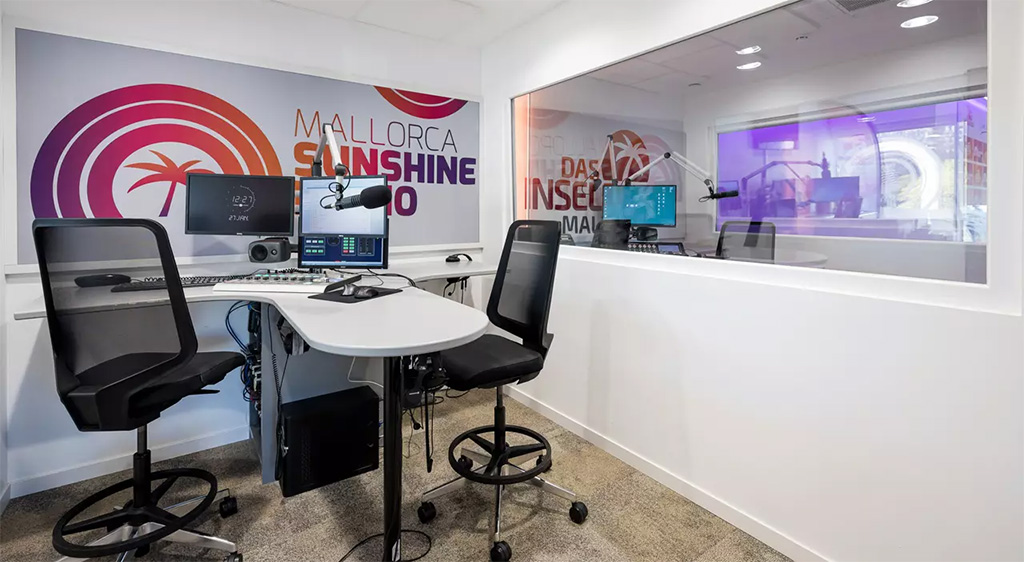
4. Diseño de nuestras nuevas instalaciones: en julio de 2020, nos encontrábamos en pleno diseño de nuestras nuevas instalaciones en la calle Federico García Lorca de Palma, que se inaugurarían en 2021. La convergencia de los eventos anteriores nos llevó a contemplar la infraestructura necesaria para la emisión de DAB a corto plazo, asegurando su adaptación a la tecnología emergente.
Estos cuatro hechos marcaron un turning point en la estrategia, consolidando nuestra apuesta por la tecnología DAB.
 Los pilares tecnológicos de la emisión en DAB+ de Mallorca Radio Group
El pasado 27 de febrero, marcamos un hito al iniciar las pruebas de las primeras emisiones de DAB + en las Baleares. En la fase piloto, la que nos encontramos, transmitimos cuatro programas: Das Inselradio Mallorca y Mallorca Sunshine Radio, simultáneamente con las emisiones en Frecuencia Modulada, y se añaden dos nuevos programas: Das Inselradio Mallorca Classics y Mallorca Sunshine Radio Summer Hits.
La adaptación a la tecnología DAB+ en nuestros estudios ha sido realizada por el equipo técnico de Mallorca Radio Group, liderado por su director, Marc-André Staegemann. Ha implicado ajustes en el programa de automatización de radio (Zetta) y en el sistema de programación (GSelector) de la empresa estadounidense RCS. Hace dos años, se incorporaron procesadores de audio de alta gama de la familia Omnia de Telos Alliance para mejorar significativamente la calidad del sonido de nuestros programas en FM, y estos mismos equipos se utilizan también ahora para las emisiones DAB+. Los dos nuevos programas se han dotado de procesadores virtuales de la misma marca.
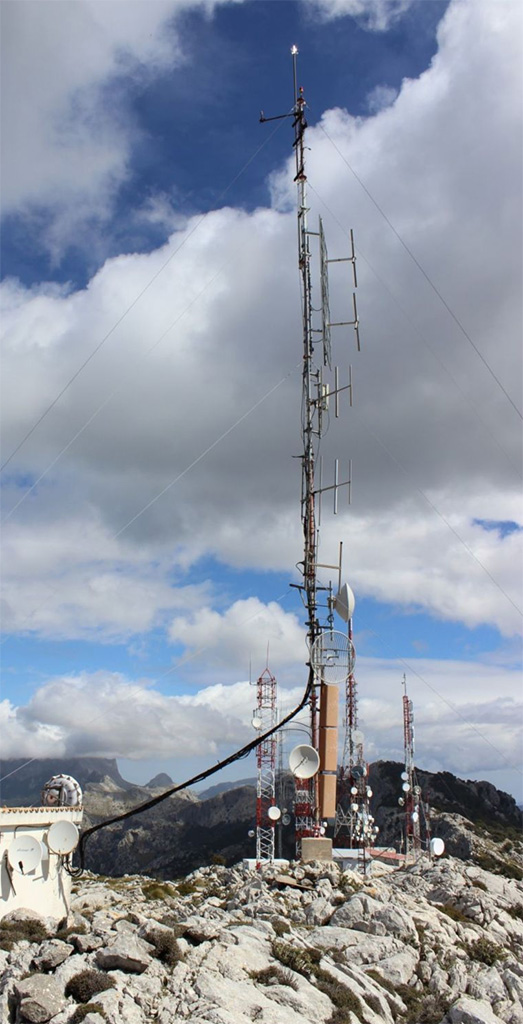
El transporte de las señales y su difusión a través del Multiplex DAB se han confiado a la empresa Axion, reconocida por su compromiso y experiencia en servicios audiovisuales y de telecomunicaciones. Es relevante señalar que la transmisión de señales DAB+ se realiza desde uno de sus centros emisores situado en la Serra de Alfàbia en Mallorca, diferente al utilizado para las emisiones en FM. Esta circunstancia ha requerido la instalación de un nuevo radioenlace digital para el transporte de la señal.
En cuanto a la difusión, Axión se decantó por un sistema redundante de excitador y amplificador utilizando transmisores de alta eficiencia de la marca BTESA. Esta última empresa también se ha encargado de la integración, instalación y puesta en marcha de todo el sistema de cabecera y sistema radiante.
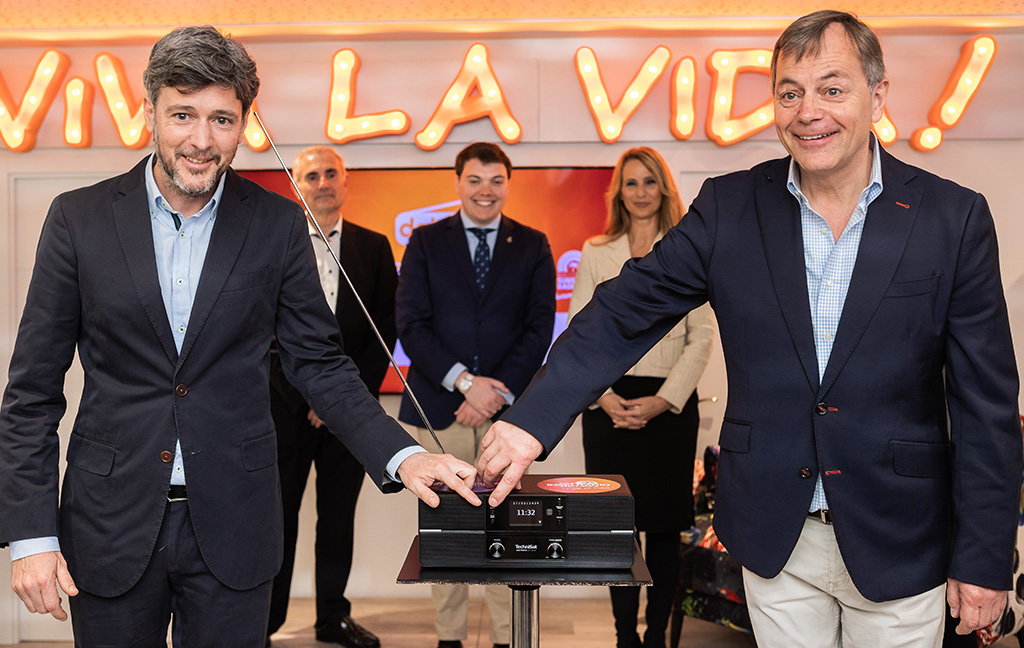
Inicio de las emisiones en DAB+ en Mallorca Radio Group
Tres desafíos que marcarán la estandarización del DAB+
A partir de ahora y a corto-medio plazo, nos enfrentamos a tres desafíos en este proyecto. En primer lugar, ya se está trabajando en igualar los niveles de audio de DAB+ y sincronizar el retraso de las señales en los dos programas que se emiten simultáneamente en FM.
Una vez realizado, el paso siguiente será activar el sistema FM Fallback para cambiar automáticamente a FM en caso de señal débil en DAB+, proporcionando a la infraestructura de difusión la información necesaria y la sincronización de los retrasos entre FM y DAB+.
El tercero, tema que ya está en fase de estudio, tiene como objetivo la implementación de los transmisores secundarios de la red de difusión proyectada, situados en el Puig de Sant Salvador en la zona de Manacor y en el Puig de Sant Miquel en Pollença. Trabajaremos también, paralelamente con el proyecto actual, en la puesta en marcha de pequeños re-emisores en áreas sombreadas, con el objetivo de alcanzar una cobertura cercana al 99%.
Este conjunto de innovaciones marca un paso significativo hacia el futuro de la radiodifusión en la Comunidad Autónoma de las Islas Baleares, destacando la visión y compromiso de Mallorca Radio Group en la evolución tecnológica del medio. Todavía queda mucho trabajo por hacer, pero sentimos que nos adelantamos al futuro de la radio en España, y al presente de muchas regiones de Europa.
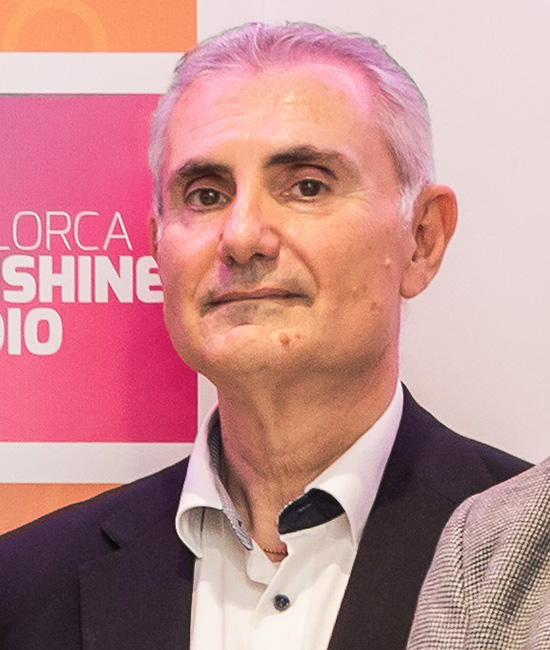
Mateo Zanoguera Alfaro
Project manager en Mallorca Radio Group
Did you like this article?
Subscribe to our NEWSLETTER and you won't miss anything.
Related articles
 Co-productions Spain – Latin America: challenges for an emerging audiovisual market
 First steps on Twitch: the case of CCMA (TV3, Catalunya Ràdio…)
 The standardization of DAB+ in Spain: difficulties, challenges and challenges
 Bahrain Radio begins its journey in the digital world with VSM by Lawo
 Los40 Granada, pioneers in doing radio from home with Talent from AEQ
 Antonio Buitrago, director of Radio Exterior de España, National Radio Award 2020
 Atresmedia inaugurates the true crime genre in Spain with 'What the truth hides: The Asunta case'
 TVE produces for Marca España the official promotional video 'Spain Everywhere, Spain around the world'
 Digital convergence, the flight of listeners and the absence of regulation, main challenges for the radio sector
 Spain versus MEDIA: challenges and opportunities
 Radio Exterior of Spain awarded by the Academy of Russian Radio and Television
 Ràdio i Televisió de Mallorca (RTVM) pendiente de un hilo
 The case of Adam Carolla, or how Internet radio is profitable
 Radio i Televisió de Mallorca awards Grau the lighting of its new set