





Keys to the production of audiobooks, audio stories and sound fictions
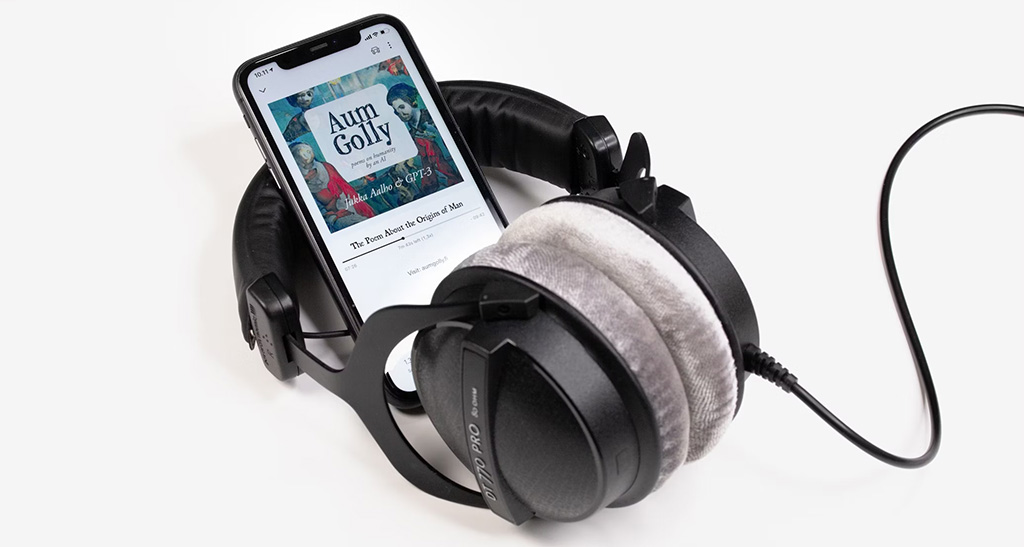

En esta tribuna, Raúl Montero, CEO y cofundador de Sonido de Ideas e InNovaVoice, arroja luz sobre la producción y postproducción de audiolibros, audiorrelatos y ficciones sonoras, tres de los pilares del entretenimiento sonoro.
Audiolibros, audiorrelatos o ficciones sonoras: todas estas producciones de audio se englobarían en producciones de entretenimiento sonoro. Como toda producción audiovisual, tiene un proceso de preproducción, de producción y de postproducción. Y parte de un guion escrito. Da igual que sea una novela, un guion de una ficción, un ensayo académico, un artículo editorial o una formación: se parte de ese escrito y se adapta la producción a cada formato sonoro. En cómo convertir ese texto en audio está la clave del resultado final y de la llegada y el impacto que tenga finalmente en el consumidor esa producción.
En la preproducción tenemos la preparación de los materiales de cada proyecto. Se reciben los textos, las indicaciones y las posibles solicitudes de casting de voces por parte del cliente (editoras, distribuidoras, productoras). Sobre esto se preparan los textos y se localizan los puntos críticos: estilo, maquetación, personajes principales, pronunciaciones e idiomas, gráficos, posibles adaptaciones. Después se convoca a profesionales para que realicen un casting. En el caso de un audiolibro o audiorrelato, lo normal es narrar toda la obra un solo profesional, pero en ocasiones se graba a varias voces. En el caso de ficciones, es fundamental tener una voz para cada personaje y conseguir así la mejor experiencia inmersiva.
La producción de audiolibros, audiorrelatos y ficciones sonoras
Una vez tenemos la voz idónea (o las voces), pasamos al proceso de production. Se organiza el calendario de las sesiones de grabación y se firman los acuerdos pertinentes con los profesionales. Básicamente, un NDA de confidencialidad y un acuerdo de servicios.
Lo habitual es hacer sesiones de grabación de 4 horas. En un formato como el audiolibro, y más a una sola voz, sacamos 2 horas buenas en cada sesión. Es decir, un ratio 1:2. Y si de media un audiolibro tiene 8-10 horas, en 4-5 días lo grabamos. En el caso de ficciones sonoras la cosa cambia, y hay que organizar sesiones de grabación simultánea entre varias voces, sesiones específicas de escenas con otros personajes, ambientes, wild tracks para tener recursos, etc… Todo se desplaza muchos más en el tiempo, lógicamente.
Si pensamos en 10 horas de relato, hablamos de hacer 10 películas a nivel de sonido, and in mucho menos tiempo. Es un trabajo de mucha envergadura.
Hay que adelantarse lo máximo posible, como en toda producción sonora, desde el proceso de grabación a la mezcla posterior. Tener en cuenta todo el paisaje sonoro que se va a querer conseguir en la mezlca final junto con los efectos sonoros (foley y ambientación) y la música. De esta forma, aprovecharemos la grabación para aportar la intención, la interpretación and the recursos interpretativos idóneos para cada secuencia, escena o pasaje. Nosotros hacemos toda la producción y eso nos da una visión completa y nos permite desarrollar una cadena de producción cíclica en la que todos los procesos están relacionados. Diseñamos nuestros efectos de sonido, componemos nuestras bandas sonoras originales y realizamos la ambientación necesaria. Si pensamos en 10 horas de relato, hablamos de hacer 10 películas a nivel de sonido, y en mucho menos tiempo. Es un trabajo de mucha envergadura.
Volviendo a la producción, después de cada sesión de grabación, el audio pasa por un proceso de edición (limpieza y maquetación) y de revisión de texto. Y tras la revisión, lo más probable es que haya que citar al profesional (o a varios) para grabar algunas corrections que se localicen. Como en la edición en papel, se pueden sacar errores en cada una de las revisiones que se hagan, así que hay que ser efectivo y, más importante, efficient.
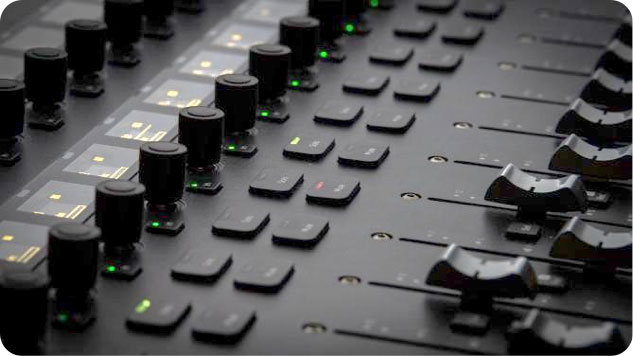
Mezcla y mastering, puntos críticos de la postproducción
Aquí termina el proceso de producción y entramos en la post-production. Se maqueta todo el audio. Se hace la mezcla final y se masteriza. Hay que adecuarse a las especificaciones técnicas de cada cliente in it mastering y en la entrega del formato final. Existen más o menos unos estándares, pero siempre hay particularidades de cada uno. Tengamos en cuenta que hablamos de una industria de reciente creación que ha pasado de 0 a 100 en apenas 5 años. Hace falta un poco más de tiempo para todo.
En el caso de ficciones sonoras, los proceso de mix y mastering son más críticos. En muchos casos hablamos de sesiones de mezcla de más de 120 pistas entre voces, efectos, músicas y ambientes. En ocasiones se genera además una mezcla sonora binaural, consiguiendo una experiencia inmersiva mayor para el usuario, aprovechando la dimensión esférica respecto a uno de los ejes que nos permite esta técnica. También hemos realizado grabaciones y mezclas ambisónicas, tridimensionales, que juegan con el plano esférico completo 3D, no solo espaciando el sonido delante, detrás o a los lados, sino también arriba y abajo. El resultado es absolutamente inmersivo. Son producciones que llevan mucho tiempo de trabajo y se convierten en tus hijas. En cada una dejas una parte de ti, sin duda. Bueno, y años de vida también.
En el caso de un audiolibro normal to one sola voz y sin ambientación sonora, la producción completa está entre 15 y 30 días. Y para una media de 10 horas finales de audiolibro, se emplean entre 50 y 70 horas de producción, y un equipo humano de varias personas.
En el caso de un audiolibro normal a una sola voz y sin ambientación sonora, la producción completa está entre 15 y 30 días. Y para una media de 10 horas finales de audiolibro, se emplean entre 50 y 70 horas de producción, y un equipo humano de varias personas. Tenemos varias salas de grabación así que realizamos varias producciones de forma simultánea. Este mundo del entretenimiento sonoro fusiona la literatura y el sonido y eso nos apasiona.
Ahora, además, hemos creado InNovaVoice, una nueva marca en la que usamos la IA like a herramienta para producir contenido sonoro. Ya la utilizábamos para complementar nuestras composiciones musicales, pero ahora también la utilizamos para clonar voces de profesionales, con derechos garantizados y con autorización del profesional en cada uso por supuesto, y para producir con herramientas text-to-speech todo el contenido sonoro. Siempre con un equipo humano detrás para cada proceso. Y siempre de forma complementaria a la producción analógica tradicional, que es nuestra pasión.
Raúl Montero
CEO y cofundador de Sonido de Ideas e InNovaVoice
Did you like this article?
Subscribe to our NEWSLETTER and you won't miss anything.
Related articles
 CEI (Coruña Immersive Studio): the technological keys of the last large virtual production set
 Sound fictions, audio on demand and Audible: The definitive gateway to the market?
 Sustainability and modular workflow: new keys for live production
 Sony identifies the keys to achieving sustainable live production
 Albert's 9 keys to achieving sustainable audiovisual production
 Cloud, remote production and hyperconnected systems, Sony keys for IBC 2022
 The technological keys to Mediapro's 9:16 production for LaLiga and TikTok
 OBS will give the keys to Tokyo 2020 production within the framework of the 4K-HDR Summit
 Ross Video shares the keys to Ultrix Carbonite, its “hyperconverged” production platform
 United and NEP anticipate some keys to the production of Eurovision 2021
 On Christmas Day, Onda Cero premieres two sound fictions directed by Carlos Alsina
 Playz launches 'Playzcast', a space with immersive sound fictions created in collaboration with RNE
 The production and dissemination of content over IP and new 4K cameras: JVC keys for IBC 2014
 Storywalker: a new cultural and tourist experience based on sound fictions