





The Japanese phenomenon 'Godzilla Minus One', graded with DaVinci Resolve Studio
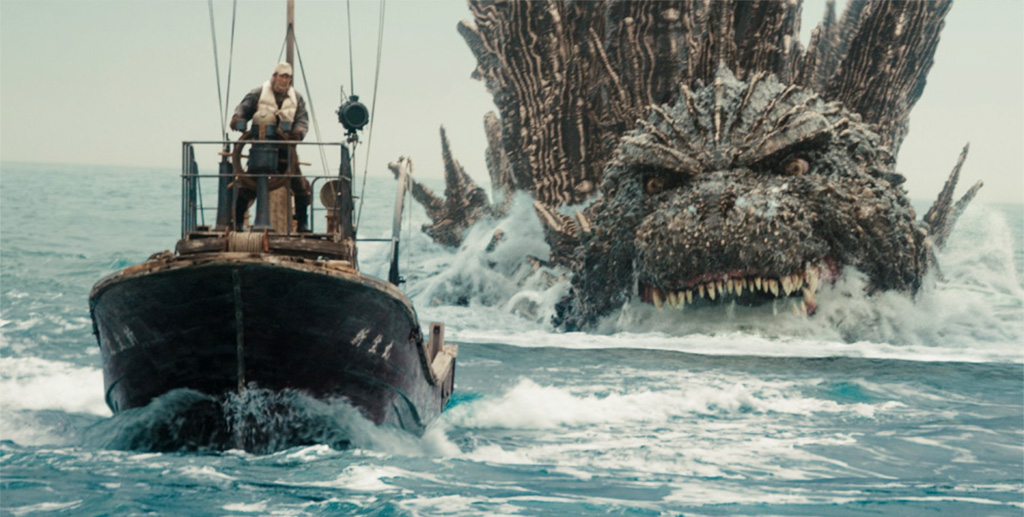
El colorista Masahiro Ishiyama de Artone Film empleó DaVinci Resolve Studio y el panel DaVinci Resolve Advanced Panel de Blackmagic Design para etalonar la ganadora de un premio Óscar ‘Godzilla Minus One’, dirigida por Takashi Yamazaki.
Dirigido, escrito y supervisado por Takashi Yamazaki, Godzilla Minus One sirve como homenaje del mítico monstruo titánico en el 70º aniversario de la historia original. La cinta, más allá de ser todo un éxito en Japón y a nivel internacional, recibió el galardón a best visual effects in the última edición de los premios Óscar.
Masahiro Ishiyama se puso al frente de trabajo de color de la cinta, para la cual Yamazaki quiso apostar por la estética del periodo de posguerra de la Segunda Guerra Mundial. “Sin embargo, no queríamos crear la típica tonalidad desaturada asociada a las películas de época. En cambio, intentamos conservar los colores brillantes y, a la vez, ser conscientes del período en que se desarrolla la historia. Para ello, creé una tabla de conversión (LUT) en DaVinci Resolve”, traslada el colorista.
A pesar de que la película se filmó digitalmente, Ishiyama reprodujo la “densidad” del celuloide a fin de transmitir el ambiente de la época. En sus propias palabras: “Llevé a cabo el etalonaje alejándome de la delicadeza propia de las imágenes digitales, pasando a gradientes y generando manchas en las zonas claras, las que luego fui atenuando. También ajusté la luminancia del rojo significativamente a fin de destacar la textura de la piel. Al reducirla, se enfatiza el contraste en los rostros de las personas. Tomando en consideración el marco escénico, no había necesidad de hacer que las tonalidades de la tez de los actores lucieran atractivas, sino que intentamos recrear una apariencia acorde a la época”.

Dos LUT diferentes para Godzilla Minus One
Ishiyama recurrió a dos LUT diferentes durante el etalonaje. Una de ellas es similar a la apariencia de las películas Kodak (con tonos rojizos en las sombras) y se empleó en las escenas en Ginza. La otra LUT se utilizó en la escena de la batalla final en el mar, llamada Operación Wadatsumi, con la finalidad de transmitir la tensión del combate con un salto de blanqueado frío y rígido. “En las escenas en las que era importante mostrar las expresiones de los personajes, apliqué máscaras a los ojos, hice un seguimiento de ellas y fui adaptando los detalles medios con las herramientas de DaVinci Resolve de tonos medios y destaque de textura. Los ojos son muy importantes, de modo que apliqué ajustes en todas las escenas críticas. En las películas y el género dramático, la narrativa es crucial. Modifiqué los colores considerando cómo hacer lugar a las instrucciones del director, asegurándome de que no interfirieran en la historia”, cuenta Ishiyama.
El proceso de posproducción del largometraje se realizó con una dinámica de trabajo ACES, gracias a lo cual el colorista pudo modificar luces y sombre “sin perder detalles” para crear la versión Dolby Cinema de la cinta. Apostar por ACES fue clave, dado que este es el estándar de Shirogumi, compañía encargada de los efectos visuales de la cinta: “Cuando entregué el material al equipo de Shirogumi, tuve que hacer correcciones cromáticas a fin de que todas las imágenes coincidieran. Las variaciones meteorológicas, en particular en las escenas en el mar, fueron significativas. Creí que sería difícil visualizar la imagen final si los gráficos computarizados se creaban a partir del material original y las composiciones, así que les proporcioné las tomas etalonadas como secuencias para efectos visuales, que luego se emplearon para generar dichos gráficos”.
Además de la versión en color de la película, también se produjo una monocromática titulada Godzilla Minus One/Minus Color. Ishiyama también fue el responsable de este etalonaje: “Para la versión monocromática, el director Yamazaki solicitó una apariencia de las luces y las sobras similar a la de las fotografías Leica de este tipo, en las que solo se destacan las partes importantes. Por ejemplo, en las escenas en el mar, separé el rojo, el verde y el azul, y reduje la saturación y la luminancia en todo, excepto en el rojo, a fin de que se contrastara. En consecuencia, el mar luce sumamente oscuro y solo se perciben los rostros de las personas. El señor Yamazaki manifestó que el mar lucía tenebroso. Mi intención era crear una película que instintivamente provocara miedo y emoción en el público, y creo que conseguimos esa experiencia visceral”.
https://youtu.be/g4nR1BI_33Y
Did you like this article?
Subscribe to our NEWSLETTER and you won't miss anything.
Related articles
 ‘Y2K’ (A24) travels from digital to celluloid with DaVinci Resolve Studio
 DaVinci Resolve Studio 19 brinda un centenar de actualizaciones
 The sadistic Santa Claus from 'Violent Night', graded with DaVinci Resolve Studio
 DaVinci Resolve Studio takes on the darkness of 'Barbarian'
 DaVinci Resolve Studio finishes ‘Ms. Marvel' with a very particular aesthetic
 The video clip for the TikTok hit 'Habit' by Sekai No Owari, graded with DaVinci Resolve Studio
 DaVinci Resolve Studio, axis of the completion of 'Writing With Fire'
 ‘Don’t Call It Mystery’ (Fuji TV), etalonada con DaVinci Resolve Studio
 ‘The Green Knight’, etalonada con DaVinci Resolve Studio
 Tones and I's new video clip, 'Won't Sleep', edited and graded with DaVinci Resolve Studio
 The German comedy space 'Quatsch Comedy Club', graded with DaVinci Resolve Studio
 Paramount graded 'Rocketman' with DaVinci Resolve Studio
 Oscar winner Claudio Miranda trusts DaVinci Resolve Studio and DaVinci Resolve Mini Panel from Blackmagic
 DaVinci Resolve 12 Studio is now available in the Apple Store