





The technological conclusions of Paris 2024, by Paul Carter ('TechXplore', BBC)
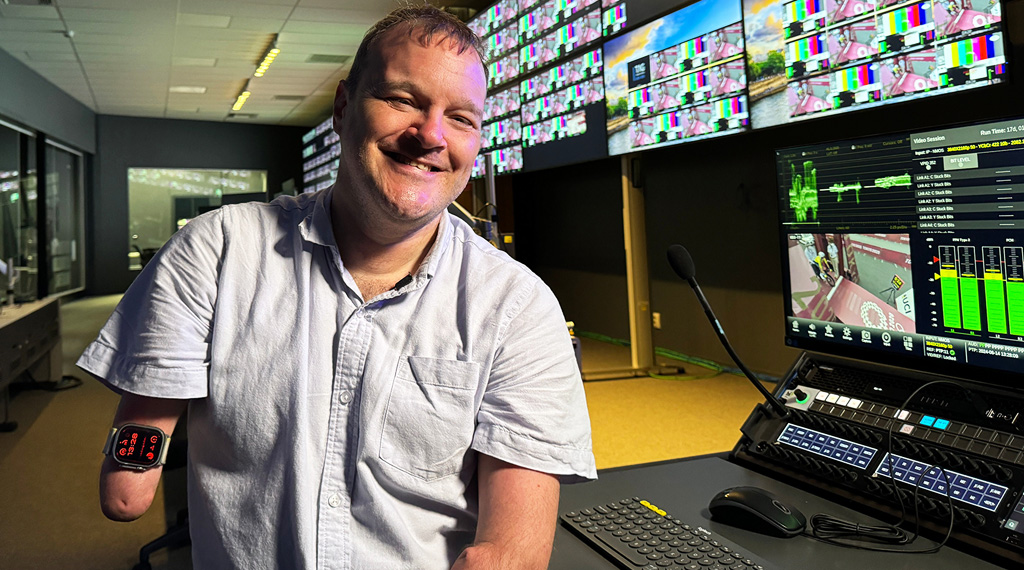

En esta tribuna, Paul Carter, periodista experto en tecnología y conductor del formato ‘TechXplore’ of the BBC, traslada su visión de la tecnología empleada en los Juegos Olímpicos de París 2024 basándose en su experiencia in situ y sus conversaciones con los máximos responsables de OBS.
Los Juegos Olímpicos y Paralímpicos de 2024 celebrados en París no solo mostraron lo mejor del deporte mundial, sino que también derribaron las barreras de su puesta en escena al mundo. Y yo estuve allí para verlo. Este gran evento, uno de los pocos acontecimientos auténticamente mundiales, vino acompañado de la retransmisión de contenidos a más de 200 países y regiones.
Cada ciclo olímpico es testigo de un salto adelante en innovación tecnológica, y París no fue diferente. Como presentador del programa TechXplore de la BBC, tuve la suerte de ver de primera mano algunas de las tecnologías más avanzadas que se implementaron por primera vez en los Juegos de este año y que ayudaron a redefinir la cobertura. Pude ver lo último en tecnología audiovisual a lo largo de todo el ciclo de emisión, desde la generación de contenidos hasta su producción y entrega a las audiencias de todo el mundo.
Lo que los espectadores no pudieron ver
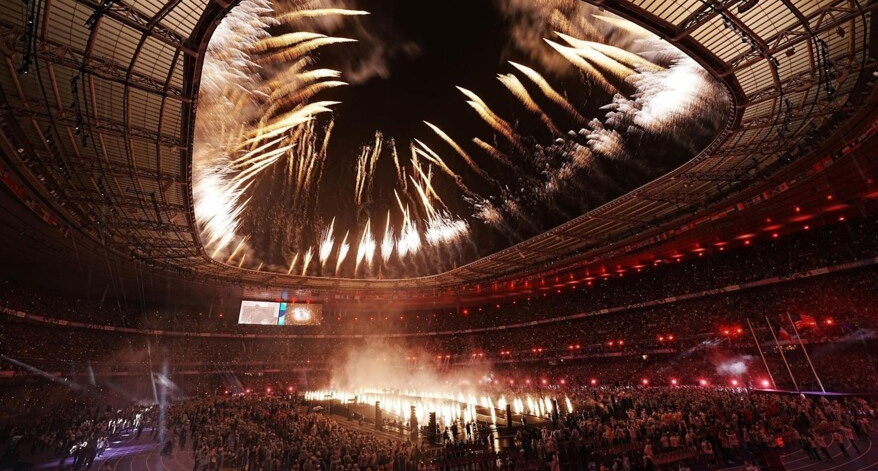
One of the biggest novelties of Paris 2024, aunque probablemente haya pasado desapercibida para los telespectadores, fue la forma en que se enviaron desde París las 11.000 horas de contenidos estimados, la mayoría de los cuales se transmitieron por primera vez a través de la nube en lugar del método tradicional por satélite. Las ventajas no son sólo la reducción de la infraestructura física, sino también de la carbon footprint.
Sotiris Salamouris (OBS): “En lugar de enviar equipos con decenas o centenares de bastidores de emisión, sistemas y aparatos por todo el mundo, basta con tener más o menos el tipo de infraestructura equivalente in the cloud”.
“En lugar de enviar equipos con decenas o centenares de bastidores de emisión, sistemas y aparatos por todo el mundo, basta con tener más o menos el tipo de infraestructura equivalente en la nube”, afirma Sotiris Salamouris, director de tecnología de OBS. “Podemos realizar las operaciones que necesitemos y desactivarlas una vez finalizados los partidos, sin ningún impacto físico real”, añade.
Visitando las instalaciones de París 2024
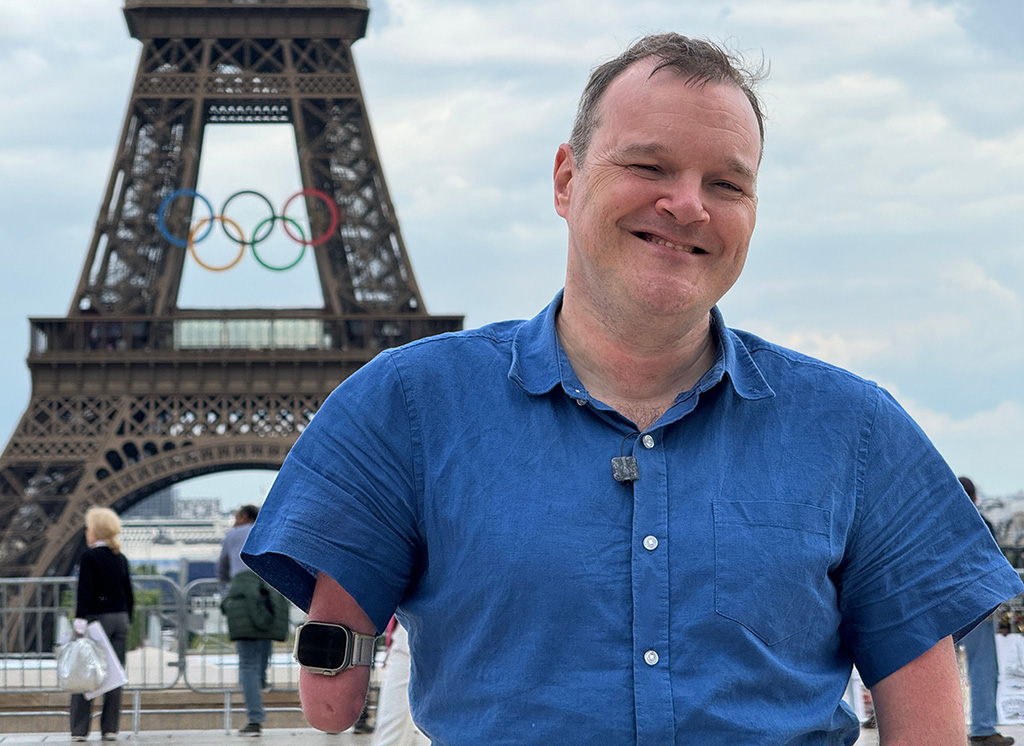
Durante mi presencia en París 2024 visité el centro de datos del International Broadcasting Center (IBC), un espacio construido temporalmente en París que durante los Juegos se convirtió en el lugar con mayor densidad de contenidos del planeta. ¡Y es que son suficientes para abarcar todo un año de retransmisiones continuas! Como periodista especializado en tecnología, he estado en bastantes centros de datos a lo largo de los años, pero ver esta estructura transitoria diseñada para procesar cada segundo de los 32 deportes olímpicos fue espectacular.
La conectividad también supuso un gran avance, ya que se instalaron redes 5G a medida para que el contenido pudiera transmitirse más fácilmente desde el Sena durante la ceremonia de apertura, o en mástiles específicos en el mar para capturar la acción durante la navegación en Marsella.
IA: el verdadero antes y después
A pesar de todo esto, personalmente, el elemento tecnológico más asombroso que presencié en estos Juegos fue la implementación de la IA en el proceso de retransmisión. Por primera vez, Intel presentó su herramienta automatizada de recopilación y edición de resúmenes, algo realmente increíble. Al principio era escéptico en cuanto a su eficacia y a la necesidad de supervisión o intervención humana, pero los resultados fueron alucinantes.
Me quedé observando un partido in straight, en este caso de balonmano, mientras la tecnología identificaba los momentos más destacados y los acontecimientos clave y los recortaba automáticamente, sin intervención de una persona real.
Me quedé observando un partido en directo, en este caso de balonmano, mientras la tecnología identificaba los momentos más destacados y los acontecimientos clave y los recortaba automáticamente, sin intervención de una persona real. Los momentos destacados se etiquetan y se pueden buscar, lo que significa que se pueden generar resúmenes personalizados en cuestión de minutos. Las cadenas pueden elegir entre ver todos los momentos destacados de una jornada de judo, toda la acción de Gran Bretaña o incluso ver cada saque de esquina o de banda en el fútbol.
“Los deportes a los que no se presta mucha atención reciben ahora cobertura porque no tenemos que dedicar a una persona para que se siente allí y nos etiquete todo el tiempo”, dijo Courtney Willock, jefa de tecnología de difusión de la oficina de Intel para los Juegos Olímpicos y Paralímpicos. “Ahora el editor puede dedicar más tiempo a la narración, a la parte creativa, y no preocuparse de tener que estar toda la noche etiquetando vídeos”, explica.
La tecnología volumétrica y el 8K en París 2024
Pero también hubo beneficios para los espectadores en casa. Estos Juegos fueron los primeros en los que se utilizó la retransmisión volumétrica de forma significativa. Y, por supuesto, tuve que probarlo.
Este sistema funciona con una solución especializada que contiene 21 cámaras y sensores que crean un verdadero modelo tridimensional de la persona captada, el cual puede colocarse en cualquier entorno en tres dimensiones reales. Creé una versión volumétrica de mí mismo y pude colocarme delante del Arco del Triunfo e incluso en la sede de la BBC en Londres.
Visité el auditorio 8K en el IBC, donde se hicieron demonstrations of the retransmisiones en 8K, y los resultados fueron realmente asombrosos, although todavía no me apresuraré a gastarme miles de euros en un televisor nuevo.
El caso es que el equipo puede colocarse en zonas seguras a las que no se permite el acceso a los medios de comunicación, como la Villa de los Atletas, lo que permite a las cadenas realizar entrevistas sin necesidad de un equipo en persona. Esa imagen puede colocarse después en sus propios estudios de televisión para dar la impresión de que está ocurriendo en persona. Es algo realmente increíble.
Los Juegos Olímpicos y Paralímpicos de 2024 también fueron los primeros en los que OBS puso algunos deportes a disposición de las emisoras anfitrionas en resolución 8K, un enorme salto cualitativo en un momento en el que los televisores 8K aún se encuentran en las primeras fases de adopción en el mercado. Visité el audiotorio 8K en el IBC, donde se hicieron demostraciones de las retransmisiones, y los resultados fueron realmente asombrosos, aunque todavía no me apresuraré a gastarme miles de euros en un televisor nuevo.
Se inicia una nueva carrera: L.A. 2028
Cada cuatro años, los organizadores de los Juegos Olímpicos siempre declaran que sus Juegos serán los más avanzados tecnológicamente de la historia. Normalmente tienen razón, y París no fue una excepción. Poder ir entre bastidores y ver de primera mano el ritmo y la magnitud de la innovación me llenó de humildad, sobre todo porque siempre lo había dado por sentado como aficionado a los Juegos Olímpicos desde la comodidad de mi casa.
Con Los Angeles como sede de los próximos Juegos en 2028, no me cabe duda de que se producirán avances aún mayores en la cobertura y retransmisión de los Juegos Olímpicos y Paralímpicos. Por mi parte, estoy impaciente por ver lo que está por venir.
The episodio final de ‘TechXplore: Paris’ titulado ‘Beyond the Games’, se estrenará en el canal BBC News el sábado 30 de noviembre.
Paul Carter
Periodista y conductor de ‘TechXplore’ (BBC)

Did you like this article?
Subscribe to our NEWSLETTER and you won't miss anything.
Related articles
 Nine Network enhanced its Paris 2024 coverage with Calrec and D2N
 Ecoflow, an initiative to measure the environmental impact of streaming, will reveal its conclusions at IBC 2024
 Media Links will highlight its IP ecosystem, used in Paris 2024, during IBC 2024
 InSync converters process 11,000 hours of Paris 2024 video
 Alibaba Cloud and OBS use the cloud with Artificial Intelligence in Paris 2024
 The Paris 2024 Olympic Games showcase the latest advances in broadcast technology
 Sivac-One (Sapec), axis of RTVE's coverage of the Olympic Games. OO. Paris 2024
 Orange's private 5G networks for Paris 2024 will serve 500 cameras
 Intel will make Paris 2024 live streaming possible in end-to-end 8K
 IMAX will bring the Paris 2024 opening ceremony to cinemas
 CRTVG anticipates its technological bets for 2024: OTT, production systems...
 Atos opens the doors of the Olympic Games Technological Operations Center. OO. Paris 2024
 TVU Networks will provide on-site and remote support during Paris 2024
 OBS will reveal unpublished keys to the Olympic Games. Paris 2024 at the 4K HDR Summit 22