





'New years': photographing time through technique
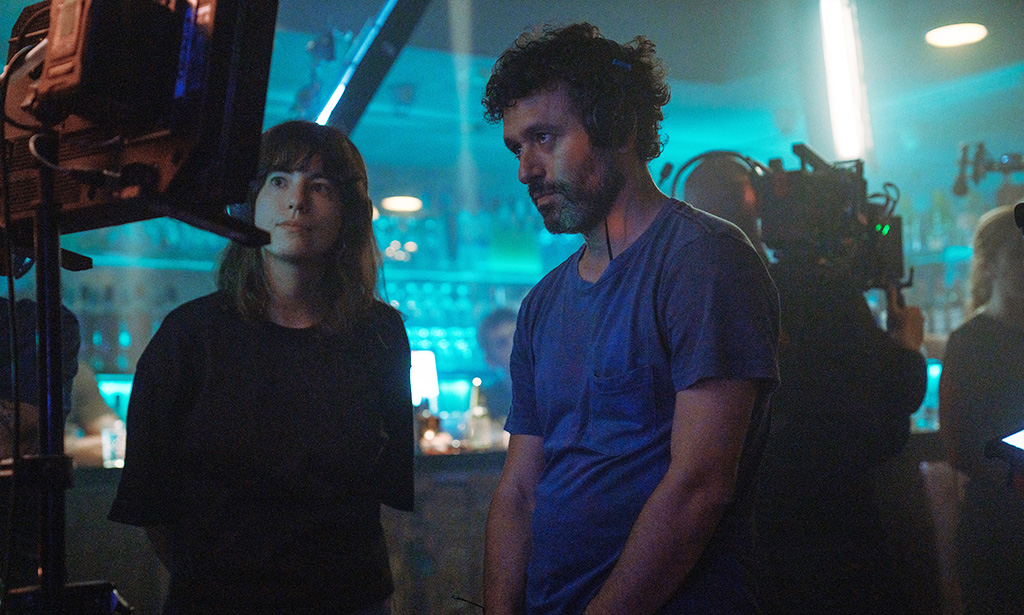

Lali Rubio, directora de fotografía de The new years, serie de Movistar Plus+ creada por Sara Cano, Paula Fabra y Rodrigo Sorogoyen, reflexiona sobre el uso de la tecnología al servicio de la narración, del tiempo y de la emoción.
Ana y Óscar se conocen en una nochevieja. Cada uno de ellos tienen una vida diferente; un contexto prácticamente opuesto que hará que, de alguna forma u otra, acaben enamorándose. Durante 10 años, The new years acompañará a ambos en el cambio de año retratando con una intimidad inaudita en la serialidad española dolor y esperanza with a sello generacional que deja huella.
Tras esta serie original de Movistar Plus+, in collaboration with Horse Films y en asociación con ARTE Francia, se encuentran Sara Cano, Paula Fabra y un Rodrigo Sorogoyen que lidera el proyecto como executive producer and director of four episodes. Para esta aventura, el ganador del Premio Goya a Mejor Dirección por The Beasts y The Kingdom se acompaña de la dirección de fotografía de Lali Rubio.
Esta cineasta barcelonesa, como parte de una nueva generación de profesionales con el sello CHESS y Take Content (fotografió la segunda temporada de Cardo de su excompañera Claudia Costafreda), ha logrado aunar tiempo y emoción sin caer en los códigos más habituales del lenguaje cinematográfico. Su trabajo se une al de la directora de fotografía Alana Mejía González, responsable de dos de los diez episodios.
In this interview, Rubio se sumerge en The new years sin esquivar la reflexión sobre su trabajo y la cinematografía. Tomando como referencia esta ficción y sus referentes artísticos, ayuda a comprender cómo la técnica ha estado estrechamente relacionada con experience y narración para, sin caer en tópicos, traducir el momento vital de sus protagonistas a través de toda una década.
El realismo, en el cine y en la vida
¿De qué manera definiría su fotografía predilecta, al margen de que en cada proyecto se adapte a sus requisitos? ¿Qué hay de Lali Rubio en The new years?
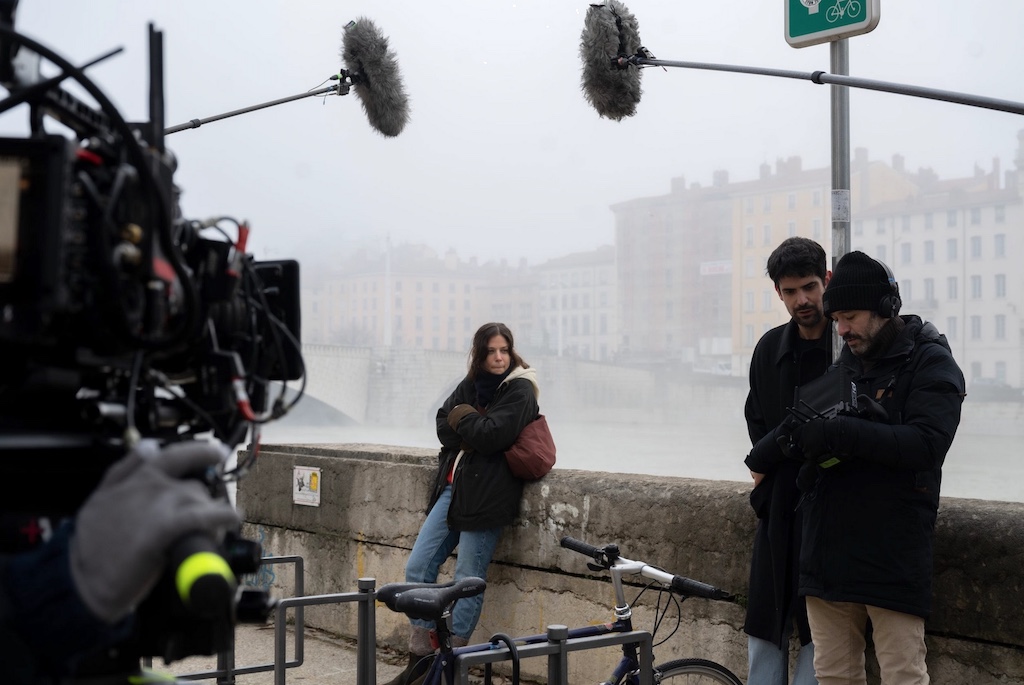
Para este proyecto, buscábamos una foto realista. Cuando hablamos de este concepto, no pienso en acercarnos a los mundos del documental, ni mucho menos… pero sí en buscar una fotografía que permita conectar con una serie de lugares comunes. Era importante poder transmitir cómo huele un bar, qué tipo de luces hay en un after o la forma en la que recordamos las habitaciones de esos pisos en los que hemos vivido nuestras grandes relaciones. Siempre he estado muy interesada en esta fotografía realista, pero desde su embellecimiento o poetización.
¿La fotografía realista en The new years parte de su experiencia en proyectos como Cardo, en los que ya podría haber explorado esta área?
Hay parte del aprendizaje que hemos hecho Claudia Costafreda y yo. Estudiamos juntas, hemos trabajado en proyectos y al final nos hemos retroalimentado en una manera de ver la realidad, dónde poner la cámara o contar ciertas cosas con crudeza; accediendo de una forma muy directa a las cosas, pero a la vez generando una poesía extraña, que a veces tiene que ver con rimas visuales o ciertos detalles que están en otras capas.
In The new years, era importante poder transmitir cómo huele un bar, qué tipo de luces hay en un after o cómo recordamos las habitaciones de esos pisos en los que hemos vivido nuestras grandes relaciones.
Con Rodrigo, no ha tenido nada que ver. Creo que Rui es la persona a la que más he oído decir “Esto está muy puesto, hay que cambiarlo, hay que buscar otra manera de hacerlo”. En ese sentido, ha sido un reto, ya que te obliga a estar pensando constantemente en cómo pelearte contra ciertos clichés o tendencias a la hora de acercarse a esos lugares comunes. Te hace irte a buscar lo más natural e intentar luchar contra la inercia de la puesta en escena.
Al final, el lenguaje fílmico y nuestro imaginario condiciona nuestra manera de ver el medio cinematográfico. Quizá, al reflejar una situación con la naturalidad de la vida real, se generaba algo extraño en la pantalla.
Hay algo interesante en esa cuestión del extrañamiento. Pienso mucho que lo que retratamos tiene más que ver con un slice of life. Entras, miras y tienes un ratito para ver por una rendija lo que está ocurriendo.
Por eso, es verdad que cuando haces el ejercicio de pensar cómo son esas cosas cinematográficamente, tiendes a hacer muy complicado una cosa que la recuerdas muy sencilla o que igual no era especialmente bella, pero para ti tuvo impacto. Igual, precisamente por eso: porque no era un momento demasiado memorable, pero, de pronto, en tu memoria sí lo era.
La fragmentación del tiempo, en The new years
¿De qué manera pasó a involucrarse en Los años nuevos?
Conocí a Rui a través de su pareja: María Ferrer, quien fue ayudante de dirección en mis anteriores proyectos. Ella ve que puede haber una química guay entre nosotros, y nos conocemos de una forma casual. Y, efectivamente, empezamos a hablar muchísimo de cine y nos entendemos. De pronto, me llama un día y me dice: “Oye, que he pensado que me gustaría hablar contigo para proponerte algo que estamos empezando…” Y de ahí, hasta hoy.
¿Cuándo se produjo esa conversación, el inicio de su trabajo en esta serie?
Fue alrededor de junio de 2023. Hacía poco que había terminado otra serie de Suma, Vestidas de azul. Pasó el verano y en agosto empezamos a plantear cosas, a ver las primeras localizaciones y tener reuniones. En septiembre empezó la preproducción y en octubre ya estábamos rodando.
One of the temas centrales of The new years es, evidentemente, el amor. Pero otro de los grandes temas es el paso del tiempo.
¿Qué posibilidades ofrece, desde el prisma de la dirección de la fotografía, el planteamiento de The new years como una ficción serial?
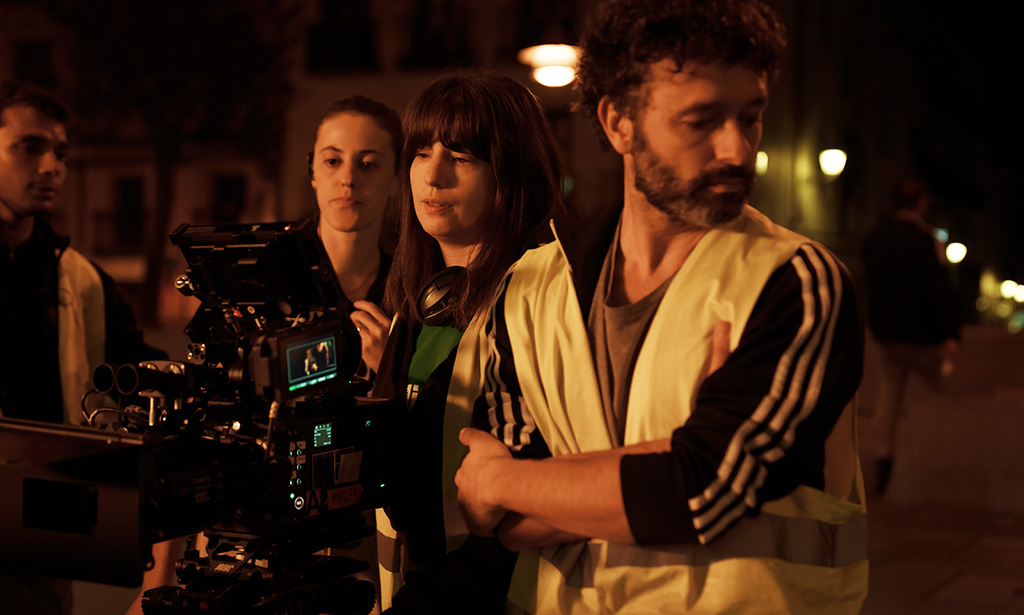
No solo permite poder extenderse en el tiempo mucho más, sino generar cápsulas dentro de ese periodo. Hay algo interesante: una manera de entender la fragmentación del tiempo. De pronto, ofrece otra posibilidad de montaje que no tiene que ver con cada capítulo, sino a nivel estructural.
Uno de los temas centrales de The new years es, evidentemente, el amor. Pero otro de los grandes temas es el paso del tiempo. Esa sensación del paso del tiempo interesa a algunos de los directores que tuvimos como referente, como Linklater.
¿Considera que la técnica cinematográfica que ponen en empleo los directores de fotografía es suficiente para marcar el paso del tiempo?
Dentro de un planteamiento fotográfico generas una especie de compromiso de lenguaje. Haces partícipe al espectador de una serie de usos técnicos a través de la fotografía. De hecho, hay grandes lugares comunes sobre esta cuestión: una imagen con grano remite al pasado, el blanco y negro… Existen códigos en la fotografía que el espectador asocia con el tiempo.
There are códigos en la fotografía que el espectador asocia con el tiempo, pero nunca tuvimos la idea de hacer algo tan precodificado, tan común. Trabajamos muchísimo para encontrar la forma en la que la técnica podría hacer el acontecimiento del tiempo.
En nuestro caso, no tuvimos nunca la idea de hacer algo tan precodificado, tan común. Trabajamos muchísimo para encontrar la forma en la que la técnica podría hacer el acontecimiento del tiempo. Por ello, decidimos utilizar las lentes anamórficas, con los formatos que eso con lleva, al principio, dado que queríamos remitir a esta espectacularización del amor, un estadio inicial de las relaciones en la que todo te parece a ti mismo una película, y estás enajenado por esa energía. Y, de hecho, era un guiño a la propia percepción del os personajes, que entendían lo que estaban viviendo de una forma peliculera.
Luego existe un corte abrupto en el capítulo 5 y la serie cambia de formato. Nos vamos a lentes esféricas mucho más largas. Todo tiene que ver con la emoción de los personajes y cómo están. A veces, están tan encajonados con los teleobjetivos para mostrar que no ven más allá de sus narices, aludiendo a la cuestión de los egos que deben solucionar. Por ello, a partir del capítulo 6 la serie empieza muy cerrada y poco a poco se va abriendo para que incluya a los dos de nuevo.
Pero, para mí, todas estas cuestiones técnicas tienen que ver, más que con el tiempo, con la emoción, la narrativa y la dirección. La foto en sí siempre está al servicio de la dirección.
Uniendo técnica y evolución vital de la pareja protagonista
¿Cómo se desarrolló el proceso de descubrimiento técnico para relatar el paso del tiempo en The new years?
Esta es una de las cosas que recuerdo con más cariño de todo el proceso, porque es una de las cosas que empezamos a hacer con Rui en agosto, al comienzo del proceso. Empezamos a lanzar un montón de ideas con una pizarra y a hacer que nos hirviera el cerebro. Sentíamos que existían dos grandes bloques, y empezamos a lanzarnos muchísimas referencias.
In it primer capítulo tenemos cámara en mano, trípode, dolly, grúa, sliders, vías… ¡Hay de todo, incluido el rango focal completo! Desde ese punto de partida fuimos quitando elementos, porque queríamos llegar al capítulo 5 con un verdadero detenimiento.
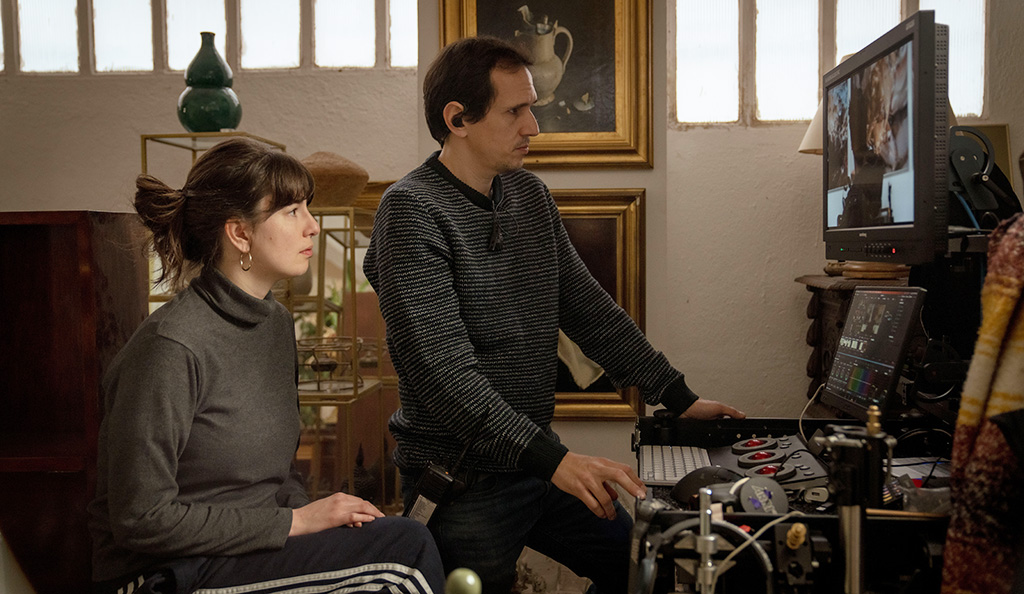
Hablamos de la cuestión del anamórfico con Paul Thomas Anderson, y hablábamos de que en Licorice Pizza la cámara no paraba casi nunca. Por ello, nos acercamos a esa idea de pura libertad al inicio de la serie. En el primer capítulo tenemos cámara en mano, trípode, dolly, grúa, sliders, vías… ¡Hay de todo, incluido el rango focal completo! Desde ese punto de partida fuimos quitando elementos, porque queríamos llegar al capítulo 5 con un verdadero detenimiento, con el estancamiento absoluto de la relación. En ese momento, para nosotros tenía todo el sentido del mundo que la cámara estuviera trincada en un trípode y tuviéramos una sola óptica. En los capítulos 6 y 7 hay unas ensoñaciones que nos permiten salir de los teles y pasar a la cámara en mano, que es la técnica que encontraremos en los capítulos 8, 9 y 10.
De alguna forma, fuimos engranando técnicamente todo lo que sucedía: son decisiones técnicas que permiten tener una continuidad casi imperceptible, pero que marca una evolución. Todo sigue cambiando hasta el 10, que es un plano secuencia cámara en mano.
En ocasiones, la dirección de fotografía traduce técnicamente las ideas creativas de la dirección. Pero puede que no haya sido tal con Rodrigo Sorogoyen, ¿verdad?
El diálogo fue un verdadero diálogo y hubo mucha conversación, a pesar de que Rui tiene las cosas muy claras. Es un gran tomador de decisiones y, además, un director muy técnico: conoce muy bien lo que hace cada una de las focales, el efecto de poner un soporte u otro, cómo trabajar los espacios, la relación de las distancias entre las ópticas… Tiene mucha conciencia técnica, lo que hizo que no tuviera que estar traduciendo demasiado, pero sí que se generara un brainstorming interesantísimo.
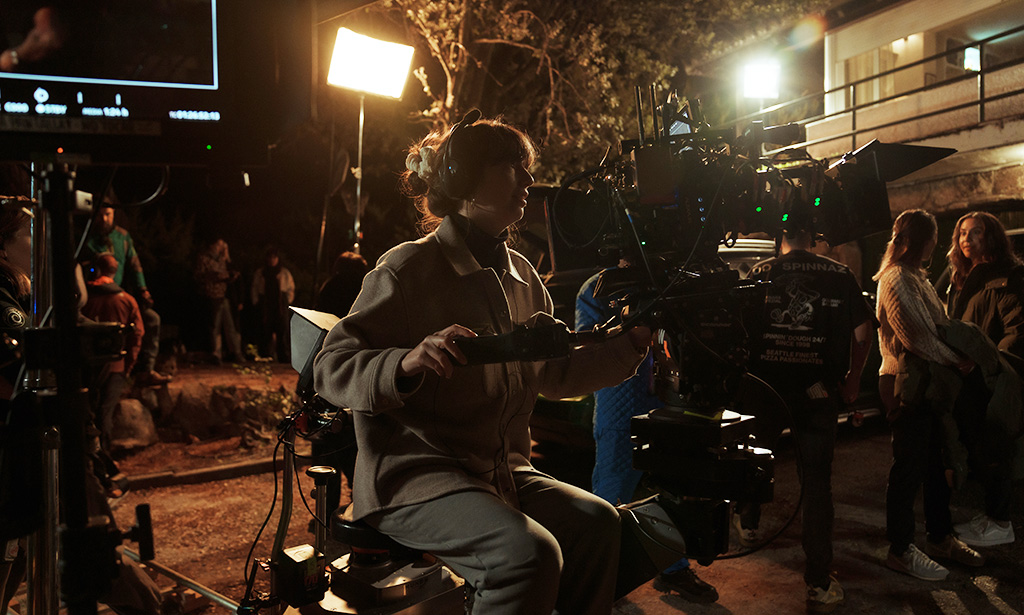
ARRI y Cooke, a favor del naturalismo y realismo
To The new years, escogieron la cámara ARRI Alexa 35. ¿Qué les llevó a tomar esta decisión?
Fue ir sobre seguro, porque tenía claro que no me interesaba rodar en full frame. Suelo tender a rodar en Super 35, ya que hay algo de la profundidad de campo que me hace sentir que la imagen está más entera. Queríamos contar esos lugares de Madrid o de cualquier ciudad que todo el mundo ha vivido en algún momento. Por eso, para mí era importante no tener personajes flotando en el vacío.
Rodrigo Sorogoyen it's a director muy técnico: conoce muy bien lo que hace cada una de las focales, el efecto de poner un soporte u otro…
Además, el sensor de la Alexa 35 es realmente una novedad interesantísima, ya que ofrece facilidades con las ISOs, enhance y sensitivity en condiciones de luz muy críticas. Lo chequeamos con el DIT, dado que por esa condición de naturalismo y realismo no quería sobreiluminar ciertos espacios y podía apoyarme en esas ISOs expandidas.
En el apartado de las ópticas, ¿cuál ha sido su opción predilecta?
Hice muchas pruebas de cámara, y lo que hizo que me decidiera por las Cooke fue el tratamiento de las pieles. Tiene unos tonos muy bonitos, cálidos y elegantes. Además, tanto el anamórfico como el esférico tenía el mismo cristal.
Creatividad y color en The new years
¿Qué escenas recuerda que fueron especialmente interesantes o desafiantes a la hora de aplicar todo este tratamiento fotográfico a la narración de The new years?
Le tengo mucho cariño a la serie, así que tengo varias escenas favoritas. Por ejemplo, pienso en el travelling del capítulo 1, el cual rodamos tres veces con tres focales distintas. Fue una locura ver los 70 metros de ese travelling montados en una calle de Madrid. Era algo muy bonito, porque te permitía acompañar a los personajes a lo largo de esa calle sin cortar lo que estaba sucediendo, pudiendo seguir conectado a la narración porque no había una ruptura temporal. Además, es una secuencia muy pensada a nivel de paleta, ya que queríamos que acabara en una localización que tuviera un color distinto que en el inicio. Al final, encontramos un azul, que además creo que es un color muy icónico a nivel de arte y paleta de luces a lo largo de toda la serie.
Luego, también pienso en la ensoñación que tiene Óscar en el capítulo 6. Llega a casa con un zoom 290, abre la puerta, deja los zapatos, avanza a la habitación, la cámara panea y, cuando se está quitando la camiseta, despierta Ana. Es un momento onírico que técnicamente me parece muy bonito, ya que mantiene la continuidad y hace colisionar algo muy costumbrista con un momento misterioso de siluetado. También habría que destacar el plano del último capítulo, en el que también se pone de relieve el tiempo.
¿Cómo ha sido el tratamiento de The new years desde la sala de color?
Ha sido un proceso muy largo, la verdad. Me he sentido como si hubiera hecho varias películas. Pero fue hermoso de verdad. Al final, nos permitió dar cohesión a esas ideas que estaban planteadas, afinando, puliendo y elevándolo todo. Hicimos el proceso en Elamedia, diseñando inicialmente el tratamiento con Juan Hernando, pero con Sandra Otero como colorista durante todo el proceso. El máximo reconocimiento para ella, ya que ha sido una superbuena compañera para hacer todo este viaje. Nos hemos peleado con las imágenes, hemos vuelto a abrir cosas para retomar lo que buscábamos… Ha tenido una paciencia enorme, muy buen ojo y mucho gusto para encontrar esas paletas tan representativas de la serie.
After The new years, ¿qué proyectos tiene en el horizonte?
Me encuentro haciendo las localizaciones de Yo siempre a veces, una nueva serie que produce Take Content con Marta Loza y Marta Bassols como creadoras. Dirige Claudia Costafreda otra vez, acompañada de Ginesta Gindal y de Marta Loza, que también dirige un capítulo. Yo voy a fotografiar los seis capítulos de la serie y va a ser muy bonito. Me gusta tener la oportunidad de cambiar de directoras y ver cómo se entienden entre ellas. Al final, cuando estás sola, tienes esa responsabilidad de mantener una cohesión y de organizar la información. El proyecto tiene muy buena pinta y me apetece un montón. Cansada, pero contenta.
An interview by Sergio Julián Gómez
Did you like this article?
Subscribe to our NEWSLETTER and you won't miss anything.
Related articles
 Publiespaña celebrates 35 years facing new challenges with an eye on AI and Connected Television
 Atresplayer celebrates 5 years with more than 600,000 subscribers and twenty new projects
 ARTE France joins the production of the new Movistar Plus+ original series 'Los Años Nuevos'
 Paramount+ grows in new territories through Xbox
 Sorogoyen once again trusts Movistar Plus+ to give life to 'The New Years', his next series
 Netflix and Nostromo begin filming 'Across the Sea', sequel to the successful 'Through My Window'
 Pablo Rosso: photographing the universe of Álex de la Iglesia ('30 coins', 'Veneciafrenia')
 New TVU Remote Commentator Position Delivers Broadcast-Quality Real-Time Audio Over the Internet
 Pay television in Africa will add 17 million new subscribers in five years
 AJA celebrates 25 years responding to new HDR and 12G-SDI challenges
 The Hispasat 4K Festival and RTVE make new 4K content available to the public through the 'Red Button'
 'The Ministry of Time' opens its season with new guest directors and the expansion of its transmedia universe
 Planeta Junior celebrates fifteen years betting on the creation of new content
 TVE takes a risk with 'El Ministerio del Tiempo' with new formats