





Trends and future of motion systems in broadcast environments
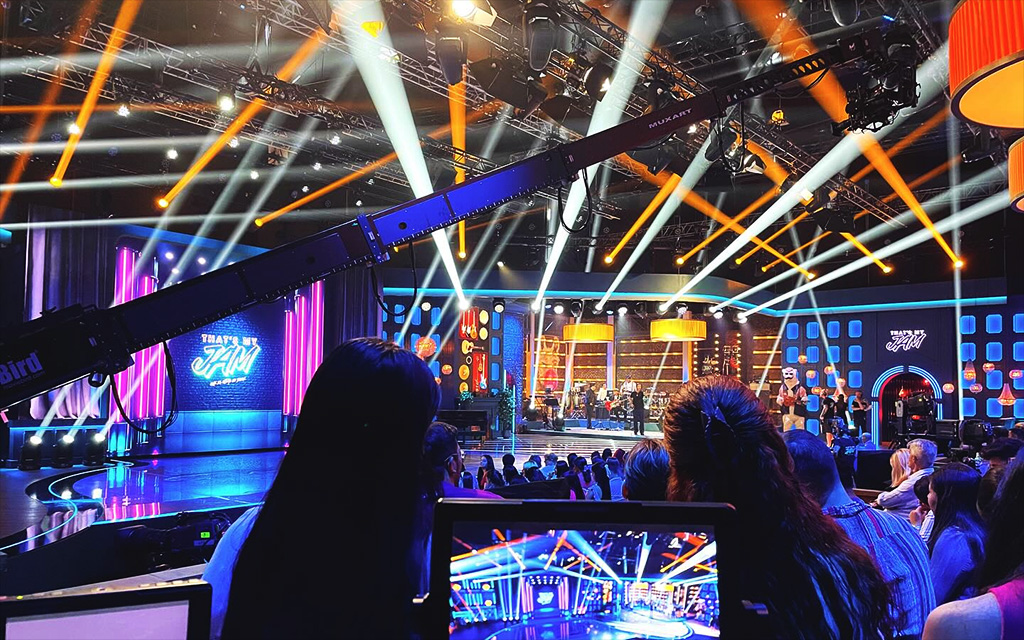

En esta tribuna, Gerard Puig, CEO de Muxart, analiza la actualidad de los sistemas de movimiento en el broadcast, un área en expansión que ha visto un importante progreso conceptual y técnico durante los últimos años.
La evolución de los sistemas de movimiento en el entorno broadcast en los últimos años ha sido tan acelerada como transformadora. Lo que antes requería grandes equipos humanos y estructuras complejas, hoy puede resolverse con sistemas digitalizados, automatizados y operados por una sola persona. Este cambio no solo ha optimizado los recursos técnicos y humanos, sino que ha ampliado enormemente las posibilidades creativas y narrativas de los contenidos televisivos y audiovisuales.
Automatización e integración: el nuevo estándar
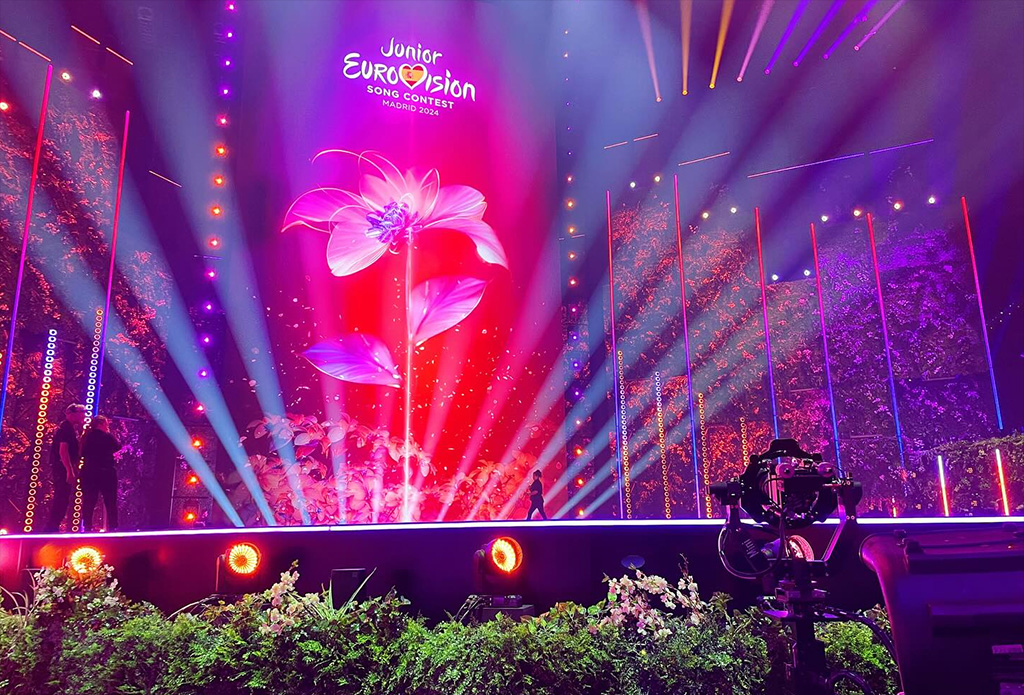
Bajo mi punto de vista —desde la experiencia directa en platós y entornos de producción en directo—, la tendencia más clara es hacia sistemas digitalizados y programables, que permiten preconfigurar movimientos de cámara y posiciones con una precisión milimétrica. Un solo operador puede introducir todos los parámetros antes de la emisión, y durante el directo simplemente ejecutar lo ya programado. Este enfoque reduce el margen de error, agiliza los flujos de trabajo y minimiza la necesidad de personal técnico en plató. El soporte humano se reserva para tareas de supervisión, ajustes de último momento y resolución de incidencias.
Este tipo de automatización se combina cada vez más con entornos virtuales y realidad aumentada. La capacidad de sincronizar movimientos físicos de cámara con entornos generados por ordenador ha abierto una nueva dimensión a los espacios de broadcast, especialmente en informativos, programas de entretenimiento y platós deportivos. Ya no se trata solo de mover una cámara, sino de integrarla perfectamente en una escenografía digital interactiva. Aquí es donde entra en juego la importancia del tracking en tiempo real, los protocolos como FreeD y la compatibilidad con motores gráficos como Unreal Engine o Vizrt.
Cámaras PTZ: de lo funcional a lo profesional
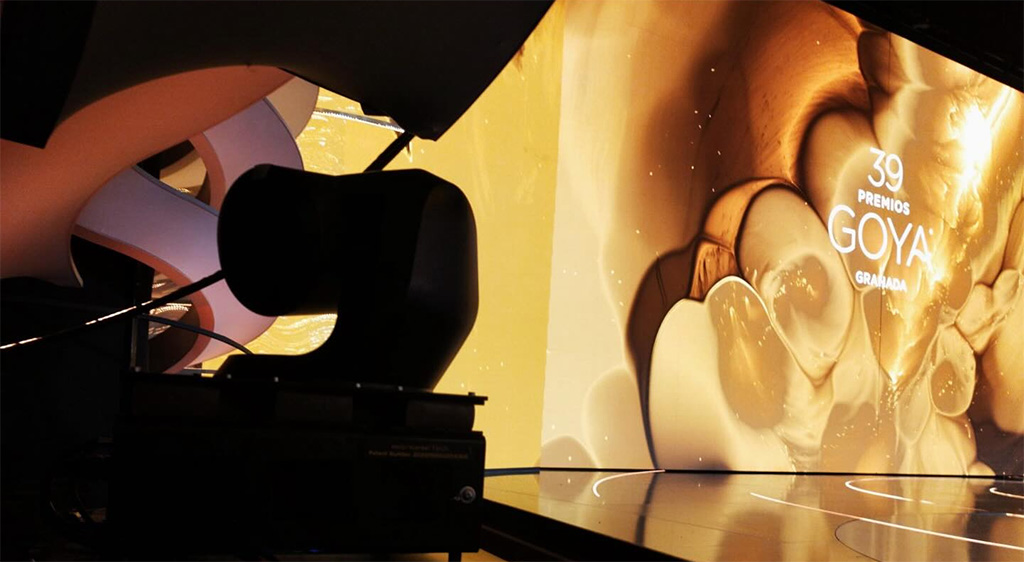
Otro salto cualitativo en los últimos años ha sido la evolución de las cámaras PTZ (pan-tilt-zoom). Tradicionalmente asociadas a entornos más funcionales o de bajo presupuesto, las nuevas generaciones de cámaras PTZ ofrecen calidades de imagen muy competitivas, sensores más grandes, ópticas de mayor calidad and one fluidez en los movimientos que hasta hace poco era impensable.
Su integración con software de control, memorias de posición y sincronización con sistemas de movimiento como sliders motorizados o columnas robotizadas ha hecho que se conviertan en una herramienta habitual incluso en entornos broadcast de alto nivel. Empresas especializadas han comenzado a desarrollar soportes y plataformas exclusivas para cámaras PTZ, permitiendo movimientos horizontales o verticales programables, con una estabilidad y precisión que hace pocos años solo encontrábamos en cine o publicidad.
El resultado es un sistema completo, compacto y muy eficiente, capaz de ofrecer resultados visuales dinámicos y profesionales donde los operadores de cámara programan con anterioridad y durante la grabación supervisan.
Crecimiento del uso de cabezas estabilizadas
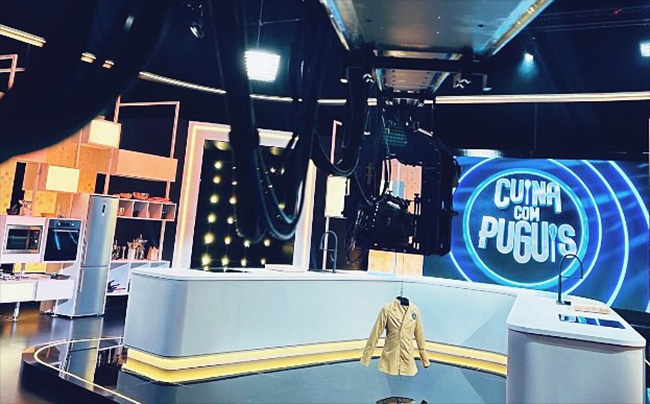
Otra evolución clara, especialmente en los últimos tres o cuatro años, es el crecimiento exponencial del uso de cabezas estabilizadas. Si antes eran un recurso limitado casi exclusivamente a producciones de cine de gran presupuesto o series de alto nivel, hoy es habitual verlas en todo tipo de proyectos audiovisuales, incluidos algunos formatos de televisión en directo, conciertos y retransmisiones deportivas.
La democratización de estas tecnologías —gracias a la aparición de modelos más asequibles, ligeros y adaptados a entornos broadcast— ha hecho que cada vez más producciones opten por incorporar una cabeza estabilizada, ya sea montada en una grúa, en un vehículo o incluso combinada con drones o sistemas de cablecam y Spidercam.
Estas cabezas permiten movimientos más fluidos, envolventes y dinámicos, mejorando la narrativa visual y aportando un plus de espectacularidad que hoy en día es muy valorado por las audiencias. Además, su compatibilidad con controles remotos y sistemas de seguimiento automático facilita su integración en producciones complejas sin necesidad de grandes equipos humanos.
Una industria en movimiento
La evolución de los sistemas de movimiento en entornos broadcast ha sido constante y, en muchos aspectos, necesaria para adaptarse a las nuevas exigencias del sector. La automatización, la integración con entornos virtuales y la mejora en la calidad técnica de los equipos han permitido optimizar recursos y ampliar las posibilidades de realización.
A medida que estas tecnologías se consolidan, es previsible que su uso se generalice aún más, facilitando producciones más versátiles y eficientes. Sin duda, el movimiento seguirá siendo un elemento esencial dentro del lenguaje audiovisual, aunque con herramientas cada vez más adaptadas a los nuevos tiempos y formatos.
Gerard Puig
CEO of Muxart

Did you like this article?
Subscribe to our NEWSLETTER and you won't miss anything.
Related articles
 Cinebot Nano expands MRMC motion control systems with ultra-portable solution
 WTVision will anticipate “the future of broadcast” at NAB 2025: remote productions, virtualized environments…
 Business management systems in broadcast: evolution and future in the third generation of BMS
 Avid anticipates an “open and collaborative” future in broadcast environments during NAB 2024
 5 tendencias que definen el futuro de las aplicaciones
 Abacanto renews its commitment to 4K-HDR production environments and hybrid SDI/IP systems
 Open television: current situation and future trends of DTT
 This is and this is how the future of tape storage in broadcast environments will be
 Crosspoint and Grass Valley anticipate the future of live production in 4K and IP environments
 Four future trends in online video
 Aicox, at BIT Broadcast 2014, with its systems for broadcast, satellite and radio broadcasting
 Young people and new future trends in radio and television consumption
 New trends and implementations in sensor technology for the future of live production
 Nuevos entornos de futuro alrededor de la TV conectada