





‘Fury’ (HBO Max): brave photography and color for an “extreme” series
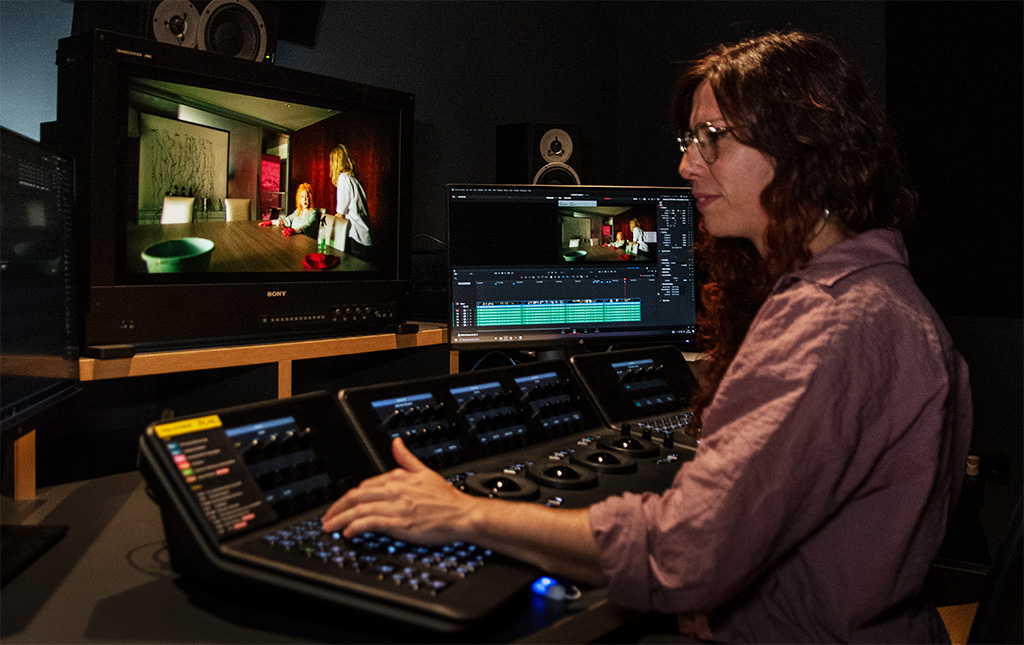

Carlos Cebrián Renau, director de fotografía, y Teresa Giménez Benavides, colorista, abren la puerta al universo de ‘Furia’, una serie original de HBO Max creada, dirigida y escrita por Félix Sabroso y protagonizada por mujeres en situaciones límite.
Es, posiblemente, una de las revelaciones de la temporada. Fury transporta al espectador a un contexto visual tan familiar como emocionante. Con la personalidad por bandera, la serie retrata los tiempos “casi psicóticos” en los que vivimos y los traduce en unas situaciones emocionantes, colores vibrantes and a tratamiento óptico y visual completamente diferenciado de producciones coetáneas estatales a lo largo de ocho episodios de 30 minutos.
Candela Peña, Carmen Machi, Cecilia Roth, Nathalie Poza y Pilar Castro son las mujeres que se ven obligadas a lidiar con “ese ataque de nervios”, encontrando en el proceso a la venganza como la mejor arma posible. Al igual que el verbo se hizo carne, la premisa se hace imagen a través de herramientas tecnológicas que permiten canalizar una trama vibrante en imágenes, como evidencia la elección de la RED Raptor, sospechosa habitual en contextos en los que el color ocupa un papel central; la familia de lentes Hugo de Leitz, que rescata la personalidad de las Leica M y las traduce al mundo cinematográfico, y DaVinci Resolve de Blackmagic, cuya versatilidad para el etalonaje la convierte en la elección predilecta del equipo de color.
Félix Sabroso firma el que posiblemente sea su proyecto más personal y, para llevarlo a cabo, se ha rodeado de dos profesionales que no dudan en afirmar que Fury ha sido uno de los proyectos más fascinantes de su trayectoria: Carlos Cebrian (Ladies of the (h)AMPA, Serrines, madera de actor, Sin novedad) y Teresa Giménez (La favorita 1922, Ladrones: la tiara de santa Águeda, Paraíso). El director de fotografía y la colorista de Picnic Post reflejan cómo ha sido trabajar en dar forma a una obra que se ha ganado el reconocimiento de crítica y público.
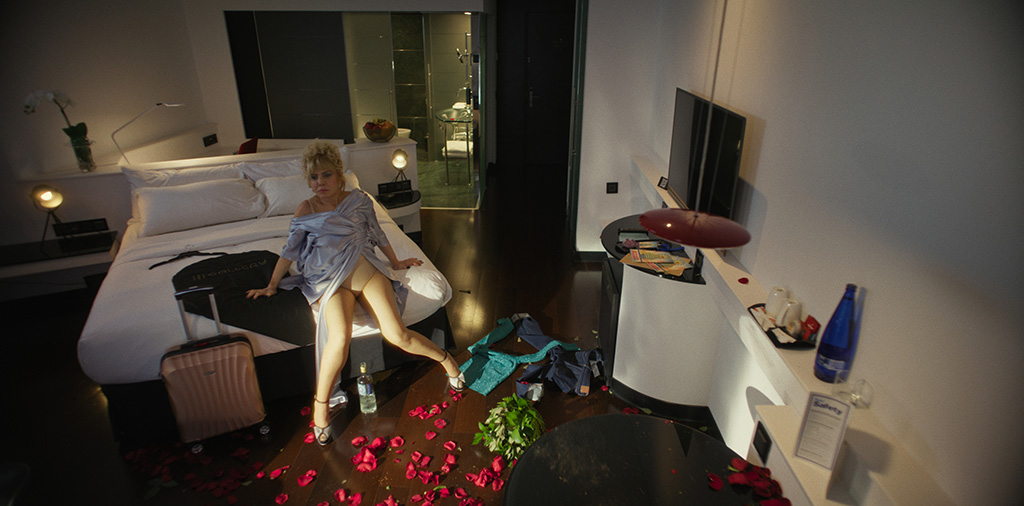
Creando visualmente una serie “extrema”
Fury is a rara avis entre las series en la nueva era de las plataformas. Aquella era que nos iba a traer historias valientes y diferenciadas ha acabado brindando una marcada homogeneización formal y narrativa, en tanto la estrategia ha virado de llegar a nichos a llamar a la masa. La mera existencia de este tipo de obras es un éxito para la industria en la actualidad, aunque ello haya provocado importantes quebraderos de cabeza al equipo técnico-artístico de la serie. “Como todos los personajes son tan extremos, al igual que las tramas, cuando llegamos a color sabíamos que existía una línea que no teníamos que superar. Si lo hacíamos, nos poníamos por delante de la historia y aquello no funcionaba. Por ello, encontramos nuestra zona a dos centímetros de esa línea. En eso, tanto Teresa como Félix ayudaron un montón. Fue un proceso muy bonito, la verdad”, explica Cebrián.
Carlos Cebrián: “Como todos los personajes son tan extremos, al igual que las tramas, cuando llegamos a color sabíamos que existía una línea que no teníamos que superar”.
Dirección de fotografía y color han ayudado a reforzar una “fuerte apuesta visual”, en la que todo lo que sucede sobre pantalla “tiene mucha intención”. Desde la fase de preproducción, en la que Giménez ya se involucró para ayudar a ir definiendo la estética final que acabaría siendo trabajada en sala, se hicieron decenas de pruebas para lograr encontrar el equilibrio en este particular castillo de naipes. De esta forma, se trabajaron desde detalles como el color de pelo del personaje de Marga (Carmen Machi), que tuvo que ser captado a la perfección por la cámara; las localizaciones, incluyendo una “casa del óxido” que puso a prueba la pericia de Cebrián y su equipo, o la aplicación de angulares con las actrices, que requirió “no pasar nunca ese límite, pero sí acercarse lo máximo posible”, según el director de fotografía.
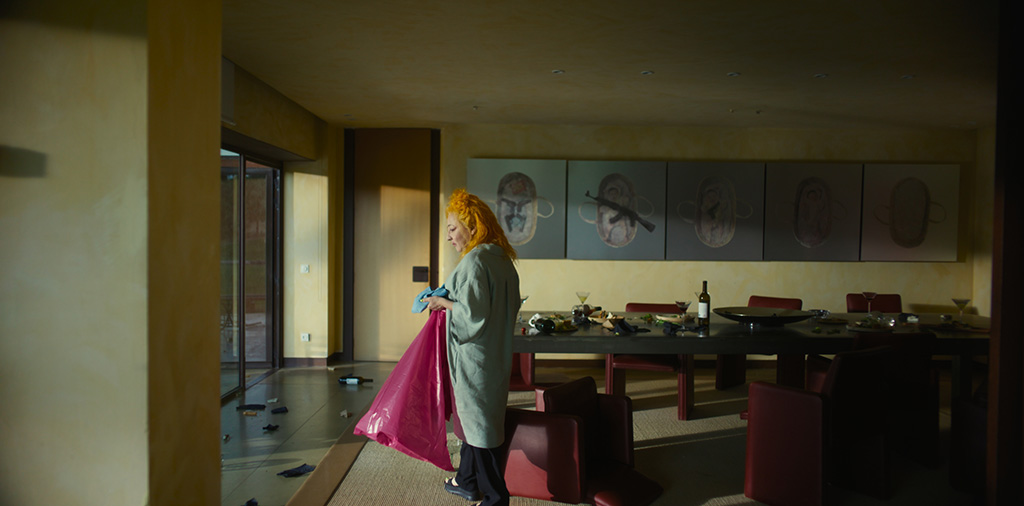 El propio texto de Fury propició la creatividad en numerosas fases. La serie aúna diferentes historias y personajes, con puntos en común pero también con entornos completamente dispares: desde una mansión idílica hasta la intimidad de un piso oscuro y recogido. Esta variabilidad de entornos y situaciones se resolvió en las pruebas con “cuidado”, como trasladan Cebrián y Giménez.
Aun así, la serendipia del propio rodaje acabó arrojando fugas comunes que ejemplifican la importancia del color en toda la ficción. En palabras de Giménez: “En la sala, rebajamos amarillos y la intensidad de según qué entornos, pero siempre de manera sutil. Sin embargo, luego nos dimos cuenta de que, según avanzaba el rodaje de la serie, seguían apareciendo algunos tonos constantemente. Gracias también a un departamento de arte bien coordinado con la fotografía, todos los escenarios quedaban unidos de alguna manera”.
Sabroso trabajó intensamente en el diseño inicial del universo visual of Furia. El creador canario entregó extensos dosieres visuales a perfiles como el de Cebrián con decenas de referencias sobre el uso de angulares y looks visuales. Los planos se trabajaron desde la preproducción, y todo estaba planeado a la hora de rodar. No obstante, el espíritu “extremo” de la serie acabó traspasando fronteras y generando imprevistos que siguieron alimentando el espíritu “punk” de la serie: “Localizamos una gasolinera para una secuencia entre Marga y Tina, íbamos a rodar y, de repente, se nos cayó y nos fuimos a rodar a otra sin haberla localizado. Y la verdad es que quedó mejor que la otra que teníamos”.
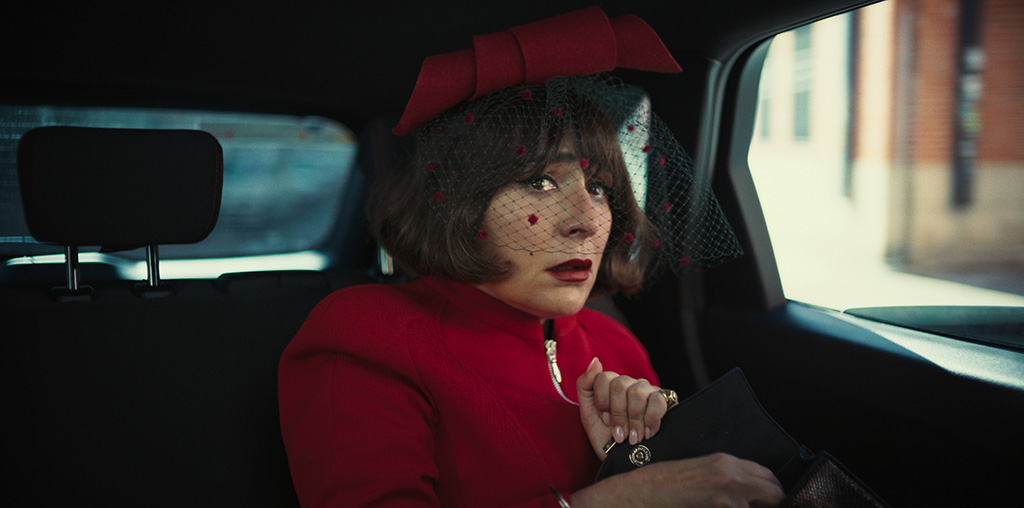
Creatividad y colaboración sin líneas rojas
La visión de Félix Sabroso, lejos de ser estanca, supo abrazar las ideas de sus compañeros de producción. Los diferentes departamentos tuvieron espacio para la expresión personal y conformaron unidades creativas cuyas ideas fueron consideradas para dar forma a Fury. “Son un equipo maravilloso en términos de comunicación, porque a Félix le gusta hablar, pero también delegar”.
Teresa Giménez: “En general, los directores y directores de foto llegan a la sala de color con unas preocupaciones normales del rodaje. La sala de color no debe ser un punto de estrés”.
Para hacer realidad su propuesta, Sabroso se acompañó de Jau Fornés a la dirección de dos episodios. Junto a Cebrián, este triunvirato definió el foco de la fotografía de la serie. Todos jugaron diferentes papeles en los sets y localizaciones. Tal y como recuerda el director de fotografía: “Félix estuvo muy pendiente de los actores, y Jau es una persona muy visual y también estaba muy encima del proyecto en todo momento. Fue un proceso muy bonito”.
A pesar del control creativo de Fury, la incertidumbre de lo rodado, apoyada en realidades o miedos infundados, hizo acto de presencia. En este punto, Giménez no solo se encargó de hacer realidad los ambientes en postproducción, sino también de aportar tranquilidad al equipo en aquellos momentos más inciertos: “En general, los directores y directores de foto llegan a la sala de color con unas preocupaciones normales del rodaje. La sala de color no debe ser un punto de estrés. Luego ya, en la fase de postproducción, te puedes liar más o menos, pero la realidad es que en Fury no hubo ningún problema. Todos estábamos encantados”.
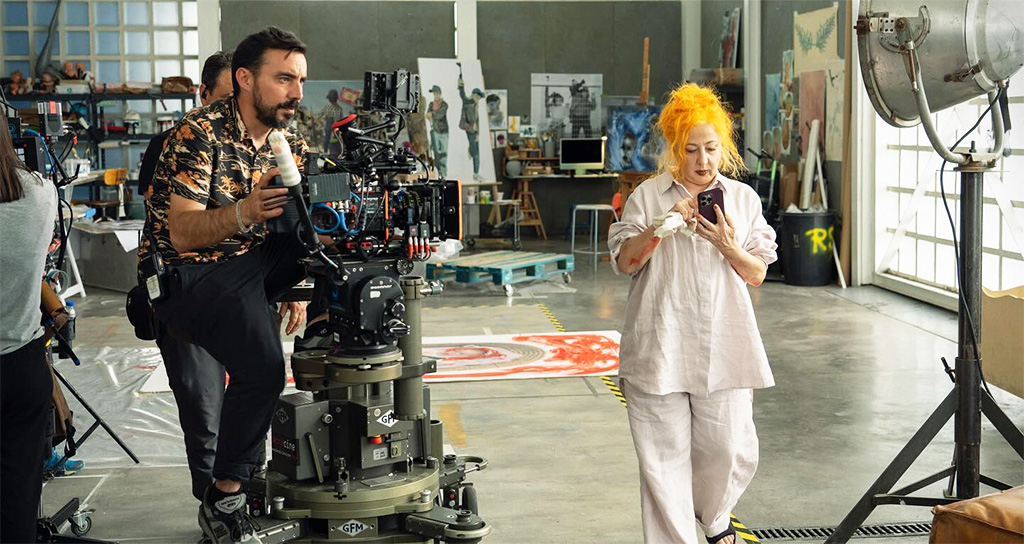
La cámara y lentes de Fury
La primera temporada de Fury tomó forma con la cámara Raptor X de RED, una cámara con la que Cebrián había trabajado en su último proyecto y que cumplía el principal requisito de la producción: “Teníamos muy claro que la cámara tenía que ser full frame. Y en este campo, respecto a sus competidoras, tiene muchas ventajas a nivel de rango dinámico y captación de los colores. Además, me parece mucho más versátil y transparente. Tú ves algo rodado con Alexa con una lente delante y sabes que es la cámara de ARRI. La RED te deja ver más el objetivo que tiene”.
La elección de la óptica requirió de numerosas pruebas que acabaron en la elección de la familia Hugo de Leitz, unas lentes definidas por el director de fotografía como “muy pictóricas”. Procedentes de las cámaras telemétricas, habituales del fotoperiodismo de los 60 y 70, se caracterizan por formar la imagen muy cerca del sensor de la película, una particularidad que ha hecho que no pudieran ser adaptadas al cine hasta hace relativamente poco. “Hay un montón de imágenes muy famosas que tenemos en la cabeza que se han hecho con estos objetivos. Funcionan muy bien. Hicimos unas pruebas, se las enseñé a Félix y le entusiasmaron. El único inconveniente es que tienen un viñeteo considerable que hemos tenido que abordar en postproducción”, explica Cebrián sobre la elección. En paralelo, Cebrián usó en varias tomas lentes bifocales para poder tener en foco a personajes ubicados en diferentes planos.
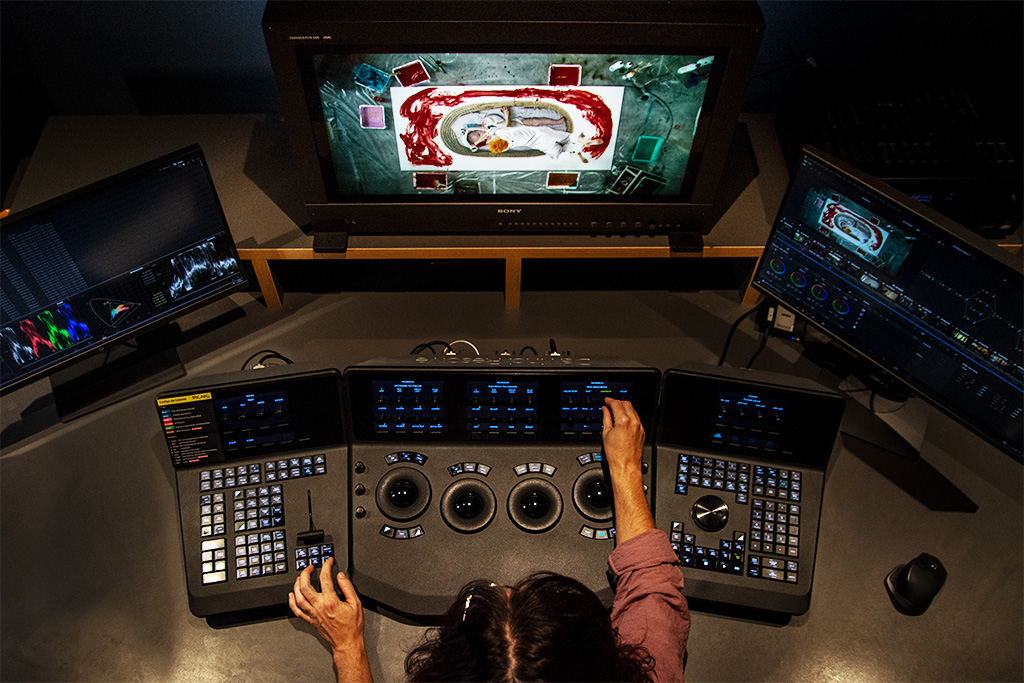
Un trabajo decisivo desde la sala de color
Teresa Giménez es una de esas coloristas que se califican como inconformistas. Comparte este adjetivo con Cebrián: son de esos profesionales que, sin límites, pueden pasar decenas de horas ajustando su trabajo. Por suerte (o desgracia), los frecuentemente apretados calendarios de postproducción les permiten delimitar su actividad. “Como media, a lo mejor tenemos cuatro días por capítulo. No hay término medio. Aquí en Picnic tenemos que ser muy ordenados en el proceso, porque diferentes departamentos intervienen en el mismo proyecto, casi solapándose a veces. Afortunadamente el hecho de estar todos en las mismas instalaciones ayuda a cumplir con los deadlines”, explica la colorista.
Teresa Giménez: “Cuando vi el primer capítulo me encantó, pero para nada me habría imaginado el tipo de serie que era al final. Hasta que no te ves los últimos capítulos, no te haces el retrato entero”.
Fury no ha sido una excepción. En este caso, Picnic ha gestionado laboratorios, efectos, color y deliveries. Por eso, antes de comenzar a trabajar en el color como tal, Giménez ya iba asomándose a diferentes brutos para ir siguiendo el material rodado y haciendo pequeñas pruebas para comprobar “cómo reaccionaba el material, las lentes, los viñeteos y la Red Raptor”. De esta forma, cuando se enfrentó a la serie con DaVinci Resolve and his Advanced Panel, ya estaba preparada para abordar una producción que ha requerido de un importante foco narrativo: “Cuando vi el primer capítulo me encantó, pero para nada me habría imaginado el tipo de serie que era al final. Hasta que no te ves los últimos capítulos, no te haces el retrato entero. Por eso, me guiaba por las indicaciones de Carlos o Félix, que me animaban a llevarme unos tonos para otros momentos según avanzaba la trama”.
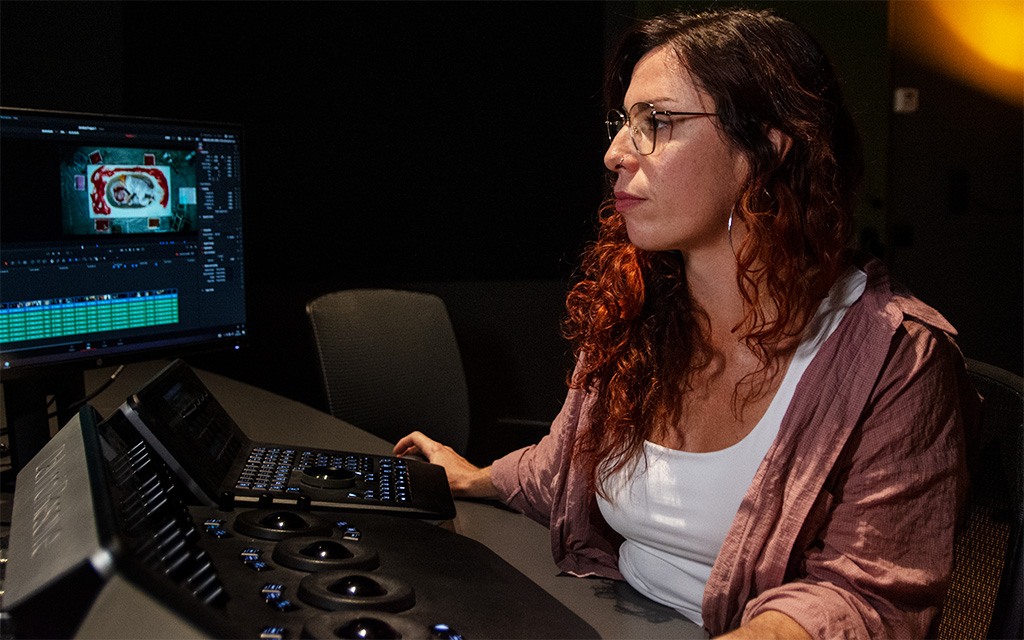 A la hora de trabajar con el software de Blackmagic Design, la colorista ha exprimido herramientas como Color Warper, el cual ha sido fundamental para abordar la siempre vibrante captación de colores de la cámara RED Raptor, así como los vectores de color o las curvas, los cuales fueron fundamentales para la cromaticidad de la imagen. El proyecto fue acometido con la v19 de DaVinci. Ahora, una vez implementada la última actualización, la versión 20, Giménez ha estado probando new workflows que, como ella misma reconoce, hubieran sido de gran utilidad para Fury: “Ahora han sacado los stacks de color, los cuales son un añadido muy realista con respecto a por dónde va el etalonaje ahora mismo. En Fury todavía no los tenía y usábamos mucho los grupos por secuencias para ver qué tal le sentaba. Con esa rapidez que te aporta, puedes tener una secuencia igualada y con una intención, para posteriormente hacer cambios”. Asimismo, la responsable de color implementó una DCTL (DaVinci Color Transform Language) que agilizó muchos de sus procesos: “Una de las cosas que más me gusta de DaVinci es lo fácil que es integrar herramientas externas. No necesitas herramientas complejas: lo puedes copiar a la carpeta que tiene que ir y empiezas a probar. A veces no es lo que estabas buscando, pero hay otras ocasiones que sacan herramientas muy potentes, las testeas, las introduces en un proyecto y te sirven perfectamente”.
Entre los mayores desafíos del etalonaje de Fury, Giménez recuerda su trabajo para encontrar el código para los niveles de exposición y brillo de los exteriores, o la entrega de premios al personaje de Cecilia Roth: “Había que tratar bien la imagen de Cecilia porque estaba muy cerca de la cámara con colores muy potentes. Dulcificamos la textura de la imagen y quitamos la dureza de los focos con Glow. Recuerdo ponerle mucho mimo. Cuando llegaron Tedy (Ndr: Villalba Jr., productor), Félix y Jau, les encantó”.
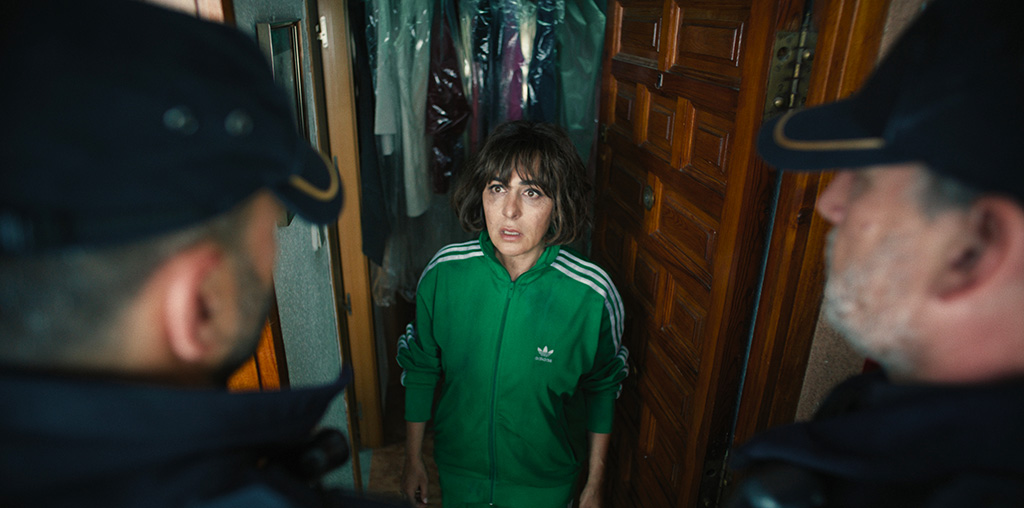
Diez temporadas de Fury más
To Carlos Cebrian y Teresa Giménez, la experiencia de trabajar en Fury ha sido revitalizadora. La unión de profesionales de calidad, un proyecto interesante, libertad creativa y comunicación efectiva carga sus palabras con la emoción que implica la pertenencia a una obra artística.
Carlos Cebrián: “Hay una secuencia de Nathalie Poza (Adela) con Marilú Marini (Pilar) con muy poca luz en la que todo sucedió de verdad. […] Hoy en día, los sets son muy ruidosos. Por eso, cuando hay silencio, es porque está pasando algo. Estaba pasando algo de verdad delante de la cámara y todo el mundo en el equipo lo podía sentir. Y eso ha pasado un montón de veces en Fury”.
“Muchas veces, uno es un profesional y hace muchos tipos de trabajo. Hay algunos productos que son más comerciales; tienen menos alma, por así decirlo. Pero al final, cuando uno se dedica a contar historias es porque es una persona sensible y le gusta este tipo de cosas. Entonces, de repente, encontrarme con un director que es superculto, superhumilde, que te deja trabajar de esta manera, que te propone…; con un elenco de actrices potentes con historias a la altura, y con productores como Tedy Villalba o Santi Botello, que nos han dejado hacer lo que nos ha dado la gana… Pues ha hecho que más de una vez me haya emocionado”, reconoce el director de fotografía, recordando un momento específico en el set: “Hay una secuencia de Nathalie Poza (Adela) con Marilú Marini (Pilar) con muy poca luz en la que todo sucedió de verdad. Me acuerdo de estar llorando. Tener esa sensación de no ver nada. Y, de repente, surgió la magia: a Marilú le cayó la luz en el ojo y fue entonces cuando me di cuenta de que todo el mundo estaba callado. Hoy en día, los sets son muy ruidosos. Por eso, cuando hay silencio, es porque está pasando algo. Estaba pasando algo de verdad delante de la cámara y todo el mundo en el equipo lo podía sentir. Y eso ha pasado un montón de veces en Fury”.
“Yo me pasaría 10 años rodando 10 temporadas de Furia con Félix, con Teresa, con Tedy”, concluye Cebrián, con un entusiasmo compartido por su compañera: “Yo estoy supercontenta. Lo comentábamos en Picnic: tanto el departamento de masterizado, como el de supervisión de efectos. Ha sido un placer, y no es tan frecuente la sinergia de equipos que se ha producido. Así da gusto. Lo compartía con Carlos: raras veces se dan todas estas condiciones en un proyecto y Furia ha sido uno de ellos”.
A report by Sergio Julián Gómez
https://youtu.be/yTobnGsS85I
Did you like this article?
Subscribe to our NEWSLETTER and you won't miss anything.
Related articles
 Pau Esteve Birba and the photography of 'Los Tigres': light and color, in and out of the water
 Color for life and death: grading of 'The Room Next Door' (Pedro Almodóvar)
 Filming begins on “Furia”, a series with great actresses at the helm produced by Mandarina for Max
 iGene Media opta por BPM para su nueva suite de gradación de color en Londres
 The URSA Mini Pro 12K, chosen by cinematographer Stuart Dryburgh, ASC to shoot his latest short film
 Dock10 elige Leader LV7600 para la corrección de color 4K/UHD y HDR
 The Spanish video game production industry continues to grow although with extreme fragmentation
 Spanish colorists carry out the color correction of the 'StartUp' series shot in 8K with RED with Mistika
 Paolo Vasile at BIT Experience: “at Mediaset we have always made prudent but brave decisions”
 Atresmedia and Shine Iberia begin recording the extreme adventure format 'La isla'
 Monitoring for color: a key issue in 4K and UHD environments
 ARRI introduces new pattern for high-speed photography HMI
 Sony PCL apuesta por DaVinci para corrección de color
 Rosco Quickcolor: vainas de color para fluorescentes