





Cabal Esports y Lastlap lideran la producción de la gran final europea de ‘League of Legends’ en Madrid con tecnología de Riedel
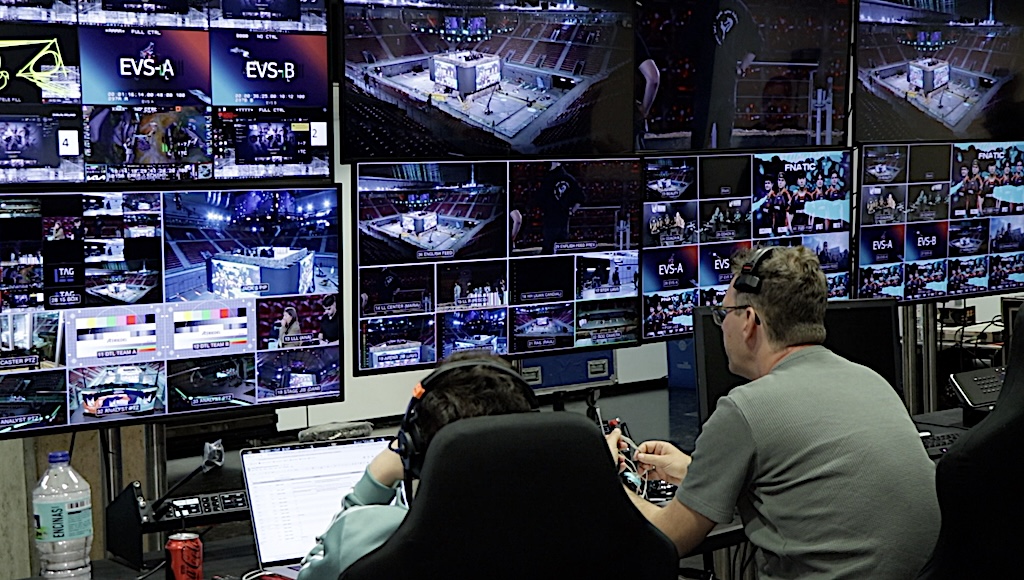
La Caja Mágica en Madrid acogió la final europea de ‘League of Legends’ EMEA Championship (LEC), la máxima liga europea del popular videojuego organizada por Riot Games que confío en Cabal Esports Productions y Lastlap para la producción de este gran evento internacional en el que la fiabilidad de las comunicaciones con Riedel resultó clave.

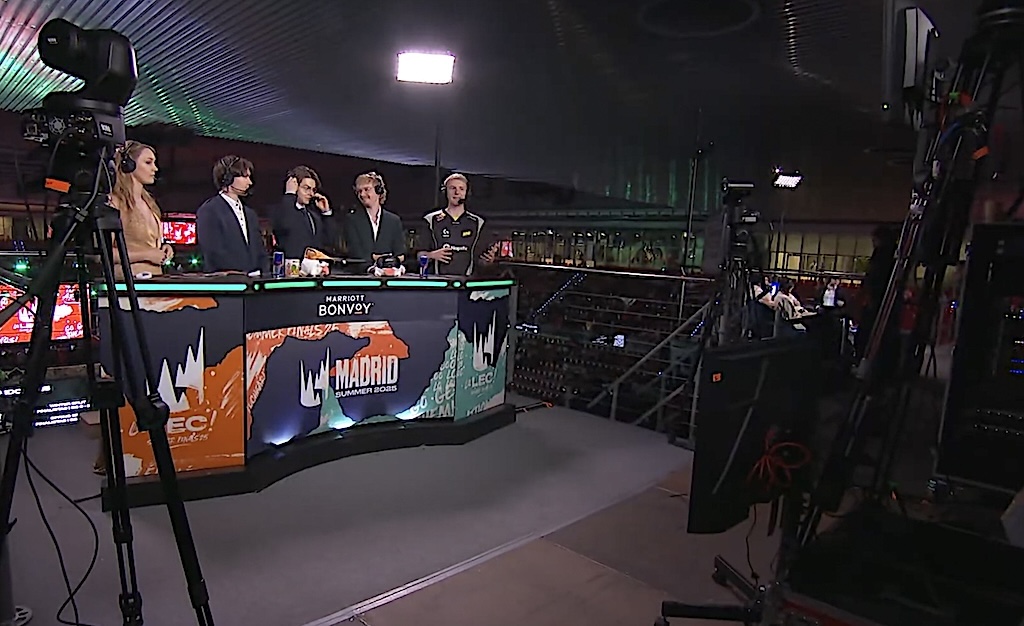
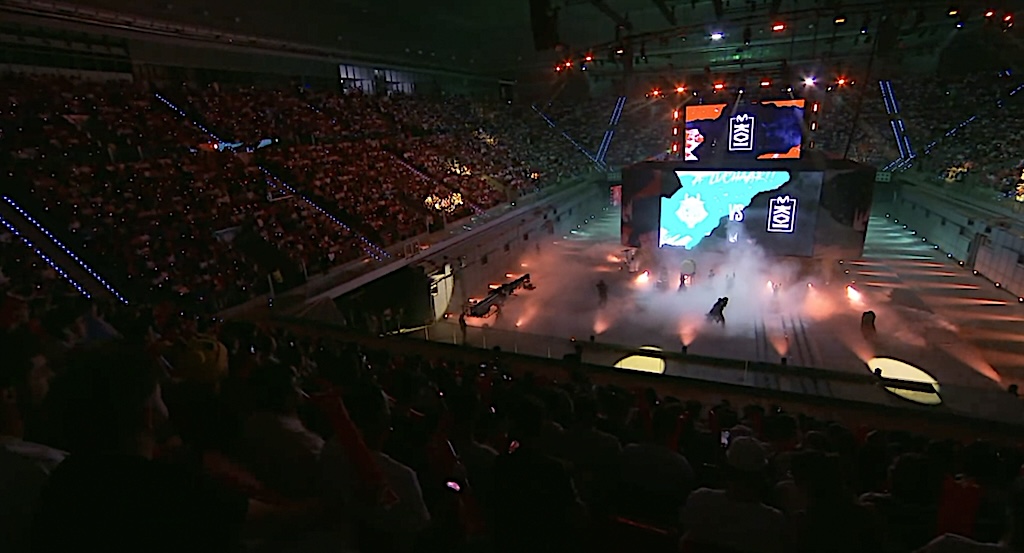 League of Legends es un videojuego competitivo por equipos en cuya final presencial dos equipos de cinco jugadores se enfrentan en un mapa con el objetivo de destruir la base del rival. Cada jugador controla un personaje distinto con habilidades únicas, lo que convierte las partidas en duelos de estrategia, coordinación y reflejos. En esta ocasión, en la final que tuvo lugar del 26 al 28 de septiembre en Madrid, G2 Esports se impuso a Movistar KOI en la final de un evento de gran alcance económico que combina patrocinios, venta de entradas, retransmisiones y merchandising. Los clubes invierten en plantillas, entrenadores y, por supuesto, producción audiovisual internacional al más alto nivel cuyo epicentro es un escenario monumental con jugadores elevados a 10 metros de altura con 460 metros cuadrados de pantallas LED desde las que el público presente pudo seguir cada detalle.
Para la final que reunió a más de 27.000 asistentes y millones de espectadores online en todo el mundo, Riot Games, que habitualmente trabaja con productoras norteamericanas, confió en el talento español de la agencia Lastlap y la productora Cabal Esports. Mientras que la agencia se encargó de la planificación, diseño escenográfico y ejecución del espectáculo, de la producción audiovisual internacional se encargó Cabal Esports Productions.
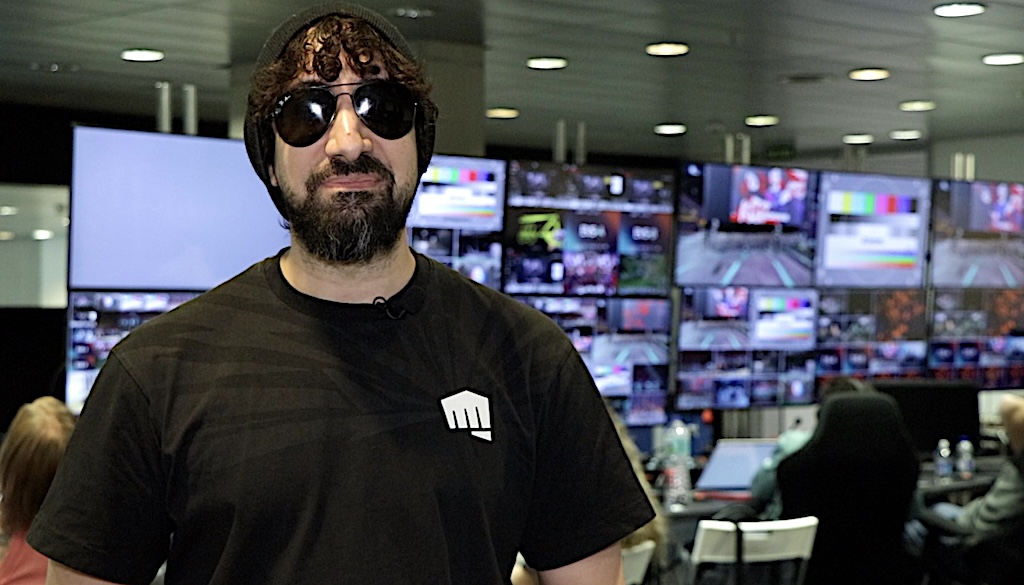
Andres Mirandes
Andres Mirandes, Head of Engineering en Riot Games EMEA, destaca en esta videoentrevista que “Riot siempre ha sido una compañía que busca innovar, incluso con propuestas que parecen extremas”. “Eventos como este muestran no solo el espíritu competitivo, sino también la pasión por la tecnología y lo que podemos ofrecer a los fans, no solo aquí en Madrid, sino en todo el mundo”, señala.
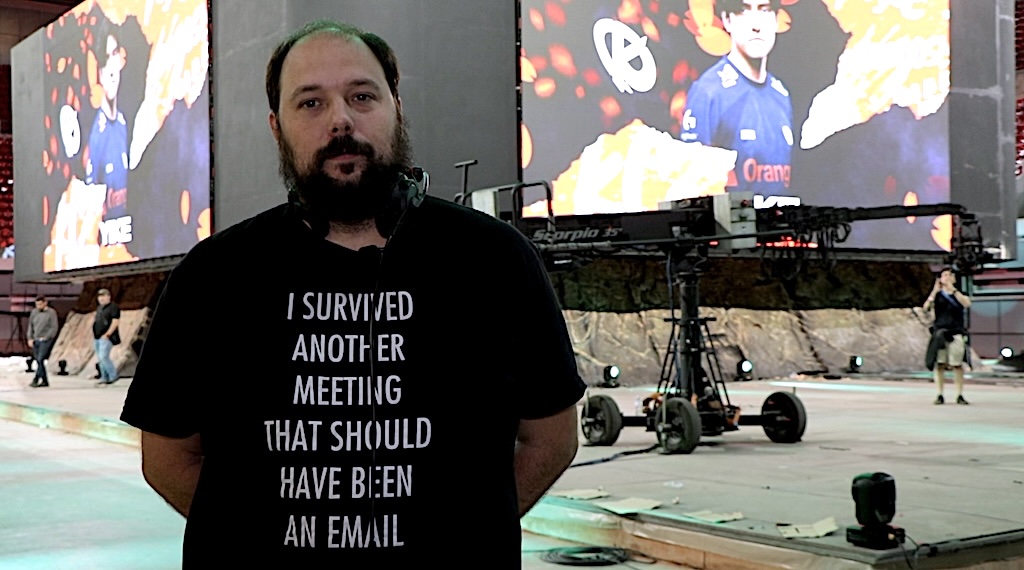
Juan José Boronat
Juan José Boronat, CEO de Cabal Esports, subraya que “hace ocho años fundamos Cabal con la idea de llegar a producir y retransmitir el mayor evento de eSports en Europa. Hoy estamos aquí, en la LEC. Empezamos con eventos presenciales, luego la pandemia nos obligó a trabajar en remoto e híbrido con televisiones. Después retomamos la parte presencial y ahora combinamos broadcast y videojuegos”. “Creo que lo que más se ha valorado de nosotros es que somos nativos de los videojuegos y de los eSports”, reconoce.
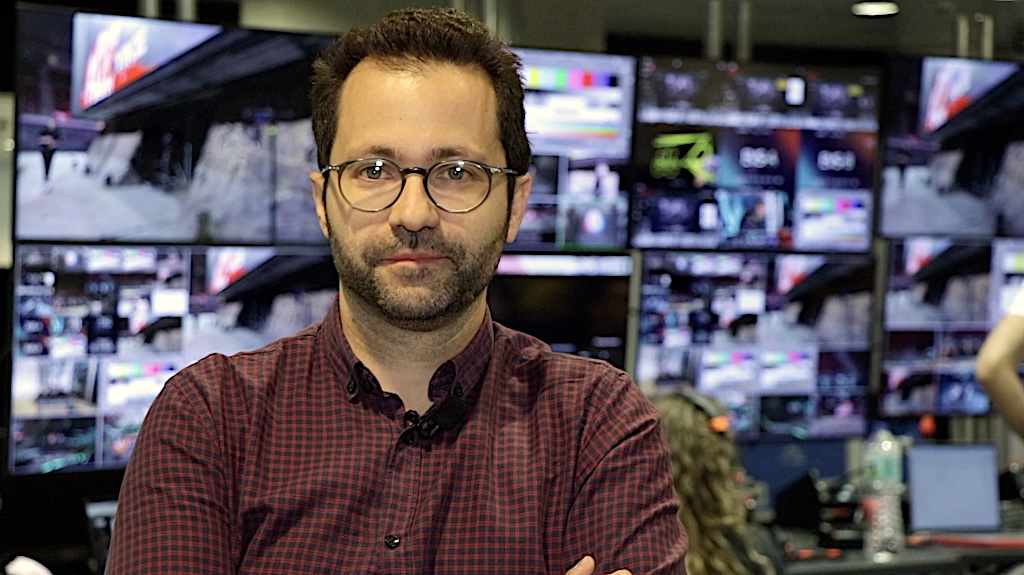
Luis Fernández
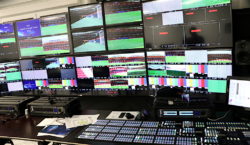
For its part, Luis Fernández, director de Operaciones Broadcast en Cabal Esports, afirma que para esta producción optaron por un workflow híbrido. Parte del equipo está en Madrid (realización, dirección, microfonía..) al tiempo que el control de vídeo, sonido, repeticiones y automatización están ubicados en el centro de producción de Riot en Dublín. Fue un reto enorme, porque la comunicación a tantos niveles es muy compleja”.
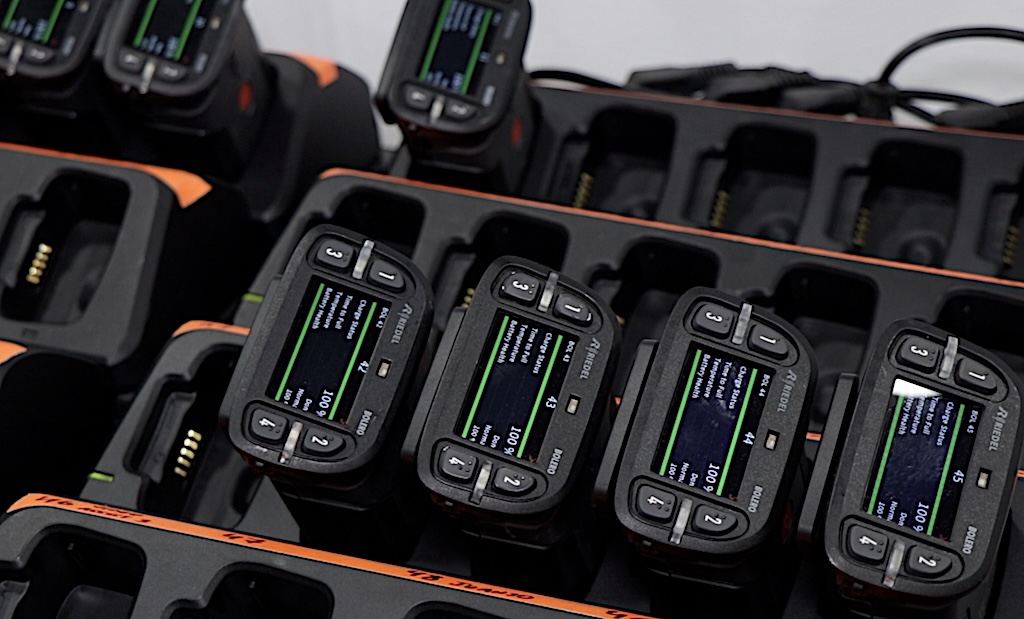
Para esta producción, alrededor de 90 profesionales estuvieron conectados a una intercom Bolero de Riedel, con más 70 petacas y 20 paneles distribuidos por toda la arena, cubriendo incluso el backstage y zonas auxiliares. “Con ayuda de Riedel diseñamos una cobertura total, enlazada con Dublín. Apostamos por Bolero porque creemos que el éxito de cualquier evento depende de la comunicación”, destaca Fernández.
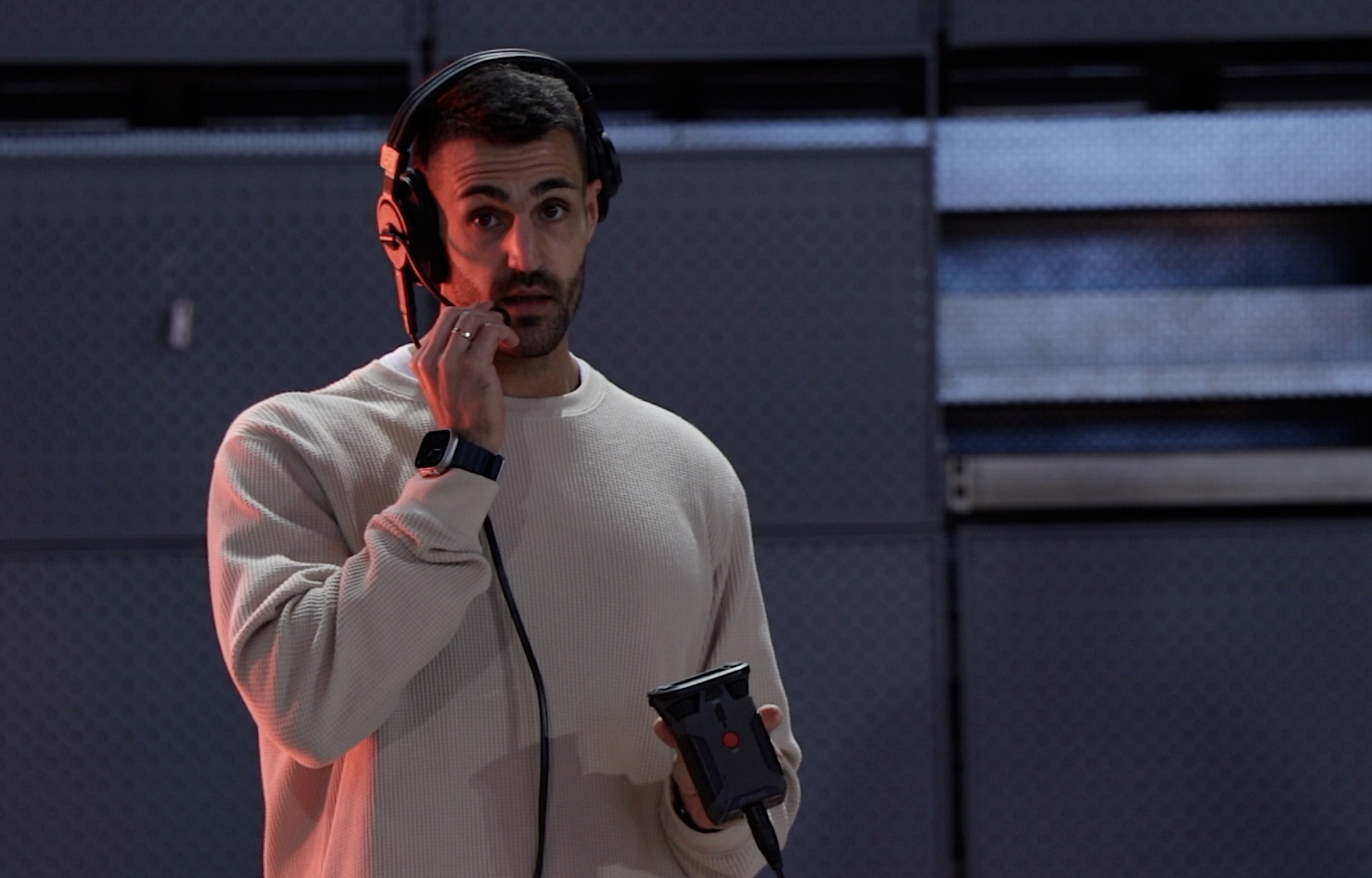 En cuanto a la red de vídeo, la producción confió en MediorNet Micron de Riedel desplegando un total de 12 nodos con sistemas redundantes y gran flexibilidad para trabajar con una treintena de señales que van desde minicámaras subjetivas para captar el mínimo detalle de cada jugador a sistemas inalámbricos con estabilizadores, cablecam, railcam…
Impacto global
 Fernández señala que “Riot confió en nosotros porque sabían que aportaríamos calidad, fiabilidad y conocimiento de la industria. Además, el impacto del evento es global: no solo se emite en local, sino que llega a millones de personas. Se producen varias realizaciones en paralelo: la principal en inglés, otra en español al tiempo que varios co-streamers transmiten desde sus canales”.
Por último, según Boronat, “la gran diferencia entre un broadcast tradicional y un evento de eSports es la complejidad. En videojuegos se manejan muchas más señales llegando en un evento como este, por ejemplo, a gestionar más de 180 señales de audio y 130 de vídeo”.
https://www.youtube.com/watch?v=quJmg2mrTkE
Did you like this article?
Subscribe to our NEWSLETTER and you won't miss anything.
Related articles
 Bolero (Riedel), pieza clave para la gran producción anual de la OCSA
 Cabal Esports estrena estudio con 126 paneles LED de Alfalite
 UEFA once again entrusted Mediapro with the production of the Champions League final
 Atresmedia y CABAL crean CTK, organizador de eventos y experiencias relacionados con eSports
 Mediapro: great technical and human deployment to cover the UEFA Champions League final
 La empresa española MR Factory lleva la producción virtual a la final de la Champions League
 AEQ supplies the intercom for the Mexico City e-sports arena of 'League of Legends'
 Madrid acoge el curso ‘Co-producción europea: aspectos legales y financieros’ de Erich Pommer Institut
 Riot Games uses Nevion Virtuoso in the remote production of the 'League of Legends' World Finals
 Las principales productoras de Hong Kong invierten en Bolero de Riedel para la producción de eventos a gran escala
 Mediapro will produce the UEFA Champions League final with a large deployment of special cameras
 Reed Hastings inaugura en Madrid la primera sede de producción europea de Netflix
 El nuevo Movistar eSports Center en Madrid cuenta con un área para producción televisiva
 La primera jornada de la Superliga Orange de ‘League of Legends’ se jugará en Tenerife ante público