





La televisión RTS migra sus procesos de etalonaje a DaVinci Resolve
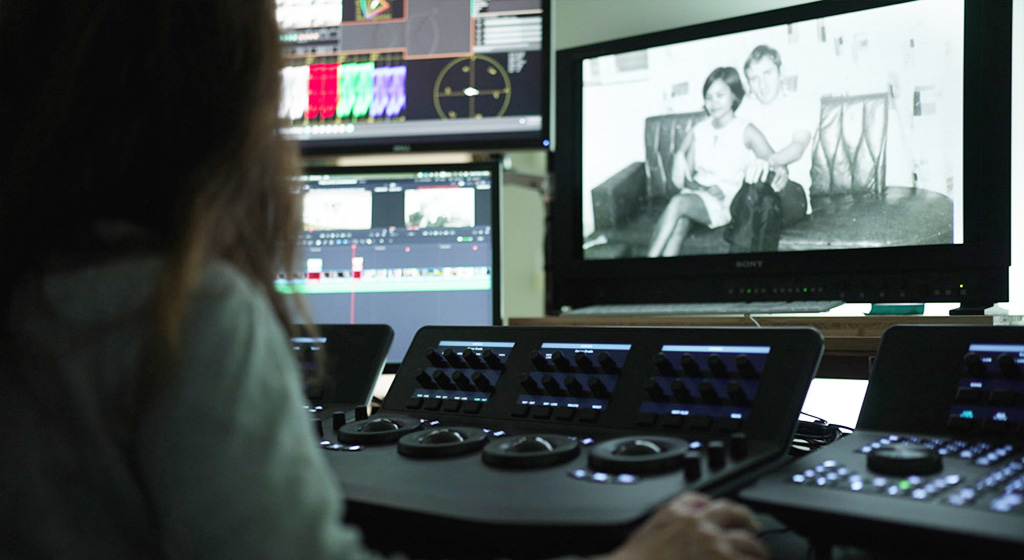
DaVinci Resolve Studio (Blackmagic Design) se ha convertido en la herramienta de etalonaje de la televisión suiza RTS (Radio Télévision Suisse), persiguiendo los objetivos de reducir gastos y simplificar la gestión informática.
La necesidad de contar con un entorno de software con actuaciones de seguridad periódicas llevó al equipo de la emisora suiza a replantear su cadena de trabajo para el etalonaje, un recurso sobradamente extendido en todo tipo de piezas. Esta situación condujo a RTS a considerar alternativas para así completar una transición hacia una solución más flexible con soporte técnico gratuito para los programas informáticos.
Los soportes informáticos para este entorno de etalonaje presentaban sus propios desafíos. El equipo de RTS pretendía que presentaran un desempeño favorable de la GPU, fueran silenciosos para poder etalonar con comodidad y compatibles con la infraestructura de almacenamiento en red actual. También se necesitaría funciones de supervisión SDI profesionales y, como no podría ser de otra forma, compatibilidad completa con la solución de software escogida.
Tras analizar en profundidad el mercado, la cadena suiza decidió apostar por los entornos de DaVinci Resolve. In the words of Cyril Moulin, jefe del área de recopilación electrónica de noticias y postproducción de RTS: “Resolve no se limita al etalonaje, sino que además permite trabajar en el acabado, la versión definitiva y el conformado, lo cual significaba que podíamos reemplazar varias herramientas con una sola», comentó Moulin. Dado que ya se usa ampliamente en la industria y presenta una interfaz moderna, la transición fue bastante sencilla”.
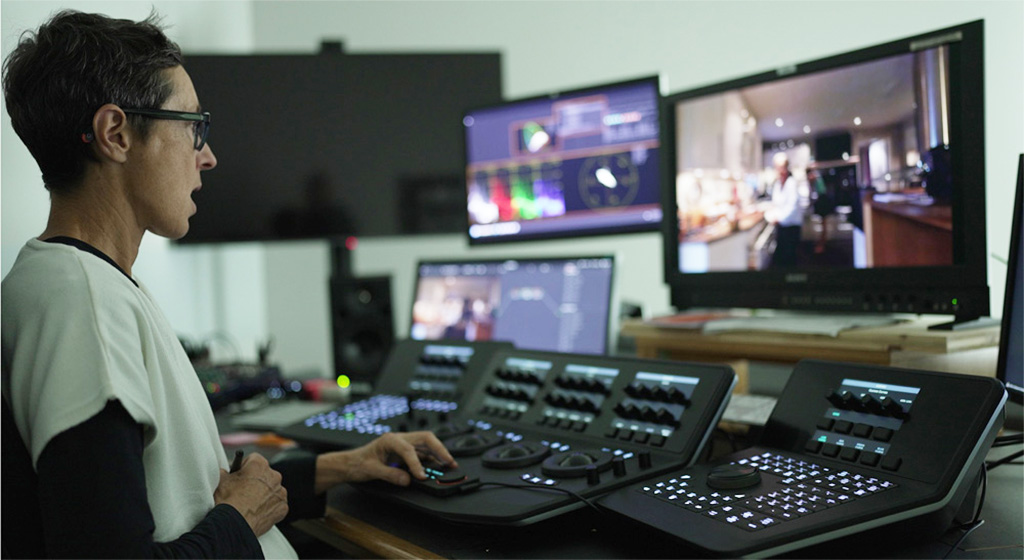
El nuevo enfoque tecnológico de RTS para el etalonaje
RTS recurrió a sistemas Mac Studio M3 Ultra con 28 núcleos de CPU, 60 núcleos de GPU y 256 GB de RAM integrados en una carcasa Sonnet xMac Studio Echo III. Cada sistema constaba de una tarjeta de captura y reproducción DeckLink 8K Pro G2 para señales SDI, un adaptador de red 10/25 GbE para conectarse a unidades de almacenamiento, y dos tarjetas SSD NVMe de 4TB para la memoria caché y el modo de respaldo de DaVinci Resolve Studio.
“Esta combinación de equipos es silenciosa, compacta y está perfectamente optimizada para DaVinci Resolve. Los equipos Mac Studio fueron una opción natural porque ofrecen integración nativa con DaVinci Resolve a través de chips Apple Silicon (GPU/CPU/memoria unificada) y proporcionan un sistema estable; además el desempeño de la GPU y el procesamiento por IA es excelente. La carcasa Sonnet nos permitió incorporar equipamiento profesional básico, por ejemplo, una tarjeta de DeckLink, para supervisar imágenes y disponer de una conexión estable para el almacenamiento”, explica Moulin.
RTS abordó la migración ofreciendo una semana de formación para los usuarios, pruebas previas a la migración en sistemas Mac Studio y sincronizando la transición con la fecha en que finalizaban los contratos de soporte técnico de la solución que usaban anteriormente. Actualmente, DaVinci Resolve Studio está integrado en la infraestructura de almacenamiento en red existente de la emisora, y se está planteando la posibilidad de implementar nuevos sistemas de archivo y gestión de contenidos audiovisuales y multimedia.
Did you like this article?
Subscribe to our NEWSLETTER and you won't miss anything.
Related articles
 Colour (Grup Mediapro) consolida DaVinci Resolve como solución de montaje y etalonaje
 The real 'Yellowstone' takes shape with DaVinci Resolve as an editing and grading platform
 BeIN migrates its issuance and contribution processes to Appear's X platform
 ‘Extremely Inappropriate!’, la serie dramática de TBS, emplea DaVinci Resolve Studio en su etalonaje
 DaVinci Resolve Studio, clave para el montaje, etalonaje y mezcla de sonido de ‘Winny’
 DaVinci Resolve, chosen for grading of 'Reality' (HBO Max)
 Brilliant Screen unifica todos sus procesos de postproducción con DaVinci Resolve
 Intermedia: procesos e innovación mediática en televisión y otras pantallas
 Pigmento cambia a DaVinci Resolve para el etalonaje en HDR e IMF
 Blackmagic Design acelera la edición, etalonaje y creación de efectos con la nueva versión de DaVinci Resolve
 Oscar winner Claudio Miranda trusts DaVinci Resolve Studio and DaVinci Resolve Mini Panel from Blackmagic
 DaVinci Resolve Studio procesó los copiones y el etalonaje final de ‘Asesinato en el Orient Express’
 Blackmagic launches DaVinci Resolve 12 with unprecedented collaborative editing and grading options
 TV3 migra sus procesos de producción audiovisual a IP con una red de Enterasys