





Warner Bros. y la gran pregunta que se hace hoy la industria audiovisual
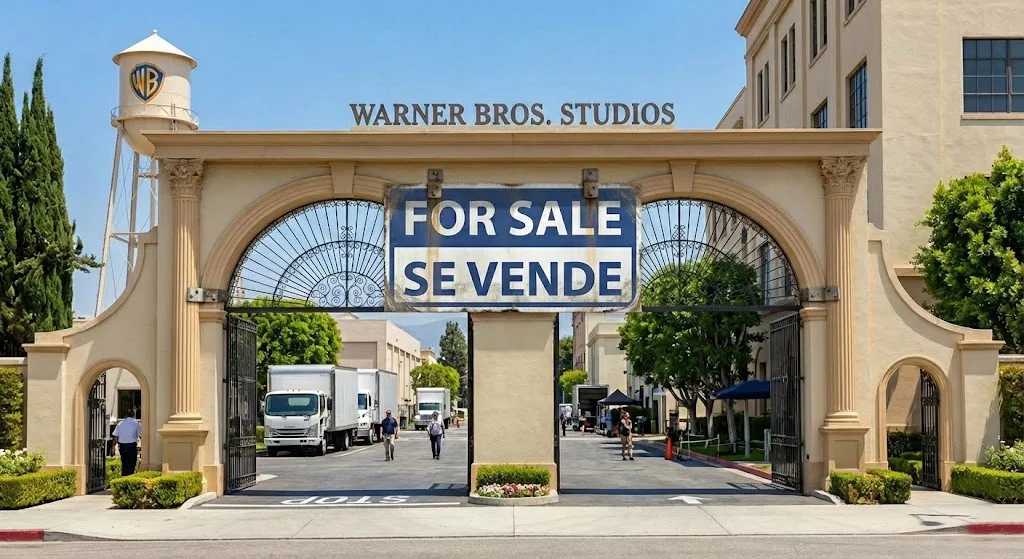

En esta tribuna, Miguel Puertas, productor y brand manager de Treintaycinco mm, reflexiona sobre la venta de Warner Bros., las posibles adquisiciones por parte de Netflix y Paramount, y el cambio de modelo que implica este episodio clave en la historia del cine.
En los últimos días, hemos asistido a una sucesión de informaciones, rumores y desmentidos en torno a Warner Bros. Discovery que, más allá de su exactitud puntual, reflejan una inquietud de fondo que recorre toda la industria audiovisual. Como director académico de Treintaycinco mm, y desde una posición de observación constante del mercado y de la formación de futuros profesionales del sector, creo que lo verdaderamente relevante no es quién compre a quién, sino por qué este tipo de noticias resultan hoy tan verosímiles.
La posibilidad de una oferta pública de adquisición sobre Warner Bros. por parte del grupo Paramount–Skydance, sumada al ruido generado alrededor de una hipotética compra por Netflix, pone de manifiesto que el sector atraviesa una fase de redefinición profunda. Hemos dejado atrás la etapa de expansión descontrolada del streaming, aquella en la que el objetivo principal era crecer en número de suscriptores, incluso a costa de la rentabilidad. Hoy la conversación es otra: eficiencia, sostenibilidad y valor a largo plazo.
El próximo capítulo para el cine y las plataformas
Desde mi punto de vista, este cambio de ciclo era inevitable. Durante años, las grandes plataformas compitieron en una carrera por producir más, estrenar antes y ocupar todos los espacios posibles del mercado. El resultado fue una oferta de contenidos inmensa, difícil de sostener económicamente y, en muchos casos, difícil de diferenciar creativamente. La industria ha entendido, quizá algo tarde, que no todo crecimiento es saludable si no va acompañado de una estrategia clara.
Hemos dejado atrás la etapa de expansión descontrolada del streaming (…). Hoy la conversación es otra: eficiencia, sostenibilidad y valor a largo plazo.
En este contexto, Warner Bros representa mucho más que un estudio histórico. Es un activo estratégico de primer nivel, con un catálogo que combina franquicias globales, talento creativo y una capacidad de producción difícil de igualar. Cualquier movimiento en torno a la compañía implica necesariamente un reordenamiento del tablero. Cambian las relaciones de poder, se revisan acuerdos de distribución y se redefine qué contenidos merecen inversión y cuáles no.
Los gigantes del sector frente a la creatividad
Uno de los aspectos que más me preocupa —y que creo que merece un debate sereno— es el impacto que estos procesos de concentración tienen sobre la creatividad y la diversidad del sector. Las grandes operaciones corporativas suelen traer consigo una lógica de racionalización: menos riesgo, más control y una clara prioridad por las marcas y universos ya consolidados. Desde el punto de vista empresarial es comprensible; desde el creativo, plantea interrogantes importantes.
Que el mercado llegue a considerar plausible una operación de esta magnitud habla de un sector que busca estabilidad a través del tamaño.
Para los productores independientes y para los nuevos talentos que se están formando hoy, este escenario puede resultar especialmente complejo. Menos grandes jugadores significa menos puertas de entrada y procesos de decisión más centralizados. Al mismo tiempo, obliga a replantear las reglas del juego: buscar coproducciones internacionales, explorar nuevos modelos de financiación y apostar por una mayor especialización. La industria no se cierra, pero sí se vuelve más exigente.
El caso de Netflix es también revelador. Durante años fue el gran disruptor, el actor que cambió las reglas del mercado. Hoy, sin perder ese papel innovador, se enfrenta a los mismos desafíos que el resto: cómo mantener su posición en un entorno saturado, con audiencias cada vez más fragmentadas y con una presión creciente por demostrar rentabilidad. Que el mercado llegue a considerar plausible una operación de esta magnitud habla de un sector que se mueve, que busca estabilidad a través del tamaño.
Los riesgos de una nueva era
Desde la perspectiva académica, estos movimientos tienen una lectura clara: el futuro del audiovisual no dependerá únicamente de la capacidad de producir contenido, sino de entender el ecosistema en su conjunto. Formar profesionales hoy implica enseñarles a leer el mercado, a comprender las dinámicas empresariales y a adaptarse a un entorno en constante transformación. La creatividad, sin contexto industrial, corre el riesgo de quedarse sin espacio.
Una industria basada únicamente en la concentración y la eficiencia puede ser rentable, pero corre el riesgo de empobrecer su diversidad.
Mi reflexión final es clara. Más allá de Warner, Netflix o Paramount, lo que está en juego es el modelo de industria que queremos construir. Una industria basada únicamente en la concentración y la eficiencia puede ser rentable, pero corre el riesgo de empobrecer su diversidad. El verdadero reto será encontrar un equilibrio entre la lógica empresarial y la necesidad de seguir apostando por el talento, la innovación y las nuevas voces. Si perdemos eso, habremos ganado tamaño, pero habremos perdido sentido.
Miguel Puertas
Productor y brand manager de Treintaycinco mm

Did you like this article?
Subscribe to our NEWSLETTER and you won't miss anything.
Related articles
 Paramount dinamita el acuerdo Netflix-Warner Bros. con una opa hostil de 108.400 millones de dólares
 Netflix compra Warner Bros. por 82.700 millones de dólares
 Warner Bros. Discovery, oficialmente a la venta
 Warner Bros. prepara una serie de ficción sobre Encarna Sánchez
 Warner Bros. producirá para HBO Max la serie ‘Sin novedad’
 Warner Bros. España renueva su apuesta por el talento de la ECAM
 Warner Bros estrenará simultáneamente en salas y HBO Max todas sus películas en 2021
 Orange refuerza su videoclub 4K con la incorporación de los contenidos de Warner Bros
 La industria audiovisual vive su gran noche con la entrega de los Premios Panorama
 Warner Bros. España apuesta un año más por el talento formado en la ECAM
 Atresmedia cierra un acuerdo estratégico con Warner Bros.
 Warner Bros inaugura un núcleo de animación creativa
 Warner Bros. cierra un acuerdo exclusivo con LaSexta
 Josh Berger, nuevo presidente de Warner Bros. Entertaiment España