





ARTE.tv: claves para una expansión internacional exitosa
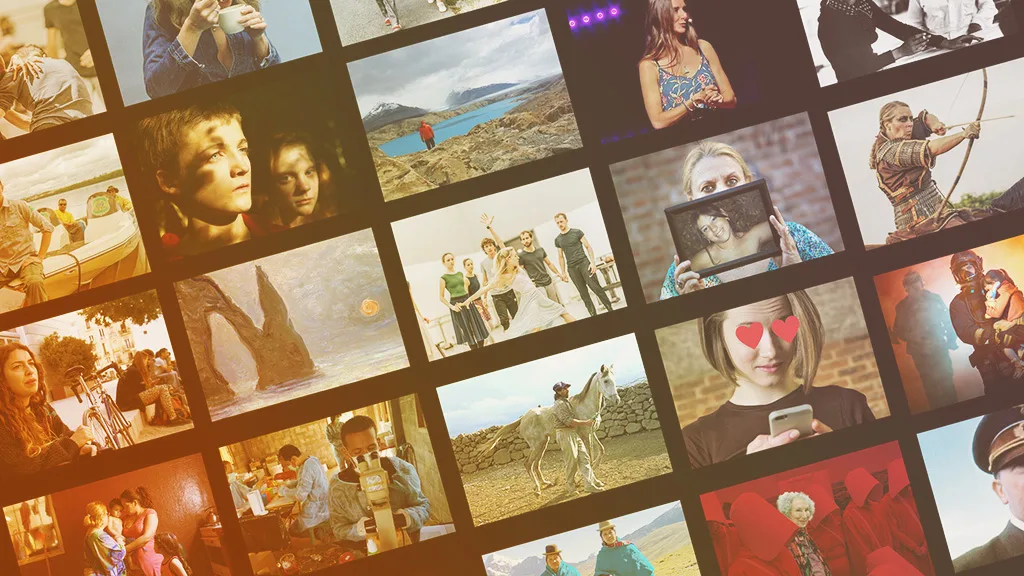

En esta tribuna, Katharina Kloss, responsable del servicio de ofertas europeas de ARTE, reflexiona sobre la estrategia de internacionalización de la plataforma, un proceso en el cual se apuesta por la adaptación de los contenidos, la innovación tecnológica y los acuerdos con distintos organismos de radiodifusión públicos.
La otra cara del streaming europeo
Desde hace más de treinta años, ARTE encarna una ambición única: unir a los europeos a través de la cultura y la información. Nacida de una alianza franco-alemana, la cadena se ha transformado en una plataforma de streaming multilingüe, gratuita y transfronteriza, donde la diversidad cultural se sitúa en el centro de la experiencia. Con 2.800 millones de visualizaciones en 2024 (de las cuales el 25 % provienen de fuera de Francia y Alemania), ARTE demuestra que su modelo, exigente, independiente y accesible, seduce mucho más allá de sus fronteras históricas.
Una Europa en siete idiomas
Desde sus inicios, ARTE apostó por el bilingüismo franco-alemán. Hoy, su plataforma arte.tv ofrece miles de horas de contenido en siete idiomas: alemán, francés, inglés, español, italiano, polaco y, desde hace poco, rumano. ¿Cómo lo logra? Gracias a un sistema de adaptación multilingüe y distribución segmentada, cofinanciado por la Comisión Europea and the Ministerio de Europa y Asuntos Exteriores (MEAE) francés. Esta estrategia da resultados: la versión en rumano, lanzada hace solo tres meses, ya acumula 36 millones de visualizaciones (en YouTube, TikTok y arte.tv), confirmando el apetito por contenidos europeos de calidad. El resultado: la plataforma es ahora accesible para el 75 % de los europeos en su lengua materna.
Antes de que termine el año, 400 programas estarán disponibles en rumano, desde cine europeo hasta documentales impactantes, por ejemplo, “Cómo Ikea saquea el planeta” o un retrato del presidente ucraniano Zelenski. Un éxito que muestra cómo ARTE adapta su oferta a los usos de las distintas audiencias locales sin perder su esencia: ser un espejo de las culturas europeas.
Los pasos para una expansión internacional exitosa
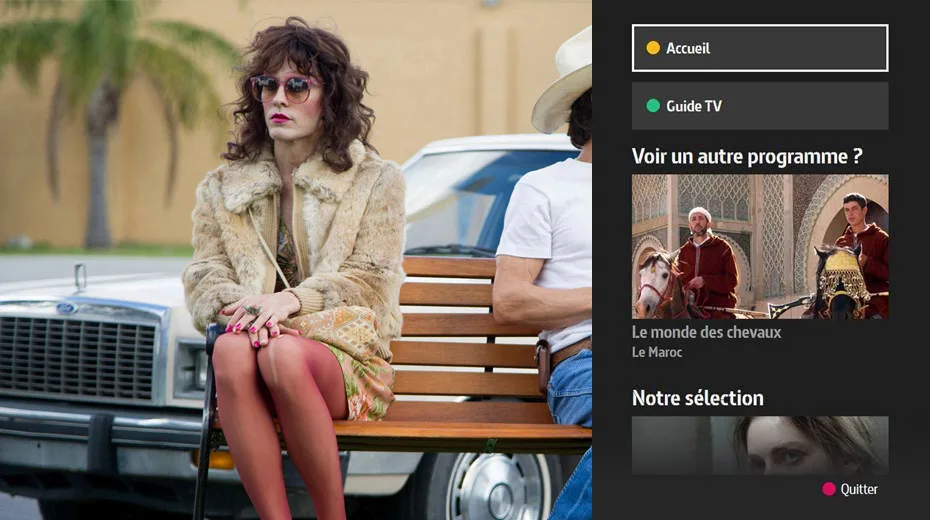
In Spain, ARTE no se limita a traducir sus contenidos: los adapta y enriquece para integrarlos en el panorama cultural local. Entre sus éxitos recientes figuran un concierto del BBK con la artista Amaia, un ciclo dedicado al cine español, un documental sobre los 50 años de la muerte de Franco o la adaptación de Karambolage, el programa de culto sobre las diferencias culturales. Esta última, en particular, triunfa especialmente en redes sociales gracias a episodios que ponen de relieve las costumbres españolas, lo que demuestra que la localización va mucho más allá de una simple traducción.
Este crecimiento no se basa únicamente en una ampliación lingüística, sino también en una profunda reflexión sobre la curación y la accesibilidad. Antes de implantarse en un nuevo mercado, el equipo editorial analiza minuciosamente los hábitos culturales y estudia las preferencias temáticas de cada país. ¿El objetivo? Ofrecer una selección que concilie la identidad europea de la plataforma con las expectativas locales, para que el usuario se sienta inmediatamente como en casa. Este trabajo exige un sutil equilibrio entre la universalidad de ciertos temas (ecología, creación, nuevas tecnologías) y las especificidades nacionales que conforman la experiencia cultural.
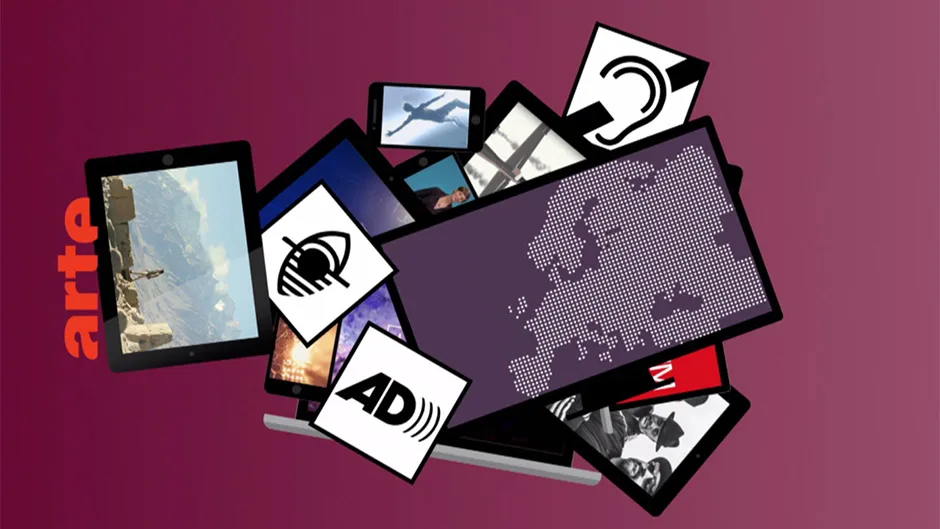
Al mismo tiempo, ARTE apuesta por la excelencia tecnológica para ampliar su audiencia. Con el fin de llegar a nuevos públicos, parte de los subtítulos de sus ofertas europeas combinan ahora la traducción automática, optimizada por la inteligencia artificial, y la posedición y relectura manual realizada por lingüistas expertos. Este enfoque garantiza tanto la precisión como la sensibilidad cultural, convirtiendo la tecnología en una herramienta al servicio de una exigente curación editorial y una mayor accesibilidad para todos los públicos europeos.
Europa a un clic de distancia
ARTE no busca borrar las diferencias, sino hacer que éstas dialoguen. Al ampliar su oferta lingüística, producir contenidos con perspectivas múltiples y tender puentes entre culturas, la plataforma aspira a convertirse en la referencia del streaming para todos los europeos. Demuestra que una Europa cultural unida no solo es posible, sino necesaria.
Actualmente, se coproducen 2.500 contenidos al año, trabajando con más de 250 productores en toda Europa y gracias a acuerdos con 12 grupos audiovisuales públicos, entre ellos RTVE en España, siendo el servicio sueco SVT la última incorporación.
Ya sea por el éxito del concierto de Amaia, el entusiasmo por la versión en rumano o la exploración cartográfica de Historias del Continente, ARTE prueba que existe otra forma de consumir cultura: exigente, inclusiva y resueltamente europea. En un panorama mediático dominado por los gigantes del entretenimiento y ante los desafíos geopolíticos de nuestro tiempo, arte.tv compite por ofrecer una alternativa: la de una Europa que se atreve a contarse en todas sus lenguas, con todas sus voces.
¡Ven a descubrirla y aporta la tuya!
Katharina Kloss
Responsable del servicio de ofertas europeas de ARTE

Did you like this article?
Subscribe to our NEWSLETTER and you won't miss anything.
Related articles
 La expansión internacional de Atresplayer continúa con su llegada a Roku
 Secuoya Studios appoints Alfredo Bermúdez de Castro as new COO to promote its international expansion
 BBC Studios e ITV planean la expansión internacional de su plataforma OTT BritBox
 Good Mood inicia su expansión internacional
 Ápodo renace como Noxon para proyectar su expansión internacional
 Antena 3 Internacional cierra un acuerdo con DishLatino para su expansión en EE.UU.
 The commitment to R&D&i in UHD and 4K, keys to Sapec's international success
AMC inicia su expansión internacional
Imm Sound amplía su expansión internacional en Brasil
The commitment to R&D&i in UHD and 4K, keys to Sapec's international success
AMC inicia su expansión internacional
Imm Sound amplía su expansión internacional en Brasil
 Exitosa primera edición del Festival Internacional de Cine de Formentera
 Fuerte expansión internacional de Linear
 MPC manages the international expansion of TeleSur
 Sapec, en plena expansión internacional
 Rafael Dubois, al frente de la expansión internacional de Tedial