





Onda Madrid: a new study to define the future of Madrid public radio
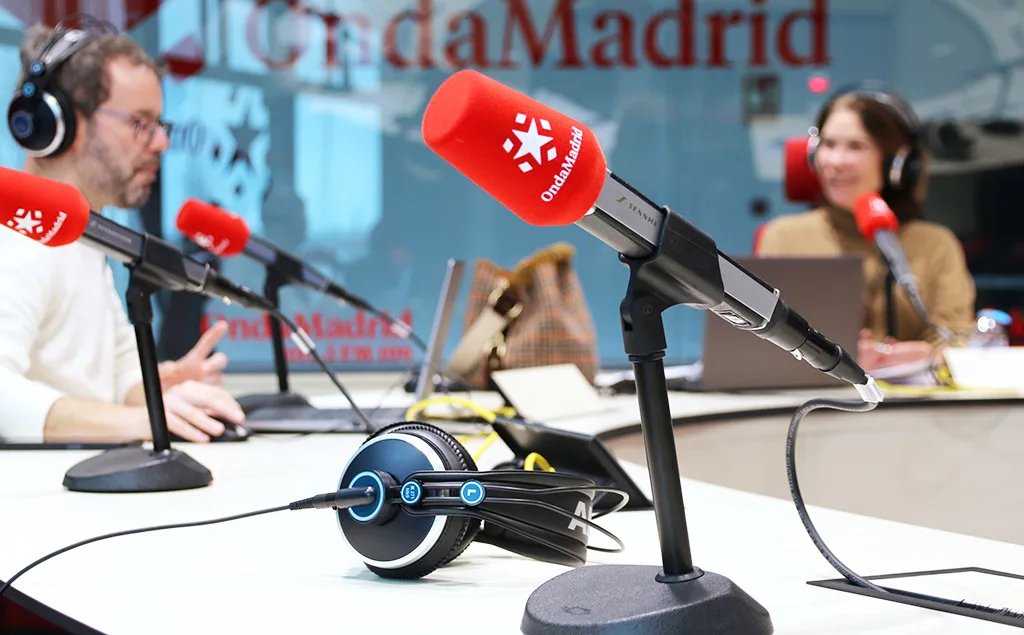

Alfonso Nasarre, director de Onda Madrid; José María Casaos Patrón, director técnico de RTVM; José Ignacio Hernández, responsable de medios técnicos de Onda Madrid; Juan Antonio Fernández, coordinador de instalaciones y proyectos; Pablo de la Peña, subdirector de ingeniería, y Carlos Ocaña, jefe del área de proyectos, explican las líneas conceptuales y tecnológicas del nuevo estudio de Onda Madrid, un espacio con la luz como protagonista que fija su mirada en conceptos como automatización y radio visual, y que es interoperable con la infraestructura IP de Telemadrid.
Hace unos pocos días, Onda Madrid concluyó un proyecto cuyos planteamientos iniciales comenzaron en el año 2021: la creación de un nuevo estudio de radio dirigido a dar respuesta a los nuevos modelos de emisión y consumo de la sociedad. Una entrevista a la presidenta de la Comunidad de Madrid, Isabel Díaz Ayuso, sirvió como pistoletazo de salida de un proyecto vital con el que la emisora de Radio Televisión Madrid busca redefinir su presente y sentar las bases para el futuro.
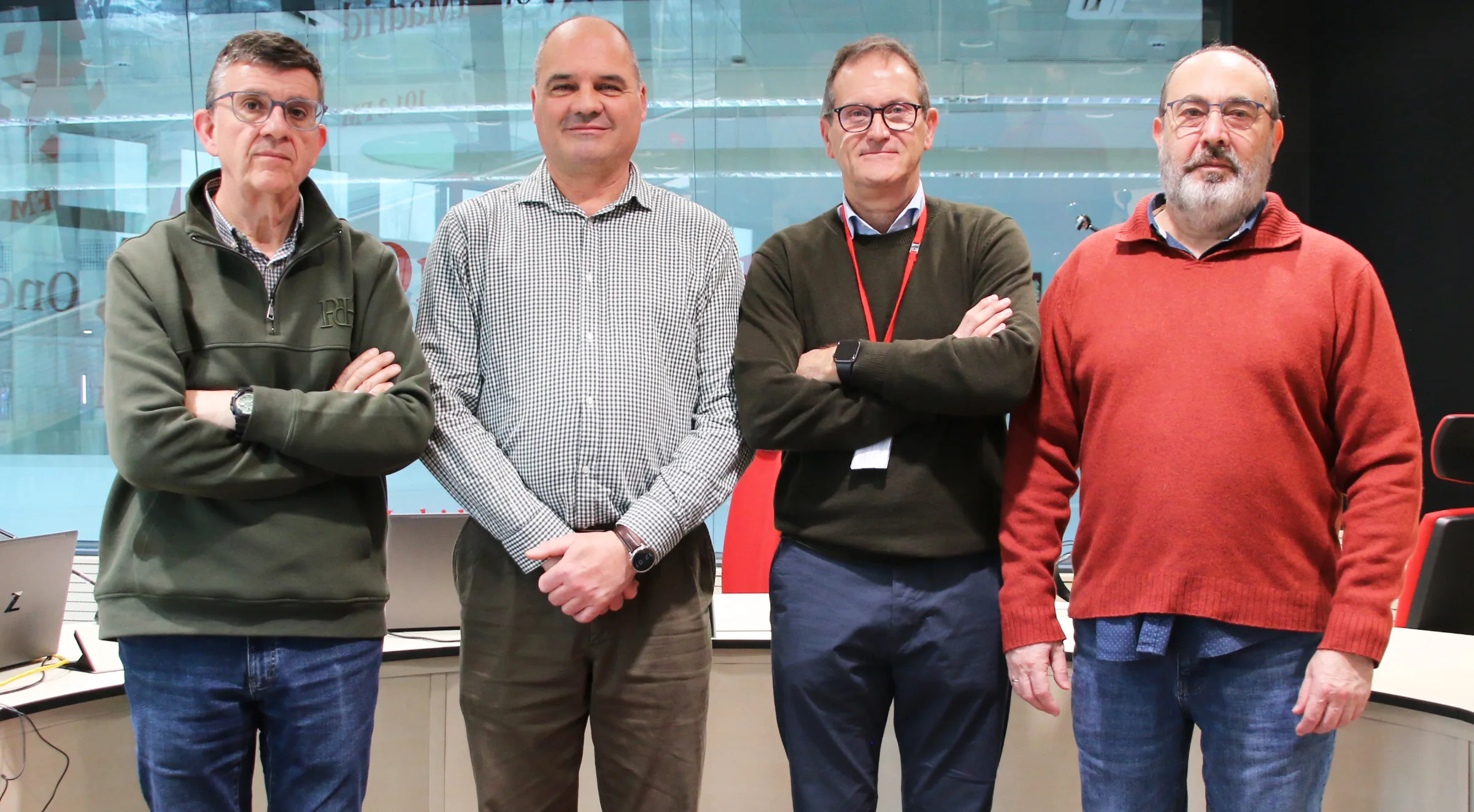
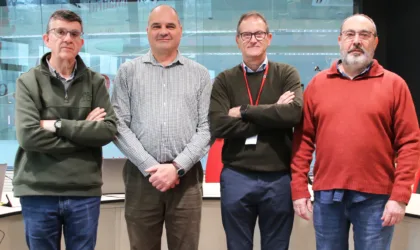
De izq. a der.: José Ignacio Hernández, Juan Antonio Fernández, José María Casaos y Carlos Ocaña.
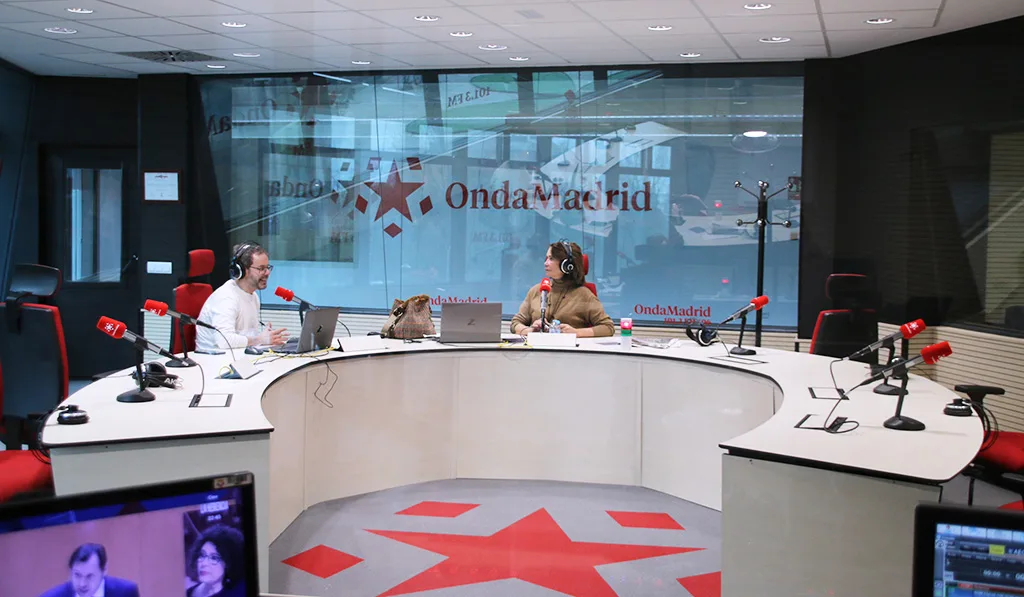
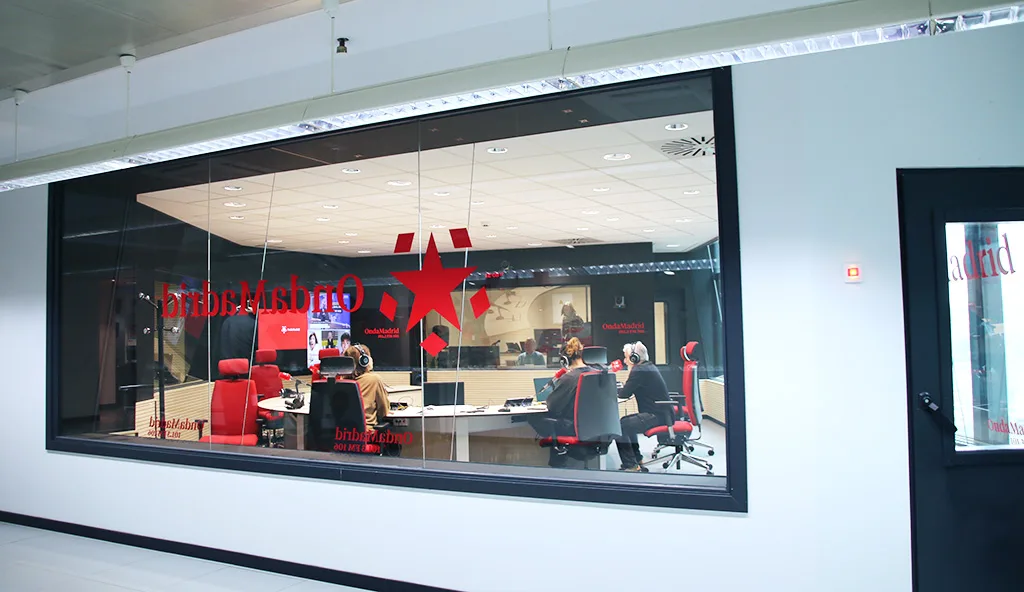
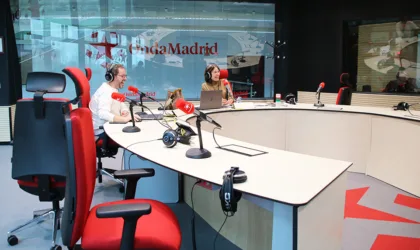
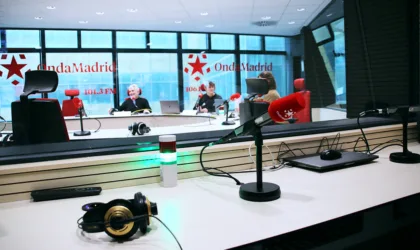
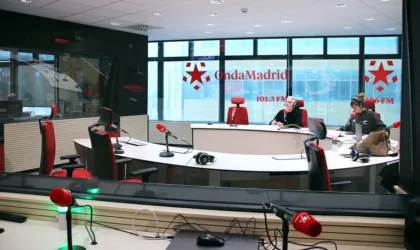
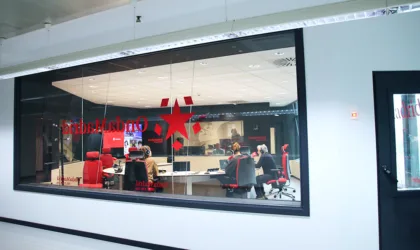
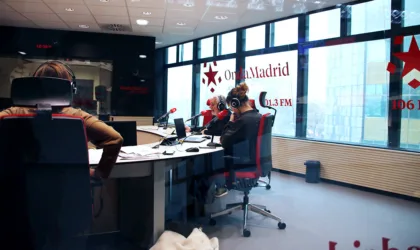
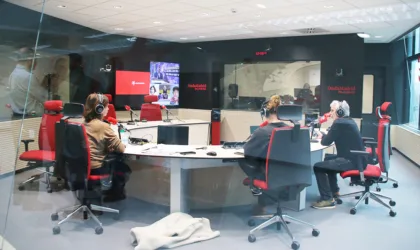
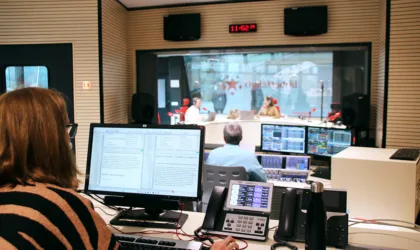
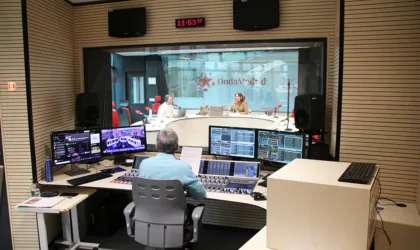
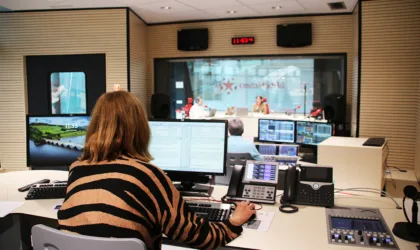
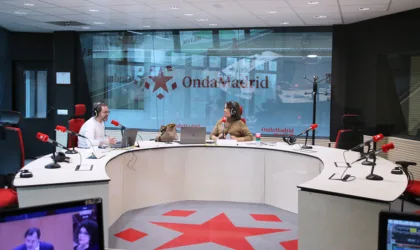
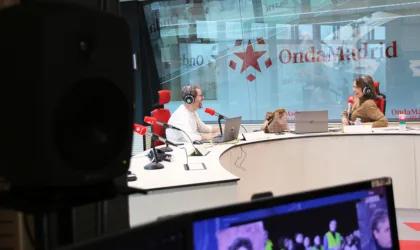
Un amplísimo espacio comparte cristalera con la fachada del edificio ubicado en la Ciudad de la Imagen de Madrid. Donde antes había una redacción en diferentes niveles, ahora reside un estudio creado completamente a medida por el arquitecto Guillermo Sánchez (GSS Arquitectura) con la ejecución de la constructora Arjid Arenas Jiménez Diseño, cuyos profesionales se volcaron en un proyecto que fue evolucionando acorde a unos importantes retos tecnológicos, acústicos y de la propia infraestructura.
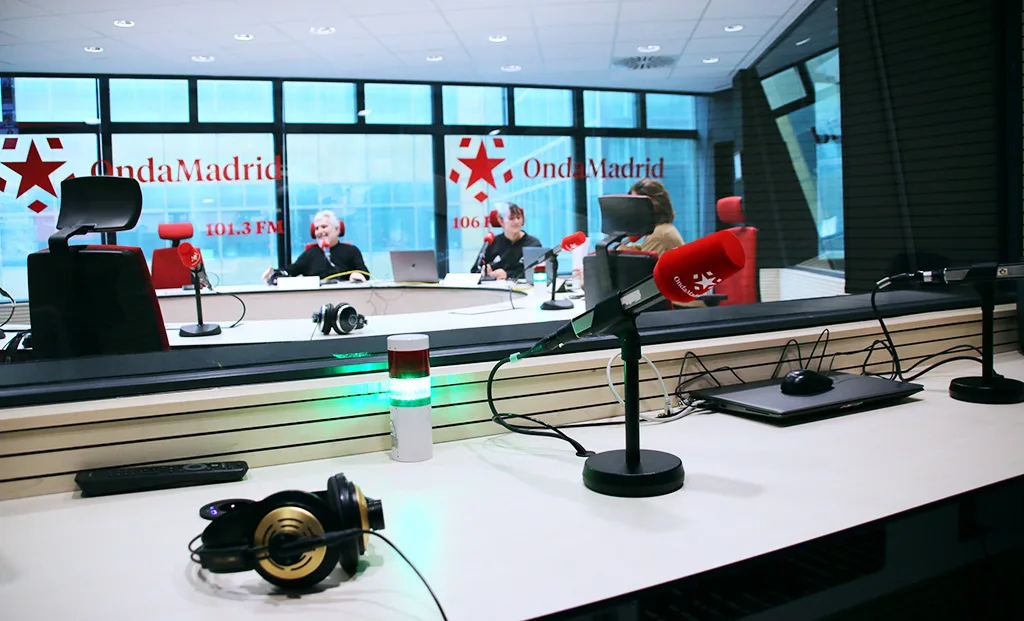
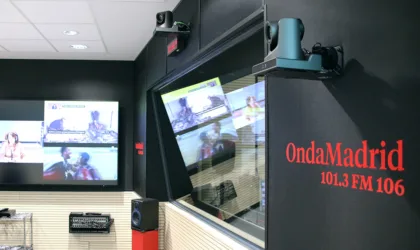
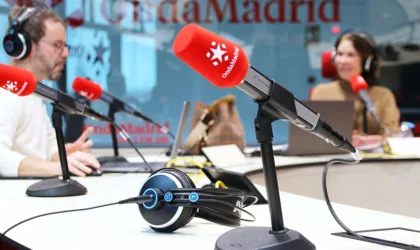
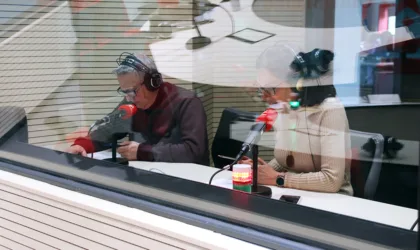
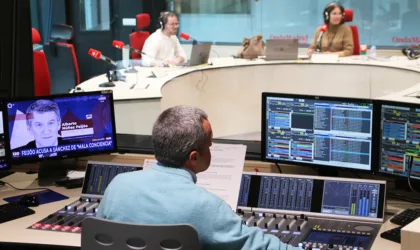
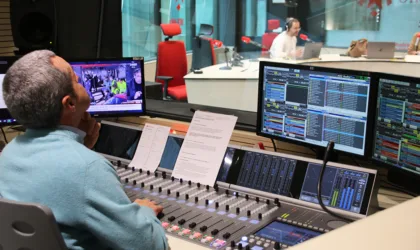
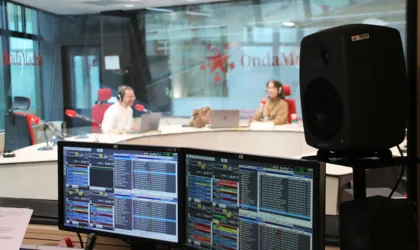
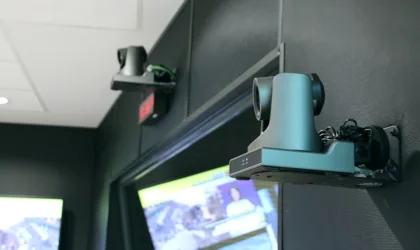
Triplica el tamaño del anterior estudio central de la emisora, y lo hace aprovechando avances técnicos que permitirán responder a la imparable tendencia de la radio visual, como un despliegue de PTZ cameras y software de automatización audiovisual habilitado por los sistemas de AEQ y Broadcast Pix. Con una sala de boletines adyacente y un espacio de control completamente renovado, el estudio busca acompañar una nueva era del medio en la que Onda Madrid quiere jugar un papel central; al menos, para la población madrileña.
Alfonso Nasarre, director of Onda Madrid, y una amplia representación del equipo de ingeniería de Radio Televisión Madrid, dan a conocer la intrahistoria del proyecto, su ejecución y los pilares tecnológicos que lo conforman.
El complejo camino a la renovación tecnológica de las radios
La gestión de las inversiones en tecnología en las radiotelevisiones públicas siempre es complex. Los presupuestos obligan a priorizar las ejecuciones de unas infraestructuras que nacieron acompañando el desarrollo de la televisión en nuestro país y que se encuentran en una importante fase de transformation, afrontando la esperada transición a la UHD, redefiniendo su technological infrastructure o simplemente actualizando equipos y sistemas para que sigan siendo capaces de congregar a la población de sus respectivas comunidades o ciudades autónomas.
La radio ya no es el agujero en el sótano de la emisora: su puesta en escena pasa a ser tan importante como la calidad de su señal, viaje esta por el espectro radioeléctrico o llegue en formato digital a los oyentes.
Ante este panorama, en ocasiones la radio acaba ocupando un rol secundario. The resiliencia de sus sistemas, así como la consolidación de sus posiciones en el mercado de audiencias, hace que los proyectos de renovación se pospongan. Bien sea causada por decisión estratégica o por coyuntura económica, la actualización es, en el mejor de los casos, progresiva.
De un tiempo a esta parte, el audio está recuperando su protagonismo. El renovado consumo de esta fórmula, ya sea acelerado por los contenidos bajo demanda como los pódcasts o a través de la ventana al mundo que supone la radio visual, ha llevado a las radiotelevisiones a realizar importantes inversiones cuyo componente disruptivo parte, precisamente, de su presentación al mundo. La radio ya no es el agujero en el sótano de la emisora: su puesta en escena pasa a ser tan importante como la calidad de su señal, viaje esta por el espectro radioeléctrico o llegue en formato digital a los oyentes.
La deuda pendiente con Onda Madrid
Cuando Alfonso Nasarre llegó a Onda Madrid en agosto de 2021, su diagnóstico de la emisora fue muy positivo. Pero existía un pero: “Me di cuenta de que esta casa, la radio pública de la comunidad, tenía unos excelentes profesionales e instalaciones. Sin embargo, el estudio central se había quedado un poco obsoleto y tenía unas dimensiones que eran, desde mi punto de vista, escasas”, recuerda el director de la emisora, con una extensa trayectoria en medios como RTVE o Cadena Cope.
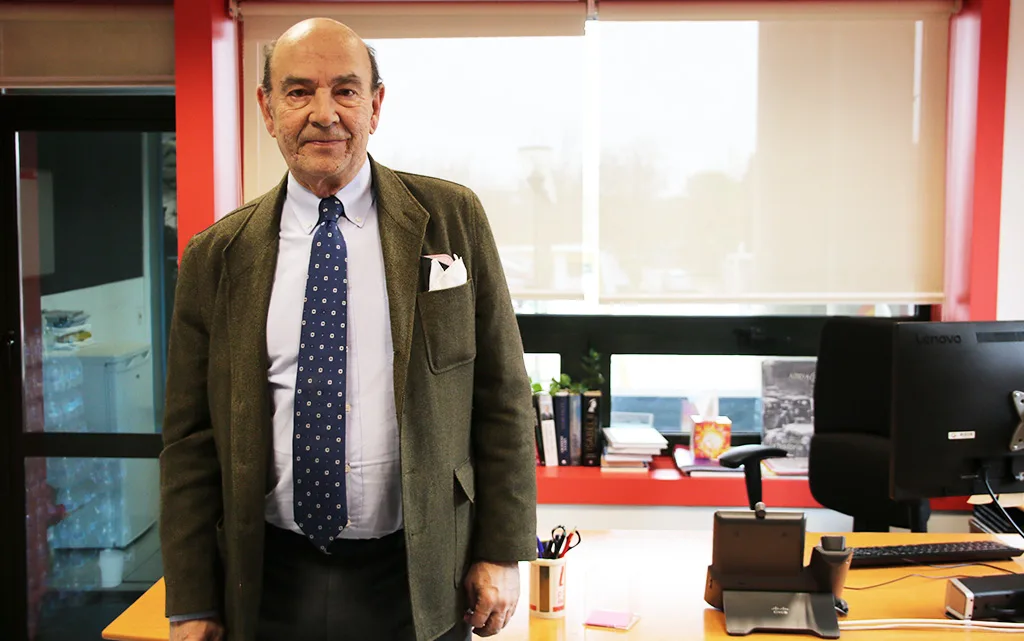
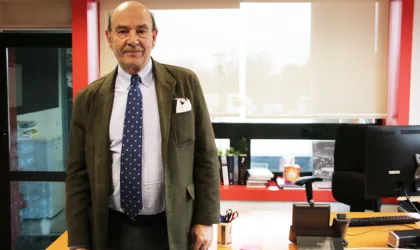
Alfonso Nasarre, en su despacho.
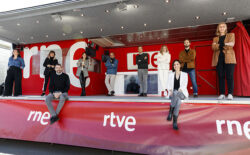
Nasarre planteó el nuevo estudio de la emisora tomando como referencia el modelo que había impulsado National Radio of Spain: un planteamiento en el que la transparency ocuparía un papel central, permitiendo integrar la infraestructura con la redacción y la propia radio. “Desde el departamento técnico se pusieron a ello: diseñaron un proyecto atractivo con tecnología de vanguardia. (…) Si no es el estudio más avanzado de la radiodifusión nacional, está en la punta de la pirámide”, comenta.
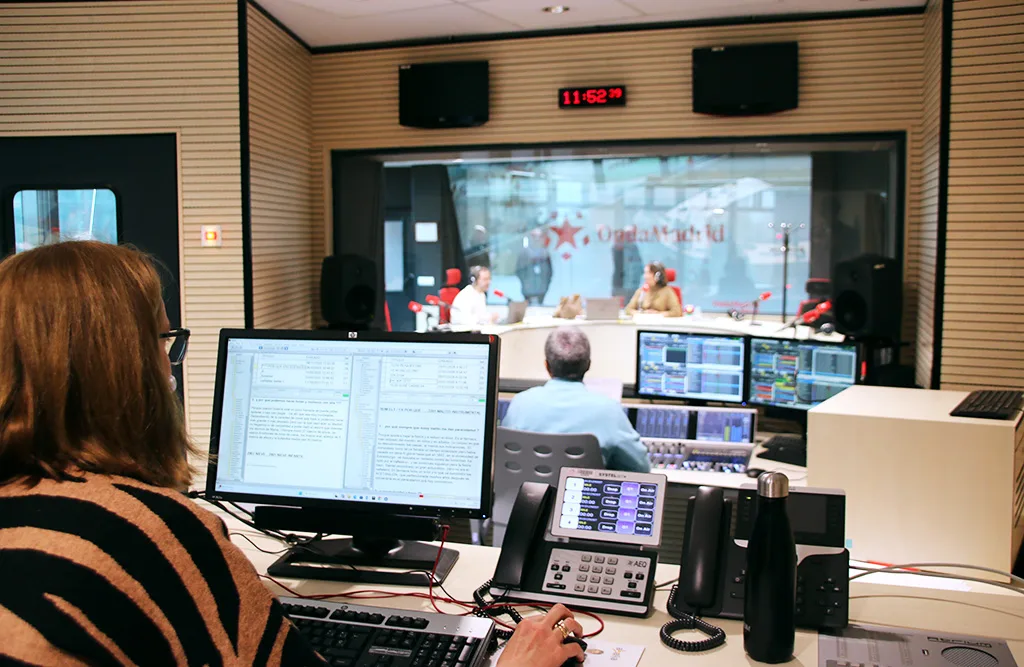
Los pilares conceptuales del estudio
A la hora de redefinir su estudio central, el equipo de Onda Madrid tuvo en cuenta la evolución del propio medio radiofónico. En palabras del propio José María Casaos, CTO de RTVM, “ya no somos únicamente una radio, sino que difundimos el contenido a través de múltiples plataformas del área digital o la propia televisión”.
El equilibrio era clave: el nuevo estudio de Onda Madrid debía ser estéticamente atractivo, pero también resolver importantes retos técnicos que aseguraran que las emisiones se mantuvieran con los más altos estándares técnicos. Se tomó en consideración desde la elección de los materiales hasta su disposición, con especial atención al reflejo del sonido en las superficies acristaladas que rodean el estudio.
José María Casaos: “Transmitimos la señal del estudio el día de su estreno en el programa Buenos días Madrid con una calidad más que apta para el broadcast tradicional. Siempre se tiende a pensar que la calidad para plataformas digitales es inferior. No tiene por qué ser así”.
Guillermo Sánchez de la empresa GSS Arquitectura fue el adjudicatario del proyecto, que posteriormente fue ejecutado por Arjid Arenas Jiménez Diseño. “Hemos tenido mucha suerte. Siempre es una incógnita cómo se desarrollará un proyecto después de que una empresa resulte adjudicataria en un concurso público. Pero han tenido toda la actitud y flexibilidad para encontrar la mejor solución arquitectónica para el espacio”, comenta Juan Antonio Fernández, coordinador de instalaciones y proyectos.
También se aprovechó la ocasión para introducir technical improvements que facilitan la producción en diversos ámbitos. Con el audio IP dándose por sentado, se realizó un importante esfuerzo en la disposición de cámaras de vídeo controladas a través de un sistema de automatización con activación sonora, cuya señal realizada se conectó con Telemadrid el día del estreno de la infraestructura: “Transmitimos la señal del estudio el día de su estreno en el programa Buenos días Madrid con una calidad más que apta para el broadcast tradicional. Siempre se tiende a pensar que la calidad para plataformas digitales es inferior. No tiene por qué ser así”, comenta Casaos.
Para terminar de definir su nuevo concepto radiofónico, el equipo de Onda Madrid visitó las instalaciones de National Radio of Spain por invitación del equipo de ingeniería de RTVE. Su experiencia fue de gran utilidad para encontrar las soluciones adecuadas desde el punto de vista de la obra civil and of the integración técnica.
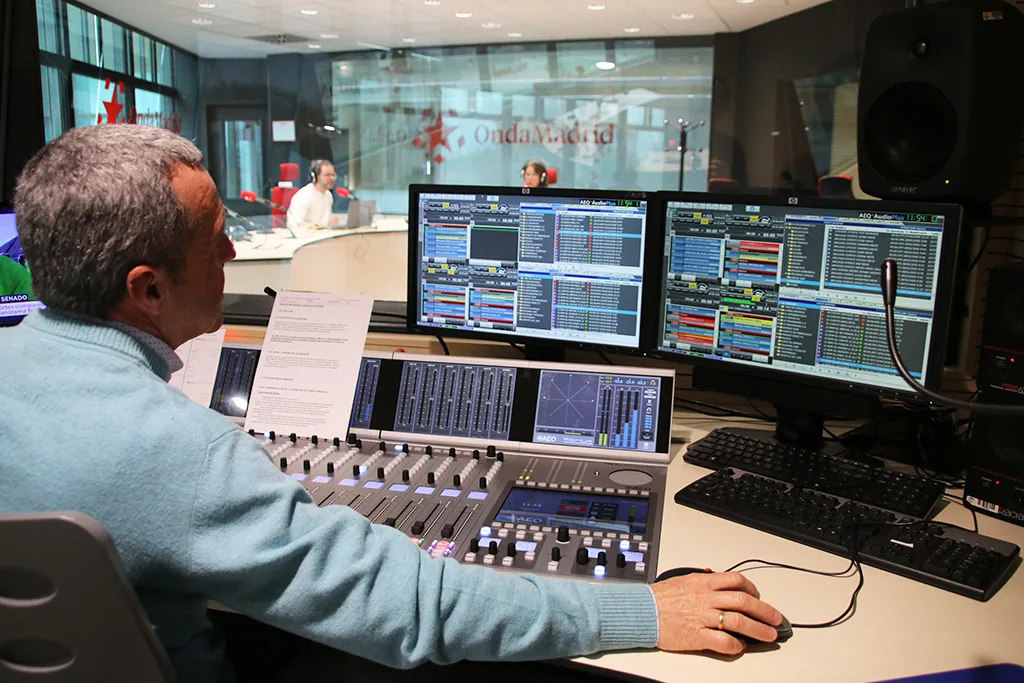
Tecnología renovada con sello español
Una de las incógnitas del nuevo estudio de Onda Madrid pasaba por saber si la puesta a punto era meramente estética, con la reutilización de parte del equipo de las infraestructuras anteriores. Nada más lejos de la realidad: el equipo de la radio madrileña ha apostado por transformar toda la tecnología del estudio, dejando intacto el anterior estudio central para utilizarlo como cabina secundaria para locuciones y como alternativa en caso de que se precise alguna intervención en el principal.
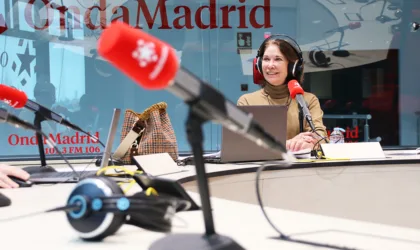
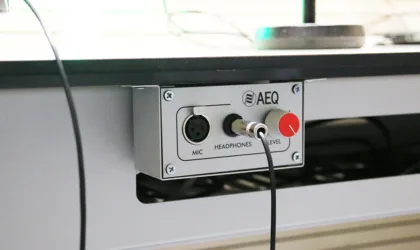
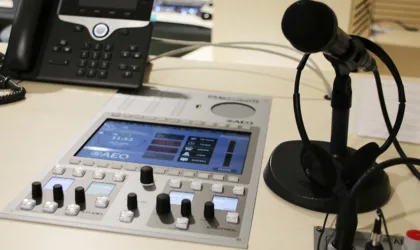
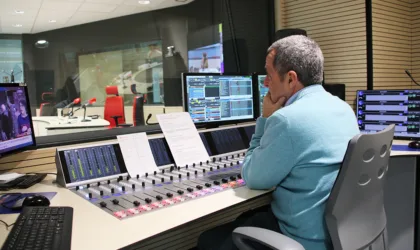
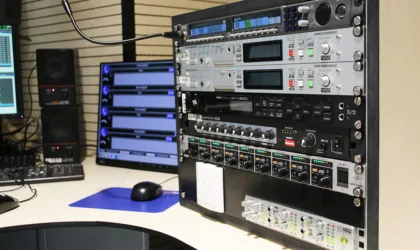
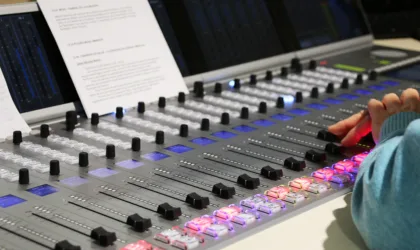
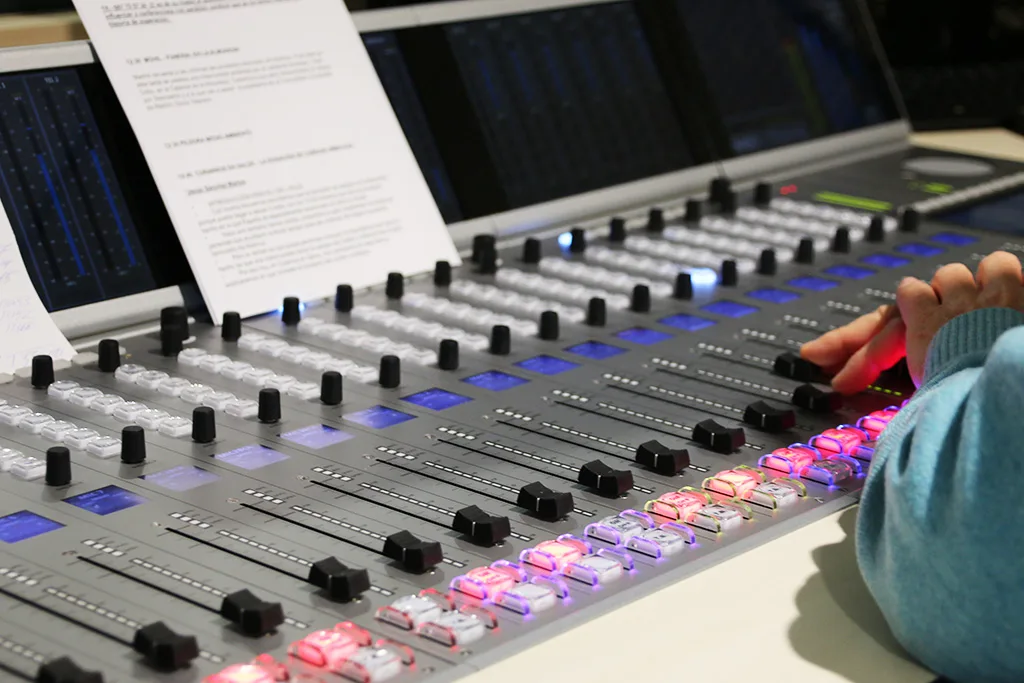 AEQ fue la adjudicataria del lote de equipos electrónicos del nuevo estudio. Su modelo insignia, el mezclador de audio Atrium, se acompaña de otras soluciones de la marca madrileña como las interfaces de cuatro canales Netbox 4MH o la tarjeta AoIP Dante de 64 canales XC24. También han sido clave en la renovación de Onda Madrid los auriculares AKG K271 MKII; los micrófonos dinámicos MD441U de Sennheiser, y los amplificadores y distribuidores de auriculares Behringer HA8000 V2 y AMP 800 V2. El estudio se completa con soluciones de Craltech, Galleon Systems, Patlite y Zyxel.
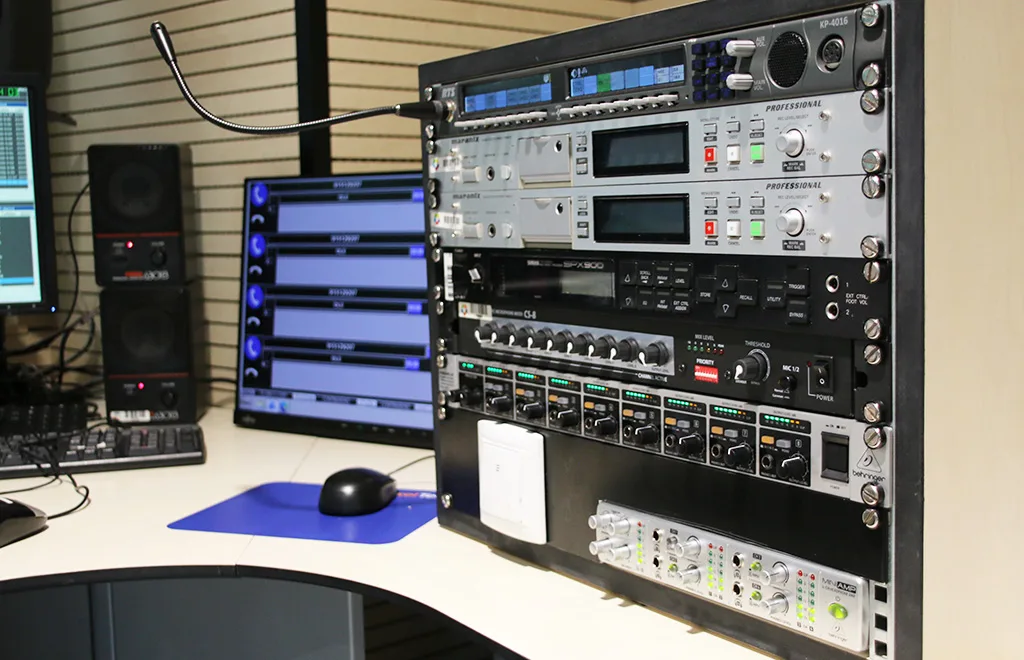 “Todo es nuevo: micrófonos, mesa, instalación… Lo único que se ha aprovechado ha sido parte de la mesa digital, que ya era compatible con las tarjetas que teníamos antes”, explica José Ignacio Hernández, responsable de medios técnicos de Onda Madrid. Las nuevas soluciones de la emisora toman como base la transformación digital que Onda Madrid acometió hace seis años, en la que se apostó por el AoIP habilitado por una red Dante (Audinate). Aun así, la red analógica se resiste a abandonar las instalaciones de Ciudad de la Imagen: “Hemos mantenido la parte analógica antigua, por si acaso. Funcionamos con audio transportado por Dante, pero como las tarjetas ya estaban operativas, hemos decidido dejarlas por si surge cualquier problema”, añade Pablo de la Peña, subdirector de ingeniería.
Un mañana cada vez más visual
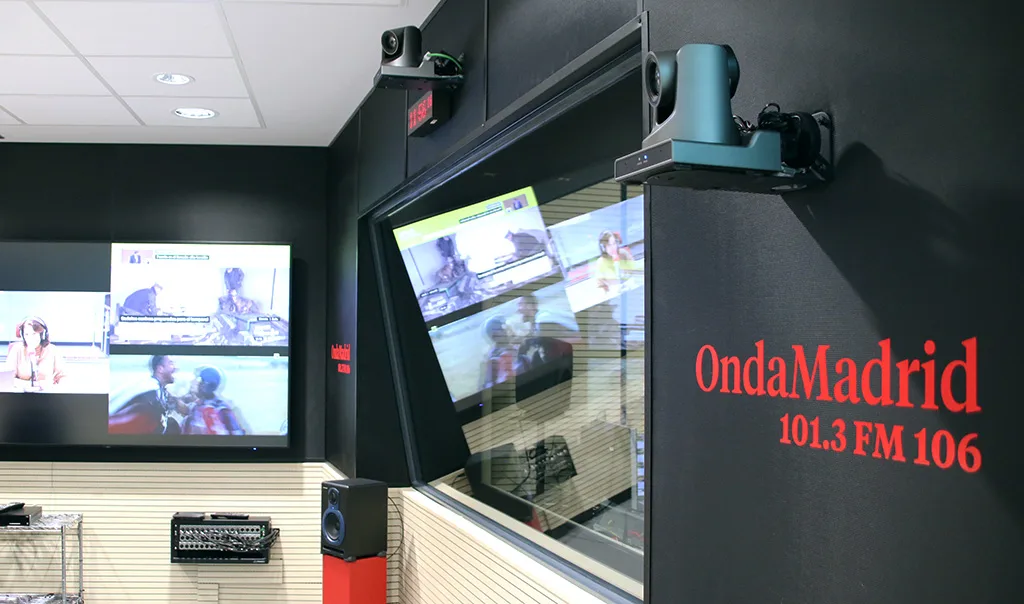
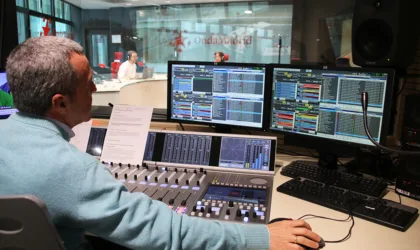
El despliegue de soluciones de audio del nuevo estudio de Onda Madrid se completa con el despliegue de tres cámaras PTZ VHD V60XL, que son gestionadas por el mezclador Flint de la empresa Broadcast Pix. Las herramientas, suministradas por Broad Service, certifican la transformación del estudio para adaptarse a los nuevos esquemas de radio visual, cada vez más asentados en la escena radiofónica estatal.
Alfonso Nasarre: “Yo soy un defensor a ultranza del audio, pero tengo muy claro que la tendencia es la radio visual y que llegaremos a ella más pronto que tarde”.
“Yo soy defensor a ultranza del audio”, subraya Nasarre al ser cuestionado sobre la llegada de herramientas de vídeo a Onda Madrid, “pero tengo muy claro que la tendencia es esa y que llegaremos a ella más pronto que tarde. (…) Nos permite desde emitir los programas hasta hacer versiones para pódcast. Nos hemos adecuado a los tiempos y esa es nuestra obligación y misión como servicio público”, explica sobre el despliegue.
Cualquier oyente puede escuchar a través de los canales digitales de Onda Madrid la emisión en directo de cada uno de sus programas. Para ello, se ha automatizado la realización visual con un sistema de activación de audio, el cual opera a partir de unos presets que se pueden configurar según sea la disposición de los intervinientes en el estudio. “El sistema se comunica a través de una aplicación de AEQ llamada Visual Radio, que aporta información al sistema de Broadcast Pix sobre el nivel de cada micrófono. Con programar unas macros, ya puedes tener una realización automatizada”, explica Carlos Ocaña, jefe del área de proyectos.
Onda Madrid en el ecosistema ST 2110 de Telemadrid
Telemadrid ha sido una de las primeras televisiones españolas en acometer la transición hacia una infraestructura basada en IP, un movimiento que aporta ventajas como versatilidad, agilidad y simplificación de la siempre compleja y extensa red de cableado SDI. Si bien la infraestructura visual del nuevo estudio de Onda Madrid ha sido construida en banda base, la dirección técnica de RTVM ha querido abrir la puerta a estos contextos.
Como explica Casaos: “Podemos interconectar nuestro estudio con la televisión a través de un panel de conexiones. El día de la inauguración, conectamos una cámara 2110 que podía ser usada desde nuestro control de realización del programa “Buenos días” directamente. A día de hoy, ya no decimos que tenemos una cámara en un estudio, sino un pool de cámaras que pueden ser asignadas a cualquier control”.
“Con este nuevo estudio podemos difundir lo que estamos haciendo en diferentes canales. En la televisión es exactamente igual: el reto es adaptarse a los nuevos hábitos de consumo”.
El nuevo estudio de Onda Madrid, ante todo, llega para abrir camino. En un momento en el que el consumo de audio se redefine, la ventana visual permite mejorar la interrelación con el espectador. RTVM ha tenido claro este mandato, y ha dado sus primeros pasos hacia una radio en la que la imagen es más importante que nunca. “Para mí, un pódcast sigue siendo radio, pero es cierto que se transmite por otros canales de difusión. Esa es la clave: con este nuevo estudio podemos difundir lo que estamos haciendo en diferentes canales. En la televisión es exactamente igual: el reto es adaptarse a los nuevos hábitos de consumo”.
A report by Sergio Julián Gómez
-

- De izq. a der.:
-
- Alfonso Nasarre, en su despacho de Onda Madrid.
Did you like this article?
Subscribe to our NEWSLETTER and you won't miss anything.
Related articles
 The main Spanish platforms and television networks come together to define their role in the future of Spanish cinema
 Madrid Film Office returns to Ventana Sur to establish ties between the Madrid and Latin American industries
 RTVE will buy 5 shortwave transmitters to ensure the future of Radio Exterior de España
 BCN Media Hub launches new studio for radio and podcast recording with the latest technology
 Telefónica and Qualcomm join forces to define the future of the metaverse and extended reality
 Existing to be necessary: the paradigm behind the new multimedia studio of Radio Galega (CRTVG)
 À Punt inaugurates a new production studio prepared for radio, television and web
 Radio Nacional de España (RNE) launches its new mobile studio
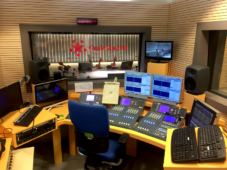 Onda Madrid equips its new digital studio with the AEQ Arena audio console
 Journalist Ángel Rubio, new director of Onda Madrid
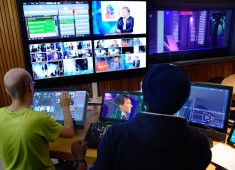 Belgian public radio RTBF creates a visual studio powered by Blackmagic Design
 Withdrawal dismissal of the director of Onda Madrid for ensuring that the radio model "sweats it"
 Radio Clásica inaugurates its new studio, enabled to host live performances
 Estudio 3 Plató, a new space in the heart of Madrid for audiovisual productions