





The new balance between theaters and platforms in 2026
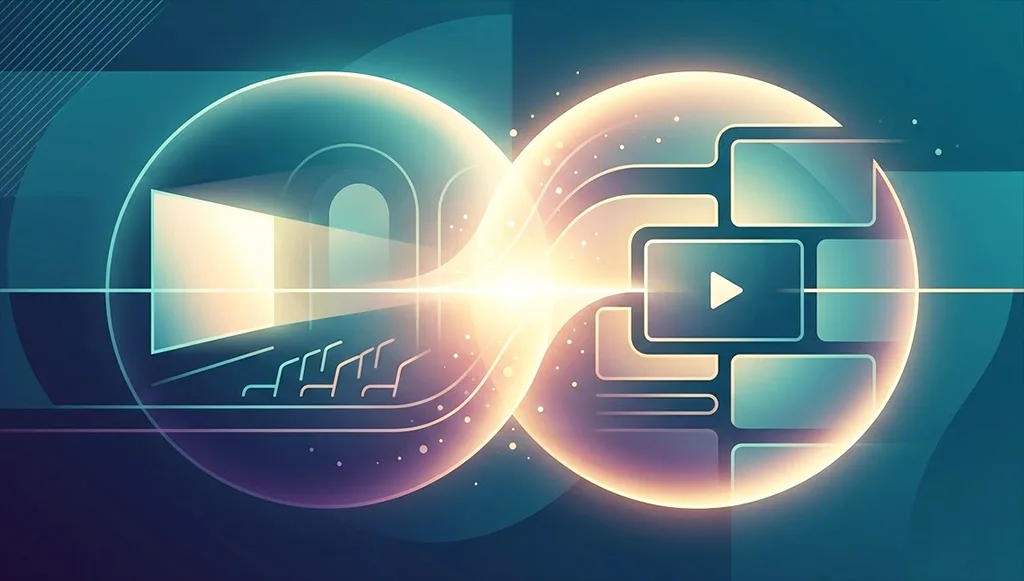

In this gallery, Miguel Puertas, brand business manager of Treintaycinco mm, analyzes the hybrid model of exhibition and transformation of audiovisual consumption, a complete structural reconfiguration of the audiovisual ecosystem as we knew it.
In 2026, the audiovisual ecosystem has reached a maturity point that few clearly anticipated just a few years ago. After a decade marked by technological disruption, the pandemic and the acceleration of on-demand consumption, the relationship between movie theaters y digital platforms can no longer be understood terms of confrontation. What has been consolidated is a hybrid display model which not only redefines the release windows, but also profoundly transforms consumer habits, production strategies and the way in which the public connects with the stories.
Cinema has been repositioned as a immersion space, a shared ritual that cannot be replicated in the fragmentation of individual devices.
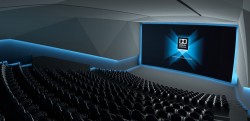
Far from disappearing, movie theaters have found a new reason for being. Although box office figures do not always reach pre-2020 levels, theatrical cinema has reinforced its identity as a cultural and social experience. The big screen, surround sound and collective experience have acquired a differential value in a context dominated by domestic comfort. Going to the movies is no longer simply watching a movie; is participate in an event.
Las exhibidoras have understood this change and have evolved their proposal towards premium formats, special sessions, encounters with creative teams y thematic cycles that turn each premiere into an expanded experience. Cinema has been repositioned as a immersion space, a shared ritual that cannot be replicated in the fragmentation of individual devices.
The industry before a free spectator
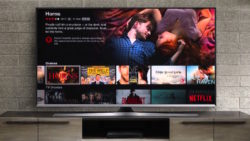
At the same time, the platforms have consolidated their role as the central axis of audiovisual consumption. Its strength lies in absolute flexibility: The viewer decides when, how and on what device to consume content.
The data and increasingly sophisticated algorithms influence creative decisions, launch strategies and content development.
In 2026, the streaming It is not just an alternative, but a established cultural infrastructure. Furthermore, the diversification of the market has generated a coexistence between large global operators and specialized platforms in specific niches, expanding the offer and allowing productions that previously had difficulty finding a screen today to access international audiences. The data and increasingly sophisticated algorithms influence creative decisions, launch strategies and content development, redefining the relationship between producers and the public.
The union of rooms and streaming
He true turning point, however, does not reside in the individual strength of each model, but in their convergence. The system of rigid windows has given way to a flexible and strategic logic. Some titles choose simultaneous premieres in theaters and platforms, especially when the international reach or audience profile advises it. Others maintain exclusive windows in cinemas, but significantly shorter than in the past, capitalizing on the conversation generated on the big screen before making the leap to the digital environment. This elasticity does not respond to a universal norm, but to case-by-case decisions that combine market analysis, brand positioning and commercial objectives.
The concept of success It is no longer measured solely in terms of immediate collection, but in a combination of cultural impact, engagement digital and permanence.
This coexistence has proven to be more symbiotic than competitive. Films that generate notoriety in theaters arrive on streaming with reinforced symbolic capital, boosting their visibility in saturated catalogs. In turn, the platforms function as global amplifiers that prolong the useful life of the content and allow works with a shorter run at the box office to find their audience in the medium and long term. The concept of success It is no longer measured solely in terms of immediate collection, but in a combination of cultural impact, engagement digital and permanence in social conversation.
Production in the new context of distribution
From the point of view of the production, this new balance has favored a strategic diversification. Studios and production companies design projects taking into account multiple exploitation scenarios, integrating from the beginning hybrid distribution plans.
The public of 2026 does not respond to a single consumption pattern; alternate contexts, choose formats and value both the collective immersive experience and individual flexibility.
The investments are structured considering both the room experience such as the platform tour, and marketing adopts a transverse dimension that connects the expectation of the premiere with the continuity of on-demand consumption. The metrics have also become more sophisticated: along with the box office, there are indicators of visualization, retention, interaction and viralization that redefine return on investment.
At the center of this transformation is a active and aware viewer. The public of 2026 does not respond to a single consumption pattern; alternate contexts, choose formats and value both the collective immersive experience and individual flexibility. This plurality forces the industry to constantly listen, analyze and adapt. Fidelity no longer depends exclusively on access, but on ability to generate relevant experiences in different environments.
A hybrid model to adapt to
The new balance between rooms and platforms does not represent a temporary truce, but a structural reconfiguration of the audiovisual ecosystem. The rooms have reinforced their character experiential and cultural, while platforms consolidate their role as spaces of accessibility and global expansion. Between the two, the hybrid model is imposed as a dynamic strategy that recognizes the complexity of contemporary consumption.
The audiovisual of 2026 is no longer defined by the medium, but by the ability to connect stories with audiences on any screen, at any time.
In this context, the challenge is not to choose a side, but to design strategies capable of integrating both worlds without diluting its differential value. The audiovisual of 2026 is no longer defined by the medium, but by the ability to connect stories with audiences on any screen, at any time and under multiple forms of experience.
Miguel Puertas
Producer and brand manager of Treintaycinco mm

Did you like this article?
Subscribe to our NEWSLETTER and you won't miss anything.
Related articles
 Arkona to highlight the potential of FPGA production platforms at ISE 2026
 Crosspoint: an unstoppable evolution at the crossroads between broadcast and OTT platforms
 Crossmedia: the confluence between broadcast and OTT platforms
 Gestmusic's crossroads between linear and platforms, with Tinet Rubira
 Half of platform users go to movie theaters less frequently than before the pandemic
 Pay TV in 2026: 64% more subscribers, but fewer users on leading platforms
 HBO Max begins its activity in the US, intensifying the war between platforms
 Series created for free-to-air television, among the most viewed on OTT platforms
 The current political situation promotes the greatest historical balance between chains
 Glookast will present at IBC its tools designed to move media between different platforms
 The Goyas recognize the difficulty of a montage that achieves the balance between action and contemplation
 Dolby Cinema, a new concept in exhibition halls
 Agreement between NEC and Ábaco Cines for the installation of digital cinema projectors in their theaters
 All conference room functions on the new AMX MVP-9000i panel