





Crossmedia: la confluencia entre el broadcast y las plataformas OTT

Crossmedia, la división digital de Crosspoint y del grupo ES Broadcast, realiza un análisis pormenorizado del status de la industria y de los procesos de transformación digital en la transición del mundo broadcast hacia la OTT.
Han pasado ya casi cuatro años desde el lanzamiento de Crossmedia, la división digital de Crosspoint y ahora parte del grupo ES Broadcast, es un buen momento para realizar un análisis de la evolución de la industria broadcast en el entorno digital. Para ello hemos charlado junto a Víctor García, managing director de Crosspoint, y Jorge Frías, head of digital media en Crossmedia, con la intención de hacer una foto del status actual del sector y los grandes retos que plantean los constantes cambios tecnológicos a los que se enfrentan sus clientes y partners.

Crossmedia, nacimiento y evolución
Después de estos años desde el lanzamiento de Crossmedia, ¿cuáles son las reflexiones más importantes sobre la evolución de esta nueva línea de negocio?
Víctor García, managing director de Crosspoint: “El nacimiento de Crossmedia surgió de la necesidad de dar respuesta a muchos retos que nos planteaba el mercado en ámbitos muy diversos y novedosos centrados en el mundo del streaming. La idea desde sus inicios fué establecer una línea especializada en el ámbito digital y tratar de añadir ese área como parte del portfolio de soluciones de Crosspoint (ahora dentro del grupo ES Broadcast), y así se hizo durante las primeras etapas, pero el volumen que iba tomando ese área hizo cada cada vez más complicado el planteamiento inicial, justificando plenamente el despliegue de una nueva división especializada. Después de este tiempo, sin duda, la primera y más firme conclusión es que ha sido un claro caso de éxito, donde hemos ampliado nuestro ámbito de actuación y donde hemos llevado a cabo proyectos muy relevantes. Hoy en día es ya una área muy consolidada dentro del grupo y además sigue en constante crecimiento”.
 “La segunda conclusión sería reafirmarnos en la importancia estratégica de la diversificación del negocio, tanto en la ampliación de nuestro portfolio y ámbitos de actuación, como en la apertura a nuevos verticales como los de deportes, cultura o el entretenimiento. Esta diversificación, junto con la apuesta por la innovación, resultan claves para la sostenibilidad de nuestra actividad. Hoy en día desde el grupo cubrimos todas las necesidades en el mundo broadcast o media, además de incorporar clientes en otros nuevos sectores. En la actualidad, estamos en disposición de ofrecer el conocido glass-to-glass, que puede ir desde una cámara hasta el servicio CDN de distribución y la app donde se consume un contenido. Esto también nos permite establecer sinergias muy relevantes entre las diferentes empresas que formamos parte del grupo y ofrecer soluciones end-to-end a nivel global. En cualquier caso, mi compañero Jorge Frías, responsable de ese área, os puede dar más detalles y un análisis interesante de por dónde vemos que camina la industria”.
Después de estos años desde el lanzamiento de Crossmedia, ¿cuáles consideran que son las reflexiones más importantes sobre la evolución de esta nueva línea de negocio de Crosspoint?
Jorge Frías, head of digital media en Crossmedia: “Como comenta Víctor, y haciendo un poco de recapitulación desde que lanzamos Crossmedia, quizás lo más relevante desde el punto de vista del enfoque ha sido la capacidad para ser ese punto de encuentro entre el mundo broadcast y el mundo digital en los medios. Crossmedia surgió de la idea de servir de puente o nexo entre ambos mundos, y ser ese punto de confluencia entre la televisión y el ámbito digital. Al final, hemos ayudado en esos proyectos de transformación digital en el mundo broadcast curiosamente al mismo tiempo, o en paralelo, con la transformación interna de una ingeniería con mucho camino recorrido en el mercado broadcast como Crosspoint”.
“Ese es el foco principal de Crossmedia: conectar el broadcast tradicional con el entorno OTT y ofrecer soluciones integrales”.
“Ese es el foco principal de Crossmedia, conectar el broadcast tradicional con el entorno OTT, y ofrecer soluciones integrales para la creación de plataformas de video en la nube; orquestación de flujos de trabajo para contenidos y metadata; organización de reglas de negocio y monetización; proporcionar herramientas de analítica y big data, y facilitar la distribución de contenido a través de redes de distribución de contenidos (CDN) en diferentes ventanas o aplicaciones, entre otras muchas cosas”.
“En la actualidad, Crossmedia es distribuidor e integrador para España de importantes firmas internacionales orientadas al desarrollo e integración de plataformas digitales OTT. Principalmente, las soluciones de nuestros partners están enfocadas a servicios de distribución de contenidos (CDN); plataformas de video (OVP); sistemas de codificación y packaging; herramientas de medición de la calidad de la experiencia (QoE); analítica aplicada a OTT y recomendaciones, o productos específicos de gestión de contenidos (CMS) y aplicaciones orientadas a la distribución de video en ecosistemas OTT”.
La transición del broadcast al mundo OTT
Es interesante ese punto que comentan sobre la confluencia del broadcast y las plataformas digitales, lo que hoy se viene a englobar en el concepto Over-The-Top (OTT). ¿Cuáles son las ideas y el aprendizaje en esa transición entre ambos mundos?
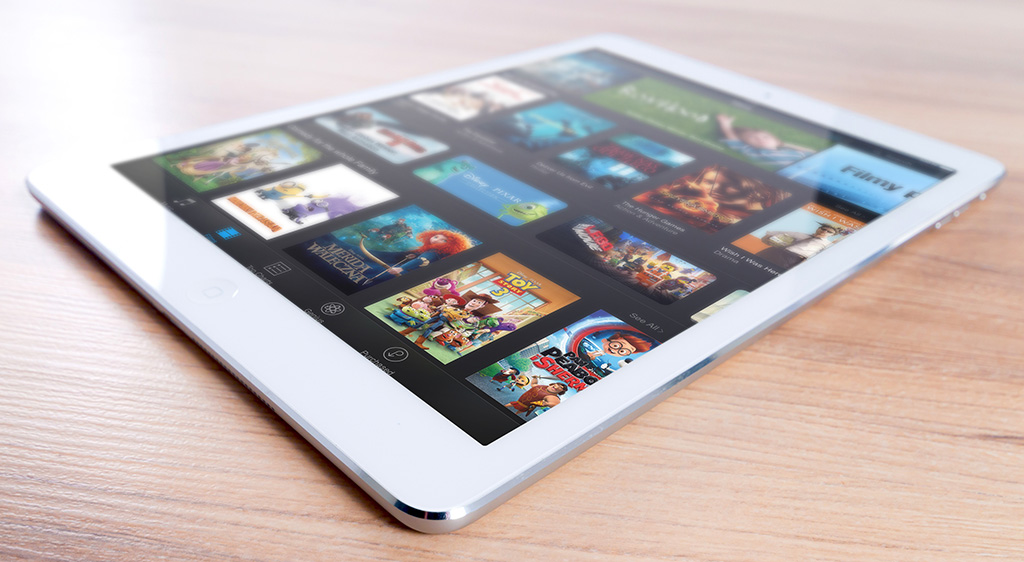
Jorge Frías: “Hay algo que siempre comentamos internamente y también con nuestros clientes. Hoy en día, sobre todo en la forma de distribución y consumo del contenido, las televisiones se han convertido en aplicaciones. El espectador de antes se ha convertido en un usuario dinámico que participa de un entorno interactivo de consumo. Cada vez es más común abrir una app para consumir un contenido original de televisión que sintonizar un canal en la TDT. El satélite de antes es una CDN ahora, y por ello hace tiempo que es crítico disponer de una CDN de primer nivel para tener una distribución óptima garantizada. Esto enlaza con la idea y la necesidad de medir la calidad del servicio y la experiencia del usuario (QoE). En ese entorno, Jonathan Perelman ya hace tiempo que apuntó la idea con su famosa frase “content is the king but distribution is the queen and she wear the pants”. Creo que no hace falta si quiera traducirlo, se entiende perfectamente. Más allá del contenido que es el primer gran factor, el éxito y el engagement de una plataforma OTT depende en gran medida de su capacidad para lograr una buena experiencia al usuario, y para ello debemos utilizar las mejores herramientas del mercado a nuestra disposición y ofrecer una experiencia de calidad y, sobre todo, personalizada. De algún modo también es como una especie de integración o sinergia de la industria de la televisión y la del cine, que en gran medida se ha visto también superada por la proliferación de las plataformas digitales”.
 “Por otro lado, según apuntan algunas tendencias, cinco importantes plataformas estadounidenses (Netflix, Disney+, HBO Max, Apple TV+, Prime Video) están en camino de captar más del 50% del consumo de video para el 2026. Esto tiene sus evidentes riesgos de oligopolio y uniformidad si consideramos que prácticamente veremos el mismo contenido en cualquier parte del mundo. Se pone de manifiesto aquí la importancia de las OTT de nicho y de la función de servicio público de muchas de las plataformas de nuestros clientes, que con modelos abiertos pueden ofrecer información y contenidos locales o regionales, y una visión diversa del mundo así como fomentar contenido basado en la actividad y la cultura propia de muchas comunidades. Estos servicios merecen llegar a más consumidores finales, y el mundo OTT, a diferencia de la televisión convencional, permite disponer de un alcance global en un ecosistema tan grande y fragmentado. Sin duda, este ha sido el propósito de los recientes grandes proyectos de nuevas plataformas OTT a los que hemos asistido en nuestro entorno”.
“Otro importante reto que afrontamos como partner tecnológico de nuestros clientes, en esa transición del broadcast al mundo OTT, es afrontar proyectos transversales donde se tocan aspectos tanto del lado broadcast como de la parte digital”.
“Otro importante reto que afrontamos como partner tecnológico de nuestros clientes, en esa transición del broadcast al mundo OTT, es afrontar proyectos transversales donde se tocan aspectos tanto del lado broadcast como de la parte digital, y por tanto afectan a departamentos y perfiles profesionales muy diferentes dentro la estructura organizativa de nuestros clientes. Creemos que es en esa parte donde además aportamos un gran valor dada la experiencia acumulada y conjunta de la que dispone el binomio Crossmedia-Crosspoint. En ese sentido tenemos proyectos muy interesantes como el realizado en À Punt donde proporcionamos una solución híbrida broadcast-digital end-to-end, X-Live Panel, para resolver toda la gestión de la publicación de canales 24×7 y ocasionales desde la matriz broadcast hasta la plataforma OVP de streaming para su salida a las distintas plataformas de las que dispone À Punt actualmente. Este es un clásico ejemplo donde tuvimos que coordinarnos con muchos departamentos de la casa, tanto del área de ingeniería clásica broadcast como del área digital, y donde pudimos resolver una necesidad muy concreta respecto a flujos internos. Donde antes tenían que participar muchos técnicos de diferentes departamentos, ahora simplemente un sólo operador sin formación de ingeniería puede operar el sistema, con el ahorro de tiempo y costes que supone para el cliente”.
Tendencias y retos actuales en el mercado de las plataformas digitales
¿Cuáles son las tendencias más destacables que detectan en estos momentos y que pueden suponer un cambio importante o un reto a resolver a corto plazo?
Jorge Frías: “Creemos que los ejes sobre los que se van a pivotar los nuevos desafíos de la industria giran en torno a cuatro conceptos clave: culminación de la transformación del mundo broadcast al digital, personalización de la experiencia, seguridad, y por último y más importante; irrupción de la IA y su aplicación a la industria de Media.
“Respecto a la transición digital que hemos estado comentando antes, creemos que es simplemente una cuestión de tiempo que se materialice. Como apuntaba Tim Davie, director general de la BBC y miembro de la Junta Ejecutiva de la EBU, cuando anunció que en el plazo aproximado de una década la BBC será un servicio únicamente digital, por lo que el broadcast tal y como lo conocemos actualmente, al menos en su forma de distribución, tenderá a desaparecer. Por otro lado, el cambio de modelo tiene que ver en gran parte también con la procedencia de los ingresos publicitarios, en la medida que se trasladen del ámbito clásico del modelo de la TDT, al área de ingresos del entorno digital. Esto tiene que ver con los hábitos de consumo y la proliferación de la TV conectada. Y cuando hablamos de consumo, este no es sólo a través de plataformas propias sino también de plataformas externas, lo que es la distribución a través de terceros en plataformas de Social Media, diferentes a los medios propios de los creadores originales del contenido. De hecho, hay importantes estudios como el de Houlihan Lokey que apuntan que en EE.UU se espera que la inversión publicitaria en plataformas OTT supere a la televisión tradicional para 2025”.
 “Un ejemplo muy curioso también de esta confluencia es la irrupción del lineal en servicios SVOD, con ese concepto que pretende venderse como nuevo que se ha venido a denominar como canales FAST. A estas alturas, a ninguno de nuestros clientes vamos a enseñarles como se hace un canal de contenido lineal, ni cómo se diseña o monta un playout. Lo único que cambia es el medio en el cual se distribuye y la aproximación que se le de, más broadcast o más digital, y la tecnología que se decida utilizar en el momento de su creación. Lo que no hay duda es de que abre nuevas oportunidades de explotación del contenido y ventanas publicitarias, y grandes actores de la industria como Peacock de NBCU o Paramount Plus ya han adoptado este modelo hace tiempo”.
“Como hemos comentado antes y dentro de lo que es el concepto de la calidad de la experiencia, que como hemos señalado antes es la reina junto al rey que es el contenido, está lo que llamamos personalización de la experiencia. Lo que se ha venido denominando como QoE (quality of experience) estaba más enfocado a los aspectos puramente técnicos del servicio. Hoy en día, lo que nos planteamos como reto respecto a la calidad de la experiencia va mucho más allá; supone monitorizar no solo el player de vídeo, sino también toda la aplicación en su conjunto, y conocer lo que se denomina el time to first play o ver el camino del usuario a través de tu aplicación hasta que reproduce un contenido. Este punto es crucial a la hora de alimentar un sistema de recomendación y poder ofrecer una experiencia personalizada. Al final, cualquier servicio OTT debe aspirar a ofrecer una experiencia diferente y específica para cada uno de sus usuarios, es el cambio más importante respecto al broadcast en este área, la transición del concepto de espectador al concepto de usuario como cliente final del servicio”.
“Estamos viendo solo el principio de la IA en el ámbito de los medios, y seguramente la punta del iceberg más grande al que se ha tenido que enfrentar nunca nuestro sector”.
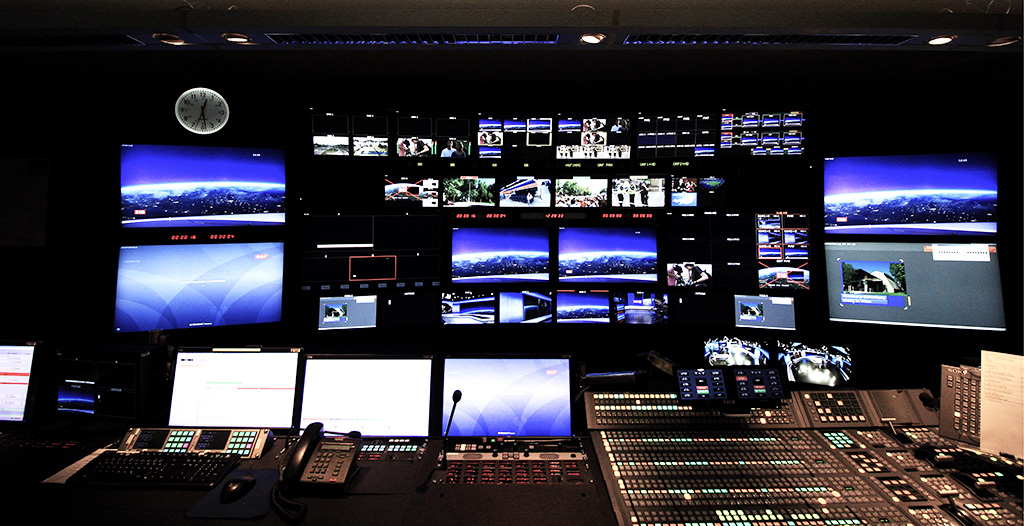
“La seguridad es sin duda otro de los elementos clave a la hora de tener en cuenta la evolución del servicio. En la medida que el broadcast se traslada al mundo IP a los servicios cloud, se hace necesario disponer de herramientas y servicios de seguridad avanzados donde podamos proteger tanto la infraestructura de origen como los contenidos de nuestros clientes. En ese sentido, estamos utilizando ya herramientas de seguridad de última generación y sistemas de monitorización así como otros mecanismos de protección de origen, sistemas de watermarking dinámicos etc.”.
“Por último, y como factor disruptivo más importante, no sólo en el entorno media, está la irrupción de Inteligencia Artificial generativa y la importante repercusión que tendrá en todo lo que es generación de contenidos. Aunque este asunto sin duda merece un monográfico específico, lo que sí podemos apuntar es que realmente podemos estar ante un cambio de paradigma, y los retos más importantes a corto plazo para nuestros clientes, más allá de los obvias cuestiones morales o éticas, irán sobre todo encaminados a la protección de la propiedad intelectual de sus contenidos, a la certificación de los mismos, o al desarrollo de sistemas de verificación y auditoría, pero, sobre todo, pasará por una necesaria y estricta regulación gubernamental. En estos momentos nuestros partners ya están utilizando la IA y el aprendizaje automático o machine learning, para mejorar muchos procesos habituales en la industria como puede ser en la capa de codificación aplicando modelos computacionales como el DIVA, en sus sistemas de codificación o utilizando la IA para la predicción de comportamientos anómalos en sistemas de supervisión y monitorización complejos y poder generar alarmas personalizadas. En cualquier caso, este es solo el principio de la IA en el ámbito de los medios, y seguramente la punta del iceberg más grande al que se ha tenido que enfrentar nunca nuestro sector”.
Hitos y proyectos más destacados
Ya nos han comentado que durante este tiempo habéis realizado proyectos muy diversos y de muy diferente índole ¿Podrían señalar alguno de ellos que haya sido de especial relevancia o interés?
Jorge Frías: “Es cierto que hay una gran diversidad de proyectos que hemos tenido que afrontar junto a nuestros partners, o bien como resellers, o bien como integradores de soluciones, y que han estado centrados sobre todo en los ámbitos de codificación, packaging, player, analítica, distribución CDN, y desarrollo de aplicaciones y gestores de contenido CMS . El nivel de involucración que hemos tenido en estos proyectos ha ido directamente relacionado con la cantidad de recursos internos de la que dispone el cliente y de la complejidad del proyecto en sí mismo. Desarrollar un ecosistema OTT integrado en los flujos de trabajo de un broadcaster es bastante complejo, y hay clientes que disponen de recursos de ingeniería propios donde nos solicitan únicamente una parte del puzzle, y otros donde necesitan soluciones más llave en mano con una potente capa de gestión del servicio. Es importante remarcar esta parte de servicio, porque hoy en día el cliente no solo necesita ese componente tecnológico, sino también el acompañamiento en el servicio o explotación de esa tecnología. No solo sirve proporcionar la herramienta, sino también ayudar al cliente a utilizarla y explotarla de la manera más efectiva y acorde a los objetivos marcados. Como solemos decir coloquialmente junto a nuestros clientes, no es solo el coche lo que necesitan, sino muchas veces también al que lo conduce”.
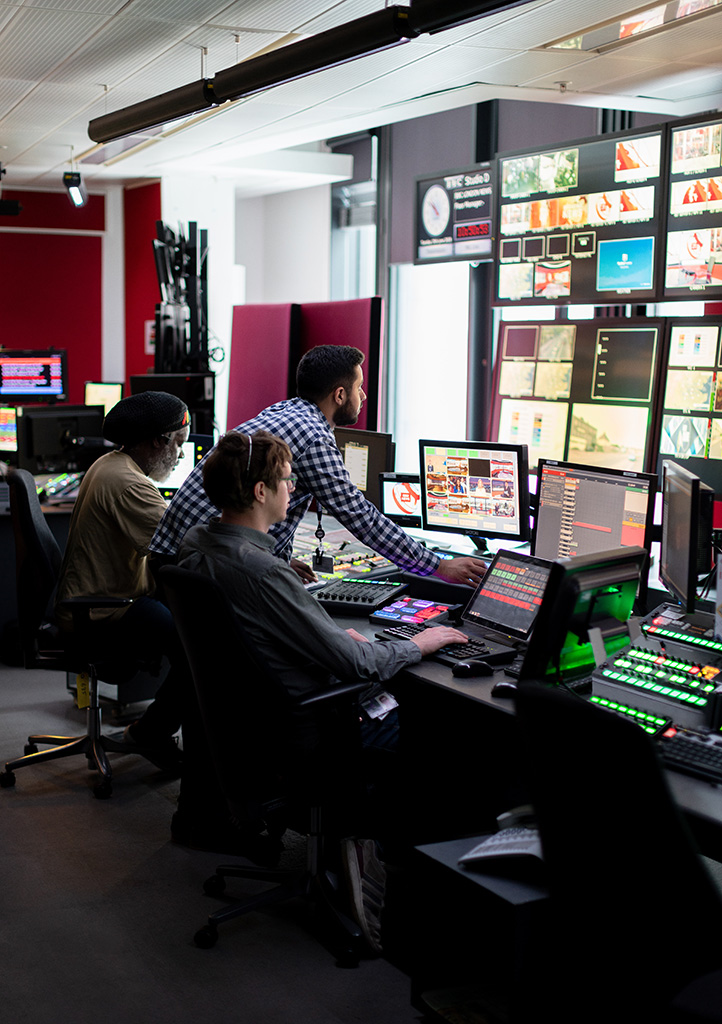 “En cuanto a la distribución de contenidos a través de CDN, nos gustaría señalar el camino recorrido con nuestro partner Fastly, donde prestamos servicio desde hace tiempo en RTVE, TV3 o EiTB entre otros. Además, es importante señalar que desde Crossmedia aportamos una capa de valor añadido al servicio de Fastly con un soporte 24×7 especializado en Varnish y despliegue de código en el edge con Compute@Edge, y soluciones de valor añadido gracias a los logs en tiempo real que proporciona la CDN, como paneles y herramientas de monitorización y control avanzados adaptados a las necesidades concretas del cliente. A día de hoy servimos a través de Fastly por ejemplo todo el tráfico web y VOD de RTVE Play, nos hemos convertido en Platinum Partner y somos el primer partner a nivel europeo”.
“En el área de plataforma de codificación y packaging, entre otros, damos servicio a importantes clientes como Mediaset con su plataforma de distribución de directos y también estamos trabajando activamente en otros verticales como importantes plataformas de distribución de contenidos deportivos o clubes de fútbol”.
“En cuanto al desarrollo de aplicaciones y frontales para plataformas OTT completas, en su día realizamos el proyecto de la plataforma OTT de À Punt con integración desde su MAM a la plataforma OVP de Brightcove y con entrega de contenido a través de un CMS propio y personalizado con ventanas de publicación múltiple en Web, iOS, Android, HbbTV y Smart TVs. También hemos trabajado en otros verticales como en el ámbito de la cultura como el Teatro Real, donde proporcionamos todo el servicio OVP con Brightcove y donde desarrollamos para ellos un CMS personalizado y aplicaciones para distribuir en las plataformas de Android TV y LG”.
“Desarrollar un ecosistema OTT integrado en los flujos de trabajo de un broadcaster es bastante complejo, y hay clientes que disponen de recursos de ingeniería propios donde nos solicitan únicamente una parte del puzzle, y otros donde necesitan soluciones más llave en mano con una potente capa de gestión del servicio”.
“Por último, y con gran importancia en la actualidad, en el área de analítica estamos inmersos en importantes proyectos como el de medición de calidad de la experiencia y analítica de redes sociales de RTVE junto a Conviva o el proyecto de Data Hub junto a Konodrac en CRTVG. Es importante señalar que ambos proyectos se ofrecen con una importante capa de servicio, dada la necesidad de explotación del dato de manera asesorada y acompañada de la mano de nuestros partners. La mayor dificultad en estos casos no es solo la captación y la agregación del dato y sus diferentes fuentes, sino en convertirlo en un dato útil y una plataforma operacional que pueda activar y proporcionar valor al servicio, y que sirva de herramienta operativa a muchos departamentos del cliente. De lo que no hay duda hoy en día es de la relevancia de la analítica aplicada a los servicios OTT en este sentido. La importancia del dato y su activación se convierten en factores claves en el cambio de paradigma del consumo audiovisual”.
“En realidad, el ámbito de actuación que tenemos como decía es bastante diverso y dinámico dado que las necesidades del mercado van cambiando constantemente. Por ejemplo también hay otras áreas específicas donde estamos implantando soluciones concretas a nivel de player o de seguridad y protección de orígenes con soluciones WAF de última generación”.
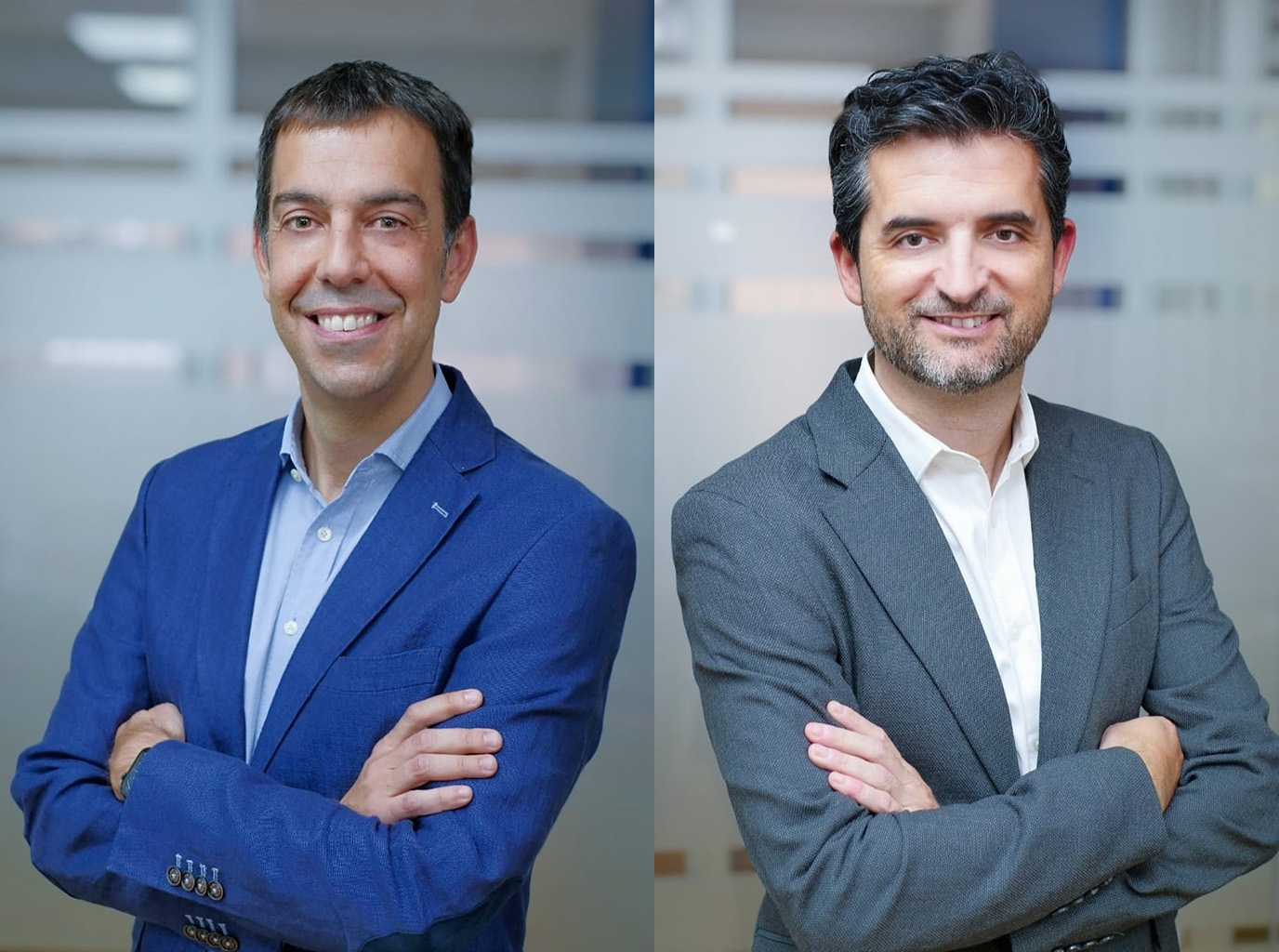
Víctor García, managing director de Crosspoint (izq.), y Jorge Frías, head of digital media en Crossmedia (der.)
Did you like this article?
Subscribe to our NEWSLETTER and you won't miss anything.
Related articles
 CrossMedia juega un papel clave en la consolidación de RTVE Play
 Crossmedia, la división digital de Crosspoint, inicia su expansión global en IBC 2025
 Crossmedia mejora la tecnología de recomendaciones de RTVE Play en colaboración con 24i y AWS
 Crosspoint: una evolución imparable en el cruce de caminos entre el broadcast y las plataformas OTT
 Crossmedia: the confluence between broadcast and OTT platforms
 Crossmedia, primer partner en el ranking europeo de Fastly
 La encrucijada de Gestmusic entre lo lineal y las plataformas, con Tinet Rubira
 Unified Streaming refuerza su presencia en España de la mano de Crossmedia
 HBO Max inicia su actividad en EE.UU. recrudeciendo la guerra entre plataformas
 Crossmedia, la división digital de Crosspoint, distribuirá las soluciones de Conviva en España
 Las series creadas para la televisión en abierto, entre las más vistas en las plataformas OTT
 Crosspoint lanza Crossmedia, una división digital especializada en la integración de soluciones OTT
 Glookast presentará en IBC sus herramientas destinadas a mover media entre diferentes plataformas
 Nagra despliega un puente entre broadcast tradicional e IP