





DaVinci Resolve: 16 grades in 2D, 3D, and HDR for “Avatar: Fire and Ash”
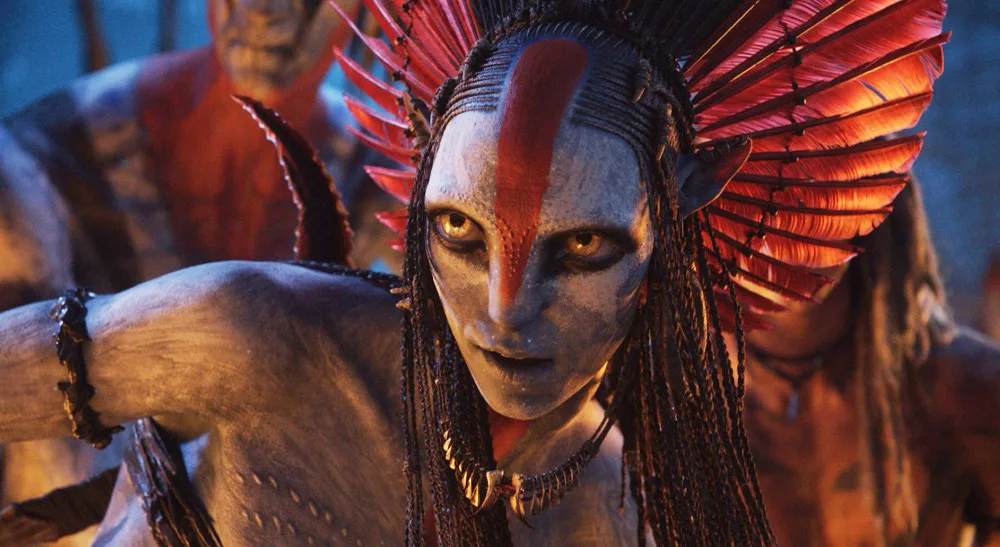
‘Avatar: Fire and Ash’, the third instalment in James Cameron’s saga, came to life in the colour grading room under the direction of Tashi Trieu, who chose DaVinci Resolve (ブラックマジックデザイン) for colour correction and adaptation to the different versions of the feature film: 2D, 3D and HDR.
In Avatar: Fire and Ash、 ジェームズ・キャメロン transports the audience back to パンドラ in a new adventure centred on Jake Sully, Neytiri and the Sully family. Produced by James Cameron and Jon Landau, the film once again pushes the boundaries of film technology to create a feature film driven by spectacularity that has reached cinemas in different formats. The adaptation to each format was carried out by colourist Tashi Trieu: “As always, Jim’s plan dictated that a number of different exhibition masters be created, with variations on light levels, frame rates, aspect ratios, etc., all in the service of every audience member seeing the optimal presentation, regardless of what theater they’re in.”
Trieu expanded the mastering process to generate up to 16 master copies for cinemas, including 2D and 3D versions for Barco’s HDR high dynamic range projection system. The feature film was divided into 15 tapes, each of which was managed as a separate project in DaVinci Resolve スタジオ, within multiple timelines for delivery.
The colour grading for Dolby 3D was used as the primary colour reference, from which the other deliveries were derived and adjusted according to specific requirements. To maintain organisation across the entire set of deliveries, Trieu created a fixed node structure with dedicated sections for technical adjustments, reference colour grading, and different size versions, and used DaVinci Resolve Studio tools to facilitate tracking changes during review sessions.
Coordinating versions with DaVinci Resolve
With multiple timelines at play, Trieu utilised DaVinci Resolve Studio’s capabilities to extend colour grading and size adjustments across all versions, particularly when deliveries had the same aspect ratio. In addition, in order to keep pace with visual effects modifications and stereoscopic revisions, Trieu developed and expanded a library of custom scripts in DaVinci Resolve Studio, including tools specifically tailored for the Avatar franchise.
These scripts enabled automation of important update steps, allowing new shots to be conformed and changes to be applied across all different versions, significantly reducing manual labour “With a single button press, I could index a timeline, import any new shots, stereo merge them, cut them in, copy grades, copy group assignments, and propagate the updates across multiple timeline versions. That way my time could be better spent on the creative process.”
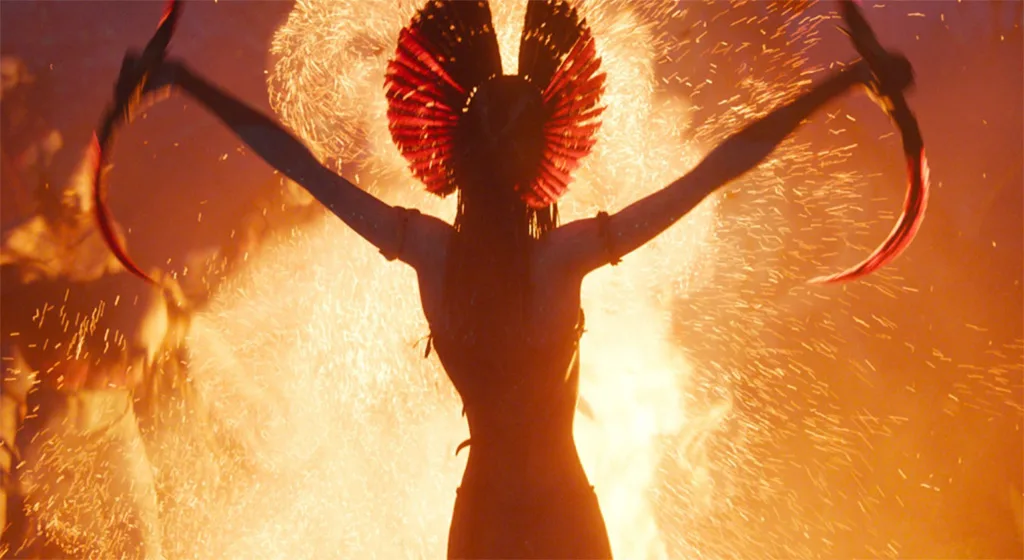
Trieu also pointed out the sequences where colour continuity was of vital importance. Among them is the scene of a confrontation on the beach, lit by intense blue-green flashes and the warm tones of fire, which required a careful balance between wide shots and close-ups to prevent the cuts from appearing too abrupt.
この記事は気に入りましたか?
購読してください ニュースレター 何も見逃すことはありません。
関連記事
 DaVinci Resolve: hasta 16 etalonajes en 2D, 3D y HDR para ‘Avatar: Fuego y ceniza’
 El etalonador Siggy Ferstl apoya a los equipos de VFX de ‘Avatar: The Last Airbender’ con DaVinci Resolve
 庵野秀明監督の大ヒット映画『真・仮面ライダー』をDaVinci Resolve Studioでカラーグレーディング
 Lamont McLeod 氏は、DaVinci Resolve を使用して語学コースを編集し、採点します
 DaVinci Resolve coming to iPad Pro with M1 and M2 chipsets
 DaVinci Resolve Studio、「Writing With Fire」ポストプロダクションの鍵
DaVinci Resolve Studio, eje de la finalización de ‘Writing With Fire’
DaVinci Resolve Studio、「Writing With Fire」ポストプロダクションの鍵
DaVinci Resolve Studio, eje de la finalización de ‘Writing With Fire’
 トーマス・エンゲル、オスカーにノミネートされた短編映画「オン・マイ・マインド」を DaVinci Resolve で採点
 ‘Leonor will never die’, graded with DaVinci Resolve (Blackmagic)
 「Don't look up」(Netflix)、DaVinci Resolve Studio でグレーディング
 Vanessa Taylor が DaVinci Resolve Studio (Blackmagic Design) で「The Protégé」をグレーディング
 DaVinci Resolve chosen to grade ‘Ku’damm 63’ in HDR
 オスカー受賞者のクラウディオ・ミランダは、Blackmagic の DaVinci Resolve Studio と DaVinci Resolve Mini Panel を信頼しています
 DaVinci Resolve: el reto de etalonar digitalmente ‘Avatar’