





Digital cinema: the future in the present
Elena Medina
Profesora de Producción Audiovisual, realizadora, productora y directora del Madrid Film Festival
Si el laboratorio digital es una alternativa real para facilitar y mejorar los procesos de postproducción, tanto si el origen de las imágenes es digital como analógico, el negativo sigue siendo una herramienta válida en manos del creador, que escogerá en cada momento el soporte más adecuado para expresarse.
En el año 2006, José Luís López Linares recibía el Goya a la mejor fotografía por su trabajo en la película Iberia (Carlos Saura, 2005) realizada en alta definición; con ello, el cine español reconocía de “manera oficial” que los soportes digitales también son cinematográficos; muchas películas que se exhiben con éxito en festivales internacionales han sido rodadas en formatos digitales. Nadie duda ya de que el futuro, y el presente, es digital: la televisión tiene plazo fijo para la implantación de este formato, nos informamos a través de la prensa digital… y, sin embargo, el producto cinematográfico, al menos en España, sigue respondiendo a un modelo híbrido en el cual, junto al triunfo indiscutible de la postproducción digital, la utilización de este soporte en rodaje plantea todavía ciertas dudas, que pueden deberse a la incertidumbre de algunos productores ante la perdurabilidad de los nuevos soportes y a la indefinición del modelo económico que regule las relaciones entre los sectores producción, distribución y exhibición en este nuevo cine; todo ello unido a la necesidad de una fuerte inversión en la sala, al debate sobre la seguridad del nuevo formato y a las incógnitas que se pueden plantear ante nuevos sistemas de negocio, como modelos de distribución atípica y alternativa, son factores que pueden estar actuando como frenos que impiden el pleno desarrollo del cine digital.
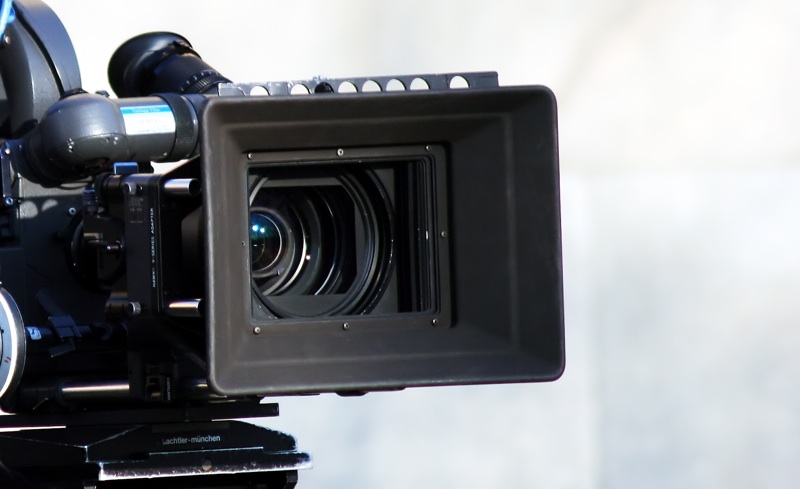 Decisión técnica y elección de autor
En estos últimos años, la producción española ha venido incrementando de forma espectacular su producción anual, sin embargo la producción digital no crece en la misma medida ni se reparte por igual en todos los géneros.
El triunfo de los soportes digitales está, por el momento, en el género documental y no tanto en la ficción, sin duda gracias a cuestiones económicas como el ahorro que representa la supresión del negativo, el coste asociado del laboratorio y la posibilidad de un equipo humano muy reducido. Este ahorro se produce también debido al formato de grabación utilizado ya que, en muchos casos y casi siempre en el documental, no se utilizan formatos de máxima calidad, alta definición o cine digital, sino una variedad de formatos de grabación más económicos en cuanto al precio de alquiler de equipos y coste de cintas, e incluso basados en ficheros sin cinta, considerados “no profesionales” cuando se habla de cine pero con los que, en definitiva, también se están haciendo películas con vocación de distribución cinematográfica y no sólo destinadas a canales alternativos.
Muchos de los problemas técnicos que impedían el desarrollo del cine digital eran cuestiones de captación de imagen y de configuración de las cámaras; algunos se están solucionando en los modelos actuales, como la grabación con un muestreo de 4K (aunque esta mejora trae consigo un problema de almacenamiento), la facilidad en el uso de menús, la búsqueda de una ergonomía similar a la de la cámara de cine o la modificación del tamaño del sensor, lo que permite el uso de ópticas de 35 mm. además de las diseñadas específicamente para la alta definición; sin embargo, algunos directores de fotografía siguen hablando de escasa latitud de exposición o la variación de la distribución de la latitud en función de la sensibilidad utilizada.
En definitiva: Hay demasiadas consideraciones técnicas, y de mercado, a la hora de definir el futuro del cine como una realidad digital; lo será, que duda cabe, en las áreas de distribución y exhibición que comprenderán, además, ventanas de explotación distintas a las salas y consideradas, todavía hoy, como secundarias (caso de los portales de descarga legal de películas).
Pero la elección del soporte en la toma de imágenes no puede ser una mera decisión tecnológica o económica, sino que debe depender de cada producción y de cada autor.
Se tiende a pensar que el cine digital se encasilla en las producciones de bajo presupuesto, o bien que los directores jóvenes tienden a utilizar estas tecnologías; ninguno de los dos supuestos es cierto al cien por cien: es verdad que algunas películas de bajo presupuesto se ruedan con estos soportes, pero casi nunca con la opción profesional de cine digital, pues a pesar del ahorro en negativo y laboratorio, estos equipamientos son todavía demasiado caros para estas producciones, por lo que se suelen elegir otros formatos más económicos y considerados “no profesionales”, como hemos visto en otro apartado de este artículo, aunque ello suponga una merma en definición, una limitación en el concepto de planificación del guión o un condicionante a la hora de iluminar en el rodaje.
Cada cineasta tiene sus propias razones para la utilización, o no, del cine digital dependiendo de cada proyecto concreto. Carlos Saura fue uno de los primeros directores españoles que se decidió a utilizar estos formatos; como autor que le gusta investigar, comenzó mezclando el 35 mm. y el soporte digital en función de la historia, usando cada uno de ellos como recurso expresivo; su última película Fados está realizada íntegramente en soporte digital; la dirección de fotografía de este film fue compartida por dos profesionales: Eduardo Serra que recogió los exteriores en Lisboa y José Luís López Linares para el resto del rodaje; Saura vuelve a trabajar con imágenes proyectadas, esta vez relacionando el movimiento de éstas con el del plató, razón por la que utilizó cinematografía digital puesto que, según él, las cámaras digitales tienen más capacidad para respetar la libertad de movimiento de los artistas.
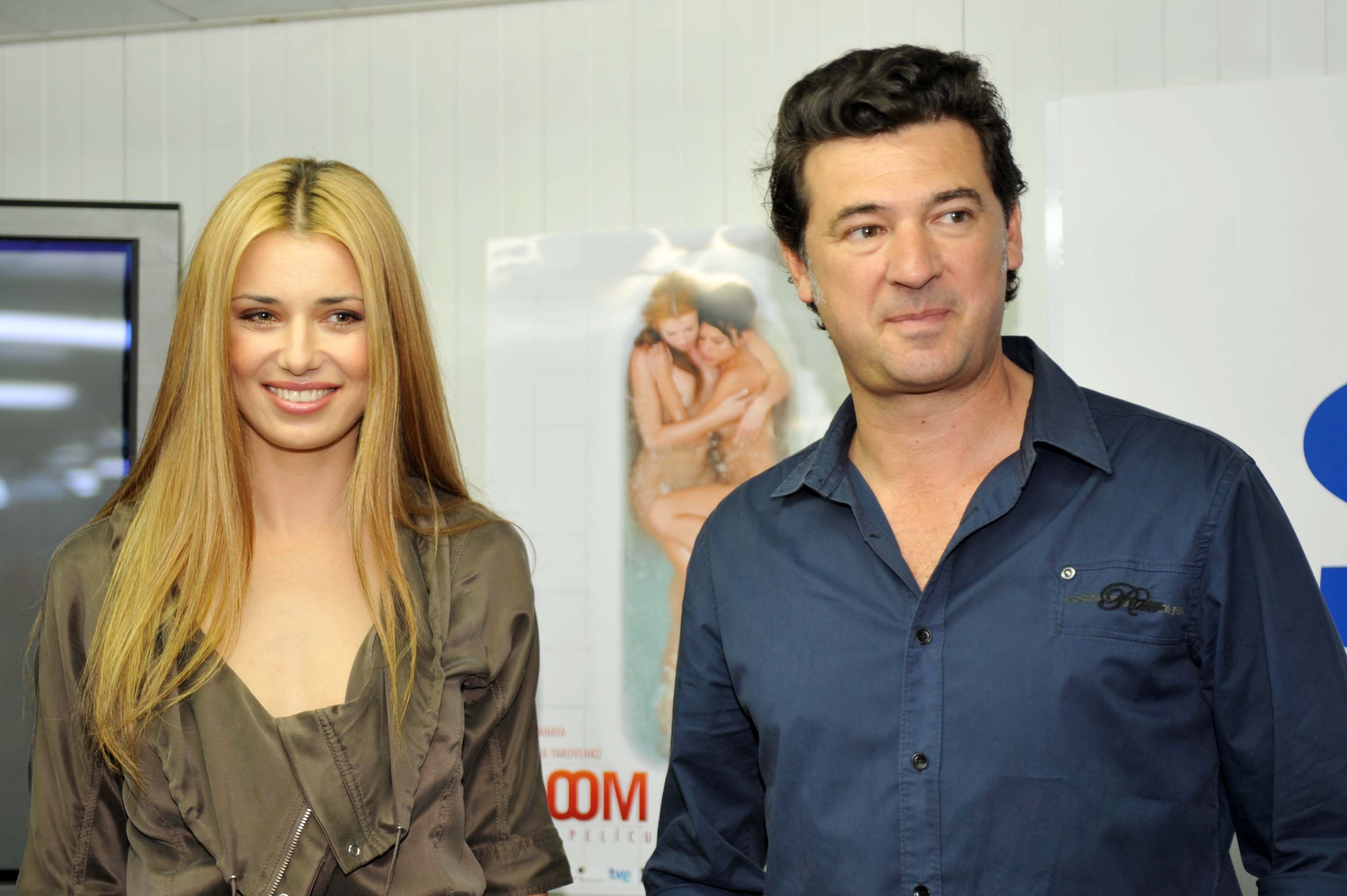 Julio Medem, al que le concedieron el premio “TEA Comunidad de Cine 2006” por su divulgación de la alta definición en el cine de gran público apostando por el rodaje en digital de Lucia and sex, ha vuelto a prescindir del celuloide tanto en Caótica Ana como en su última producción Room in Rome. En este caso encontramos dos tipos de razones para el uso del soporte digital; para el autor, el uso de Alta Definición le permitió modificar la fotografía en función de los momentos que recorre la protagonista, jugando con la saturación y el contraste dependiendo de su momento emocional; para Koldo Zuazua, su director de producción, este soporte representa economía y rapidez.
Otros cineastas como Matías Bize en Lo bueno de llorar (realizada en HDV) o en su película anterior Sábado y en la cama, han optado por soportes “no profesionales” sin que ello haya significado un obstáculo para mostrar un mundo de sentimientos expresado de una forma minimalista, de grandes silencios y planos sostenidos.
Otro caso de joven director, bajo presupuesto y formatos “no profesionales” es el de Rafa Cortés y su película Yo. El proyecto se planteó inicialmente para ser filmado en 35 mm. pero se realizó en formato HDV por cuestión presupuestaria: el director quería disponer de una relación de rodaje que el negativo no permitía; la limitación que impuso la tecnología utilizada se transformó en un lenguaje propio, pues en la película se usa una planificación que trata de no poner en evidencia la falta de definición del formato; tanto David Valldepérez, director de fotografía, como el director intentaron tener una imagen que se pareciera al cine; para ello utilizaron ópticas de 35 mm. con adaptadores miniPro 35 de Technik. Esta fórmula de trabajo tuvo su complemento en una postproducción adecuada de tratamiento de color y etalonaje, para obtener el acabado en el tono frío que pretendía el director.
 Por su parte, Icíar Bollaín y Gracia Querejeta se decidieron por el fotoquímico, aunque con distintos formatos y por diferentes razones. En el caso de Icíar Bollaín, tanto ella como el director de fotografía, Kiko de la Rica, se decidieron por el Súper 16 mm. para Mataharis, porque ofrecía el tipo de grano que querían. La elección de este formato tiene que ver con el concepto visual de la película, una imagen cercana al documental: actrices con un maquillaje natural, un concepto compositivo sucio, con muchos elementos en el encuadre como las imágenes grabadas por las protagonistas, rodaje en la calle sin interrumpir el tránsito gracias a que, según la directora, la cámara de 16 es bastante pequeña y no llama la atención. En sentido opuesto, buscando una fotografía transparente y brillante, Gracia Querejeta se decantó por el 35 mm. para Siete mesas (de billar francés). La directora no es partidaria del artificio en fotografía, por lo que en su concepto del realismo no ve la necesidad de condicionar la iluminación a priori e intenta que sea lo más natural posible; para apoyarlo buscó incluso que la postproducción digital fuera mínima confiando en el proceso fotoquímico tradicional. Icíar Bollaín utilizó el sistema de etalonaje digital Lustre para corregir algunas luces, que el rodaje en exteriores y con planos secuencia no permitía ajustar perfectamente.
También Roser Aguilar utilizó el 35 mm. para contar una historia personal en su primer largometraje the best of me, aunque este es un caso distinto porque la película es la primera producción de Opera Prima, proyecto de I+D de la ESCAC (Escola Superior de Cinema i Audiovisuals de Catalunya) a través de Escándalo Films, su productora asociada; por tanto es una producción patrocinada por la escuela, con un presupuesto estimado en el entorno de un millón de euros para cada producción. Es interesante comprobar que las apuestas cinematográficas de las escuelas, con directores noveles, pueden plantearse en soporte cinematográfico y no necesariamente en formatos digitales.
Este abanico de ejemplos, variados en intenciones artísticas y presupuestos, nos permite constatar que la tecnología utilizada es una herramienta más a disposición del proyecto y del autor/a.
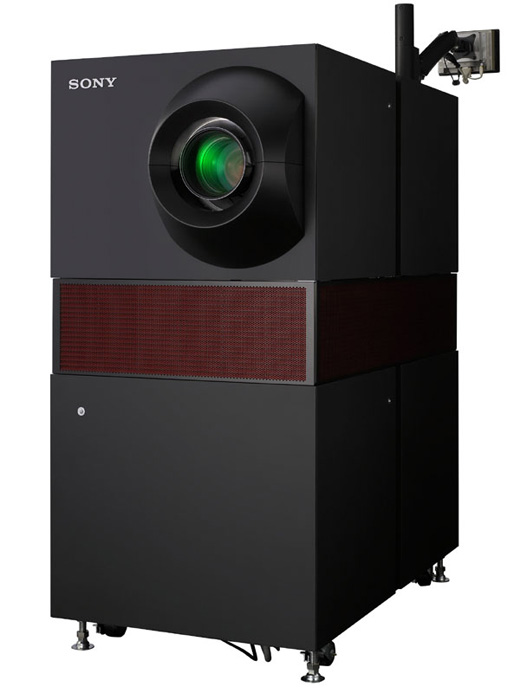 La nueva sala digital
La tecnología para la digitalización de las salas de cine está lista; hace todavía poco tiempo se debatía sobre la calidad de la proyección digital, pero en la actualidad los fabricantes como Sony, Barco o Christie Digital Systems, tienen en el mercado proyectores con resoluciones de 2K y 4K que ofrecen una imagen equiparable al 35 mm. en proyección, sin el deterioro que se produce en éste, tanto por el desgaste del celuloide en la proyección, como por la merma de calidad que tiene la copia de distribución con respecto al negativo original.
Por otra parte, desde hace varios años existen unas normas estándar de calidad para la proyección digital, las normas DCI (Digital Cinema Initiative), iniciativa privada de los siete grandes estudios de Hollywood, que a través de sus filiales de la distribución controlan el 80% de la distribución cinematográfica en España; normas que corren el riesgo de quedar obsoletas porque en este campo la tecnología avanza deprisa y que, por otra parte, pueden suponer una dependencia demasiado peligrosa de las empresas de exhibición respecto a las majors norteamericanas.
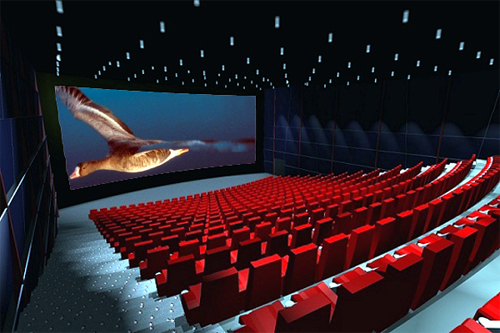
Los exhibidores tienen puestas las esperanzas en la proyección digital como una posibilidad de recuperación del público para la sala y aunque, en general, el espectador no llegue a diferenciar una resolución de 2K o de 4K, la sala digital puede permitir que el exhibidor tenga mayor flexibilidad en la programación, intercambio de películas y salas según la aceptación del público: utilización de la sala con el número de butacas más conveniente para cada película y la posibilidad de diversificar la oferta de contenidos con la proyección de acontecimientos deportivos y culturales, eventos empresariales o la participación en un video juego en pantalla grande; también son conscientes de que para atraer espectadores a la sala hay que hacer evidente la diferencia con la pantalla doméstica, aunque ésta disponga de las tecnologías más avanzadas para el visionado en el hogar; por ello la nueva sala debe ofrecer magia, confort y una variedad de servicios que van desde zona de fumadores, a las áreas Wi Fi, zona DJ’s o puntos de lectura; uno de los elementos que pueden contribuir a la magia de la sala es precisamente la proyección de películas en 3D.
Pero, mientras no exista un acuerdo en el modelo económico entre distribuidores y exhibidores, la digitalización de las salas no será posible; las majors se van a ahorrar mucho dinero en producción y distribución y los exhibidores quieren ser partícipes de este ahorro; por otra parte, el exhibidor necesita tener la seguridad de que su inversión se pueda garantizar con un marco normativo que homologue los productos y asegure que sus equipos no queden obsoletos en poco tiempo, ya que se necesita un período de siete a diez años para amortizar la inversión.
 En el Foro Europeo de Cine Digital se han discutido tres fórmulas para llegar a un acuerdo financiero entre distribuidores y exhibidores:
1) Mediante el alquiler de las películas: la propuesta consistiría en rebajar el precio de las películas para aquéllos exhibidores que realicen el cambio al sistema digital; es un modelo que apoyan muy pocos distribuidores.
2) Terceras partes financieras: una tercera parte, una entidad bancaria por ejemplo, haría un préstamo para que el exhibidor se dotara con el equipo digital; los avalistas serían los distribuidores y los estudios es decir, las majors; se tiene que poner en práctica una normativa antimonopolios para evitar que las multinacionales aumenten su capacidad de influencia sobre los exhibidores. Parece que es la fórmula que está funcionando en Estados Unidos.
3) Contratos leasing: en este caso, el exhibidor alquilaría el equipo de proyección a los distribuidores para evitar grandes inversiones y como contrapartida tendría el compromiso de exhibir publicidad del distribuidor; el riesgo está en la posibilidad de abuso del distribuidor a la hora de imponer sus productos, además de la pérdida de la propiedad del equipo de proyección por parte del exhibidor.
Es probable que la fórmula más equitativa sea la primera ya que la inversión del exhibidor se compensa, en parte, por quienes ahorran en la migración digital, pero no es fácil; no olvidemos que las actitudes abusivas de los cinco grandes de la distribución acabó con una condena del Tribunal de Defensa de la Competencia por prácticas anticompetitivas, a la hora de suscribir los contratos de películas con los exhibidores españoles.
Actualmente en España el avance de las salas digitales es lento y hay incluso quien opina que es debido al interés de las multinacionales en asegurar su posición, por miedo a la competencia que puede suponer la entrada de contenidos alternativos y nuevos contenidos cinematográficos.
Algunas valoraciones
Estamos en el comienzo del cine digital, aunque la digitalización tiene una penetración distinta según las áreas; todavía pasará un tiempo antes de que las salas realicen el cambio, y mientras eso ocurra, los exhibidores tendrán que compatibilizar las proyecciones en 35 mm. con las digitales; cuando distribuidores y exhibidores lleguen a un acuerdo financiero, parece clara la migración.
En el caso del área de producción la situación es diferente: algunos tramos están totalmente digitalizados, caso del montaje y la postproducción; sólo a algún romántico del celuloide se le ocurriría hoy en día montar con una moviola y renunciar a herramientas tan cómodas como Avid o Final Cut. En el caso de la postproducción, quien más, quien menos, utiliza los recursos digitales aunque sea en el último tramo y con corte de negativo, para realizar un etalonaje digital; y por supuesto, muchas de las películas que utilizan el recorrido del laboratorio digital completo, lo hacen a partir de una filmación en 35 mm. escaneando el negativo.
Es precisamente en la filmación donde todavía no se ha implantado al cien por cien la toma de imágenes en soportes digitales; es llamativo que una parte de los films con registro digital no se realizan con la opción profesional de cine digital, alta definición, sino con otros soportes más económicos, y ello a pesar de los esfuerzos de los fabricantes y de las empresas de servicios por afianzarse en el mercado; los precios de alquiler de algunos equipamientos son difícilmente justificables en una producción media.
La utilización de formatos más baratos puede ser una posibilidad de democratización de la producción audiovisual que permita un aumento de películas independientes (y también de bajo presupuesto), que verán truncado el paso a la sala cinematográfica ya que la dificultad para estrenar sigue siendo la misma: poca disponibilidad de pantallas para películas modestas y alto coste del estreno (por el número de copias y la inversión en publicidad, necesaria para hacerse visible); es posible que con la sala digital la dificultad para llegar al estreno pueda venir de la mano de una tecnología impuesta por los estudios o bien, dificultada por los acuerdos entre exhibidores y distribuidores, en forma de influencia de las majors sobre los exhibidores, para propiciar el cambio digital.
 Los productos independientes se tendrán que encauzar hacia otras vías de comercialización relacionadas con Internet, como los portales de descarga legal; la posibilidad puede estar también en las salas pequeñas, más dedicadas a cine de autor y cine alternativo; las salas que aspiran a ser, simplemente, lugares donde se pueden ver las películas de la mejor manera posible; no debemos olvidar la importancia de la sala en cuanto a la amortización de las películas, no por su rendimiento en taquilla, sino porque nuestro actual sistema de ayudas exige el estreno comercial en sala para obtenerlas y no computa el estreno en otras ventanas de explotación. También las cadenas de televisión están dispuestas a pagar más por aquéllas películas que pasan por la sala; a su vez, la proyección digital también será una solución para los grandes complejos, con aspiraciones de ser grandes centros de ocio, gracias al cine de gran espectáculo, como se están encaminando ya algunas salas con la adopción del cine en 3D.
Y por último, ¿por qué todo el cine tiene que ser digital? ¿por qué este soporte tiene que sustituir por completo al fotoquímico? Si el laboratorio digital es una alternativa real para facilitar y mejorar los procesos de postproducción, tanto si el origen de las imágenes es digital como analógico, el negativo sigue siendo una herramienta válida en manos del creador, que escogerá en cada momento el soporte más adecuado para expresarse.
El texto íntegro de Digital cinema: the future in the present, de Elena Medina, está disponible en el libro Media, technology and entertainment: a connected future (Ed. Laertes)
Did you like this article?
Subscribe to our NEWSLETTER and you won't miss anything.
Related articles
 Dalia agentic AI defines the present and future of Dalet at IBC 2025
 The Huelva Festival will celebrate present and future in its 50th edition
 The present and future of automated production for football, with Football Club
 The present and future of televisions goes through IP
 Visual radio at Atresmedia: The future of the medium or an ephemeral present?
 The WorldDAB Annual Assembly takes the pulse of the present and future of digital radio
 Aitor Rubio (Cellnex): “5G is not the future, it is the present”
 Manufacturers and broadcasters take an x-ray of the present and future of connected TV under HbbTv
 The 3D Wire Fest brings together the present and future of animation
 The European Digital Forum in Lucca (Italy) debates the present and future of Ultra High Definition
 The present and future of television news, up for debate
 IPTV: present and future of TV at the service of the quality of content and user experience
 Present and future of 4K production: from the Varicam 35 to the new DVX200
 About thirty experts will take the pulse of the present and future of the sector in Broadcast IT Experience