





Internet on the TV? A question with many doubts in the air
Internet inunda todo tipo de dispositivos móviles o fijos, desde el ordenador a la puerta de un frigorífico, la Red está presente en nuestro día a día, pero qué pasa con el televisor. Hay teorías para todos los gustos y pese a las reticencias de la industria, Samsung, Sharp, Sony o Panasonic están dando pasos para acercar Internet a la pantalla del salón.
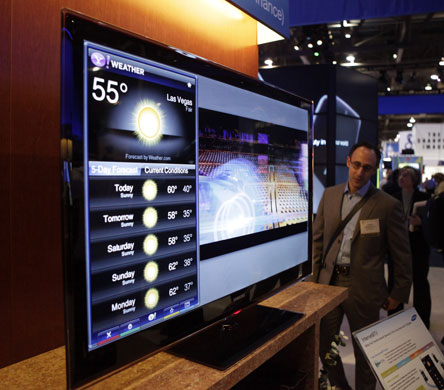
No cabe duda de que cada día más nos estamos acostumbrando a tener Internet en cualquier sitio y pantalla. Más allá de en nuestro PC o en el teléfono, encontramos contenidos online en lugares de lo más dispar desde una marquesina de autobús a un ascensor o en la puerta de un frigorífico. Pero, ¿qué pasa en el televisor? Pese a los numerosos intentos que se han producido en los últimos años, parece que la relación entre la Red y la televisión no termina de cuajar…¿o sí? Son muchos los fabricantes de semiconductores que están moviendo pieza, sin embargo, los fabricantes de televisores parecen no estar muy ilusionados con este ‘matrimonio de conveniencia’.
Los especialistas de la industria de la electrónica sostienen que el consumidor relacionan la televisión como un medio pasivo para seguir tirado en el sofá. su televisión con una vía de comunicación que ingieren, mientras recostado en el sofá. Sin embargo, la navegación por Internet en el ordenador es una actividad más activa. Sin embargo, hay quienes piensan que la verdadera razón para que Internet no haya entrado definitivamente en el televisor es una cuestión de precio. La electrónica de consumo en los últimos años está jugando en la venta de televisores, con LCD s en caída libre de precio, con unos márgenes muy ajustados, por lo que la inclusión de la tecnología que daría accedo a la Red y que supondría un sobrecoste en la producción.
Otra cuestión que hecha para atrás a los fabricantes es la cuestión de los potenciales virus. Aunque un usuario se ha acostumbrado a luchar contra ellos en su PC, difícilmente admitiría perderse una final de liga porque su pantalla del televisor se ha ‘colgado’. Como solución a este problema Intel presentó a finales del año pasado el procesador Intel Media CE3100, un procesador que no admite la navegación completa.
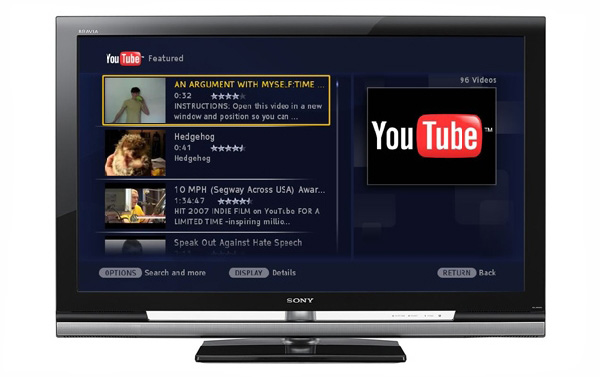 Intel toma posiciones
En cuanto a los operadores, su oposición es completamente reacia. Bastante quebraderos de cabeza les están dado ya los proveedores de contenidos en red como Youtube como para fomentar que el zorro entre en el gallinero. Sin embargo, no todo es pesimismo. Fabricantes como Samsung, Sharp, Sony o Panasonic han comenzado a comercializar televisores que ofrecen una serie de widgets que facilitan el acceso online a contenidos seleccionados relacionados con información meteorológica, tráfico o financiera. El anuncio por parte de Intel en el mercado de chips que faciliten la navegabilidad en el televisor ha propiciado que otros fabricantes como Texas Instruments, NXP o Broadcom se hayan animado ha replantearse su irrupción en este mercado potencial con el consiguiente abaratamiento que en los próximos meses tendría esta tecnología. Otras empresas como Personal Web System, fundada por el ex-directivo de Intel, Gordon Campbell, han entrado de lleno en este mercado comercializando por unos 65 euros un dispositivo que permite a los televisores contar con un acceso pleno a Internet.
No ajenos a este proceso están también los fabricantes de set-top box que consideran este mercado como su terreno vedado. Además, el hecho de que los set top box estén relacionados con plataformas de cable o satélite significaría que el servicio de Internet podría llevarse a cabo mediante sus servidores evitando así algunos problemas como la proliferación de virus o la posibilidad de incluir controles parentales.
Did you like this article?
Subscribe to our NEWSLETTER and you won't miss anything.
Related articles
 Warner Bros. and the big question that the audiovisual industry is asking today
 Abe Abt (AJA): “We are launching exciting updates to many of our solutions”
 Hollyland shows its new Solidcom C1 Pro at NAB 2023, among many other solutions
 Aarón López (VSN): “our portfolio is now broader and offers many more functionalities”
 Blackmagic is once again present in many of the films nominated for the 2022 Oscars
 Samsung bets on the transformable television
 Panasonic presents its first television with 4K Pro
 Pau Esteve: “I opted for the ARRI Alexa in ‘Caníbal’ because it gives you many possibilities for color correction”
 Panasonic Blu-Rays turn the television into a “Smart TV”
 ZDF's German channel 3sat goes on air with Pebble Beach Marine automation
 Cisco Rock The Cloud: towards a world of many clouds…
 Clearing up doubts about the effects of 3D on vision
 Google TV on the television?
 Skype will offer HD video conferencing from your TV