





And twelve years later... Avatar arrived
Today one of the most anticipated works of recent times hits screens around the world. Twelve years after the spectacular 'Titanic', James Cameron returns with his most ambitious project: Avatar. Thousands of hours of post-production and a budget of over $230 million say it all about a film that promises to mark a before and after in the technological history of cinema.
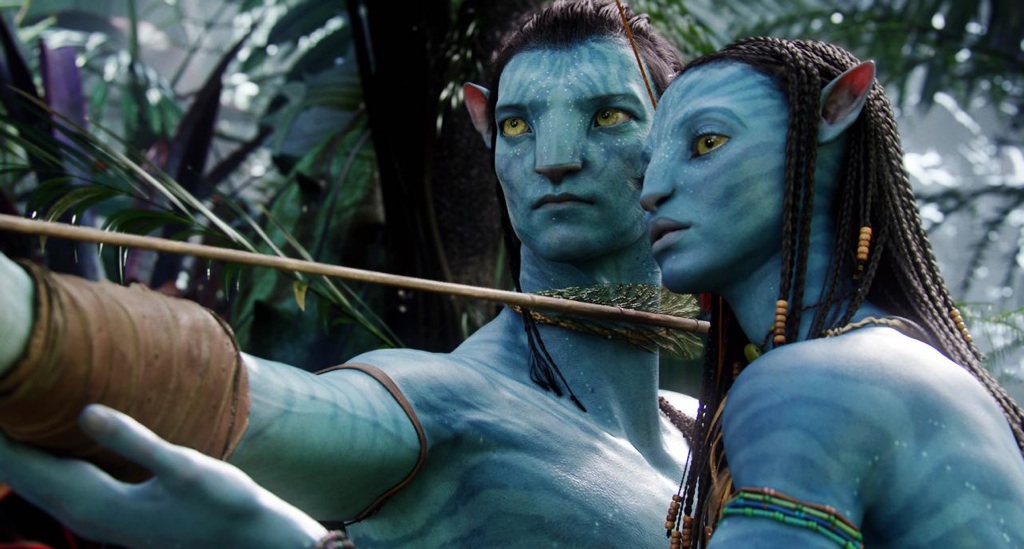
After sweeping the blockbuster Titanic (1997), twelve years later James Cameron returns with his most pampered and ambitious project: Avatar. The film, with a budget of over $230 million, is not only the largest production ever undertaken but also promises to mark a before and after in the technological history of cinema. Thousands of hours of post-production, which over four years have accompanied the technological development itself, and more than 60% of the footage filmed with motion capture converts the Avatar in the most ambitious project in Hollywood.
The film, which will be released worldwide today, December 18, tells the story of former Marine Jake Sully, who is confined to a wheelchair, but decides to enlist to travel light years to the human enclave on the planet Pandora. There, companies extract a mineral that can solve the Earth's energy crisis. As Pandora's atmosphere is toxic, humans must connect to a biological body (avatar) that is remotely controlled and can survive on the planet. Sully must infiltrate Pandora's natives, the Na'vi, as they have become an obstacle to obtaining the coveted mineral, but over time learn to be one of them.
Panasonic, Cameron partner
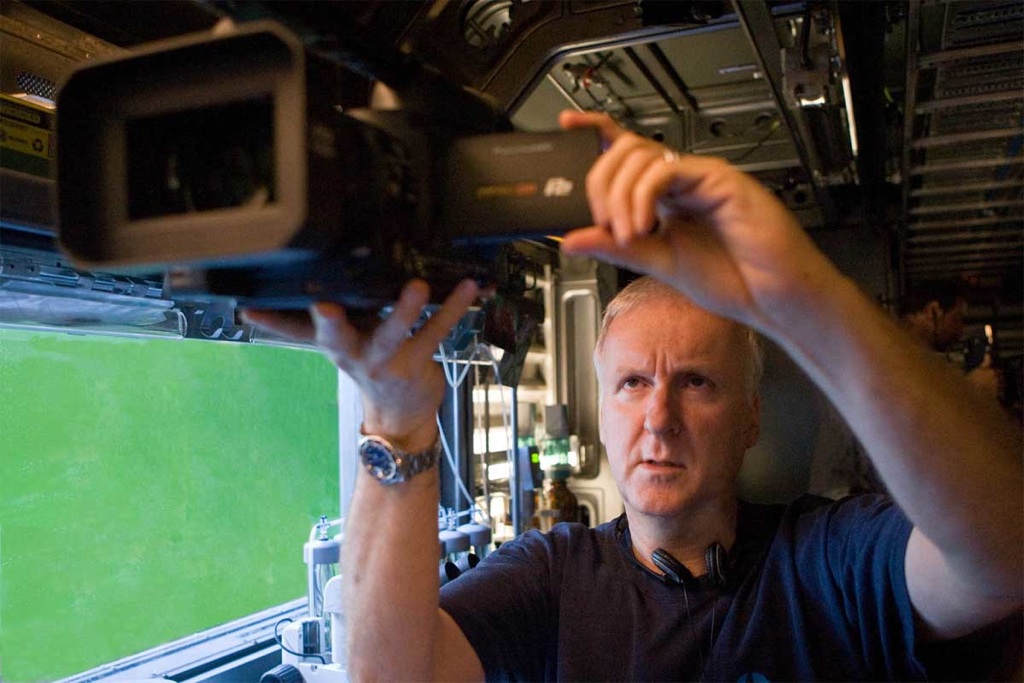
Panasonic trusts the project Avatar, making some of its most innovative professional equipment with cutting-edge technology available to James Cameron.
The 65- and 103-inch plasma monitors were used both in the production studios and, curiously, in the editing room where James Cameron himself worked, who chose them for their image quality and faithful color reproduction, essential requirements for the director.
During the filming of Avatar The AJ-HPX3000 professional camcorders with P2HD recording technology on solid-state memory cards were also used, which allowed James Cameron to visualize the scenes before capturing them in 3D. In addition, Panasonic provided the production team with Toughbook heavy-duty computers and Lumix digital photography cameras to carry out their daily work.
Cameron went on to comment that he had had the opportunity to closely observe "and experience first-hand their Full High Definition 3D technology and I can say that it is outstanding. We consider Panasonic to be our perfect partner for 3D work, behind and in front of the camera, as they play a crucial role in achieving the next technological breakthrough in home entertainment."
 Sony in the 3D bet
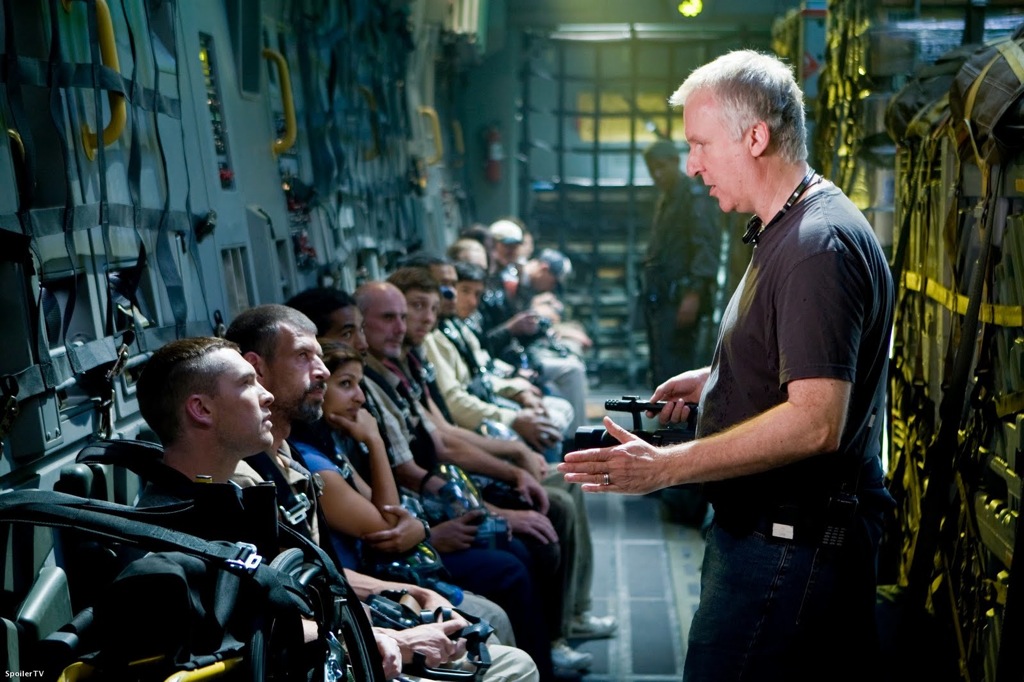
If something characterizes Avatar, it is James Cameron's commitment to 3D, years before the fever broke out. Avatar from its conception was a stereoscopic project with which, we could affirm, that stereoscopy has been growing hand in hand in parallel with the production of the film itself.
The human outpost on Pandora as well as various remote-controlled biological organisms and the Na'vi civilization are part of the story of the highly anticipated blockbuster. Avatar. To bring these elements to life in a visually immersive 3D experience, the filmmakers turned to high-definition Sony cinema cameras.
The film combines live action sequences with cutting-edge special effects, and according to the production teams, Sony cameras were the right choice to deliver the vision of the story.
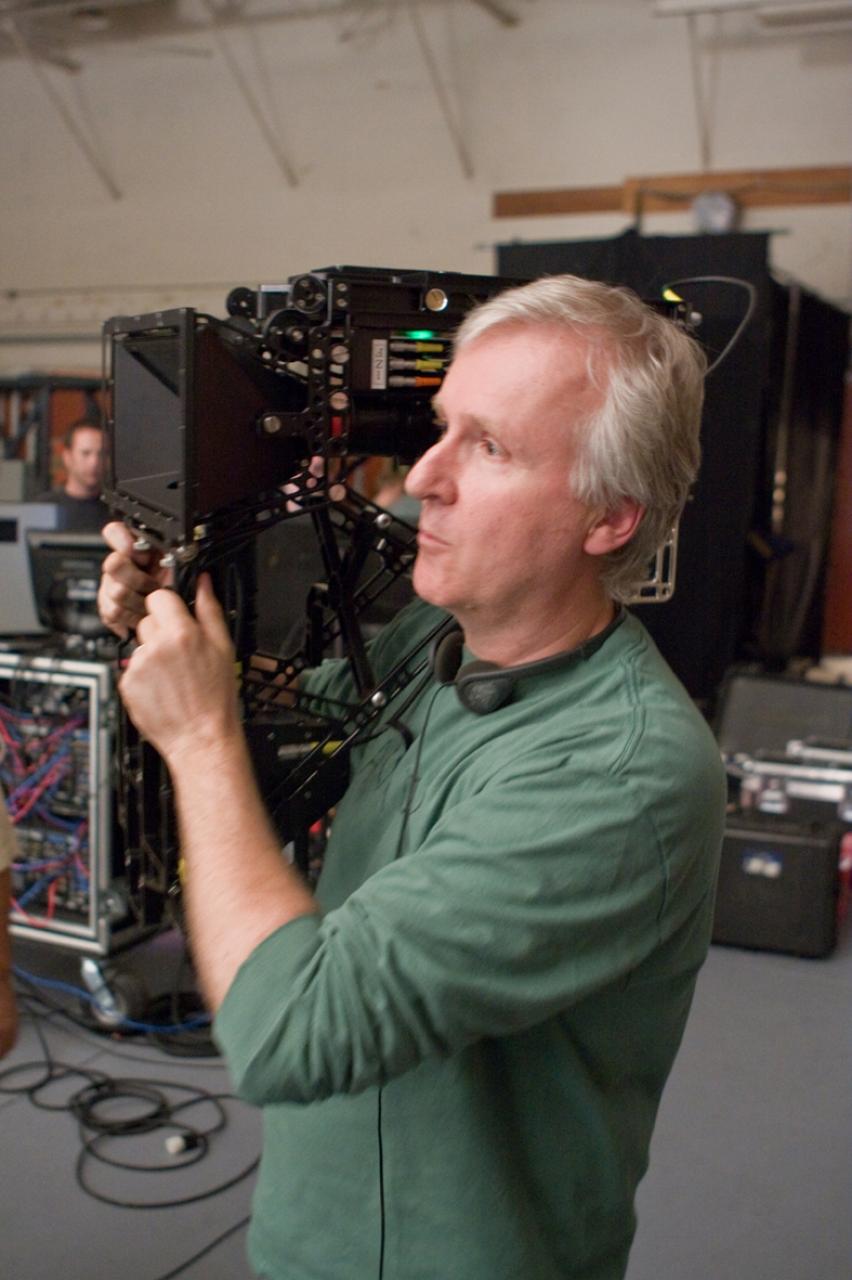
Vince Pace, veteran videographer and expert in 3D technologies, co-developed the 3D camera platform, consisting of Sony cameras specially modified for the film's requirements, which were aimed at capturing and producing stereoscopic images.
Avatar used eight Sony HDC-F950 cameras for primary capture. In addition to that, Sony HDC-1500 cameras captured speed shots during the live action, while the then newly available F23 camera was used for the specific shots.
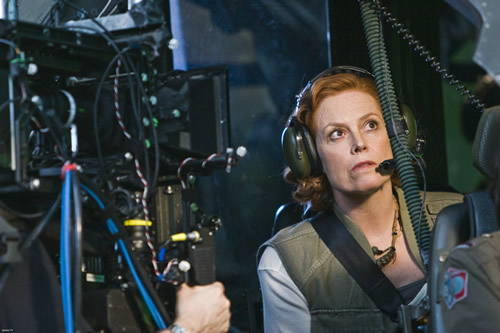 Pace noted that "it was important that the actual recording of the film not be affected by the fact that we were making it in 3D. And these cameras allowed us to do that. They allowed us to create a unique, completely immersive 3D experience. I don't think it would have been possible any other way." Pace acknowledges that his goal was to create a capture system capable of doing 2D and 3D without affecting the creative direction of the film or hindering the actors' performances. The Sony cameras delivered the ideal combination of on-set flexibility and 2/3” visual quality, as they were able to quickly transition from handheld to technocrane and Steadicam modes.
For his part, Rob Willox, director of the Content Creation Group at Sony Electronics, highlighted that "this film is the result of almost four years of production. Vince and his team modified the Sony camera system and continually refined the technology. What the audience will see on the screen represents the pinnacle of 3D technology. The unique 3D views are a direct result of the Sony camera systems."
The Sony cameras were put to the test in a range of shooting conditions: in the jungle and in action sequences, as well as on the sound stage for interaction with the CG characters.
"Based on our testing and previous experiences, we knew we could achieve the desired creative look with these cameras. Sony's CineAlta brand and the performance of these camera systems are well known and powerful. The one thing we didn't want to do was compromise 2D in the pursuit of 3D. With these cameras, however, we were able to tell the story we wanted to tell in the best way possible," said Pace.
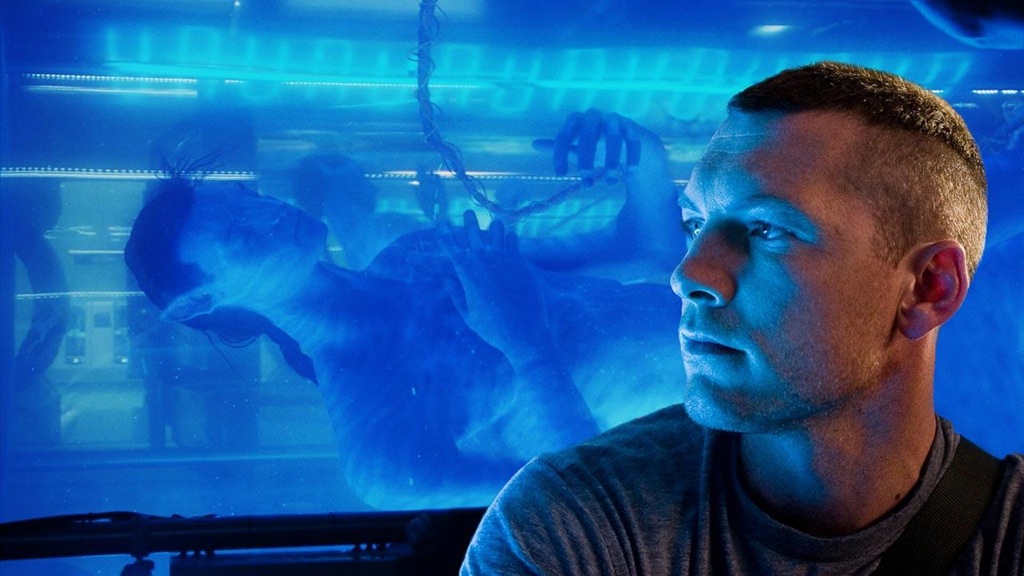
Quantel Pablo in post-production
Avatar se estrena hoy en todo el mundo tanto en versión 2D como 3D en tres diferentes relaciones de aspecto. Cada uno de los frames tanto de la película como de los trailers y promocionales han sido tratados por parte del equipo de James Cameron con tres sistemas Pablo Stereo 3D de Quantel. El trabajo con Pablo ha incluido el conformado y chequeo estereográfico , ajuste y calidad de control.
Hay que destacar que en la post-producción de Avatar el trabajo con Pablo ha sido esencial para el subtitulado del idioma Na’vi utilizado por algunos de los actores de la película.
Un aspecto importante en este mega proyecto ha sido la instauración de un flujo de trabajo ágil, rápido y perfectamente sincronizado en las instalaciones de Modern Videofilm. Para hacer frente a la carga de trabajo enorme y el gran número de islas de trabajo y equipos implicados, cada uno de los frames era identificado siguiendo una nomenclatura común poniéndose a disposición de todos en un almacenamiento compartido SAN. Desde aquí, el matería se envíaba a los Pablo donde primero se verificaba la calidad y se conformaba, se clasificación y, se subtitulaba.
Roger Berger, supervisor de edición en Modern Videofilm, ha comentado que “hemos tenido a pleno rendimiento nuestros tres Pablos en los últimos seis meses. Berger, que ha había trabajado con Cameron en proyectos 3D como Goshts of the Abyss, ha destacado que debido a la gran cantidad de versiones y material promocional de le película, algunos de ellos han sido auténticos cortos, se han encontrado en momentos en los que cada Pablo ha llegado a trabajar simultáneamente con hasta 12.000 clips.
Con respecto a los subtítulos, que en un proyecyto 3D de este tipo deben encajar a la perfección en el lugar correcto para evitar conflictos de contenido, el conjunto de herramientas de Pablo Stereo3D en tiempo real permite ver los subtítulos de forma instantánea reposicionándolos en el espacio 3D en tiempo real. Berger ha admitido que “no podría imaginarme haciendo este proyecto sin el Stereo3D en tiempo real de Pablo y la flexibilidad total que me da”.
[youtube]http://www.youtube.com/watch?v=QsyTnLp3h8o[/youtube] [youtube]http://www.youtube.com/watch?v=ezqYZT8e8fs[/youtube]
Did you like this article?
Subscribe to our NEWSLETTER and you won't miss anything.
Related articles
 Thirty years after 'El sol del membrillo', Víctor Erice returns to the feature with 'Cerrar los ojos'
 Five years after the launch of Bolero, Riedel surprises with a 2.4 GHz version
 Christie's close alliance with the Shanghai International Film Festival turns twelve
 Mediaset España's net profit reaches 211.7 million, the highest in the last twelve years
 The Acteón cinemas (Madrid) close after 22 years
 Twenty-five years after its disappearance Imagfic, Madrid's imaginary film festival, will return in 2018
 Barcelona'92, on television, twenty-five years later
 'Blue Summer', a global trending topic thirty-three years after its premiere on TVE
 'Twelve Years a Slave', once again the Oscar for best film, shot in photochemical
 Antena 3 leads the audience after seven years
 The 3D of 'Avatar', through Fujinon lenses
 And the lottery has arrived, it's Christmas!
 Fifteen years later, Saura returns to flamenco
 Techex and Tecnon give life to the Chamberí station 40 years later