





3D: from the glass… or the glasses with which you look
El estreno de ‘Avatar’, distribuida en exclusiva en 3D bajo licencia Real D, ha levantado una nueva polémica en torno a la estereoscopía. Cuatro son los sistemas de conviven en un mercado que debido a su coexistencia provoca cierta cautividad en el exhibidor.
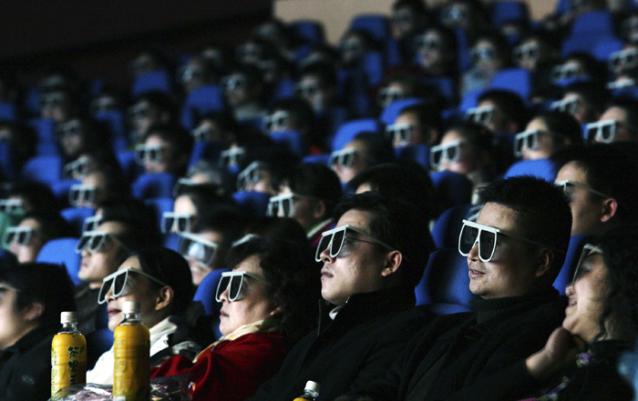
La batalla por llevarse el gato al agua en el emergente mercado del 3D no ha hecho más que empezar. El estreno de Avatar, distribuida en exclusiva en 3D bajo licencia Real D, ha levantado una nueva polémica en torno a la estereoscopía. Para hacerse una idea del volumen del negocio que las gafas estereográficas está suponiendo valga decir que en el fin de semana del estreno de Avatar, en EE.UU. se distribuyeron cuatro millones de gafas Real D a un precio de unos 46 céntimos de euro. Pese al acuerdo con Real D, curiosamente James Cameron y su familia lucieron durante el estreno mundial de Avatar unas gafas XpanD.
Cuatros sistemas en liza
Cuatro son los sistemas de conviven en un mercado que debido a su coexistencia provoca cierta cautividad en el exhibidor que se ve en la obligación de optar por un sistema u otro condicionando así los estrenos 3D que proyectará su sala. En España, el número de salas 3D se ha multiplicado por seis en el último año.
Junto con los proyectores digitales, el 3D ha disparado el mercado de la fabricación de las gafas esteroscópicas. Por citar un ejemplo, destacar que una cadena exhibidora como Cinesa ha llegado a adquirir hasta 300.000 gafas por película, suponiendo más de tres millones de unidades adquiridas en 2009. En el caso de las gafas, fabricadas mayormente en Asia y Europa del Este, el 80% de las gafas vendidas en España llevan el sello de la firma especializada en equipamiento cinematográfico Kelokik.
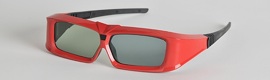
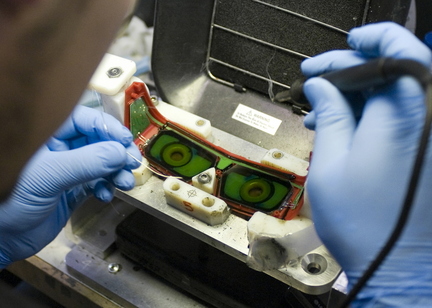 Cada uno de los cuatro modelos que conviven en la actualidad (RealD, MasterImage 3D, Dolby Laboratories y XpanD) supone una inversión en gafas que ronda desde el euro para el sistema Real D a los 26 euros para las gafas promovidas por Dolby Laboratories o los 50 euros que valen unas XpanD (con baterías y pantallas de LCD auto-obturables). Mientras que en el primer caso el espectador se lleva las gafas a casa, en los otros es necesario un complejo mecanismo de recuperación, lavado, chips anti-robo…
Actualmente, el número de salas equipadas con Real D rondaría las 5.000, mientras que Dolby Laboratories ha instalado su sistema en unas 2.200 y XpanD en 2.000. 2010 será un año decisivo para comprobar si finalmente alguna de estas alternativas termina imponiéndose.
Did you like this article?
Subscribe to our NEWSLETTER and you won't miss anything.
Related articles
 Panasonic lanza una serie de pantallas 4K sin cristal
 Dolby 3D: el camino hacia la autoestereoscopía libre de gafas
 Dolby da un nuevo paso para olvidar las gafas en el 3D
 Dolby mostrará por primera vez en Europa Dolby 3D sin gafas
 Un trabajo sobre estereoscopía sin gafas logra el IBC Best Conference Paper Award
 SES Astra e iPont mostrarán 3DTV sin gafas en IBC 2011
 Panasonic, Sony, Samsung and XpanD agree on a standard for active 3D glasses
 El 3D necesita huir de las gafas
 3D sin gafas en publicidad exterior
 Televisión 3D sin gafas… en cinco años
 Toshiba lanzará en diciembre la primera pantalla 3D sin gafas
 XpanD launches its second generation of 3D glasses
 Sunny Ocean Studios desarrolla una tecnología 3D… sin gafas
 4K and 8K 3D…without glasses!