





Telecinco-PRISA: multiplatform strategy of the new giant (and III). Economic potential and synergies
Para mantener su fuerza financiera la nueva Telecinco mantendrá una política continuista basada en la prudencia financiera y la diversificación de su oferta con nuevos formatos. El nuevo grupo prevé una racionalización de los costes estructurales, “altamente vinculados al crecimiento de los ingresos”. Una de las áreas que primero sufrirán la reestructuración será la fuerza de ventas y los informativos.
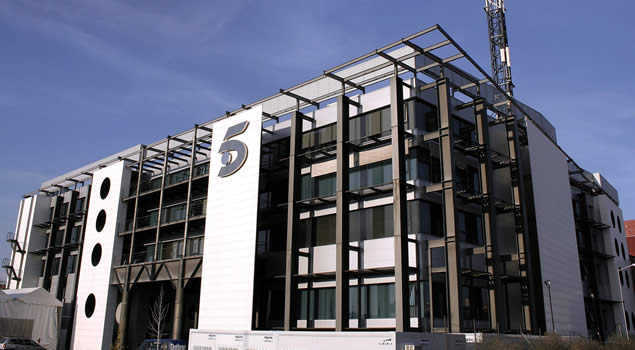
La fusión de Telecinco con Cuatro va a suponer la creación del mayor grupo televisivo español, con posición de liderazgo en producción de contenidos, televisión en abierto, pago y tv online. La operación se produce en el momento más adecuado para encarar el nuevo panorama marcado por el apagón analógico y la tabla rasa que supondrá tanto para los operadores emergentes como para los ya asentados.
Por otro lado, la entrada en Digital+ significará para Telecinco una mayor flexibilidad estratégica a largo plazo. Pero,¿qué consecuencias en el mercado publicitario y de contenidos y su propia estructura empresarial tendrá esta operación? Aún es pronto para vaticinar cómo quedará configurado el día a día del nuevo gigante, aunque ya se puede entrever cuál será el nuevo marco.
Advertising
En cuanto al mercado publicitario, para Telecinco el panorama cambia radicalmente puesto que sus dos competidores con precios más bajos, Cuatro y LaSexta, quedan el uno integrado en su estructura y, en el otro, a la espera de su fusión con Antena 3 que llevaría parejo un reajuste al alza de sus tarifas. Y es que la integración Telecinco-Cuatro resulta perfecta porque crece en cuota y diversifica el perfil convirtiendo esta opción en ‘obligatoria’ en cualquier planificación.
En cuanto a TVE, que desde las privadas se ha criticado en numerosas ocasiones de reventar el mercado con precios por debajo del 40% queda, sencillamente, fuera de juego.
Por otro lado, la potente gestora de la cartera publicitaria, Puliespaña, tendrá vía libre para comercializar una plataforma infraexplotada publicitariamente como es Digital+, aunque será una de las primeras que sufrirá la reestructuración de la fuerza de ventas.
Ante la nueva situación, las centrales de medios temen que a lo largo de 2010 se produzca, pese a la situación económica desfavorable, una subida media del precio del spot en torno a un 20%, quedando casi el 88% del mercado en manos de la nueva Telecinco y Antena 3. De momento, el año arranca con una inflación en la tarifa de precios en torno a un 10% como consecuencia de la retirada de TVE de la pugna.
Sin embargo, esta retirada. como demuestran diferentes estudios realizados en los últimos meses, no supondrá un trasvase directo de la inversión al resto de cadenas ya que los anunciantes, aún presionados por los efectos de la recesión, han comenzado a trasladar parte del presupuesto que destinaban a la pública a otros medios, principalmente Internet, el único soporte que a lo largo de 2009 ha experimentado un notable crecimiento, o la publicidad directa en el propio punto de venta con opciones como el digital signage.
Racionalización
Según el documento que Telecinco presentó a sus accionistas con motivo de la operación con PRISA, el nuevo grupo prevé una racionalización de los costes estructurales, “altamente vinculados al crecimiento de los ingresos”.
Desde el punto de vista de infraestructuras, es todavía pronto para adivinar cómo afectará esta ‘racionalización’ a dos de los centros de producción más avanzados del país, Tres Cantos y Fuencarral. Muy poco se conoce aún al respecto, aunque lo más probable es que sea el área de informativos la más afectada por la reestructuración. Días antes, incluso, del anuncio de la ‘fusión, la dirección de Telecinco ya puso en marcha un plan de bajas incentivadas entre el personal de este área.
Por lo que a contenidos respecta, que representan un 60-70% del coste base, la nueva Telecinco optaría más que por la compra de costosísimos eventos (como el Mundial de Sudáfrica en manos exclusivas de Cuatro) por desarrollar nuevos formatos utilizando como laboratorio sus canales con audiencia más targetizada como LaSiete o, incluso, la propia Cuatro.
Debido al lastre del Mundial (con un coste que ha absorbido alrededor de siete de cada diez euros invertidos en programación en 2010 y cuya rentabilidad está aún por ver, dependiendo del papel que desempeñe la selección española), Cuatro apostaría este año por apretarse el cinturon trabajando con una parrilla con producción de bajo coste o autofinanciados (fórmula en la que Telecinco-Publiespaña es maestra en la materia).
Pero, por otro lado, y moviendo ficha con máxima celeridad, Telecinco podría lanzar aprovechar el tirón del Mundial para poner en marcha una plataforma de TDT de pago o micro-pagos que ayudara a amortizar los alrededor de 90 millones, según algunas fuentes, que habría costado la exclusividad de los partidos en abierto y pago por visión de la cita de Sudáfrica. La otra opción, aún no descartable, sería recuperar parte de la inversión con la reventa de algunos derechos televisivos del Mundial a terceros… aunque supusiera darle oxígeno a algún competidor en un momento crucial.
La integración
Fusionar dos cadenas manteniendo la imagen de marca de ambas programaciones no es tarea fácil. Y, de hecho, lo más probable es que hasta el verano y el inicio de la nueva temporada los cambios en la parrilla pasen desapercibidos para el espectador.
Para poner en marcha todo el complejo mecanismo activado tras la operación Telecinco-PRISA, la accionista de referencia de Telecinco, Mediaset, no ha contratado a ninguna consultora externa (como suele ser habitual en este tipo de operaciones tan complejas), sino que ha optado por desplazar a España a un equipo de directivos con intención de crear un ‘comité de integración’ conjunto con la cúpula de Cuatro.
Este comité estaría asesorado legalmente por el bufete Uría&Menéndez con asesoramiento financiero de JP Morgan y Mediobanca, y estaría integrado por el ‘triunvirato’ fuerte en Telecinco, Pao Vasile, Giuseppe Tringali y Massimo Musolino, junto con el vicepresidente de RTI Italia (la empresa matriz de Mediaset en el negocio televisivo), Niccolò Querci. Este abogado de 48 años es un hombre de la entera confianza del propietario de Mediaset, Silvio Berlusconi, para quien desempeñó para el hoy primer ministro italiano el papel de asistente personal y jefe de su secretaría.
Será realmente este comité el que en las próximas semanas y meses dará respuesta a lo que hoy son sólo incógnitas: ¿cuántos puestos de trabajo quedarán en el aire?, ¿qué valor real generará la operación para los accionistas?, ¿peligra la competencia en el mercado?, ¿cómo se verá afectada la pluralidad?… Demasiadas preguntas aún en el aire.
Did you like this article?
Subscribe to our NEWSLETTER and you won't miss anything.
Related articles
 PRISA Media and Claro Sports join forces to create multiplatform sports content for the Americas
 Fremantle produces 'La noche del gran show', new Telecinco entertainment format
 News Telecinco deploys all the potential of AR and XR with “unpublished” technologies in Spain
 Reyes Maroto is committed to the digital industry as the protagonist of the new economic model
 Vector 3 launches a new, more economical VectorBox and Drillarium, a new solution for broadcasting hundreds of channels
 Telecinco and La Competencia begin production of a new talent show
 Monal and Tres60, a new audiovisual giant in the hands of HIG Europe
 Quantel acquires Snell, creating a new giant in the industry
 TF1 relies on Elemental Live for its multiplatform strategy
 Discovery Channel América Latina avanza en su estrategia multiplataforma
 Euronews begins broadcasting in HD and 16/9 and reinforces its multiplatform strategy
 Telecinco increases its capital and kicks off the creation of an audiovisual giant
 Telecinco-PRISA: multiplatform strategy of the new giant (II). The pay TV business
 Telecinco-PRISA: multiplatform strategy of the new giant (I)