





Local DTT in Euskadi: local and independent leaders
El 3 de abril de 2010 se produce el apagón analógico definitivo en la Comunidad Autónoma Vasca, con las televisiones locales como últimos agentes en sumarse al eslabón de la cadena digital. Culminaban, de este modo, más de tres años de transición hacia el encendido digital, iniciado en diciembre de 2006 con la convocatoria, por parte del Gobierno Vasco, del concurso de licencias para el desarrollo de la TDT local en la Comunidad Autónoma. La periodista Leire Gómez Rubio hace un repaso en esta Tribuna a cómo ha quedado configurado el audiovisual vasco tras el apagón.
El 3 de abril de 2010 se produce el apagón analógico definitivo en la Comunidad Autónoma Vasca, con las televisiones locales como últimos agentes en sumarse al eslabón de la cadena digital. Culminan, de este modo, más de tres años de transición hacia el encendido digital, iniciado en diciembre de 2006 con la convocatoria, por parte del Gobierno Vasco, del concurso de licencias para el desarrollo de la TDT local en la Comunidad Autónoma. En ese momento, los grupos de comunicación presentes en el panorama audiovisual local vasco muestran un gran interés por estar presentes en la nueva etapa y la resolución del proceso, hecha pública en julio de 2007 por el ejecutivo de Lakua, les fue muy favorable. No en vano, de las 57 licencias adjudicadas para la gestión indirecta del servicio de televisión, 54 caen en manos de los grupos de comunicación y asociaciones de televisión local que desde el año 2000 participan del sector (Vocento, Localia TV y Local Media), así como de Hamaika Telebista Hedatzeko Taldea, grupo vasco creado en vísperas del reparto de licencias digitales y cuyo objetivo es crear televisiones locales de calidad en euskera.
Ante esta situación, todo hacia prever que el desarrollo de la TDT local en Euskadi estaría en manos de conglomerados de comunicación, bien autonómicos, bien estatales, sin casi espacio para una televisión local vasca independiente. Una tendencia que, por otra parte, seguiría en la misma línea que la mantenida durante los últimos años por el sector, dominado en más del 80% por grupos de comunicación y asociaciones de televisión local. Sin embargo, la realidad está llevando al sector por otros derroteros, al menos durante estos primeros meses de emisiones digitales.
El grupo Prisa fue el primero en anunciar, en noviembre de 2008, el cese de la actividad de Localia TV, red de televisiones locales propiedad de Pretesa. La decisión fue materializada el 1 de enero de 2009, dejando en el aire, en la Comunidad Autónoma Vasca, las emisiones de cuatro televisiones locales, que representaban un 20% del sector (Localia Canal Gipuzkoa Televisión, Localia Txingudi Telebista, Canal Gasteiz y Canal Bizkaia).
No obstante, y lejos de cesar su actividad, las emisoras vascas afectadas anuncian su continuidad en los mismos términos de emisiones y cobertura que bajo la anterior marca comercial. De este modo, el único cambio ha venido derivado de las emisiones en cadena durante su trayectoria Localia ofrecidas y que ahora provienen de Contenalia, distribuidora de contenidos donostiarra para las televisiones locales y autonómicas del Estado. Otro de los grupos de comunicación presente en Euskadi es Vocento, que en el momento del reparto de licencias dominaba el 24% del ámbito audiovisual local. Sin embargo, también en este caso la etapa digital ha provocado que el grupo lleve a cabo una reorganización del sector.
En julio de 2009 Vocento optó por el cese de las emisiones propias en dos de las cinco televisiones de su propiedad (KTB-KateBerria, en Eibar, y Álava 7 Televisión, en Vitoria-Gasteiz) y la reorganización continúa. El 17 de mayo de 2010 comienzan las emisiones de “La 10”, nueva red de televisión creada de la unión de las autonómicas privadas de Madrid, Andalucía, Murcia, Valencia y La Rioja. A partir de ese mismo día, las emisoras de Bilbao (Bilbovisión) y San Sebastián (Teledonostia) pasan a operar bajo la nueva marca, mientras que la tercera que realiza emisiones propias (Durango Telebista) se queda fuera. Dos meses después, el 30 de julio, Vocento cesa la producción propia de la emisora duranguesa que, desde ese día, y al igual que ocurre en el caso de Álava 7 TV, sustentan su actividad televisiva únicamente con las emisiones de “La 10”.
Ante este panorama, nos encontramos con que Vocento, único grupo de comunicación estatal que actualmente está presente en la televisión local vasca, ha comenzado su andadura digital en Euskadi prescindiendo de las emisiones propias de tres de sus televisiones, que pasan a convertirse en meros repetidores de “La 10”. En el lado opuesto se sitúa Hamaika Telebista Hedatzeko Taldea, beneficiario de un canal digital en cada una de las quince demarcaciones contempladas en la Comunidad Autónoma Vasca. El grupo vasco cuenta con las cinco emisoras integrantes de la asociación Tokiko Telebista en la Comunidad Autónoma (Erlo TB, Goierri TB, Goi TB, 28 Kanala y Oizmendi TB), ya en activo antes de 2007 y junto a las que concurrió al concurso de adjudicación de licencias digitales. A éstas se suma Hamaika Bilbo Telebista, primera emisora local propiedad del grupo puesta en marcha tras la resolución del concurso de licencias, y Hamaika Donostia que, por ahora, difunde las emisiones de la estación bilbaina. Tele 7, emisora privada e independiente y beneficiaria de un multiplex digital en las demarcaciones de Bilbao y Getxo, también continúa con su actividad televisiva, así como las televisiones que hasta diciembre de 2008 operaban bajo la marca de Localia y que ahora lo hacen sin estar participadas por Pretesa (Gipuzkoa TB, Gipuzkoa TB Txingudi, Canal Bizkaia y Canal Gasteiz).
Leire Gómez Rubio
Periodista, doctoranda de la Universidad del País Vasco-Euskal Herriko Unibertsitatea y analista en Killed

Did you like this article?
Subscribe to our NEWSLETTER and you won't miss anything.
Related articles
 Altair divides its activity into two independent commercial brands
 FIBES Sevilla receives the 5G leaders
 Euskaltel celebrates 25 years of Euskadi to the world
 CBS uses JVC solutions in local news production
 The electronics, computing and telecommunications sector grows again in Euskadi
 Filming of 'The Content of Silence' begins in Navarra, Euskadi and the Canary Islands
 World leaders trust Yamaha for G8 summit
 Panorama Audiovisual convenes sports leaders in São Paulo
 ATM Broadcast: leaders in sports audiovisual coverage
 YouTube bets on PPV with independent productions
 Antena Local renews its collaboration with the Xarxa Audiovisual Local
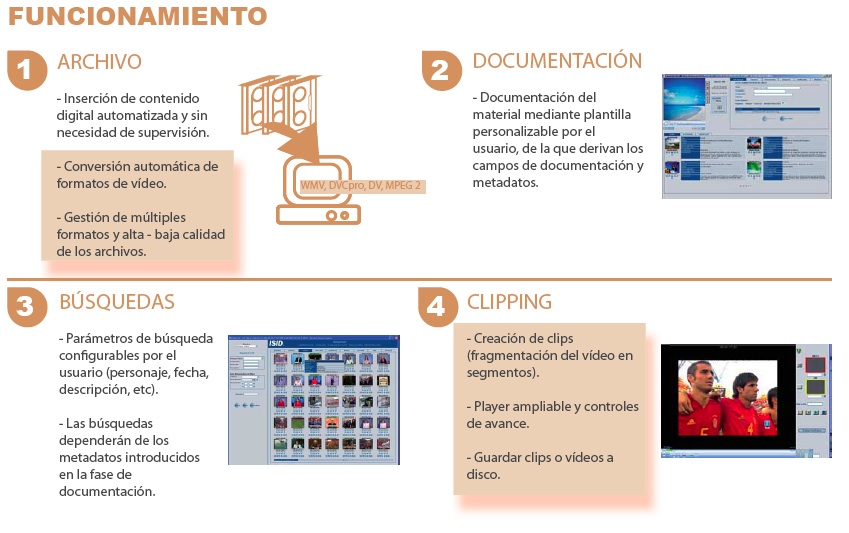 Videoma Local TV: an economical solution for local archiving
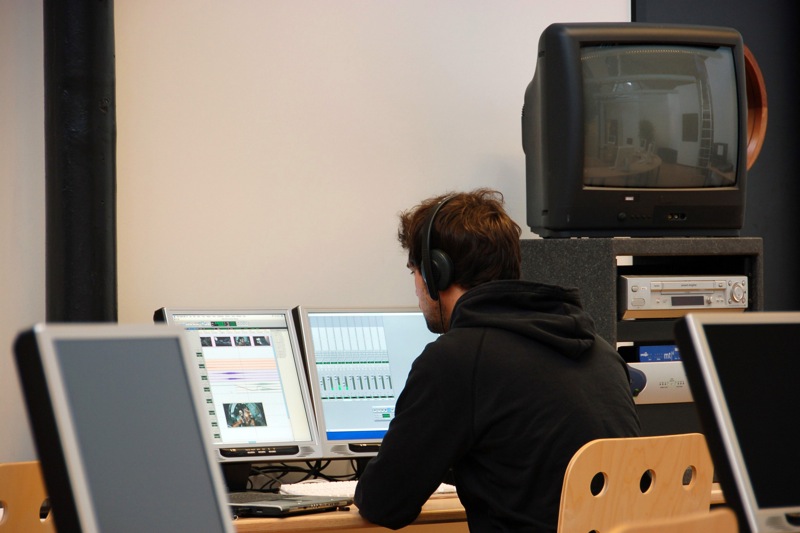 Videoma Local: an ISID file designed for locals
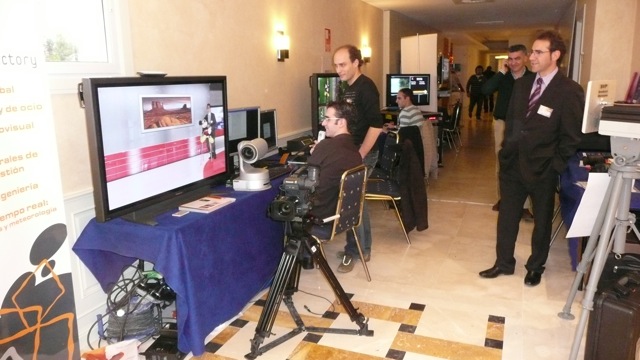 Promovisa, with the locals