





Produciendo ficción con la PMW-500 de Sony
El director de fotografía y director de NB Producciones, Nacho Benítez, impartió recientemente una conferencia, coincidiendo con el Sony Media RoadShow, en la que expuso su experiencia en la producción de ficción con la cámara PMW-500. Este camcorder XDCAM HD 4:2:2 50 Mbps pensado para noticias, ficción, programas, documentales o para productoras medianas que necesitan calidad y fiabilidad, cuenta con un sensor CCD Full HD de 2/3” que ofrece una resolución nativa 1920×1080.
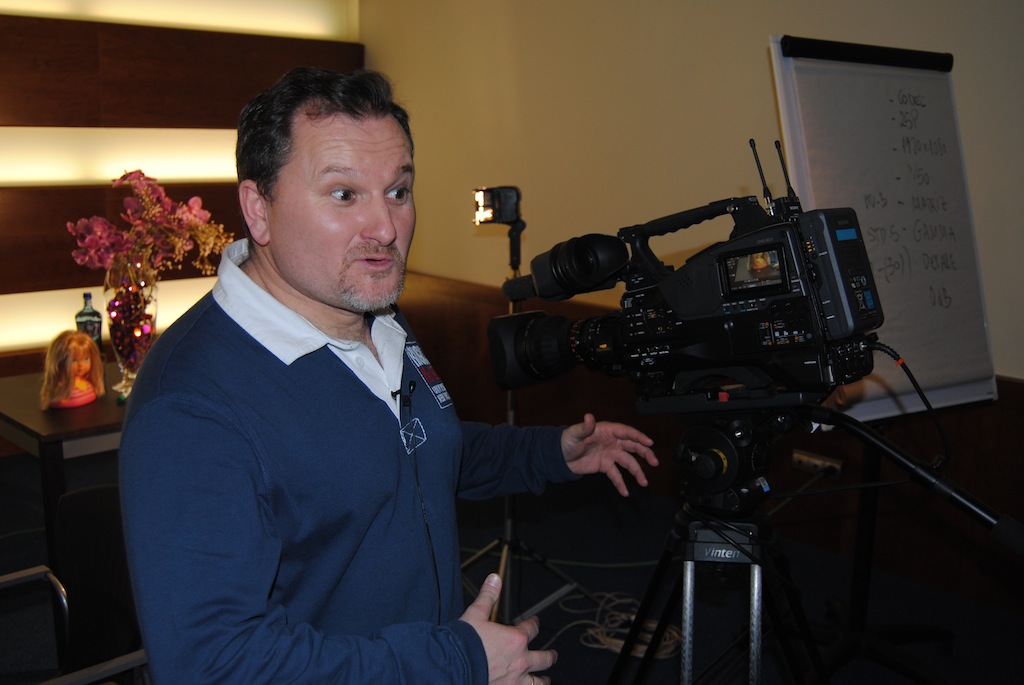
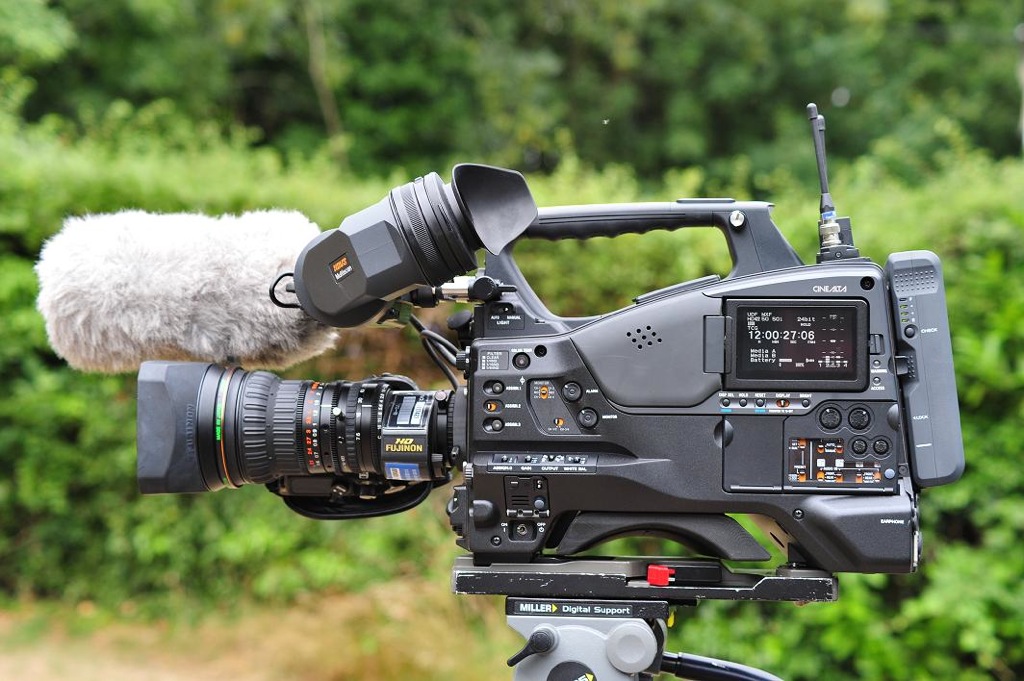 El director de fotografía y director de NB Producciones, Nacho Benítez, impartió recientemente una conferencia, coincidiendo con el Sony Media RoadShow, en la que expuso su experiencia en la producción de ficción con la cámara PMW-500 XDCAM HD 4:2:2 50 Mbps.
Este camcorder pensado para noticias, ficción, programas, documentales o para productoras medianas que necesitan calidad y fiabilidad, cuenta con un sensor CCD Full HD de 2/3” que ofrece una resolución nativa 1920×1080.
Una de sus ventajas es su sensibilidad y su alto rango dinámico. Con un cuerpo de cámara muy popular entre los usuarios de Sony, estos agradecen el uso de los típicos menús en árbol y los numerosos botones asignables (en el lateral).
Un aspecto que Nacho Benítez destacó en su presentación es que el flujo de trabajo en la producción de ficción en España se ha acelerado en los últimos años. Para series semanales en prime time (con capítulos de unos 70 minutos), el tiempo mínimo de rodaje por capítulo ronda los nueve días con unas ocho páginas de guión por jornada. En el caso de las series diarias, se graban a una velocidad de un día por capítulo, lo que significaría unas 25 páginas por jornada para capítulos de 40 minutos.
La mayoría de las producciones se ruedan el multicámara, con dos o tres cámaras, sin cinta y empleando camcorders. La captación sin cinta, además de acelerar procesos de volcado, permite ganar en tiempos y en versatilidad. Aún así, algunas series de prime-time se ruedan en cinta como es el caso de Águila Roja (se graba con la HDCAM HDW-650P), Hispania (con la HDW-900R) o Tierra de Lobos (HDCAM HDW-650P. También se están utilizando cámaras de pequeño formato como la Sony PMW-EX3 en producciones como La pecera de Eva.
“Paralelamente a la aceleración en el flujo, se ha mejorado la calidad de la producción introduciendo numerosas escenas de acción con rodajes más exigentes. Esto implica contar con cámaras que estén a la altura”, comentó Benítez.
“El nuevo esquema de trabajo en ficción con la nueva generación de camcorders PMW-500 ha supuesto, además de la ausencia de cintas, el uso de archivos no lineal, contar con un visor LCD en el lateral de gran calidad y la sustitución de los filtros físicos de corrección de color por filtros electrónicos”, añadió.
 Ventajas
Además, las nuevas cámaras permiten la grabación simultánea de proxys y metadatos con la ventaja de poder navegar por los clips o grabar clips continuos (pudiendo grabar un clip continuo con marcas en lugar de generar un clip cada vez que se pulsa el botón REC). La memoria caché de 15 segundos, la posibilidad de utilizar un intervalómetro (grabar por ejemplo el paso de nubes o el montaje de un escenario), el asistente de foco, los marcadores de clip (shot mark y flag) y el frame rate variable : 720-50p (1 a 50) 1080-25p (1 a 25) son otras de las ventajas que aporta la PMW-500.
A diferencia de su hermana mayor, la PDW-700, esta cámara es más económica, graba sobre tarjetas SxS en lugar de disco, es más ligera, consume menos y cuenta con LCD de mejor calidad… aunque, en este caso, no grabe señales de entrada. Su sensor trabaja a 14 bits aunque grabe finalmente a 8, trabajando así con más rango en grises. Ya que en ficción se trabaja mucho balanceando blancos y negros, esta cámara presenta una gran versatilidad.
[youtube]http://www.youtube.com/watch?v=Jc2F58IdXqw[/youtube]
Did you like this article?
Subscribe to our NEWSLETTER and you won't miss anything.
Related articles
 Mediapro Bolivia cierra el año produciendo 90 eventos en 40 días
 Produciendo la 37ª Copa América desde Barcelona: un innovador despliegue IP 2110 y UHD
 Penélope Cruz and The Mediapro Studio create Moonlyon, a new fiction and non-fiction production company
 Sony Pictures Television acquires Industrial Media, a company specialized in non-fiction formats
 Sony anuncia los finalistas del ‘Premio Sony Impact en la categoría de Actualidad’ de los Premios Rory Peck
 Panasonic convoca un concurso de producciones de ficción y no ficción rodadas con la EVA1
 'Velvet': the challenge of broadcasting fiction live
 Sony PXW-Z150, el nuevo camcorder 4K de Sony con función de transmisión en directo
 La discapacidad en las series de ficción
 'I+B': Factoría de Ficción premieres its first own fiction project under the branded content model
 Sony Digital Cinema signs an agreement with Dcinex to promote Sony 4K projection throughout Europe
 Audiovisual fiction in Spain
 ‘Hispania’, Antena 3 apuesta por la ficción histórica
 Sony Style: universo Sony en Madrid