





La nueva televisión: la revolución híbrida
La Asociación Española de Empresas de Tv interactiva (AEDETI) ha organizado este jueves en Madrid una Jornada en la que se ha hecho un análisis de las perspectivas de negocio y de los futuros servicios de televisión que se desarrollarán en entornos híbridos y conectados.
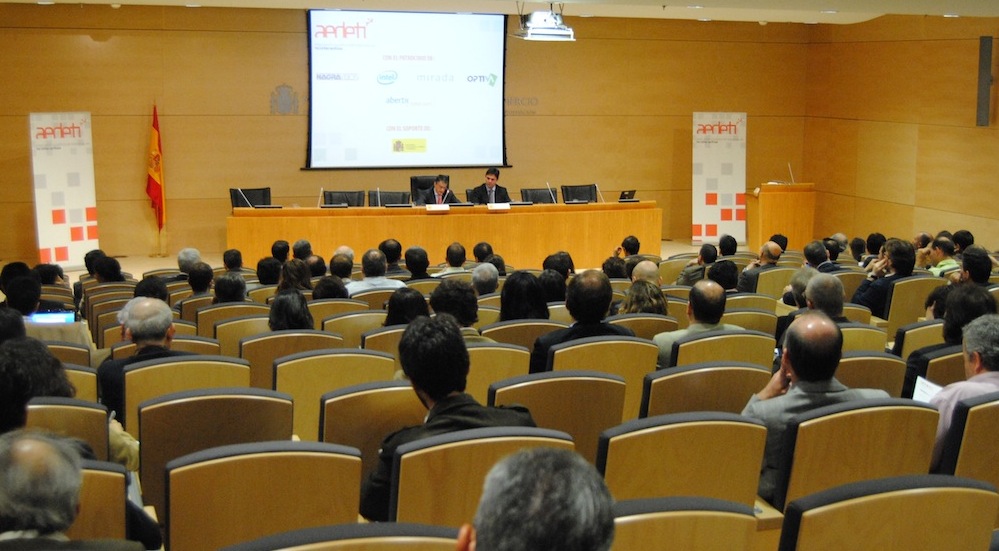
La Asociación Española de Empresas de Tv interactiva (AEDETI) ha organizado este jueves en Madrid una Jornada en la que se ha hecho un análisis de las perspectivas de negocio y de los futuros servicios de televisión que se desarrollarán con la implantación de las nuevas tecnologías. Entre ellas, la que se ya se conoce como televisión híbrida, que no sólo va a cambiar masivamente la forma de ver televisión, sino que además se perfila como el camino más idóneo para desarrollar definitivamente la interactividad.
Las Jornadas AEDETI “La nueva televisión” ha reunido en su segunda edición a representantes de broadcasters, administraciones y fabricantes para analizar los diversos modelos de negocio que están surgiendo en el marco de la televisión conectada.
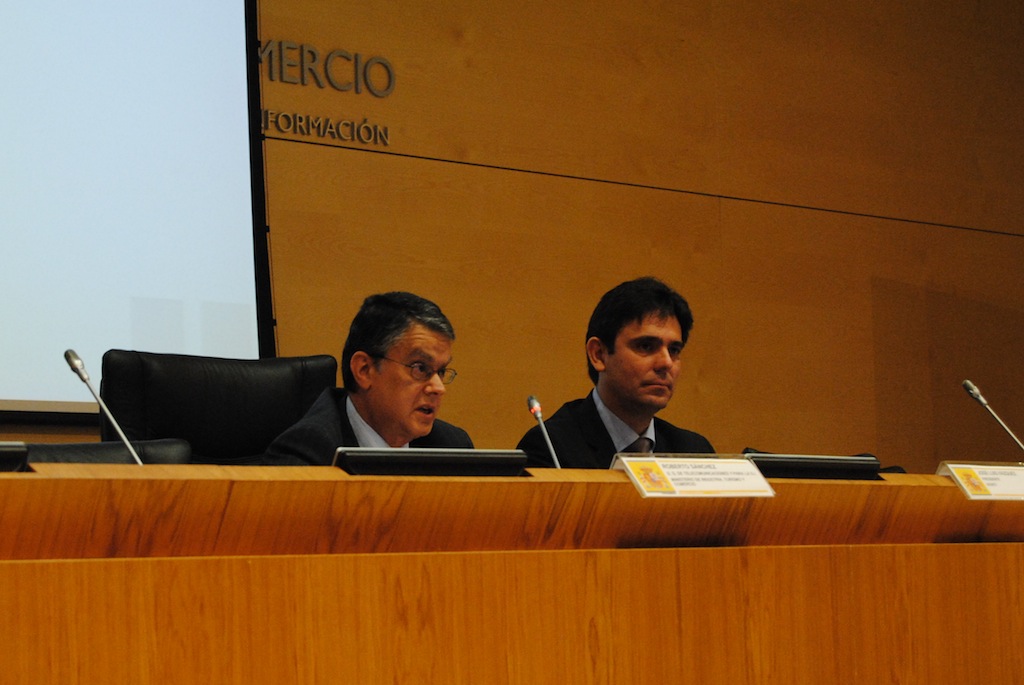 La Jornada la ha inaugurado Roberto Sánchez, director general de Telecomunicaciones y para la Sociedad de la Información, quien ha destacado que tras el apagón analógico el reto será ahora la habilitación del dividendo digital para otros servicios, principalmente banda ancha en movilidad. “Como ocurrió con la transición a la TDT esperamos contar con la colaboración de todos, agentes y administraciones públicas. Significará más acceso, más servicios y más Internet y en este contexto donde hay que desarrollar la interactividad en televisión”, ha comentado Sánchez.
Hay una nueva generación de televisores conectados a Internet que unido a la generalización social de la banda ancha, hace que estemos en condiciones para incorporar nuevos contenidos interactivos. Sin embargo, como ha admitido el director general de Telecomunicaciones “la falta de un estándar común en la industria significaría un obstáculo para el desarrollo de la televisión interactiva, aunque el concepto híbrido del HbbTv, creado en agosto de 2009, se perfila como una opción muy bien posicionada sobre todo en países como Alemania y Francia”.
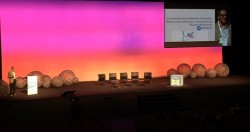
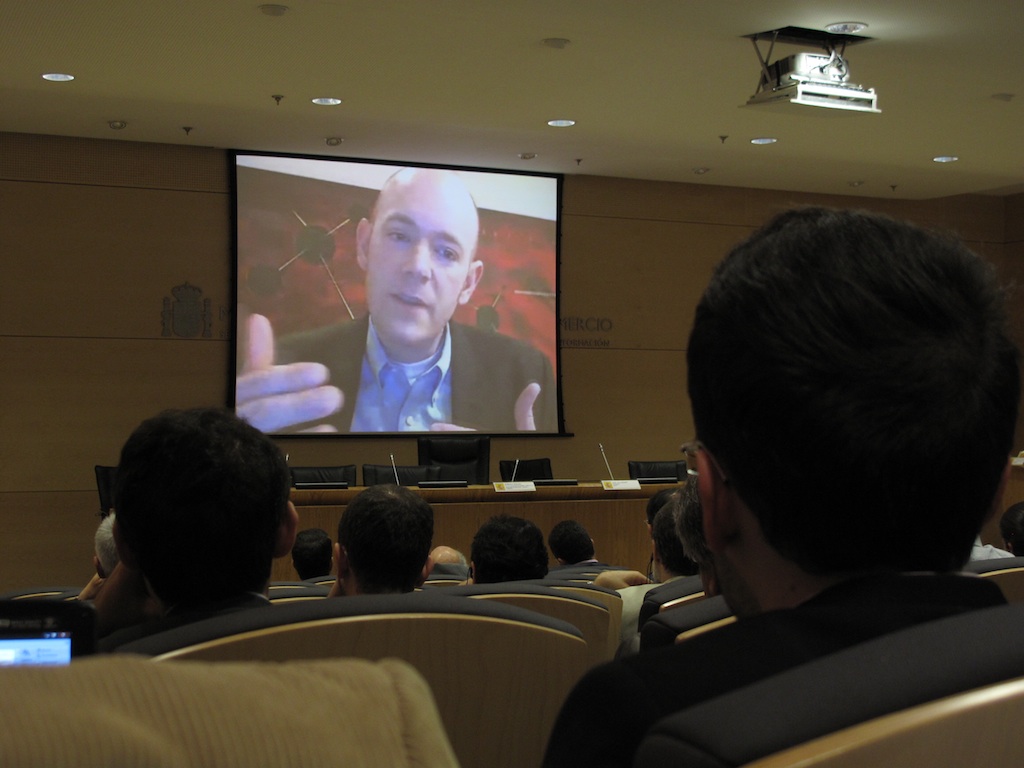 Brian David Johnson, uno de los gurús de Intel que más está investigando en el uso de la ciencia ficción como una herramienta de trabajo para los nuevos entornos de futuro, ha intervenido por videoconferencia en esta Jornada. En su intervención ha hecho un interesante repaso a su concepto de futurismo y televisión del futuro.
Johnson ha reivindicado un futuro más humano en los productos y plataformas del futuro. “En 2015 tendremos 500.000 millones de horas de contenidos de televisión disponibles, y unos 15.000 millones de aparatos que puedan conectarse a través de Internet… más contenido y aparatos que personas en el mundo. Aún así, la televisión seguirá siendo el centro de las horas de ocio de las personas”, ha destacado.
Este futurista considera que el contenido no solo se obtendrá a través de una gran pantalla sino a través de diferentes dispositivos. Esto supondrá una experiencia televisiva más informativa integrando metadatos coordinados y relacionados con la propia imagen y acción que vemos en la pantalla, más omnipresente para consumo en cualquier lugar, más personal (con posibilidad de personalizar contenidos y publicidad) y mucho más social.
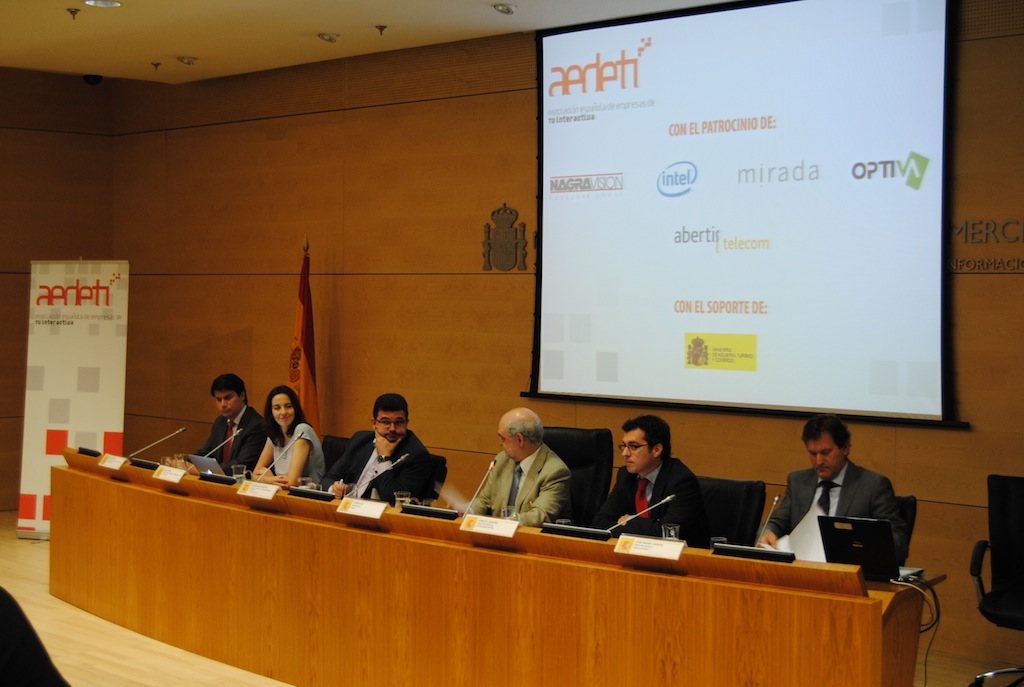
Modelos de negocio en tv híbrida
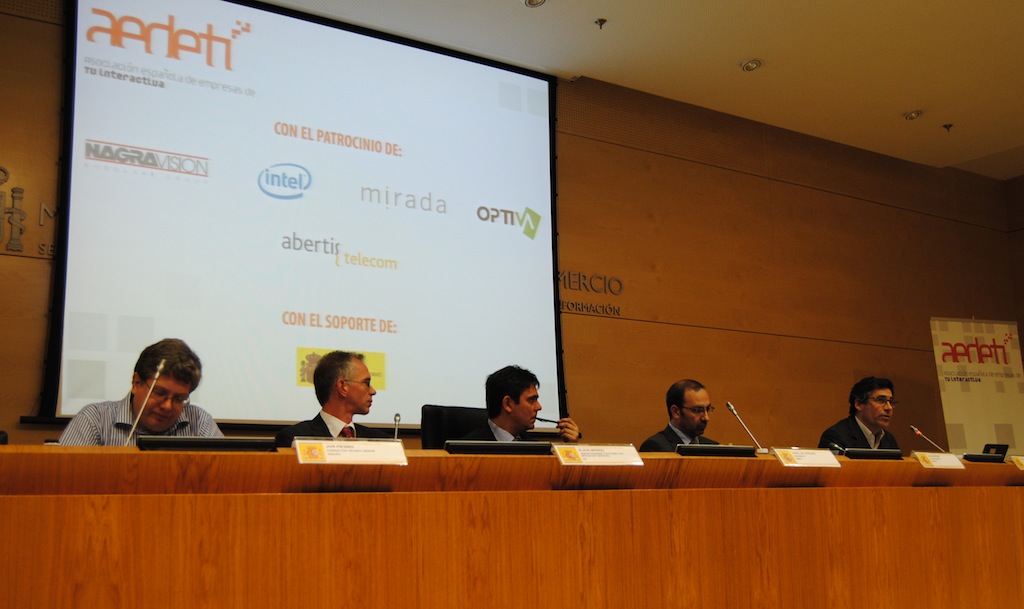
En la mesa redonda que ha analizado la revolución híbrida y los nuevos modelos de negocio han participado María Maícas, responsable de participación y redes sociales en la Corporación RTVE; Niko Muñoz, director de desarrollo corporativo de Havas Media; Mario Centeno, responsable de Internet Tv en Vodafone; Ignacio Sanchís, director general de Nagravision España; y José María Casaos, director técnico del Grupo Antena 3.
Maícas ha asegurado que la apuesta de RTVE pasa por el estándar HbbTv con el que están preparando ya un piloto. “Hbbtv es un estándar abierto con múltiples opciones que nos permite a los broadcasters continuar la relación con nuestra audiencia a través de la Red. Estamos a tiempo de apostar ahora por un estándar común que nos beneficie a todos con una correcta protección DRM de contenidos”, ha afirmado.
Muñoz ha puesto sobre la mesa la posición del mundo de la publicidad que financia gran parte del negocio televisivo. “La publicidad en televisión e Internet tienen reglas diferentes y configurados de forma diferente. La tv se basa en controlar el canal de distribución, poner una audiencia delante y gestionar un espacio finito basándose en una medición estándar y una moneda común para comprar y vender que es el GRP. Este esquema nos da un producto televisivo con amplia demanda y oferta limitada. Por su parte, Internet es un espacio abierto, con audiencia disgregada donde el inventario es ilimitado y donde la dinámica es exactamente la opuesta a televisión. Al no existir medición ni moneda de cambio, hace que el video online es interesante pero una ruina para los operadores de contenidos, con precios bajos y un desarrollo irregular del mercado. Por ello, necesitamos estándares de medición, moneda de cambio, formatos y con una cadena de valor mucho más sencilla”, ha señalado el directivo de Havas Media.
José María Casaos ha hecho un repaso a la experiencia catch-up tv de Antena 3 que, bajo la denominación de “Modo Salón”, permite a los consumidores acceder a video online. “Aunque el grupo apuesta por el HbbTv como grupo privado no podemos dejar de lado a otras plataformas y alternativas”, ha señalado. Casaos ha recordado los principios que la EBU/UER ha marcado para el desarrollo de la tv híbrida y “que debieran respetarse por todos los agentes”.
Ignacio Sanchís ha centrado su intervención en los modelos de pago con respecto a la televisión conectada en un entorno multidispositivo. “¿Por qué los usuarios van a pagar si pueden acceder a un sinfín de contenidos en Internet? Desde Nagravision creemos que esta situación supone un reto aunque también una gran oportunidad ya que permite añadir contenidos adicionales a la experiencia controlada, supervisada y homogénea que supone un entorno Over the Top (OTT). Llegar a nuevos dispositivos, permite a los operadores de pago llegar a nuevos consumidores y monetizar este servicio”, ha afirmado.
¿Cómo monetizar estos modelos? Según Sanchís el modelo más extendido actualmente es proporcionar al usuario bajo demanda los contenidos a los que ya accede en broadcast en otros dispositivos como móviles, tabletas o PC ofreciéndoles un acceso sin sobrecoste alguno. Esto supone una monetización indirecta ya que la tasa de fidelización al proveedor de pago se incrementa de forma significativa. Otros operadores han segmentado estos servicios según el paquete de suscripción al que esté abonado el usuario siendo gratuitos para los clientes más premium o cobrando un suplemento para aquellos usuarios con paquetes inferiores. Un tercer modelo estaría basado en un video bajo demanda transaccional de pago por cada contenido al que se quiere acceder (videoclubs exclusivos para abonados o abiertos como está haciendo Belgacom o BSkyB). Un último modelo sería poner a disposición de los no abonados a la plataforma de pago todos los servicios que se ofrecen en el servicio primario broadcast, con una oferta virtual multidispositivo.
Mario Centeno ha hecho un repaso a la experiencia de Vodafone en el mercado televisivo en el que entra ahora. Vodafone Internet Tv es una propuesta híbrida innovadora que lejos de sustituir a las propuestas de IPTV tradicionales desde la compañía esperan que sea una opción que crezca con fuerza. Entre sus servicios OTT ofrecen un videoclub online, televisión a la carta (con acuerdos con algunos broadcasters) y catch-up tv. “Con un ADN heredado de telefonía móvil, consideramos que estas propuestas son exportables a todo tipo de pantallas para que los consumidores gestionen su tiempo de visionado en todo tipo de dispositivos”, ha comentado Centeno.
Situación en Europa
En un panel en el que han participado Régis Saint Girons (SVP Sales and MKT Europe OpenTv), Álex Mestre (vicepresidente de DigitTAG), Klaus Merkel (senior engineer platforms for broadcast services IRT) y Jon Piesing (consultor técnico senior en Philips) se ha analizado la situación de la televisión híbrida en Europa constatando que los fabricantes están buscando una armonización paneuropea para esta nueva televisión.
Régis Saint Girons ha afirmado que “necesitamos una solución de data streaming y diferentes formatos derivados de la banda ancha para contar con un interfaz de diferentes soluciones. El Gobierno francés ha encargado una guía para que los radiodifusores desarrollen su entrada en HbbTv conforme a unos parámetros de neutralidad”. “Los fabricantes en Francia han preparado un código de buen comportamiento en entornos HbbTv con unas normas compatibles con el marco regulatorio que los broadcasters tienen actualmente garantizando, entre otras cosas, la conectividad y la gestión publicitaria sin contaminar de forma super-expuesta los contenidos”, ha subrayado.
Francia espera en 2012 dar un nuevo impulso a la televisión digital partiendo de un esquema de conectividad.
Por su parte, Merkel, ha reconocido que “tras el fracaso del MHP, Internet era el motor que necesitábamos para el desarrollo de la auténtica televisión interactiva. Pero para ello es necesario un desarrollo técnico y un perfil unificado que nos permita hacer todos los servicios y aplicaciones ejecutándose en todos los dispositivos… y esta respuesta la hemos encontrado en el HbbTv”.
En Alemania, HbbTv está mucho más avanzado que cualquier otra iniciativa desarrollada desde 1995 y desde agosto de 2010 los grandes broadcasters alemanes están ya emitiendo numerosos servicios bajo este estándar. Los usuarios alemanes pueden acceder ya a más de 40 aplicaciones ofrecidas bajo HbbTv por los radiodifusores. “La ventaja del Hbbtv es que no establece precondiciones comerciales o técnicas para desarrollar estos servicios bajo diferentes modelos empresariales”, ha destacado Merkel. “Tanto para los operadores de satélite como TDT y cable es una realidad que Internet como híbrido de televisión es una realidad que será incuestionable integrando HbbTv en los STBs para poder ofrecer servicios de valor añadido”, ha añadido.
Álex Mestre ha plasmado la posición del foro DigiTAG, que nació en los albores de la televisión digital terrestre, ante la nueva televisión conectada. Partiendo de que DigitTAG no es un organismo de estandarización, esta plataforma con sede en Ginebra ha tomado parte en el debate de la tv híbrida ya que cuenta con la ventaja de tener en su seno a radiodifusores, fabricantes, operadores de red y reguladores. DigiTAG ha organizado un grupo de trabajo para tv conectada con iniciativas muy interesantes en estrecha colaboración con diferentes asociaciones nacionales quedando patente de que el desarrollo de la tv híbrida debe hacerse en base a una neutralidad tecnológica. En este momento, DigiTAG está trabajando sobre una guía de implementación para estos nuevos entornos estableciendo un punto de referencia básico con elementos consensuados entre los diferentes agentes.
Jon Piesing ha destacado que desde el punto de vista de los fabricantes, el objetivo es que cualquier HbbTv cumpla con los requisitos de la norma en todos los países. En este momento, los fabricantes están aplicando los test para encontrar posibles errores en la especificación y poder incluir estos resultados en las especificaciones actuales de la versión 2 del HbbTv que se aprobarán a lo largo de este año. “Queremos tener una especificación que, aunque no sea perfecta, sea suficientemente buena como para desarrollar buena parte de los servicios. La actual especificación cumple con estos requisitos. Hay que recordar que una nueva especificación no llega nunca al mercado de forma perfecta”, ha asegurado Piesing.
El papel de los fabricantes
Para cerrar esta Jornada, representantes de diferentes fabricantes han aportado su visión sobre la influencia de las redes y dispositivos electrónicos en los servicios híbridos y cómo aportan a la cadena de valor.
En el panel han participado Andrés Román, gerente de planificación estratégica de tv en Europa en Sony; César Alonso, technical support manager en Philips; Jordi Rincón, manager demmand planner & future projects en Panasonic; y Guillaume Gerard, representante de Limelight Networks.
Román ha destacado que lo importante a la hora de acceder a los contenidos por parte de los usuarios es que sea una experiencia cómoda afirmando que ante la pregunta de si el broadband se comerá al broadcast… “aún queda mucho camino que recordar teniendo en cuenta que una película que se ha emitido una veintena de ocasiones en abierto sigue logrando shares del 20%”.
Alonso ha hecho énfasis en que las segundas pantallas son totalmente compatibles con la pantalla principal en el salón. “Llegaremos a un momento en el que todo tenga continuidad desde el televisor, la table o el móvil. Sin embargo, sería necesario hacer un esfuerzo para que las soluciones que utilicemos estén uniformadas entre todos los países europeos, ya que a los fabricantes nos cuesta mucho esfuerzo desarrollar aplicaciones específicas para cada territorio”.
Rincón ha puesto sobre la mesa el dato de que la televisión conectada supone ya, aún sin el HbbTv desarrollado totalmente, una cuota de penetración importante por parte del consumidor contando con una oferta de pantallas conectadas a Internet que supondría ya el 60%. Sin embargo, solo el 20% de los usuarios que compran un televisor conectable finalmente lo conecta a la Red. Esta cifra aumenta hasta el 80% en el caso de aquellas pantallas que tienen capacidad de conexión WiFi.
Por último, Guillaume Gerard ha aportado su visión como distribuidor de contenidos, content delivery network (CDN). La plataforma de video de Limelight permite a los soportes manejar sus bibliotecas, publicar videos de alta calidad a una audiencia global en múltiples dispositivos, medir su rendimiento y monetizar su contenido. La plataforma de video de Limelight ofrece ahora una solución completa para manejar y retransmitir eventos en vivo. Los medios y soportes pueden así emitir en directo desde cualquier sitio en minutos en reproductores web así como en dispositivos Blackberry, Apple y Android. Incluso pueden gestionar desde una sola consola utilizando el mismo workflow sus contenidos en vivo y bajo demanda.
Acceso al streaming de la II Jornada AEDETI
Did you like this article?
Subscribe to our NEWSLETTER and you won't miss anything.
Related articles
 La televisión híbrida continúa reemplazando el consumo de televisión tradicional en España
 Connected television in Spain: a revolution waiting for a great consensus
 Dalet impulsa la revolución multimedia de la televisión y radio BX1
 El estándar 2.0.1 marca el futuro optimista de la televisión híbrida
 La industria audiovisual aborda el desarrollo de negocio en la televisión híbrida
 Optiva Media presta soporte técnico al nuevo grupo de trabajo de televisión híbrida de AEDETI
 La revolución de la televisión conectada y los peligros de clonar el modelo de Internet
 La televisión híbrida, en el punto de mira de la Jornada Anual de AEDETI
 Los profesionales debaten sobre la nueva televisión y la revolución híbrida
 Paul Lee abrirá la Jornada ‘El futuro de la televisión: La televisión Híbrida’
 La revolución híbrida a debate en Broadcast IT
 Televisión híbrida, hacia otra forma de consumo en televisión
 II Jornadas AEDETI: “la nueva televisión, la revolución híbrida”
 Vodafone Internet Tv: la nueva televisión híbrida llega a España