





Kodak se declara en suspensión de pagos para reorganizar su actividad
Kodak pretende así acogerse a la protección que ofrece el capítulo 11 de la ley de quiebras de EE.UU. para reorganizar sus actividades.
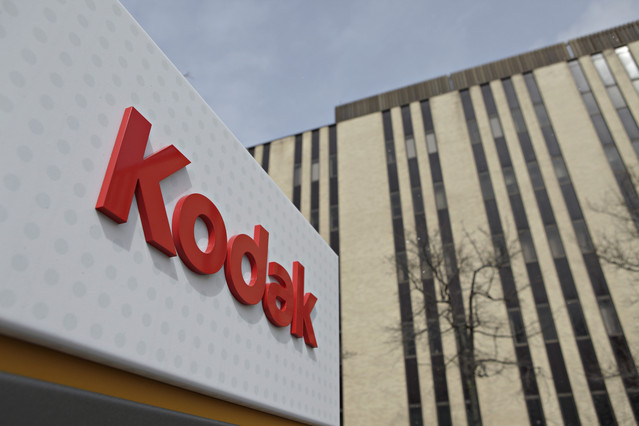
Eastman Kodak, fundada en 1888 y propietaria de más de un millar de patentes en la industria fotográfica y cinematográfica, ha anunciado este jueves su decisión de solicitar la declaración del estado de quiebra voluntaria para la matriz y filiales estadounidenses de la empresa ante los tribunales de Nueva York.
Kodak pretende acogerse así a la protección que ofrece el capítulo 11 de la ley de quiebras de EE.UU. para reorganizar sus actividades.
A través de esta reorganización, la compañía pretende rentabilizar sus derechos de propiedad intelectual no estratégicos, resolver la situación de su pasivo y concentrar sus esfuerzos en las líneas de negocio más rentables.
Recientemente, Citigroup había concedido un crédito de 950 millones de dólares a 18 meses que ahora estará sujeta a la aprobación por parte de los tribunales y otras condiciones previas.
Kodak, comandada desde 2005 por el español Antonio Pérez, confía en contar con liquidez suficiente para seguir operando mientras se encuentre bajo la protección del ‘capítulo 11’.
En un comunicado Eastman Kodak ha señalado que, pese a la petición de quiebra, tiene capacidad suficiente para operar su negocio y prestar servicios a sus clientes con “normalidad”.
Kodak espera pagar deudas y salarios a sus empleados y seguir programas de cliente. Por otro lado, la filiales fuera de Estados Unidos no están sujetas a estos procedimientos y cumplirán todas las obligaciones con sus proveedores.
Los continuos rumores sobre la viabilidad de la compañía a comienzos de año hicieron caer sus acciones hasta en un 30% el pasado 4 de enero, acumulando una depreciación del 91,53 % en el último año.
¿Cómo llega aquí?
La actual situación de Kodak podría ser fruto de haber caído en dos de los cinco pecados que el economista Peter Drucker identificó en 1993 como “errores evitables que dañarán a las empresas más poderosas”.
El primero es “preocuparse solo por mantener altos márgenes de ganancia”. El segundo, “matar la oportunidad de mañana en el altar de hoy”.
Drucker creía que en lugar de enfocarse en los márgenes de ganancias, a una compañía le conviene prestar atención a las ganancias totales, que salen del margen de ganancias multiplicado por volumen de ventas. Es esta cifra, sostenía, lo que asegura “una posición óptima en el mercado”.
Durante décadas el negativo, profesional y consumo, sostuvo casi la totalidad del negocio de Kodak. La irrupción del digital significó la entrada de nuevos actores en un coto que hasta la fecha se habían reservado la propia Kodak y su eterna competidora Fujifilm.
Sin duda, el mayor error fue no identificar que el futuro del rentable negocio del fotoquímico terminaría antes o después centrando ganancias en un negocio que estaba condenado a morir.
Hace una década, la compañía ya intentó un giro hacia el digital moviéndose torpemente en un mercado con una competencia feroz en el que el concepto de consumible (el popular carrete, en consumo) ya no era necesario. Aunque entró en el mercado de las cámaras digitales, logrando una muy buena posición en el mercado norteamericano, la estructura anquilosada de la compañía no permitió jugar en un universo tan dinámico y en constante cambio como el digital.
Did you like this article?
Subscribe to our NEWSLETTER and you won't miss anything.
Related articles
 VICE Media files for bankruptcy to facilitate its sale to a consortium of investors
 FIACINE y CAACI se alían para impulsar el desarrollo de la actividad audiovisual iberoamericana
 El coronavirus obliga a la suspensión de NAB 2020
 El fútbol como dinamizador de actividad y generador de ingresos para la hostelería
 A1 Studio TV and BMS develop an interesting suspension and rail system for lighting and cycloramas
 Kodak introduces innovative film cleaning system
 Kodak cierra un acuerdo con las majors para reactivar el cine en celuloide
 El TSJA declara nulas las concesiones de TDT locales en Andalucía
 El juez autoriza la venta de patentes de Kodak para obtener más de 500 millones de dólares
 Strategic commitment of the Basque audiovisual sector to promote the productive activity of local production companies
Bruselas declara ilegales las ayudas recibidas por Ciudad de la Luz
Momentos difíciles para Kodak
Strategic commitment of the Basque audiovisual sector to promote the productive activity of local production companies
Bruselas declara ilegales las ayudas recibidas por Ciudad de la Luz
Momentos difíciles para Kodak
 Shure A300SM: montaje amortiguado ShureLock con elásticos de suspensión
 Vision3 250D: new Kodak medium sensitivity film for daylight