





'Big Brother' finds in Panasonic the technological answer for "the all-seeing eye"
Twelve years have passed since the first edition of Big Brother. Throughout this type, its production company in Spain, Zeppelin TV, has become a reference in the production of reality shows, developing an interesting proprietary technology for IP control, metadata management and cataloguing. Panasonic technology, with its multipurpose mini-cameras AW-HE100 and AW-HE50, play a fundamental role as the all-seeing eye in this television sociological experiment.
If there is a fireproof format on television, it is Big Brother. Praised and reviled in equal measure, but with enduring support from audiences in some 70 countries, Big Brother was born in September 1997, during a brainstorming session at the production company John de Mol Produkties (Endemol) in which John de Mol, Patrick Scholtze, and the brothers Bart and Paul Römer participated.
The name of the program refers to the novel that George Orwell published in 1949, One thousand nine hundred and eighty-four, in which the Big Brother You can see everything 24 hours a day. Starting from this novel as well as from experience Biosphere 2, which in 1991 isolated a group of people in the Arizona desert, and from the Swedish format Expedition Robinson (later popularized as Survivientes), the production company Endemol inaugurated the golden era of the reality show in capital letters.
On September 16, 1999, Big Brother was broadcast for the first time in the Netherlands, putting, under the watchful and continuous gaze of the cameras, a group of contestants who have to live together without any contact with the outside world for about three months.
In addition to the same coexistence, which is the main axis and greatest attraction of the contest, the reality show revolves around 4 bases: the return to the basics in their daily routine, the elimination system, the weekly tests proposed by big brother and the confessional, where, individually, the contestants express their thoughts, feelings, frustrations and their nominees.
Throughout these fourteen years, Big Brother has experienced unprecedented success on television that remains just as alive, thanks to the continuous variants that edition after edition are introduced, thus ensuring entertainment for large masses.
Big Brother lands in Spain
The Spanish version of Big Brother It began on April 23, 2000, just seven months after it took off in Holland, at the hands of the production company Zeppelin TV (later integrated into the Endemol group itself, which promoted the format). In a risky bet due to the controversy that the format had raised among critics, anthropologists, sociologists, philosophers... Telecinco opens the doors of its first Big Brother on April 23, 2000. And, beyond the suspicions raised by the format, Mediaset España has been demonstrating edition after edition that observing others in their daily lives awakens an unusual interest and magnetism, from which no one is left out.
Since then, a total of thirteen editions have been issued (the current one, named after superstition GH 12+1, began in mid-January), in addition to two VIP editions (with famous people) and two “re-encounters” (with former contestants from previous editions coinciding with the ten years of the program).
 A technological challenge
The first house of Big Brother in Spain, initially installed in the Madrid town of Soto del Real, it represented a unique technological challenge that would revolutionize the way of producing reality shows.
One of the challenges was multi-camera management in a live program with a significant number of positions, which became a real headache. Initially, Endemol Netherlands had Sony systems with multifunction cameras, as well as a workflow based on tape recorders and tapes, along with software developed by the Japanese multinational itself with a very brief description of the material that was being collected. This workflow involved numerous bottlenecks in pre-production, selection and cataloging of material, and editing... which hindered the immediacy that a 24-hour format required.
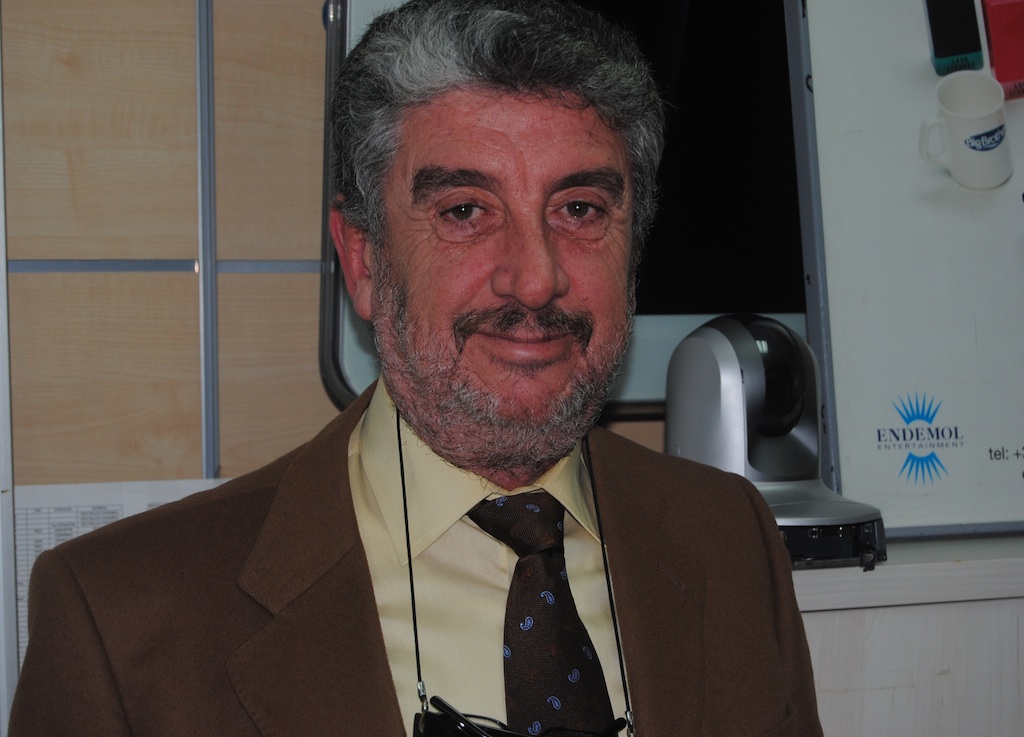
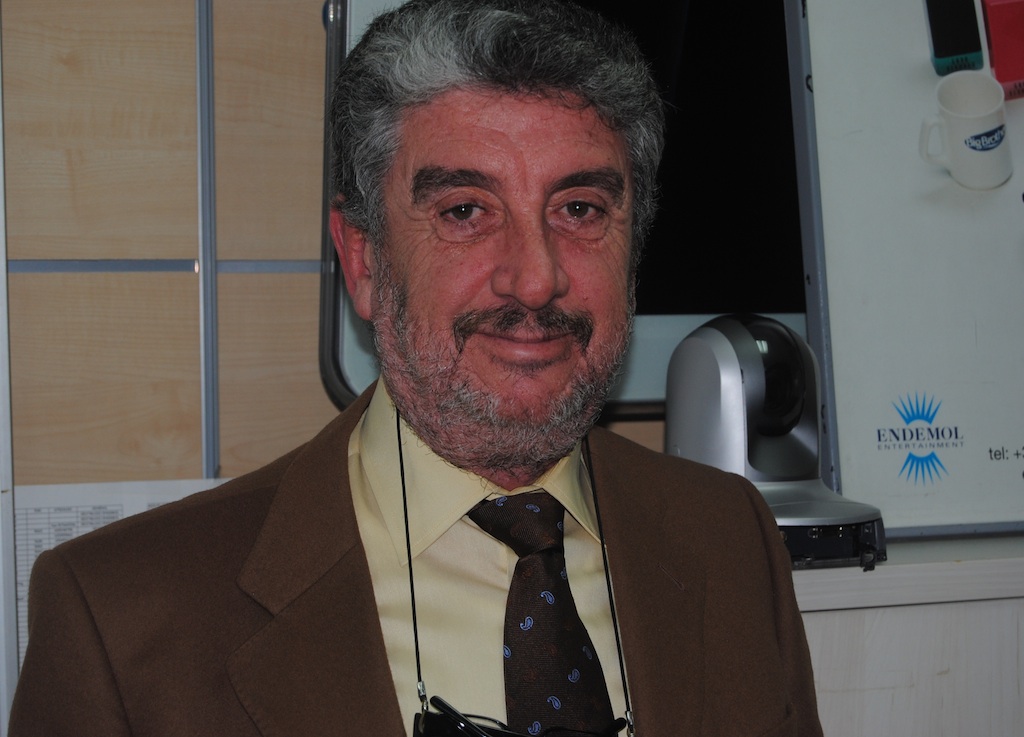
Faced with this situation, Juan Luis Romero, head of technical management at Zeppelin TV, proposes a radical technological change. For GH 1, Zeppelin TV bets on technology Panasonic with its AW-E600 cameras (1/2 inch) and AW-PH300 positioners. At that time, Panasonic's solution with pan/tilt cameras was designed to control five or six units and not for the dozens of cameras that the live program needed.
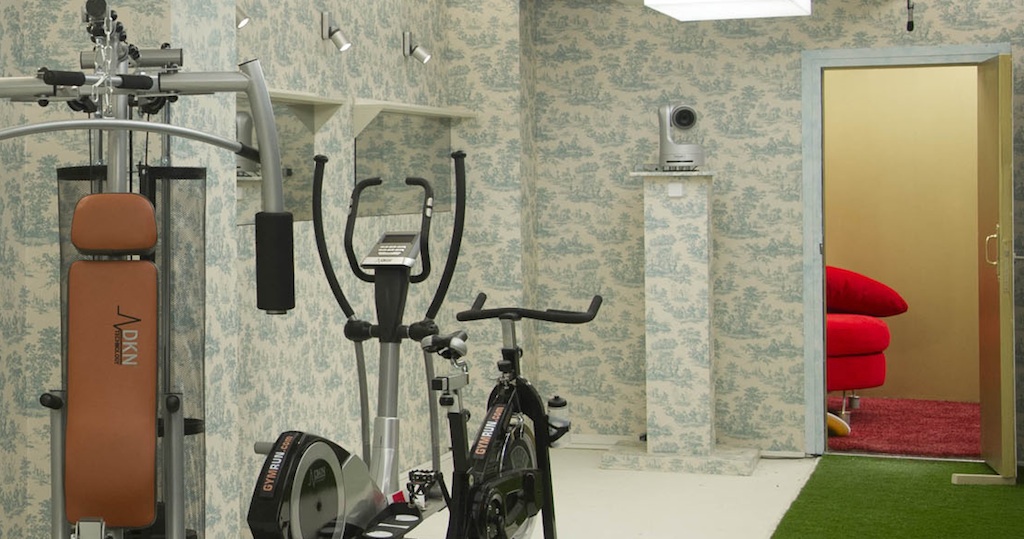 The Zeppelin and Panasonic engineering team got to work developing, together with Crosspoint, a system composed of intermediate boxes where the parameters of each camera were stored, so that with a single joystick several positioners could be remoted, simultaneously switching the signals coming from the cameras. Thus, without Zeppelin's engineers being really very aware of the transcendental step they were taking in broadcast technology, the new IP environment so widespread today was born.
Juan Luis Romero comments that "when you have a single control for each camera and you have to make individual adjustments in each of them, the day-to-day running of a 24/7 program became impossible. The system for memorizing camera parameters that we implemented since the first edition of Big Brother It allowed us to preserve the latest parameters of each camera, thus exercising full control over key functions such as the iris. Indeed, we were pioneers in the development of IP in this environment to control, address and memorize parameters. Subsequently, we eliminated the individual CCU control for adjustments, and developed a software interface capable of operating and memorizing all camera parameters (pan/tilt, color, iris...) from a single PC.”
But the technological revolution that brought about Big Brother In Spain it did not end there. Zeppelin chose to do without tape and implement a file-based workflow with a very fast cataloging system that, together with PC storage, allowed access to any sequence at any time.
Since the images coming from the house of Big Brother, which from the second edition moved to Guadalix de la Sierra (Madrid), is used in numerous Telecinco spaces, it was essential that the different scriptwriters could access any shot, clip or sequence immediately and catalogued.
“Without a doubt, all these proprietary developments, beyond the huge amount of robotics implemented, have distinguished Zeppelin as a specialist in reality shows,” says Romero.
 Panasonic technology: the eyes of Big Brother
Throughout these twelve years of issuing Big Brother, Panasonic has been renewing both the camera and positioner models. The next camera model used in the production of the reality show was the AW-E650, whose main advantage is that it now worked at 12 bits (instead of 10 bits). For its part, the indoor positioner has had several models: the initial AW-PH300 was followed by the AW-PH350 and the AW-PH360.
Zeppelin has ended up gradually implementing all of these models, as material purchases have been made over time.
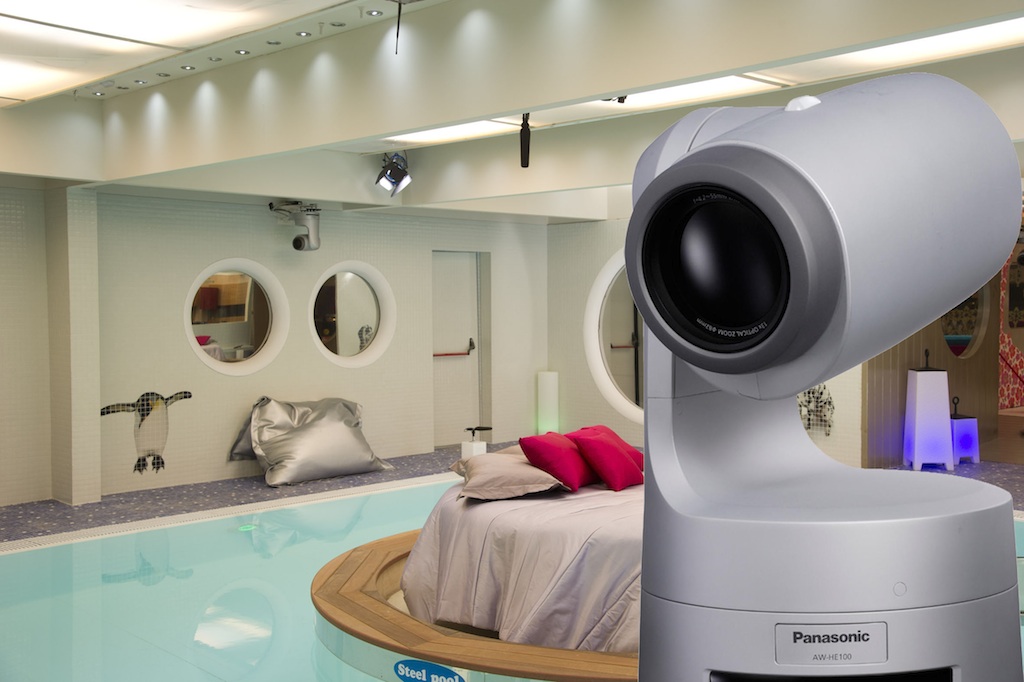
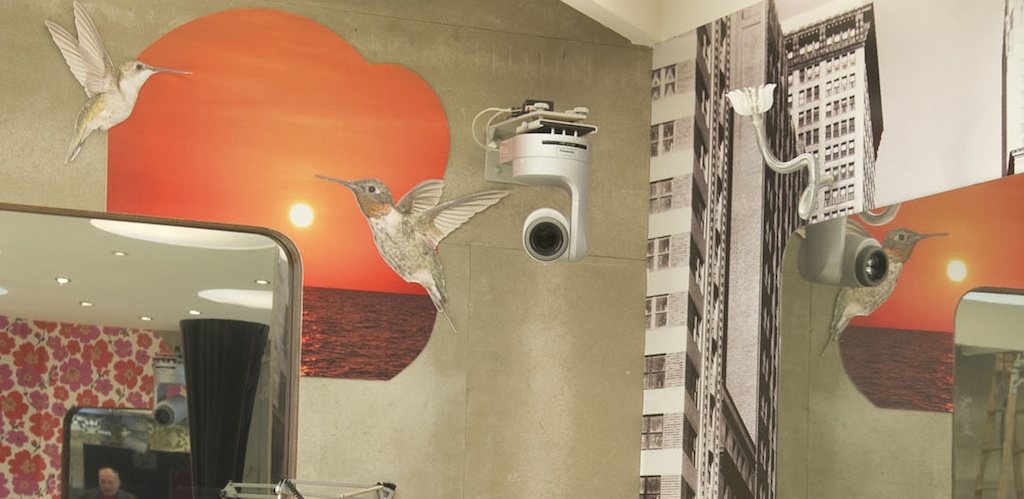
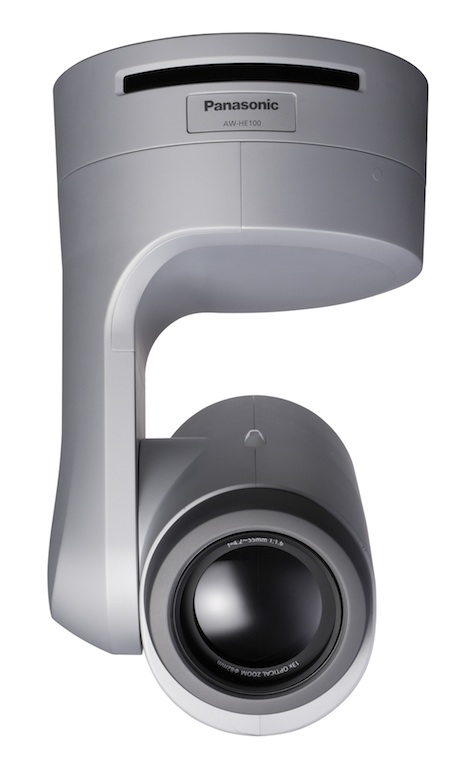
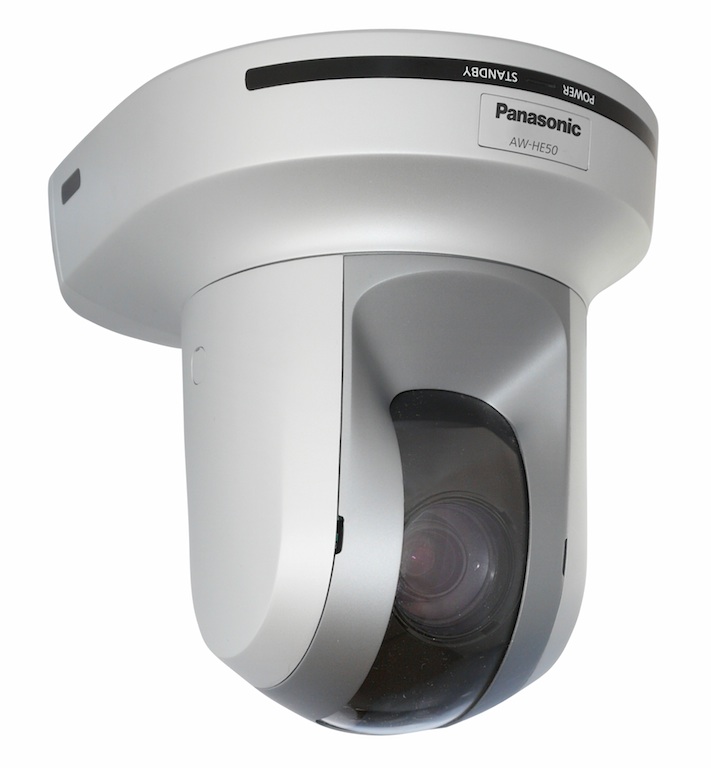
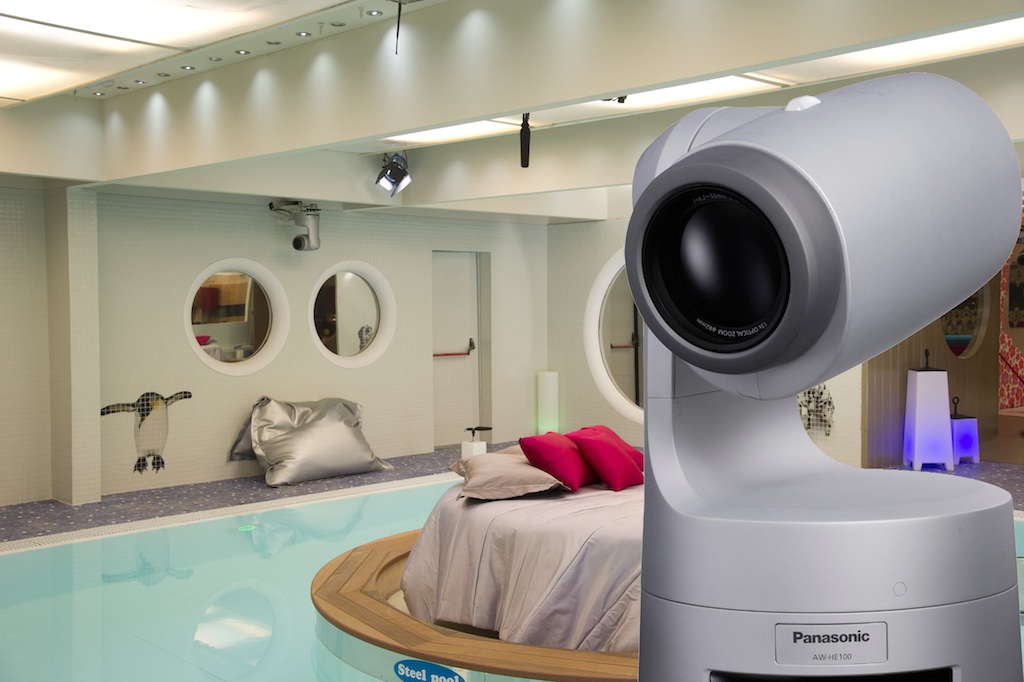
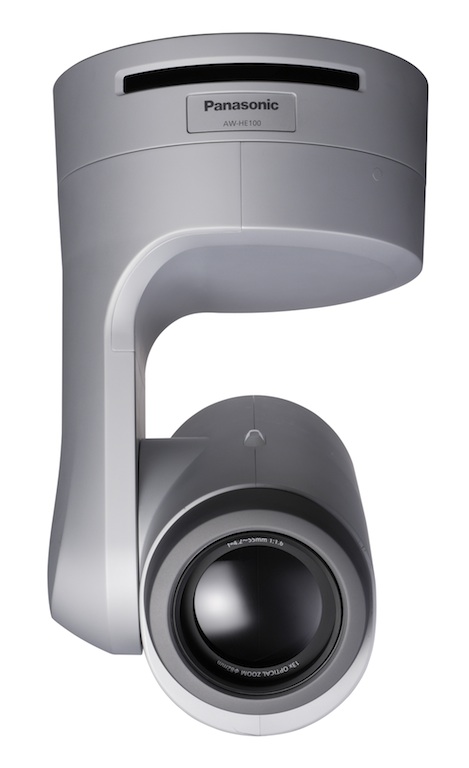
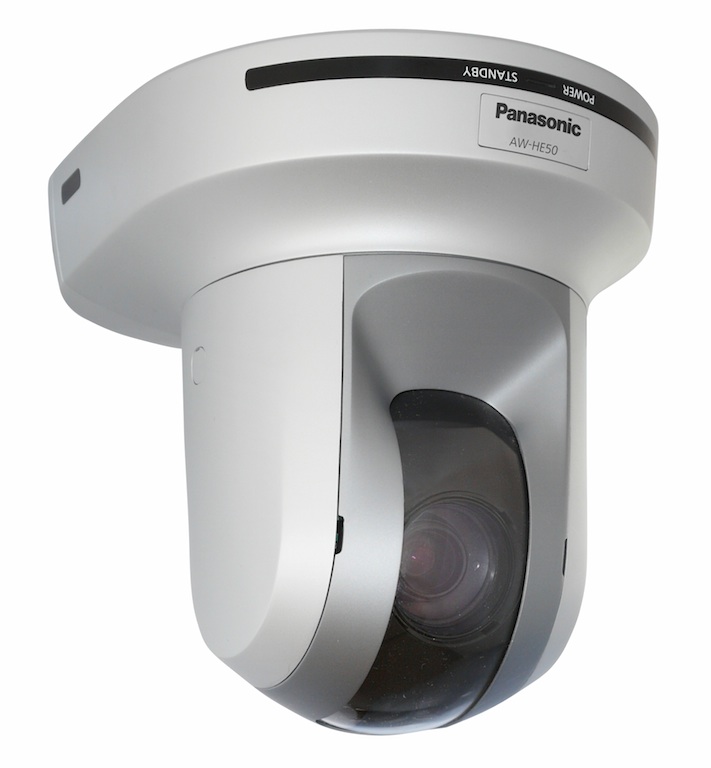
The current edition of Big Brother It has the multipurpose camera models AW-HE100 and AW-HE50. The AW-HE100 stands out for being a compact device that has three 1/3" CCD sensors with capture at 1080/50i, 720/50P and 576/50i,25P and has a 4.6-82.8mm optics. Weighing just 11 kilos and measuring 50x30x30cm, it offers HD-SDI, SDI and composite. The AW-HE50 is an IP camera that has similar characteristics to its “big sister” in terms of capture formats, but in this case with a 1/3” MOS sensor; HD-SDI and SDI output; and optics 4.7-84.6mm.
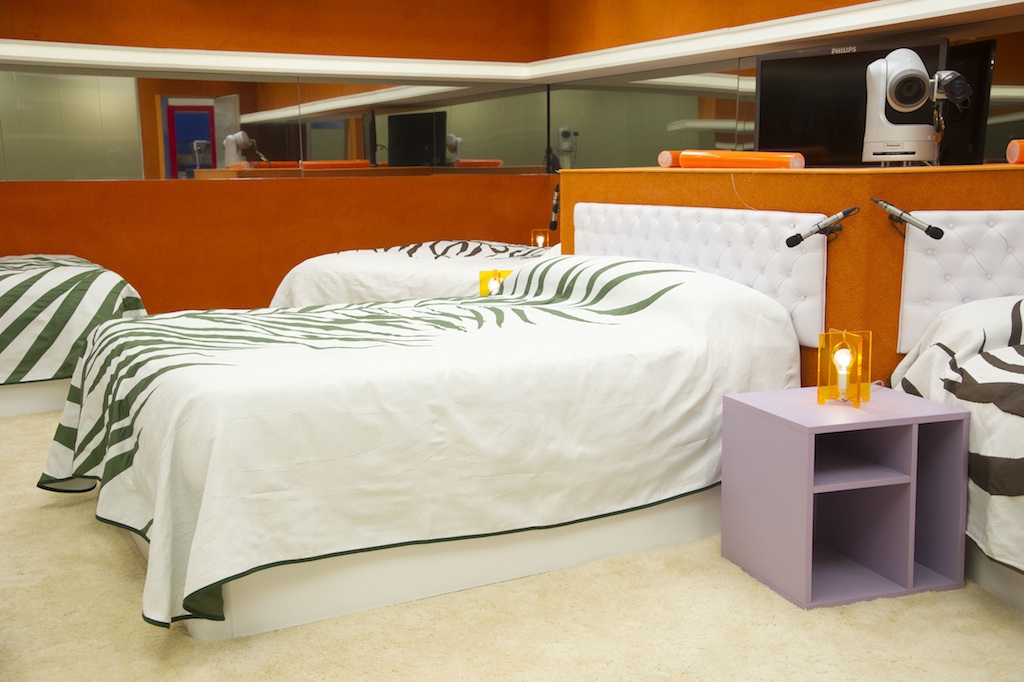
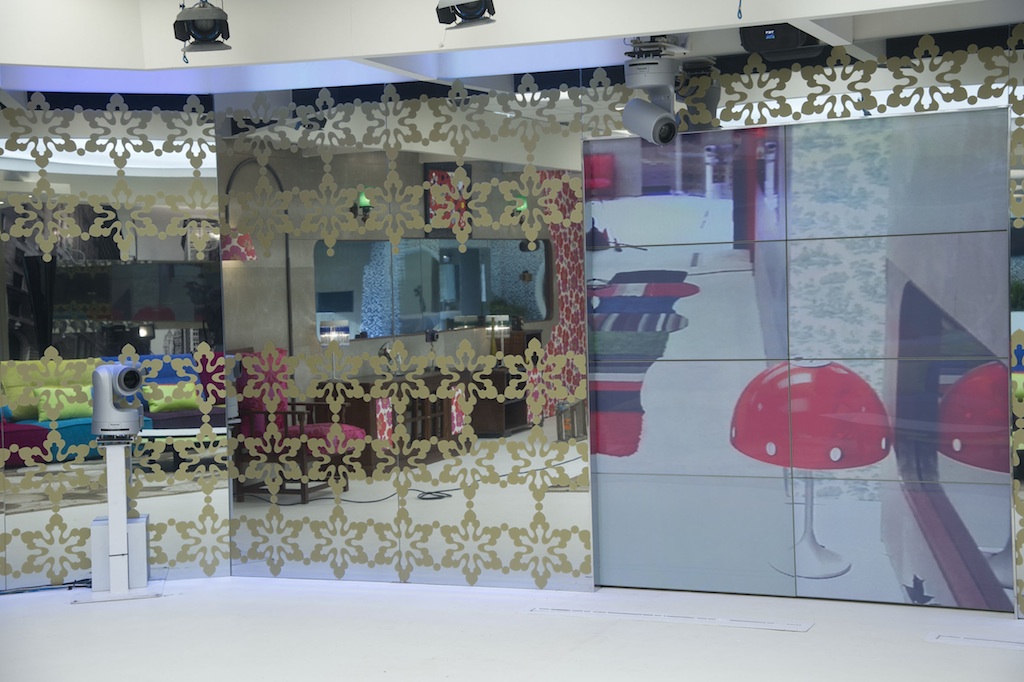
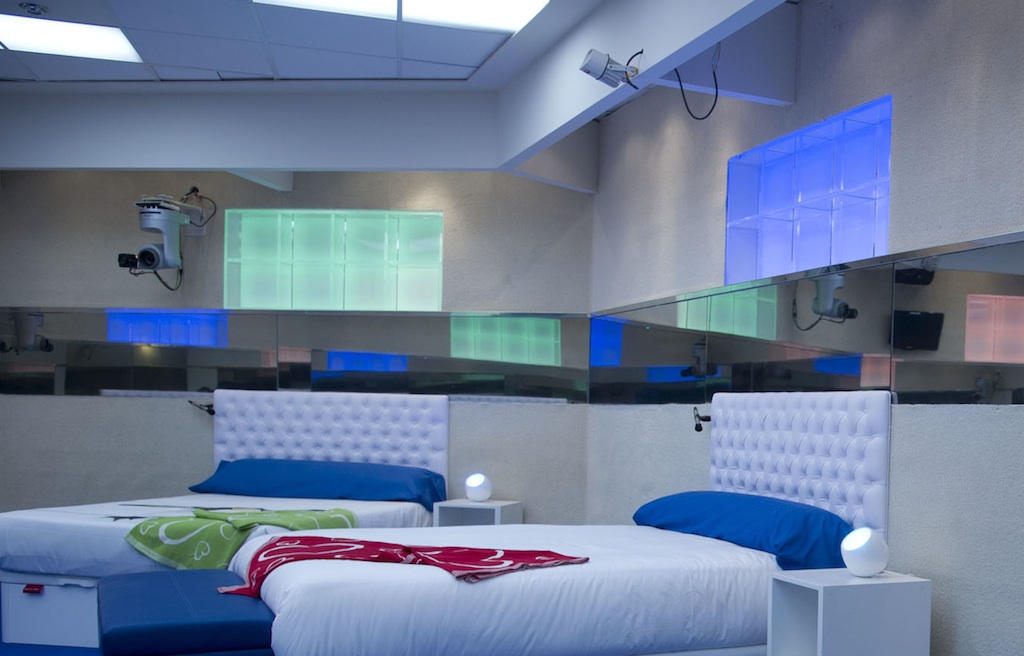
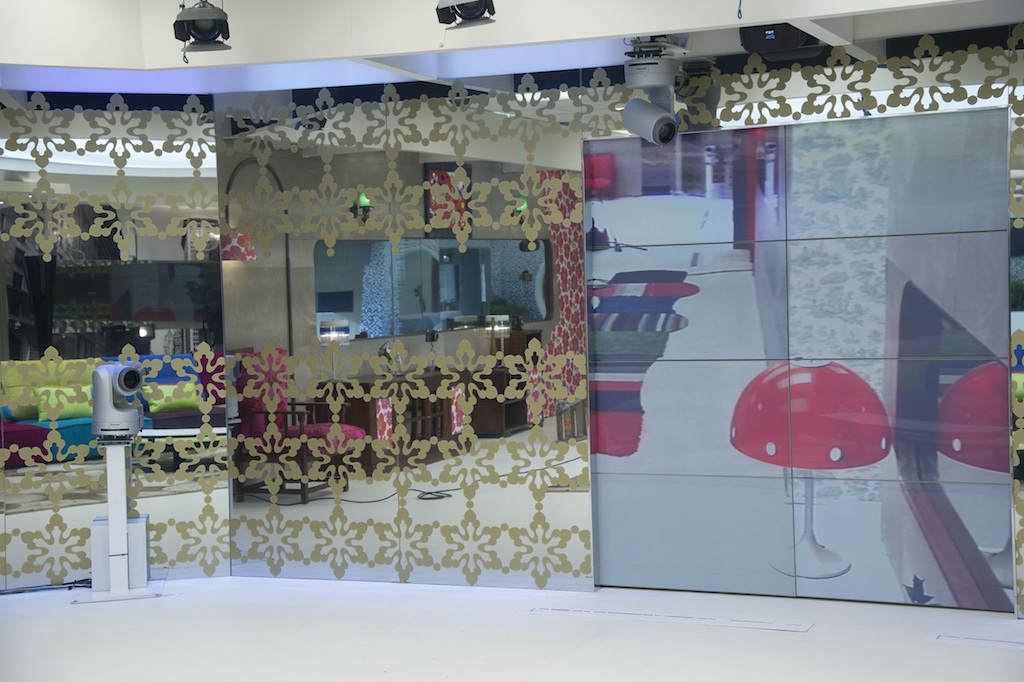
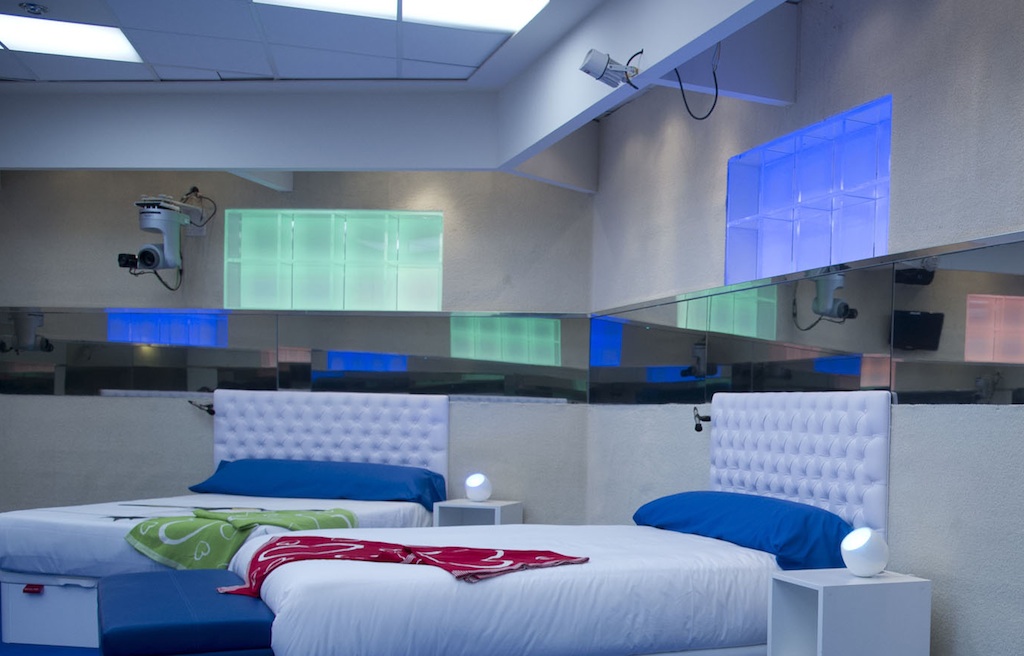
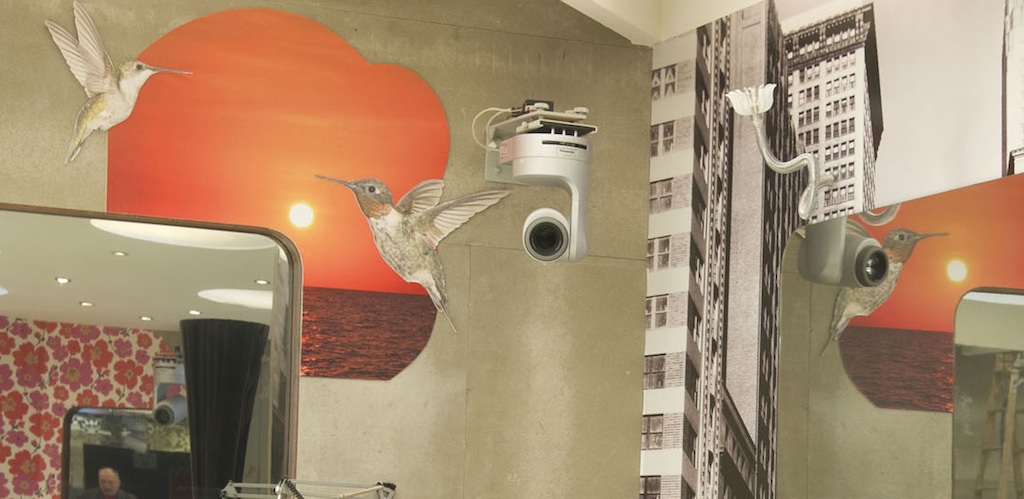
And total, Zeppelin and Big Brother 12+1 It is using a total of 40 HE100 units to which several HE50s should be added. In addition, the house has a dozen infrared cameras (typical in video surveillance), as well as several fixed cameras in areas with little traffic and six studio cameras housed within the so-called “camera cross” in the center of the house separated by a mirrored glass.
As Juan Luis Romero highlights, "we opted for Panasonic because the reliability of the equipment must be total since since it is a 24/7 broadcast for three months, we cannot afford to go in to adjust cameras, for example. In very exceptional cases, we have to wait until they are asleep or take the contestants to a room with some excuse so that we can intervene...".
 In the event that due to any incident during the three months of the contest a camera had to be replaced, Zeppelin has also developed a curious fixing system based on a plate with endless spring screws that would allow any camera to be replaced and the new one leveled in a matter of seconds.
Romero maintains that "Panasonic cameras, having pan/tilt and lens integrated into a compact device, have many advantages. If each part and wiring is separate, breakdowns and problems tend to multiply, and a problem can arise in any element. They are in themselves elements susceptible to having a problem. However, in Panasonic cameras, when working with a compact device, start-up is ten times easier, not to mention their practically zero maintenance."
It should be noted, on the other hand, that from the point of view of production, the Panasonic AW-HE100 and AW-HE50 offer an angle of almost 360 degrees without dead angle since both tilt completely and rotate pan, leaving the house, without secrets, in view of the viewer.
As far as light response is concerned, according to Romero, "these cameras present a truly perfect response. Compared to the studio cameras that are in the cross of cameras, which when being behind a mirror already lose 2 stops of aperture, these Panasonic cameras are more than enough. In fact, the illuminator was surprised by the magnificent response of the Panasonic cameras in low light conditions."
 Workflow
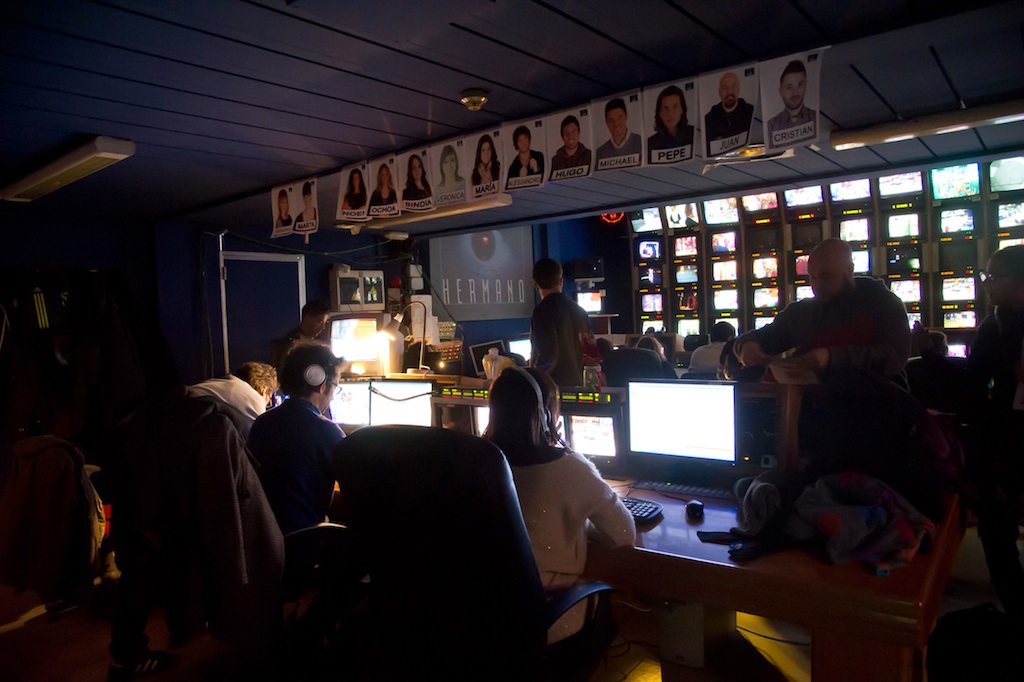
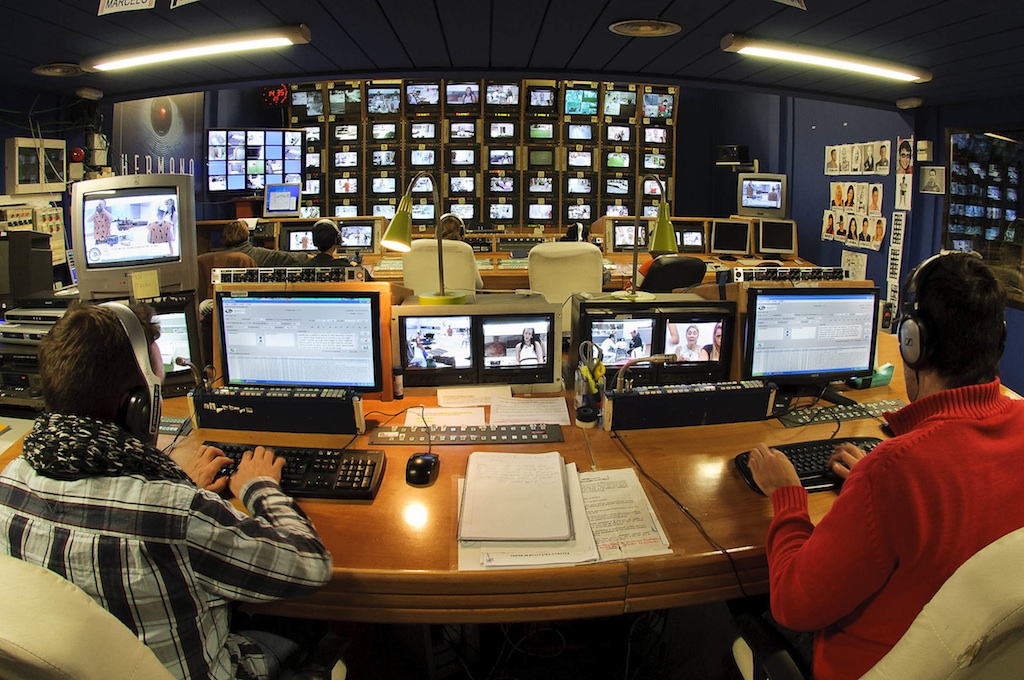
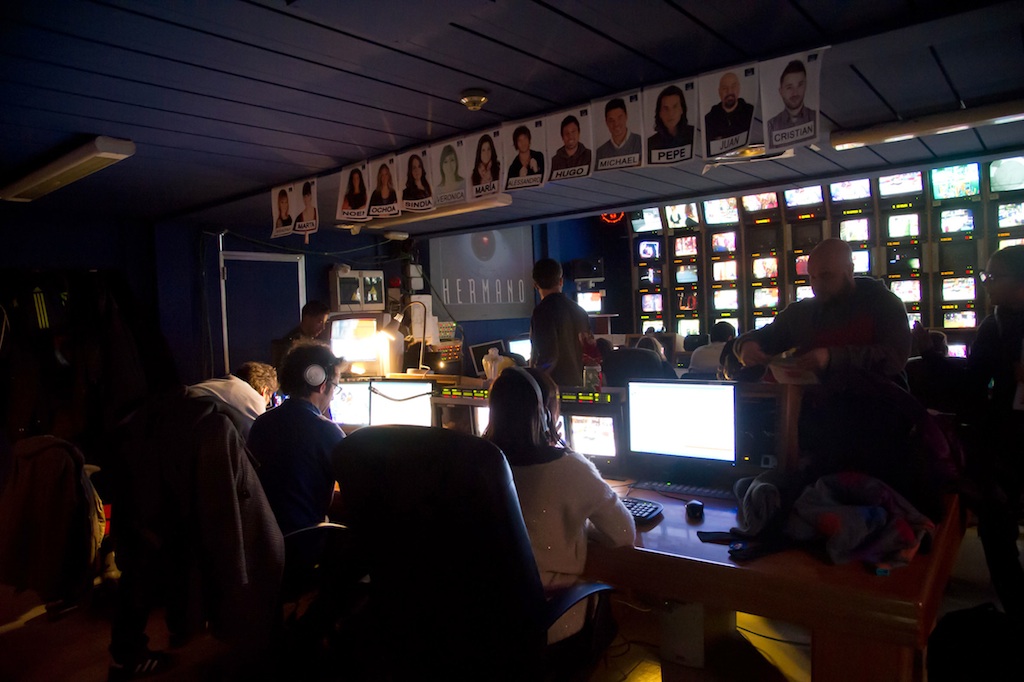
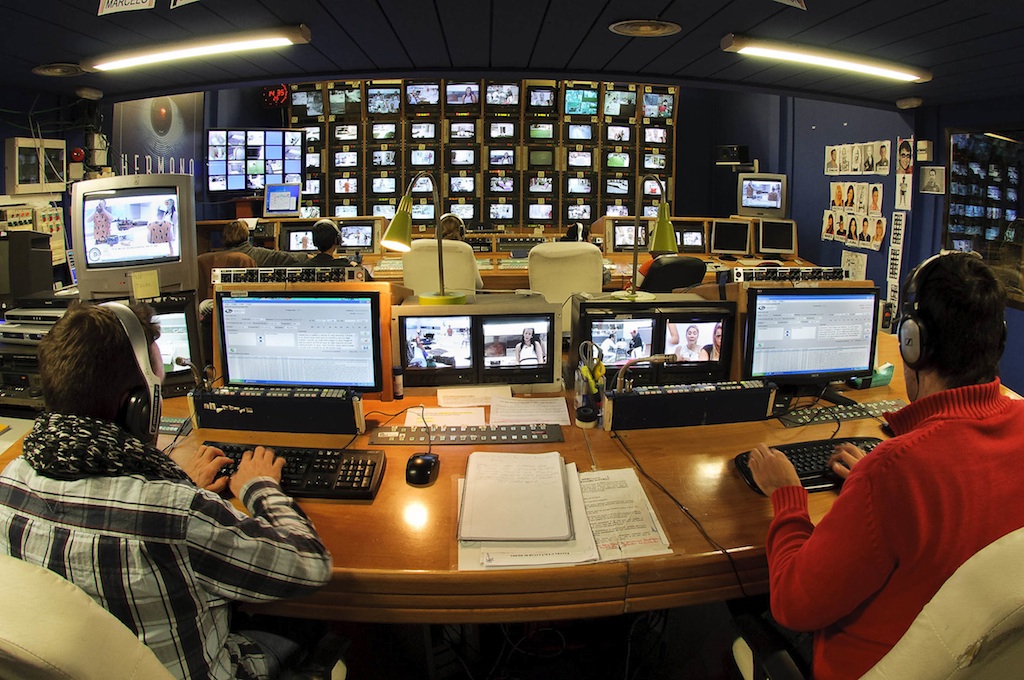
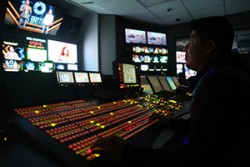
All SD signals from all cameras are routed to a matrix from where they are switched directly from a keypad to select four simultaneous signals whose realization is taken to Harris' Nexio servers. These servers record in a loop (deleting material every 24 hours). While these four signals are recorded, a file conversion is done (using material cataloging software developed by Zeppelin) taking the clips to a 90TB SAN and from there to post-production for the preparation of summaries or other material for different programs.
When the scriptwriter evaluates the material on his own PC, he marks the pieces as useful and a proprietary system makes a conversion to .avi files, making them available for post-production.
All camera signals are continuously present in progress. The editors have their own switches to click on certain cameras, with the operators selecting the four programs to record at the push of a button. To facilitate this task, Crosspoint developed programmable preselectors for Zeppelin that allow areas to be assigned. In this way, if, for example, “Kitchen” is selected, all the audio and video signals in that area are immediately called up, thus facilitating the production work with such a huge number of cameras.
 In conclusion, Juan Luis Romero categorically states that “without a doubt, Big Brother It has been the most important challenge we have faced due to the responsibility it entails. Live television is a lot of responsibility, but carrying out a program that is broadcast live 24/7 for so many months is an enormous challenge on a day-to-day basis. The systems developed at Zeppelin especially for Big Brother Together with Panasonic's multipurpose camera technology, in a very successful implementation in Spain, they have been launched throughout these years in numerous editions of the program in Poland, Italy and much of Latin America, to name a few examples. And there is no television program, from a technical point of view, comparable to Big Brother.
Multiplatform
In addition to the technology contributed to the production of the program, the Spanish edition of Big Brother It marked a before and after in the concept of transversality of content on the grid and multiplatform distribution. Since his birth, Big Brother has combined conventional television with mobile (promoting the rise of sending SMSs and later mobile TV), digital platforms and the Internet, at the same time that the experiences of the Guadalix de la Sierra house flood all the spaces of the different Mediaset channels with summaries, debates, interviews, controversies...
Definitely, Big Brother has found perfect allies on the Internet, and as a consequence connected television. The edition currently on the air can be followed 24 hours a day through Mitele, Mediaset España's online television platform.
Gallery
(click on any photo to start the carousel - scroll right and left by clicking on the arrow)


Did you like this article?
Subscribe to our NEWSLETTER and you won't miss anything.
Related articles
 The great technical revolution of 'Big Brother' on its 25th anniversary
 The 'Big Brother' house (Telecinco) moves to Tres Cantos to deploy the most advanced technology in its history
 Miguel Yabrudes (disguise): “we help throughout the entire process from start to finish to achieve great storytelling”
 7NN: a great technological investment to be the Spanish Fox News
 'Big Brother Revolution' introduces the use of 360º cameras
 Editshare technology ensures Zeppelin TV does not lose any detail in the production of 'Big Brother' in Spain
 MediorNet enables decentralized and redundant routing of signals in 'Big Brother VIP'
 'Big Brother' returns to Televisa with Panasonic and Sennheiser technology integrated by Bexel Global
 The 'Big Brother' app now exceeds two million downloads
 Panasonic technology allows you to follow the lives of the contestants in 'Big Brother 15'
 Panasonic consolidates the AVC-Ultra codec family, responding to every need
 Panasonic AG-HPX600: a compact, highly expandable and future-ready camcorder
 'Big Brother. And now what?': Elizabeth López analyzes the phenomenon of the format in Spain
 Big Brother… a fireproof format