





Grass Valley: mission, expand creativity
Karl Schubert, director de tecnología de Grass Valley, saca su bola de cristal en esta Tribuna para anticipar que los broadcasters y las compañías de media de todo el mundo continuarán con la migración de toda la industria hacia infraestructuras de Protocolo de Internet (IP) y basadas en archivos, y que los fabricantes apoyarán esta iniciativa con un número cada vez mayor de plataformas de software y de red.

Cuando Karl Schubert, director de tecnología de Grass Valley, mira en su bola de cristal hacia el próximo año y los siguientes, ve que los broadcasters y las compañías de media de todo el mundo continuarán con la migración de toda la industria hacia infraestructuras de Protocolo de Internet (IP) y basadas en archivos, y que los fabricantes apoyarán esta iniciativa con un número cada vez mayor de plataformas de software y de red, que permitan a los usuarios trabajar de forma colaborativa y mucho más eficientemente. El próximo año estará lleno de innovaciones significativas en Grass Valley, con un enfoque en la optimización del flujo de trabajo conectado.
“La ventaja del software es que nos permite acercarnos a realizar lo que los creativos quieren hacer”, dijo. “Al fin y al cabo, de eso se trata ser un proveedor de tecnología. Cuanto más cerca se está del hardware, más lejos se está del proceso creativo. Cuando hablamos con los clientes acerca de sus metas creativas, les mostramos cómo podemos ayudarles a hacer el mismo trabajo que realizan actualmente, con menos tecnología física frente a ellos. De inmediato se interesan. ¿Quién no lo haría? Como empresa, Grass Valley está trabajando duro para impulsar la creatividad. Las herramientas no definen la tarea, sino al revés. Así es como vamos a mantener a nuestros clientes y ayudarles a migrar hacia la mejor alternativa, que les permita aumentar su productividad y hacer realidad sus objetivos empresariales y creativos. ”
Alcanzar eso en los próximos años, es un reto que Schubert ha asumido con entusiasmo y con la comprensión de que los presupuestos son limitados en muchos casos, por lo que la transición al flujo de trabajo digital podría ocurrir más lento de lo que algunos podrían esperar. Esto es muy cierto, dijo, en países emergentes como China y en América del Sur, donde muchas instalaciones de broadcast y producción, recién están convirtiendo sus operaciones de definición estándar a alta definición.
“Todavía hay muchas oportunidades para hacer migrar a los clientes a través de la transición digital, de la forma menos dolorosa posible”, aseguró. “Nuestro objetivo en 2103 es acelerar la transición tanto como nos sea posible, de una manera asequible y preparados para el futuro.”
Con este fin, Schubert actualmente lidera varios equipos R&D en Grass Valley, enfocados en la adición de nuevos niveles de capacidad, en forma de aplicaciones de software, a través de soluciones de producción en vivo de Grass Valley y plataformas de edición no lineal en red.
“Creo que hemos llegado a un punto en que los costos son adecuados y el rendimiento está presente, así que usted puede utilizar hardware listo para usar y software de aplicación específica, para hacer la mayor parte de las cosas que solía hacer en hardware personalizado y gateware propietario “, dijo Schubert. “Sin embargo, hay un límite para esto. Habrá siempre una necesidad de hardware especializado para algunas partes de una instalación y para la cadena de producción en vivo, donde los chips FPGA y el procesamiento en tiempo real no pueden ser sustituidos. Pero, la cantidad de hardware dedicado que se requiere es cada vez menor. Esas son buenas noticias para nuestros clientes.”
Sin embargo, advierte, el software no puede hacerlo todo.
“Siempre habrá algo que los creativos quieran hacer, que no podremos hacer lo suficientemente rápido con la combinación CPU/GPU”, dijo Schubert. “De todos modos, conforme las CPUs y las GPUs sean más rápidas, será posible cumplir con los requerimientos actuales mediante software, y realizar los procesamientos más avanzados con hardware. Creo que habrá un traslado continuo de funciones hacia la plataforma combinada CPU/GPU.”
Para Grass Valley, los productos basados en software son más rápidos en llegar al mercado y se puede mejorar con nuevas versiones de forma continua, todo ello en beneficio del cliente. Una vez que una línea de productos se ha establecido en software, también es más rentable, a largo plazo.
“Con el objetivo de acercarnos a realizar lo que los creativos quieren hacer, Grass Valley ya comenzó a migrar, de la utilización de herramientas tradicionales solamente, a una combinación de herramientas tradicionales e interfaces de software que las controlen”, dice Schubert . “Lo que estamos haciendo ahora en Grass Valley, son líneas de productos que no requieren grandes compromisos de infraestructura. Nuestros clientes dicen que quieren tecnología mediante la cual la infraestructura (tener que implementar varios servidores, por ejemplo) no se interponga, sino que realmente facilite la realización de una tarea específica que estén tratando de llevar a cabo. ”
Schubert dice que está enfocado en ofrecer la misma flexibilidad que la virtualización ha traído al mundo de TI. Se refiere a ella como una “infraestructura abstraída”, mediante la cual, al usuario no le preocupe en qué lugar está ubicado su servidor de vídeo, enrutador, o conmutador de vídeo, siempre y cuando tenga acceso al contenido.
“Si usted es capaz de ejecutar una función desde cualquier parte de su red, ahora tiene una enorme flexibilidad. La infraestructura (sistemas físicos) no debe ser lo que le impida hacer el trabajo que tiene que realizar.”
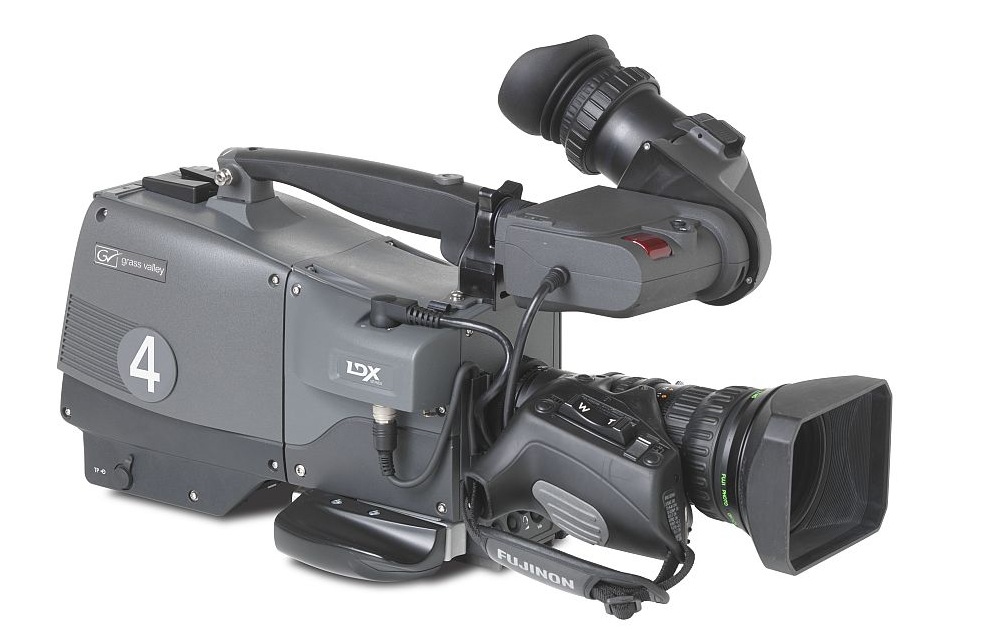
TI ofrece una nueva libertad
En 2013 Grass Valley incorporará este concepto centrado en TI, a su actual cartera de soluciones, en todos los niveles, desde cámaras hasta switchers, servidores, sistemas de edición, gestión de señal y distribución. Esto incluye la capacidad de “devolver a la cámara lo que la cámara nos está enviando”, dijo Schubert. “Podemos utilizar redes de fibra óptica e IP para localizar cámaras de forma remota. Este enfoque permitirá a los creativos tener una visión evolutiva de lo que les gustaría ver (teniéndonos a nosotros como espectadores) y realizarlo apenas instantes después. También vemos que con el tiempo, los camiones OB (transmisión en exteriores) están siendo construidos más pequeños, para adaptarse a espacios menores y presupuestos más limitados. Esto significa que una empresa de producción podría enviar un camión más pequeño al local, y tener muchas de las herramientas de producción ubicadas remotamente, pero accesibles y controladas desde el interior del camión.
“Esta movilidad es fundamental para ofrecer a los creativos nuevas maneras de lograr hacer lo mismo, que han estado haciendo durante muchos años”, dijo.
Las nuevas cámaras LDX Series de la empresa, están diseñadas para permitir actualizaciones continuas de software. La empresa está preparando el lanzamiento de un nuevo servicio encargado de las capacidades específicas de licencias de Grass Valley, en función de las necesidades del usuario: por función, por tiempo, o conjunto de cámaras. Este servicio central permitiría a un cliente activar una función para un evento específico, durante el trabajo de campo, y luego apagarla cuando haya terminado.
“Esto es algo grandioso y es posible gracias al nuevo enfoque de Grass Valley, en un modelo centrado en software”, dijo Schubert.
Hay un nuevo botón de función en las cámaras LDX llamado “PickMe”, que permite a un operador de cámara decirle al director que tiene una toma importante. Esta función permite al operador de cámara etiquetar su toma para que el director sea alertado en el camión de producción, pero los metadatos etiquetados también pueden quedarse junto con el contenido grabado, después que el evento haya terminado. El operador de cámara también puede marcar clips, que pueden ser enviados directamente a Internet, para ofrecer a los espectadores en casa una vista alternativa de la acción (o una toma diferente sobre una noticia). Una vez más, se amplia la creatividad del operador. Esto nunca antes había sido posible.
“Estamos diseñando la próxima generación de sistemas para producción móvil, basándonos en el rumbo que está tomando la industria”, dijo Schubert. “Con la producción no lineal distribuida, las personas que trabajan en un proyecto en particular no necesitan estar todos en el mismo lugar. Dentro de cinco años, cuando la computación en nube se vuelve verdaderamente útil para nuestra industria, será la forma habitual de realizar producción remota. Hacerlo, tiene sentido práctico y de negocios.”
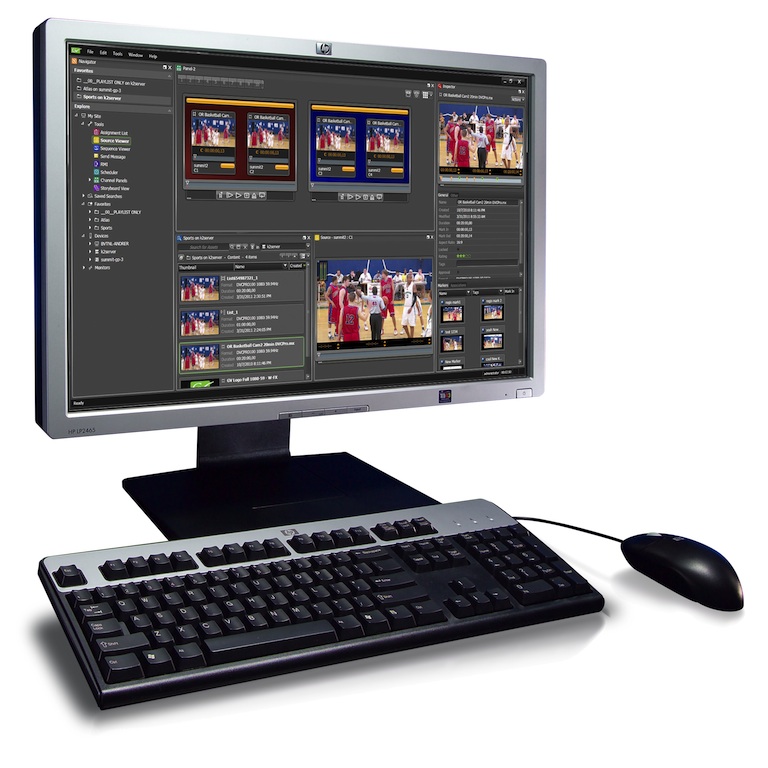
Redefiniendo la producción no lineal
Schubert destaca que con la Aplicación de Flujo de Trabajo de Media Stratus de Grass Valley, actúa como un administrador de flujos de trabajo y proporciona una interfaz común para personas creativas, que no quieren ser agobiados por la tecnología. Esta plataforma está ayudando a cambiar la forma en que las personas piensan sobre la producción no lineal, promoviendo la idea de que el contenido puede ser desarrollado y distribuido por varias personas trabajando simultáneamente, desde distintas ubicaciones. Esto permite a los equipos de colaboración, crear todo tipo de contenidos para diferentes plataformas de distribución.
“En los viejos tiempos, la producción lineal requería una sola persona para editar todo”, Schubert continúa. “Eso consumía mucho tiempo y recursos. Ahora el contenido se almacena digitalmente y muchas personas pueden trabajar en una red. Ellas pueden colaborar en el mismo archivo y ser mucho más productivas. Realmente no hay límites en cuanto a la forma en que un programa o una sola pieza de contenido se junta o distribuye”.
“En los últimos 50 años, Grass Valley ha desarrollado y comercializado una amplia variedad de nuevas tecnologías, pero los programas de televisión generalmente continúan siendo hechos de la misma manera que siempre”, dijo. “Lo que estamos hablando hoy en Grass Valley, está cambiando la forma en que se hace TV. Esto se remonta a lo que llamamos la “nueva era de producción no lineal.” Los profesionales de hoy en día vienen de una gran variedad de escenarios y no sólo de broadcast tradicional, por lo que las herramientas que necesitan tienen que ser flexibles”.
Haciendo la Diferencia (Conectada)
“En 2013, Grass Valley continuará desarrollando los mismos sistemas robustos y confiables, de los que la industria ha llegado a depender”, dice Schubert, pero también está tratando de alejar las mentalidades de lo que siempre se ha hecho.
“Queremos que las personas imaginen un futuro en el que tienen más libertad, y en el que pueden lanzar nuevos servicios y más canales de forma rápida y rentable”, dijo. “Todavía vamos a hacer grandes switchers de producción, enrutadores y todo lo demás, pero estas herramientas tradicionales se integrarán perfectamente con herramientas de software más recientes, que aportan más capacidad, en espacios iguales o incluso más pequeños. Realizar este reequipamiento de productos a escala de todo el sistema, ha tomado (y seguirá implicando) una gran cantidad de inversión en investigación y desarrollo por parte de Grass Valley, pero sabemos que vale la pena preservar el futuro de nuestros clientes. ”
“La idea de este nuevo camino, es que necesitamos conectar las cosas nuevas que estamos desarrollando, con nuestros sistemas actuales”, dijo. “Por ejemplo, usted puede comprar hoy un switcher de nivel básico Kayenne, y luego añadir nuevas funciones y capacidades en software para mejorar ese producto y preservar su inversión. En realidad se trata de dar a los clientes más por su dinero y permitirles decidir cuándo actualizarse. Esa es la manera de continuar siendo competitivo como proveedor de tecnología”.
Karl Schubert
Director de Tecnología en Grass Valley
Aunque ha pasado mucho tiempo diseñando y construyendo infraestructuras centradas en TI, la trayectoria de vídeo de Karl Schubert es realmente impresionante. En 1992, trabajando en IBM, dirigió un equipo que creó y distribuyó uno de los primeros sistemas de servidor de vídeo: el MediaStreamer de IBM. Esto ocurrió en la misma época en que Tektronix estaba trabajando en su servidor de vídeo Profile (ahora parte de la cartera de Grass Valley), pero, según Schubert, este servidor fue originalmente diseñado sólo para inserción comercial, mientras que el MediaStreamer podía trabajar con archivos, contenido de broadcast, ejecutar listas de reproducción y mucho más. El producto trabajaba con todos los sistemas de automatización de la época (incluyendo Alamar y Louth), y el servidor se desarrolló en conjunto con un sistema de archivo, de modo que podía entregar archivos y streams de contenido variable, a través de banda base estándar o de una red de computadora ATM (AAL-5). En aquella época el MediaStreamer fue vendido a una serie de broadcasters, incluyendo a Rogers Cable (Canadá), Dow Jones News Retrieval (EE.UU.), TF-1 (Francia) y Turner Broadcasting (EE.UU.).
Después de IBM, Schubert pasó a Dell Computer, donde trabajó como director de tecnología y comenzó su conocida división de almacenamiento (diseño, desarrollo y distribución de las primeras redes SAN comerciales). Él todavía posee algunas de las primeras patentes de sistemas de servidor streaming de vídeo, redes de área de almacenamiento y algoritmos RAID avanzados.
En 2002, en Austin Ventures, creó un grupo para reemplazar las grabadoras independientes de vídeo digital (DVRs) utilizadas por las compañías de cable. En ese momento, las DVRs tenían muchos problemas de fallas de disco, que representaban gastos operativos significativos a las compañías de cable ($50 por visita para reemplazar una caja en cada camión). Schubert y su equipo idearon una forma de reemplazar las DVRs con servidores centralizados para las grandes áreas metropolitanas.
Schubert creó una nueva empresa para desarrollar estos “sistemas de red de DVR” y trabajó con Jim Chiddox, en Time Warner, como parte del proyecto “Maestro” de la empresa, para diseñar y crear prototipos de estos sistemas.
“En ese momento nos dimos cuenta de que era un poco pronto para implementar tal tecnología con visión de futuro”, dijo, y agregó que cuando los costos fueron demasiado altos y cambió la economía, el proyecto Maestro fue cerrado. Schubert y su equipo demostraron que era posible hacerlo, pero que no valía la pena una mayor inversión en ese momento. “Podíamos disminuir el costo del producto, pero el costo de transmitir archivos a través de una red era demasiado caro. De hecho, en 2003, le dije a Jim Chiddox que no sería viable hasta por lo menos en 2012. Y aquí estamos hoy, con implementaciones asequibles para todos.”
Schubert valora su nuevo rol en Grass Valley y espera desarrollar muchos productos nuevos y emocionantes, y literalmente, marcar la diferencia en el día a día de la vida laboral de los profesionales de broadcast y producción.
“En mi carrera he tenido tres veces la oportunidad de hacer una diferencia real”, dijo. “Una de ellas fue cuando estaba trabajando en sistemas operativos, la segunda fue cuando trabajé en redes de área de almacenamiento, y ahora en producción y gestión de vídeo en Grass Valley. Ésta es la más emocionante, porque es algo que yo quise hacer dos veces anteriormente, pero era demasiado pronto y la tecnología no estaba lo suficientemente avanzada como para que esto ocurra. Ahora es finalmente el momento adecuado”.

Did you like this article?
Subscribe to our NEWSLETTER and you won't miss anything.
Related articles
 Grass Valley will bring the full power of Grass Valley Media Universe (GVMU) to IBC 2025
 Marek Kielczewski, new Grass Valley CTO
 Grass Valley and Dell EMC sign OEM agreement
 Grass Valley bets on live production in 4K HDR
 Grass Valley bets on HDR technology
 Switzerland's Channel 9 migrates to HD with Grass Valley
 SGL and Grass Valley bring their systems closer together
Grass Valley actualiza Edius 6
SGL and Grass Valley bring their systems closer together
Grass Valley actualiza Edius 6
 Grass Valley in the 2011 NBA Finals
 Grass Valley, renewed and strong, at NAB
Grass Valley at the Oscars
Grass Valley, renewed and strong, at NAB
Grass Valley at the Oscars
 Grass Valley in the Super Bowl finale
 Grass Valley renews its management leadership
 Grass Valley K2 Dyno begins marketing