





Mobile devices, far from cannibalizing television, complement it
According to a study commissioned by the British BBC among more than 3,600 digital device owners, smartphones, tablets and laptops work really well alongside television, resulting in greater overall consumption instead of having a cannibalization effect as had been speculated for years.
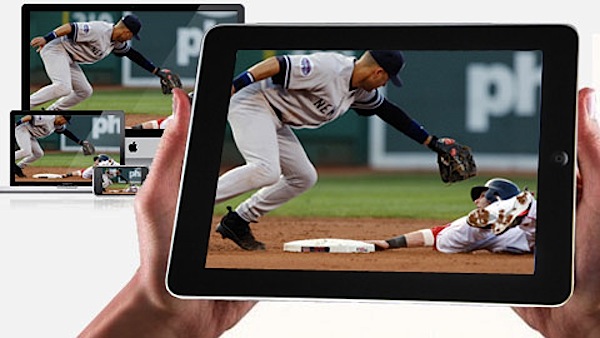
Commissioned by the BBC, InSites Consulting surveyed more than 3,600 digital device owners in Australia, Singapore, India, the United Arab Emirates, South Africa, Poland, Germany, France and the US to determine the growing impact of television, smartphones, tablets and laptops on information consumption habits.
From its results it is clear that for 66% of the world's population, traditional television remains the main source of information.
The screen as the center of the home occupies 42% of the total time that users spend getting information. Even so, the consumption of information through laptops (29%), mobile phones (18%) and tablets (10%) increases gradually and seems to be confirmed as a complementary option, because 43% of the owners of these terminals claim to have increased their television consumption in parallel.
This 43% of those surveyed claim to consume more television than they did five years ago, and the majority claim to do so with their tablets.
La encuesta demuestra que, en lugar de competir, las diferentes plataformas se complementan. Los teléfonos inteligentes y los laptops son más populares a lo largo de la jornada, alcanzando su máximo uso sobre la una de la tarde. En cambio, la televisión recoge el testigo a partir de las cinco de la tarde con un pico alrededor de las siete donde su consumo es un un 50% superior a la de cualquier otro dispositivo.
La encuesta también ha demostrado que, en situaciones de noticias de última hora, los usuarios recurren a la televisión como su dispositivo principal (42%), y en su mayoría (66%) complementan con Internet para investigar las historias más.
Jim Egan, director general de BBC Global News reconoce que “aunque se ha especulado durante años sobre el impacto negativo que los teléfonos inteligentes, portátiles y tablets tendrían sobre televisión, este estudio ha demostrado que los cuatro dispositivos funcionan realmente bien juntos, lo que resulta en un mayor consumo global en lugar de tener un efecto de canibalización”.
El estudio para la BBC deja constancia del uso en tándem que de los diferentes dispositivos hacen los usuarios. De hecho, hasta un 83% de los usuarios de tabletas aseguran que las utilizan mientras ve la televisión.
En cuanto al impacto publicitario, los usuarios esperan recibir impactos casi por igual en cualquier dispositivo (87% en televisión, 84% en smartphone, 84% online y 79% en tableta).
Did you like this article?
Subscribe to our NEWSLETTER and you won't miss anything.
Related articles
 74% of sports content consumers access exclusively from mobile devices
 Adobe Firefly brings generative AI to mobile devices with a new app
 RTVE updates its news application for mobile devices
 After 22 consecutive quarters of growth, consumption on mobile devices remains stable
 Mobile devices attract the most viewers in global AVOD services
 Mobile devices now account for more than half of online video views
 Video consumption from mobile devices continues to rise unstoppably
 The increase in smart devices, mobile video and 4G networks will multiply global mobile data traffic by 8
 Content consumption through mobile devices increases by 25% in summer
 InStream Mobile: Low Latency HD Video for Mobile Devices
 Samsung is committed to greater interaction between televisions and mobile devices
 Ant3.0, the world's first application that unites live television with mobile devices
 RTVE carries out a study on the use of mobile devices in children
 Eight out of ten videos played on mobile media are viewed on Apple devices