





DPA microphones collect the sounds of the jungle
El investigador italiano David Monacchi produce un proyecto audio artístico ambiental en grandes bosques, capturando el sonido de la naturaleza con los micros 4060 de DPA Microphones.
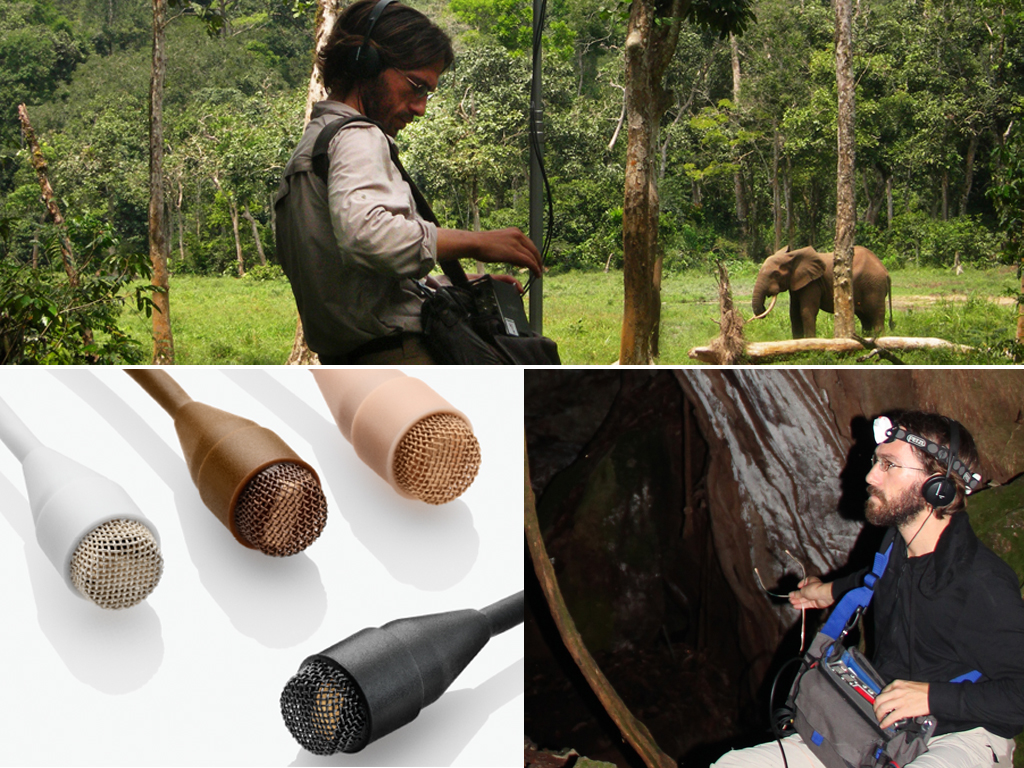
David Monacchi, un investigador y compositor eco-acústico, ha usado los micrófonos omnidireccionales en miniatura 4060 de DPA Microphones para capturar el sonido de la selva como parte de su proyecto de audio artístico ambiental titulado Fragments of Extinction (Fragmentos de extinción).
Monacchi es professor de música eletroacústica en el Conservatório G. Rossini en (Italia) y colabora con varias instituciones en este proyecto que se desarrolla en algunas de las más grandes y remotas áreas boscosas del mundo. “Utilizo varias técnicas de microfonía en campo, las cuales en su mayoría significan complejos y pesados sistemas.
Los micros en miniatura de DPA son extremadamente ligeros, lo que los hace muy compatibles con el trabajo en campo en el cual tengo que caminar largas distancias en terrenos extremos”, ha asegurado Monacchi.
El investigador cuenta con dos micros 4060 de alta sensibilidad con accesorios de DPA. “Los micros 4060 son tan pequeños, que se colan en cualquier posición, pudiéndose utilizar para grabaciones binaurales. Cuando los utilizo así, dan óptimos resultados ya que sus dimensiones son perfectamente adecuadas para que se dispongan en la entrada del canal auditivo”, afirma.
Originalmente proyectados para su uso en sistemas inalámbricos en teatros, televisión y aplicaciones en instrumentos, los micros 4060 de DPA tienen una alta precisión de patrón omnidireccional y no precisan ser dirigidos directamente a la fuente de sonido para lograr un sonido de gran calidad.
Monacchi afirma que “considerando su dimensión, la relación señal-ruido de esas cápsulas es extremadamente alta, siendo compatible con biófonos de baja intensidad y fuentes de sonido distantes. Además de eso, el micrófono extiende la respuesta de alta frecuencia en torno a los 40kHz., siendo ideales para la grabación no audible de biofonía como es el caso de algunas especies de insectos y murciélagos”.
Este investigador viajó recientemente a Asia, en la Isla de Borneo, y anteriormente visitó los bosques más remotos del Amazonas y África.
“El proyecto cuenta con colaboradores de Greenpeace, de varias instituciones académicas y de organizaciones en todo el mundo. El objetivo es recoger datos de sonidos y retratos sonoros complejos de uno de los más antiguos ecosistemas en la Tierra, muchos de los cuales están en peligro de extinción”, ha destacado.
Did you like this article?
Subscribe to our NEWSLETTER and you won't miss anything.
Related articles
 Thomas Rex Beverly records the sounds of Patagonia with Sennheiser
 TikTok and the law of the jungle: keys for television and production companies
 DPA microphones captured the sound in 'Mad Max: Fury Road'
 The DPA microphones recorded the dialogues of 'Guardians of the Galaxy' camouflaged
 DPA Microphones and Wisycom collect the audio of the reality show 'Rising Star'
 DPA debuts its new d:fine 66 and 88 headset microphones at NAMM
 DPA lavaliers capture a unique sound in 'Les Miserables'
 DPA will show its latest broadcast microphones at IBC
 ‘I’m a Celebrity… Get me Out Here…!’ or the challenge of a live show in the middle of the jungle
 Antena 3 newscasts use DPA miniature microphones
 Antena 3 chooses DPA microphones in its news
 New microphones for DPA broadcast environments
 Map of the sounds of Tokyo, with RED and Mistika
 DPA will present two new microphones at IBC