





Thomas Rex Beverly records the sounds of Patagonia with Sennheiser
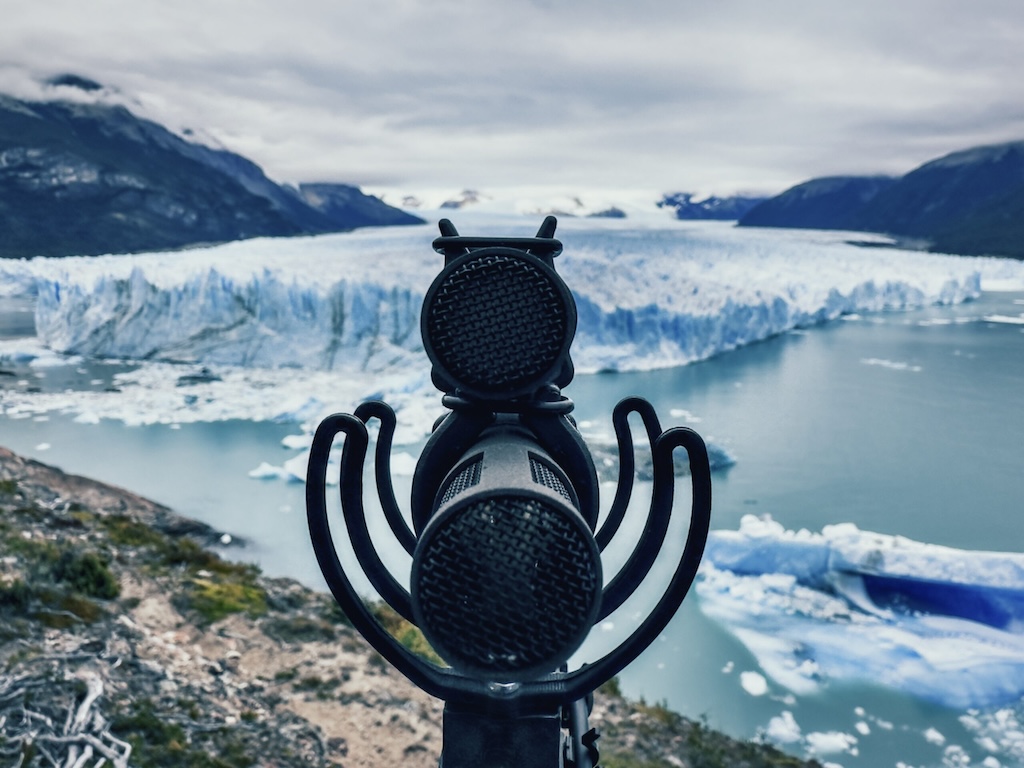
El técnico de sonido de aventura Thomas Rex Beverly recorre la Patagonia captando los sonidos de la naturaleza con ayuda de microfonía de Sennheiser como los MKH 8020, MKH 8040 o el último micrófono en forma de 8 MKH 8030.
Beverly ha recopilado alrededor de un centenar de bibliotecas de sonidos que ofrecen una sorprendente selección de sonidos del mundo natural. Las bibliotecas de sonidos de Beverly son utilizadas por ganadores de premios Oscar, Emmy y Globos de Oro para importantes proyectos de cine, televisión y videojuegos.
Como dijo Tim Farrell, diseñador de sonido y editor de efectos de sonido ganador de un Emmy (Star Trek: Picard, Antman: Quantumania, Obi-Wan Kenobi, The Walking Dead, Crash), “los sonidos únicos y bien grabados de Thomas me han ayudado a crear el universo sonoro de Star Trek”.
Ahora en su expedición a la Patagonia, Beverly reconoce que está sorprendido con “el impresionante paisaje de la Patagonia, con sus amplios espacios abiertos, montañas gigantescas y un clima muy salvaje, me ha cautivado profundamente. Allí abajo hay un ecosistema asombroso”.
Para la expedición a la Patagonia, Beverly preparó una variedad de equipos para exteriores, ocho grabadoras, ocho equipos de micrófonos adaptados a diversas necesidades de grabación y duraciones de sesión, hidrófonos caseros, cámaras, tarjetas SD, algunos juegos de auriculares Sennheiser HD 280 PRO y varios juegos de baterías.
“Cuando viajo en avión, hay una restricción en el tamaño de batería permitido, generalmente alrededor de 100 vatios-hora, lo que afecta directamente la cantidad de sesiones de grabación que puedo realizar. Mi configuración de micrófonos incluye opciones de alta calidad como los Sennheiser MKH 8020 y MKH 8040, alimentados por fantasmas de 48 V, junto con alimentación fantasma de 24 V y micrófonos enchufables para mis equipos de caída libre”, detalla. Beverly también probó el último micrófono en forma de 8 MKH 8030 de Sennheiser durante este viaje.
Thomas y su colega Andy, que lo acompañó en esta expedición, instalaron su campamento base en El Chaltén, conocida como la capital nacional del trekking en Argentina y el punto de partida de varios senderos que rodean los picos del Cerro Torre y el Monte Fitz Roy.
Hicieron caminatas de un día y campamentos nocturnos durante un total de 12 días, explorando y grabando los sonidos de la región. Beverly explica: “Pasas de paisajes desérticos extremadamente secos con cactus, guanacos y arbustos a árboles de 30 metros, a árboles alpinos más pequeños, a musgo, a montañas gigantes, a la capa de hielo, todo en un lapso de quizás 16 kilómetros”.
Grabación de vientos aulladores
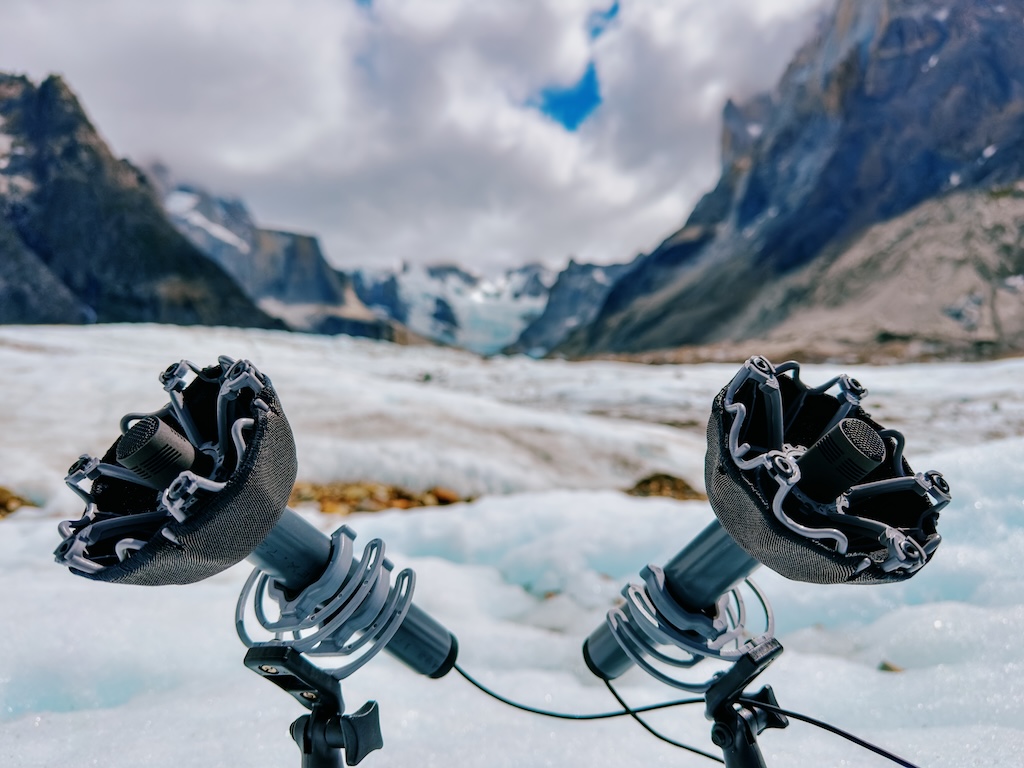
Cuando los vendavales con fuerza de huracán atravesaron El Chaltén, Beverly tuvo la oportunidad perfecta para grabar sonidos de vientos extremos. “Una de las mejores maneras de grabar vientos aulladores y silbantes es captando cables de alta tensión que resuenan con el viento o el sonido de ventanas que se rompen cuando el viento sopla a 130 kilómetros por hora. Estos producen silbidos muy melódicos que a los editores de sonido les encanta utilizar en escenas de películas”.
Durante los primeros días, Beverly se aventuró a realizar caminatas más cortas para experimentar con el micrófono MKH 8030 esperando grabar vida silvestre como periquitos australes, búhos pigmeos australes, pájaros carpinteros de Magallanes grandes, guanacos y pumas andinos. Beverly bromea diciendo que, cuando se trataba de pumas, definitivamente no quería atraer la atención, por lo que utilizó algunos de sus equipos de micrófonos de “caída libre”, que grabaron hasta siete días por sí solos.
“Cuando intento conseguir sonidos de la vida silvestre, me gusta colocar mi equipo de manera que pueda grabar vida silvestre aislada que, con suerte, se acercará mucho a los micrófonos”, explica Beverly. “Cuando los periquitos australianos pasan volando muy cerca, suena como un pequeño avión de combate que pasa zumbando. Cuando aterrizan a centímetros de los micrófonos, el zumbido de sus alas al aletear es como si un dragón de Juego de Tronos aterrizara”.
 Aventura de mochileros
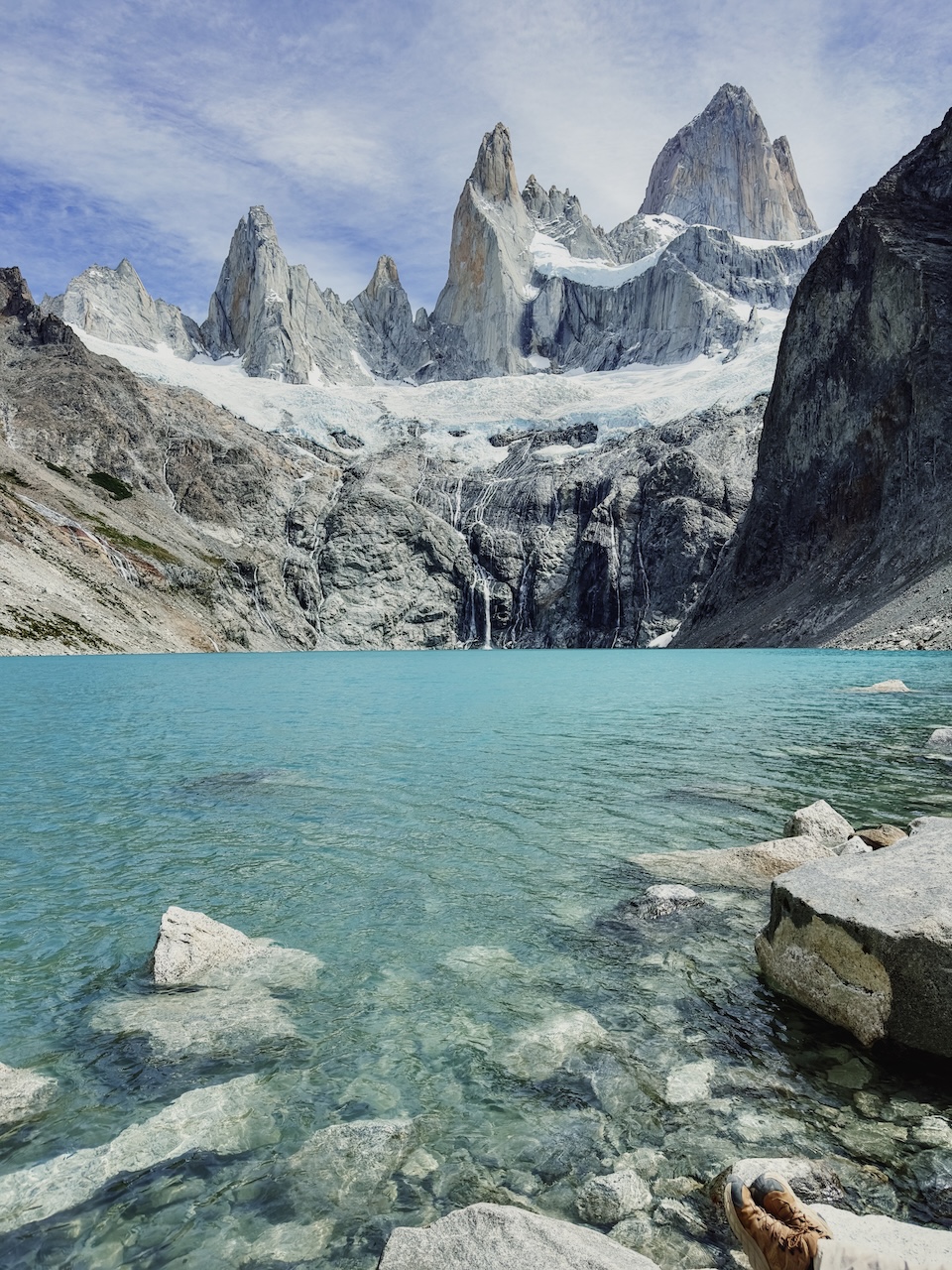
Después de grabar en El Chaltén, Beverly, su amigo, un guía de montañismo especialmente contratado y un porteador se embarcaron en un viaje de mochileros de cuatro días al glaciar Torre. Un cruce de río marcaba el punto que separaba a los excursionistas de los escaladores, quienes cruzaban el río para llegar a los picos gigantes.
Más allá del río, el equipo se encontró en un bosque compuesto enteramente de lengas. “La mayoría de estos árboles son muy viejos y altos, protegidos en el valle de los fuertes vientos”, dice Beverly. “Curiosamente, la lenga tiene hojas muy pequeñas que no vibran, como un árbol caducifolio típico. En cambio, toda la rama se mueve, más como un árbol conífero de agujas largas. Es un sonido muy relajante cuando el viento tiene una velocidad baja, pero tiene un rugido increíble cuando llegan fuertes ráfagas de viento”.
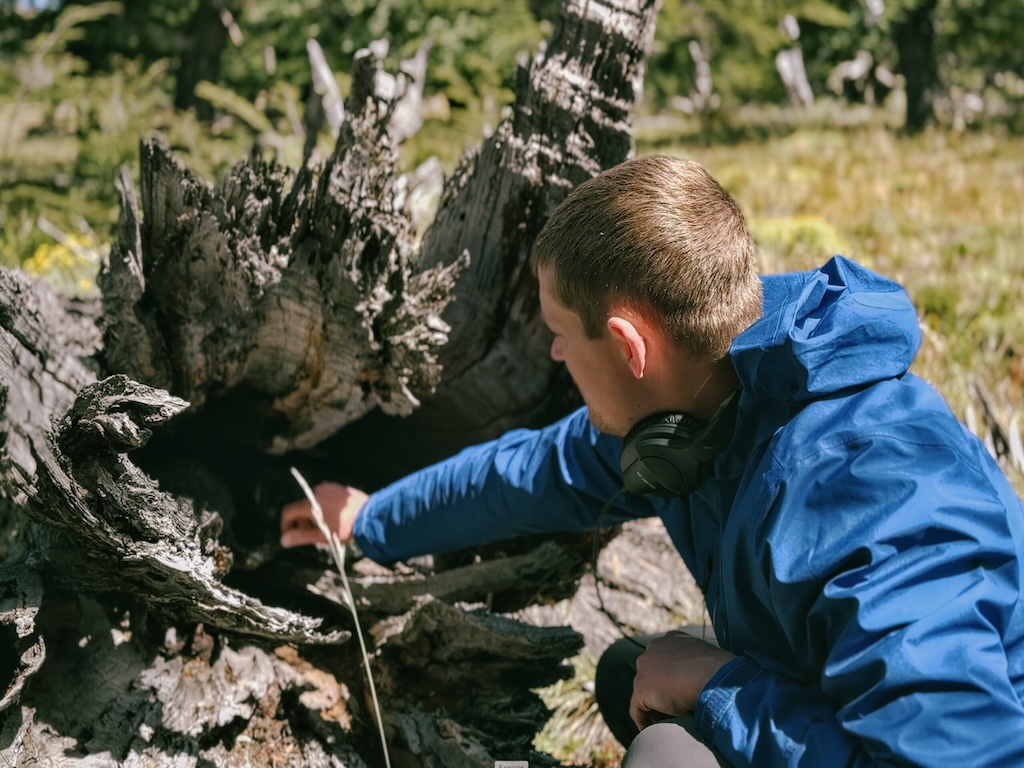
Uno de los sonidos más cautivadores que grabó fue el de la lluvia dentro de un tronco hueco gigante de lenga, al que Beverly llama cariñosamente el “chelo del bosque”. “El tronco añade un carácter único al permitirte escuchar la lluvia tanto afuera como a través de la madera”, dice. “Tienes que encontrar un tronco muy desgastado con una fina capa de madera alrededor del agujero y grandes copos desprendiéndose. Esto crea un sonido de lluvia cromático que es relajante, con una textura amaderada, que suena como un chapoteo y un tictac, lo que da como resultado una hermosa melodía de lluvia”.
Una noche, mientras estaban acampando, tuvieron una experiencia verdaderamente única. “Los fuertes vientos eran muy intermitentes y, a veces, se detenían por completo entre ráfagas. La calma entre ráfagas te hacía sentir como si estuvieras en el ojo del huracán. Entonces podías poner la mano o la oreja sobre la tierra y sentirla vibrar. Podías sentir el viento que se acercaba porque el sonido viaja más rápido a través del suelo denso que a través del aire. Esa fue la primera vez que experimenté el rugido atronador del viento que atravesaba la tierra antes de que llegara en olas gigantescas”, afirma Beverly.
Beverly señala que grabar el viento siempre es un desafío, la pregunta clave es cómo capturar todos los detalles en medio del ruido. “A veces, el viento puede convertirse en un rugido, así que mucho de lo que estaba haciendo era conseguir una mezcla de la potencia de ese rugido, pero también de los detalles de cerca, ya sean las hojas susurrando, los sonidos del toldo o una rama crujiendo con un gemido siniestro y espeluznante cuando pasa el viento”, explica.
Beverly utilizó los Sennheiser MKH 8040 para capturar esta experiencia única, eligiendo estos micrófonos porque “puedo montarlos en una configuración ORTF que es compacta pero que aún conserva una imagen estéreo amplia e inmersiva. Se obtiene una fuerte sensación de movimiento a través de la imagen estéreo a medida que el viento sopla. Los MKH 8040 fueron perfectos para capturar eso”, agrega.
Grabación de sonidos glaciares
El glaciar Torre, al que finalmente llegó el equipo, se ha retirado significativamente hacia el valle en los últimos diez años. Siguiendo a su guía de montañismo, llegaron a un lugar donde los icebergs se estaban desprendiendo del glaciar y luego quedaron atrapados por las rocas en un área pequeña.
“Pude arrojar algunos hidrófonos a la parte del lago llena de icebergs, capturando el sonido de ellos moviéndose y derritiéndose”, explica. “Descubrí que los icebergs aquí, confinados en un espacio tan pequeño, producían más sonidos chirriantes y crujientes. Reveló sonidos que no sabía que existían. Una noche llovió mucho, así que los hidrófonos también captaron la lluvia submarina”.
“Cuando escuché por primera vez estas grabaciones, pensé que eran horribles; suenan terribles a velocidad normal. Sin embargo, cuando se reduce el tono dos octavas, de 192 kHz a 48 kHz, ocurre magia. La forma en que las gotas de lluvia golpean el agua hace que la lluvia sea mucho más ultrasónica, lo que hace que suene silbante y penetrante a velocidad normal. Pero cuando se reduce la velocidad, suena increíble. La mayoría de estas grabaciones se realizaron en una laguna glaciar en condiciones extrañas. Todos los icebergs se agruparon y se frotaron entre sí debido a una península rocosa que permitió que pasara un poco de agua, pero mantuvo a los icebergs confinados. Los icebergs eran tan densos que no había suficiente espacio para que el viento creara olas. Los vientos salvajes de la Patagonia azotaron los icebergs, pero todo lo que pudieron hacer fue frotarse entre sí. Crujieron, gimieron, ronronearon, gruñeron y crepitaron. Al añadir lluvia a la mezcla se creó un paisaje sonoro meteorológico asombroso en el que los crujidos de los icebergs y los chirridos de las burbujas reemplazaron los emotivos crujidos de las ramas y el canto de los pájaros de un bosque real en medio de una tormenta”.
Beverly recuerda un momento impactante en el que, después de dejar uno de sus equipos de grabación en una cueva de hielo durante dos días, regresó y descubrió que toda la cueva se había derretido. “Es bastante sorprendente presenciar el rápido ritmo al que se están derritiendo los glaciares”, admite. “Este caso en particular fue bastante revelador”.
Rodeado por el majestuoso valle, con el monte Fitz Roy de un lado, el Cerro Torre del otro y la inmensa capa de hielo detrás, Beverly reflexiona sobre el imponente ecosistema de la Patagonia. “La combinación de imponentes montañas, valles profundos y la extensa capa de hielo crea un entorno verdaderamente único”, dice. “Es un lugar lleno de una belleza incomparable y sonidos únicos que resuenan con una pureza y una grandeza que simplemente no se puede encontrar en ningún otro lugar”.
“La expedición a la Patagonia ha sido una experiencia extraordinaria, que no solo me desafió a explorar nuevos territorios, sino que también me permitió descubrir sonidos que nunca supe que existían. Cada viaje es único y este, con su mezcla de desafíos, momentos increíbles y ecosistemas fascinantes, destaca como verdaderamente inolvidable”.
https://www.youtube.com/watch?v=FqDJGx_xulo
Did you like this article?
Subscribe to our NEWSLETTER and you won't miss anything.
Related articles
 The collaborative platform elevate.io incorporates the Epidemic Sound music and sound bank
 FreeLens TV records the reality show 'Take Off' with a workflow of Blackmagic cameras
 Cogent records his conferences with AJA's Helo Plus for posterity
 Sennheiser MKHs help George Vlad capture sounds from extreme locations
 The Mediapro Studio and Vice Studios will co-produce ‘El Acantilado’ in Patagonia
 Great White records its latest video clip in 4K with the JVC GY-LS300
 Ramiro Civita achieves the best portrait of Patagonia with ARRI Alexa in 'The Winter'
 DPA microphones collect the sounds of the jungle
 TV3 records 'Geronimo Stilton, the Musical' in 3D
 Savitel Doc records 'Doñana, the four seasons'
 'The Protected', the first series in the world to be recorded in 3D
 Cycle records its new video clip with a Canon EOS 5D MKII
 The Dance of Victory, Gordos and Map of the Sounds of Tokyo, pre-candidates for the Oscars and the Ariel Awards
 Map of the sounds of Tokyo, with RED and Mistika