





FreeLens TV records the reality show 'Take Off' with a workflow of Blackmagic cameras
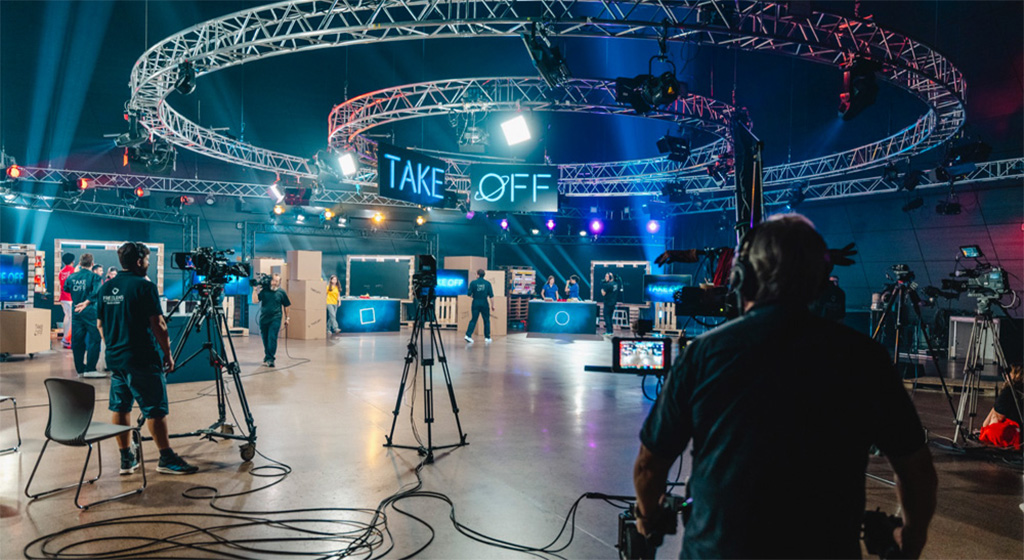
A wide selection of solutions Blackmagic, entre las que se suman cámaras, mezcladores o el software de postproducción DaVinci, han permitido a la productora FreeLens TV dar forma a ‘Take Off’, un nuevo concepto de reality show basado en el mundo de la ciencia y la innovación.
Take Off comes to RTL Luxemburgo combinando ciencia e innovación con el mundo de la telerrealidad y los concursos. El programa enfrenta a 12 participantes entre sí en una serie de desafíos, los cuales culminan en una gran final.
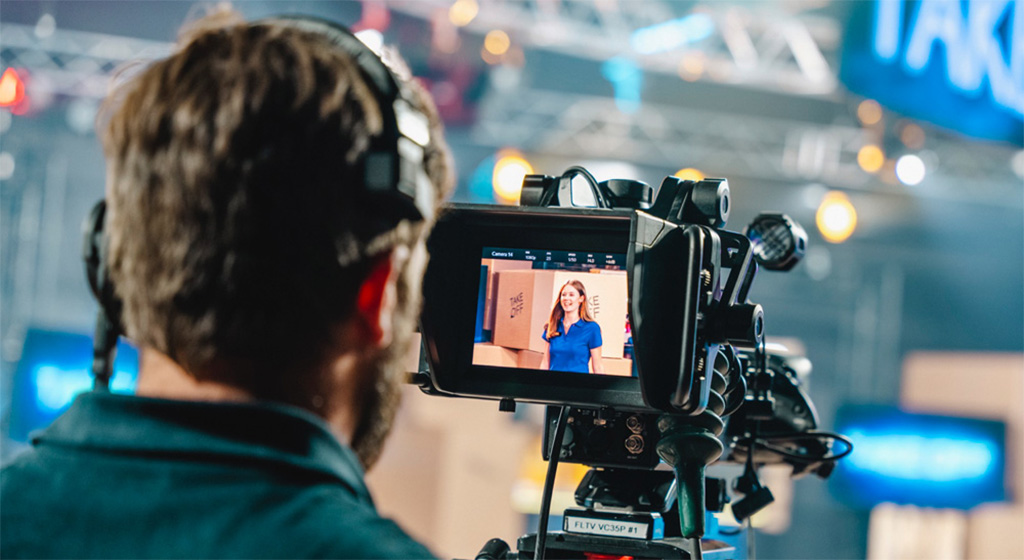 Tal y como relata Yann Figuet of FreeLens TV, productora detrás del show, el uso de equipos de Blackmagic Design ha sido “fundamental” para lograr su objetivo de implementar un flujo de trabajo multicámara en directo. Para la captura de imágenes, FreeLens TV empleó una combinación de unidades Blackmagic URSA Mini Pro 4.6K G2 y Blackmagic Micro Studio Camera 4K, potenciadas por una serie de cámaras PTZ: “Al transmitir en HD, combinamos los modelos URSA Mini con distintos objetivos B4 y añadimos a cada unidad un dispositivo Blackmagic Fiber Converter, lo que brinda una señal de retorno al operador, además de ofrecer control de cámaras, sistema de comunicación y luz indicadora”.
 Los elementos de la producción virtual, dinamizados por Unreal Engine, optimizaron aún más la experiencia del espectador, como explica Figue: “Nuestro objetivo es educar e incluir al público en el show mediante una narrativa inmersiva. Al emplear Unreal Engine junto con la tecnología de Blackmagic Design, tuvimos la posibilidad de integrar sin problema alguno virtual elements en nuestras producciones en directo, lo que potencia el valor educativo del programa”.
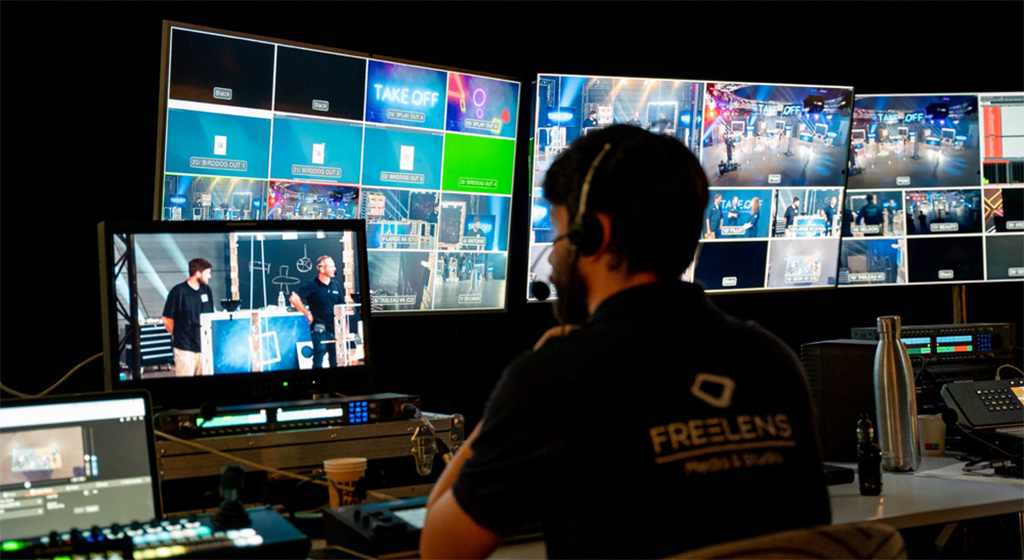
Asimismo, fue posible gestionar las distintas señales de las cámaras, incluidas las de grabaciones aisladas y las de la producción de la transmisión por Internet, gracias al uso de varios dispositivos HyperDeck Studio 4K Pro y Videohub 40×40 12G: “A fin de distribuir las diferentes señales, se emplearon un par de matrices Videohub 40×40 12G. Una se asignó a las entradas y salidas del modelo ATEM Constellation 8K, con una matriz adicional responsable de las señales para los 43 grabadores de señales aisladas”. Finalmente, la señal montada en directo se volvió a procesar en DaVinci Resolve Studio a fin de llevar a cabo la edición multicámara y la finalización de las imágenes.
https://youtu.be/U77CMCxc0D0
Did you like this article?
Subscribe to our NEWSLETTER and you won't miss anything.
Related articles
 Japanese production company ROM records a Green Da Ka Ra spot with Blackmagic Pyxis 6K
 Hitsujibungaku records his latest video clip with Blackmagic Camera for iPhone
 Coachella Festival 2024: streaming of their concerts with a Blackmagic workflow
 J Sports standardizes a 100% Blackmagic on-demand broadcast workflow
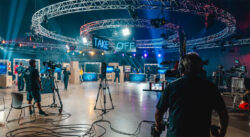 FreeLens TV shoots reality show ‘Take Off’ with a Blackmagic camera workflow
 The WUC launches three television studios with a workflow based on Blackmagic
 Adelaide Fringe records part of its programming with the Blackmagic Studio Camera 4K Plus
 SensaCine records its last interview with Pedro Almodóvar with Blackmagic cameras
 Ed Sheeran records a virtual concert with Blackmagic URSA Mini Pro 12K cameras
 'Judge Jerry' is recorded in virtual environments with Blackmagic Design technology
 UpHill Cinema shoots the documentary 'Grant Victor Cares' with Blackmagic Design's URSA Mini Pro 12K
 Talpa produces the reality show 'Newtopia' in Germany with Sony PTZ cameras
 Area 51 deploys JVC GY-HM890 cameras with IP connectivity for an Endemol reality show
 Panasonic PTZ remote cameras in the new ABC reality show