





Cisco Connect 2013: tomorrow starts here
Cisco ha reunido en Madrid a más de 1.200 profesionales para intercambiar impresiones sobre cómo será un mundo marcado por el Internet de las cosas y el big data. De aquí a tres años, 1,2 millones de minutos de vídeo cruzarán Internet, mientras que el cloud soportará el 62% de las cargas de trabajo. Aunque sólo hoy el 1% de las cosas están conectada a Internet, el 2016 habrá 19.000 millones de dispositivos con una dirección IP. Sin duda, todo un mundo apasionante que despierta inquietudes pero que, a la par, prevé nuevos negocios en los que Cisco quiere participar junto a partners y clientes.
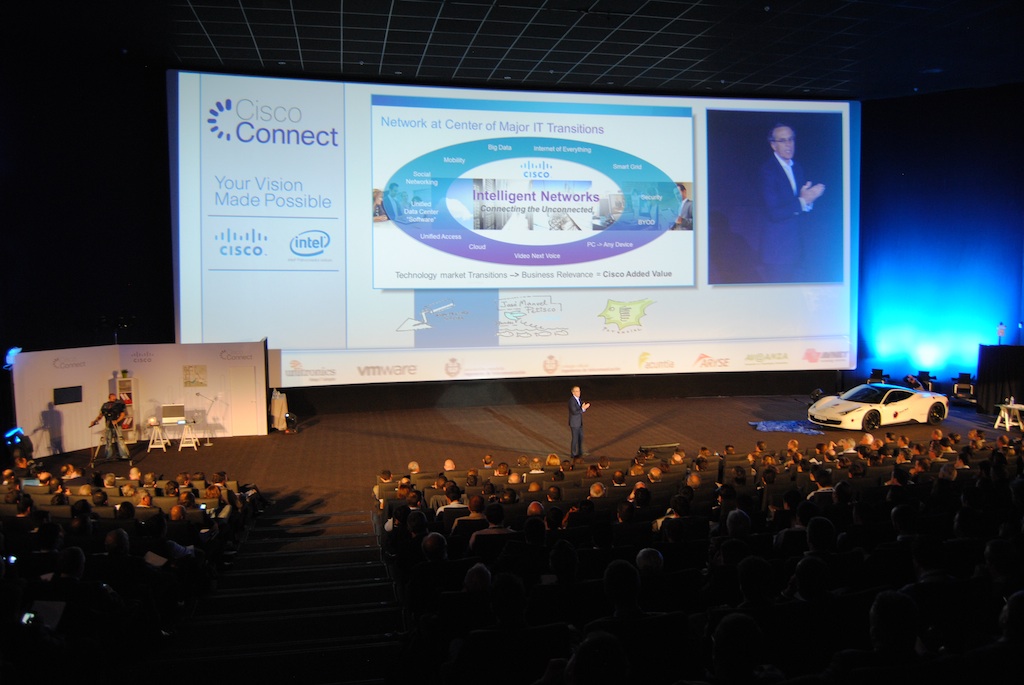
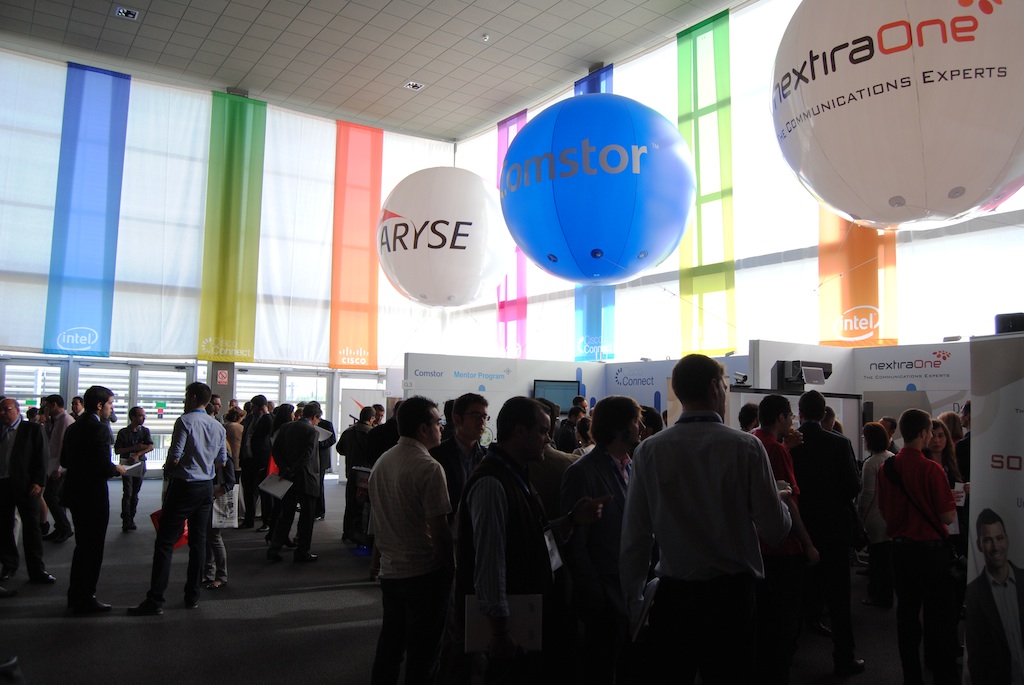
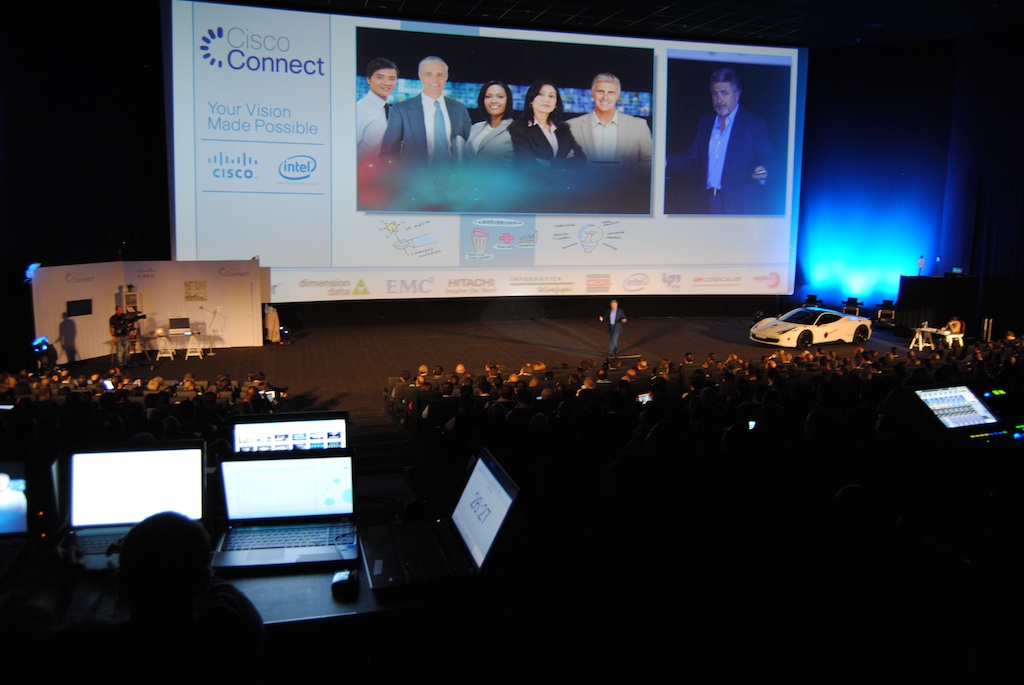
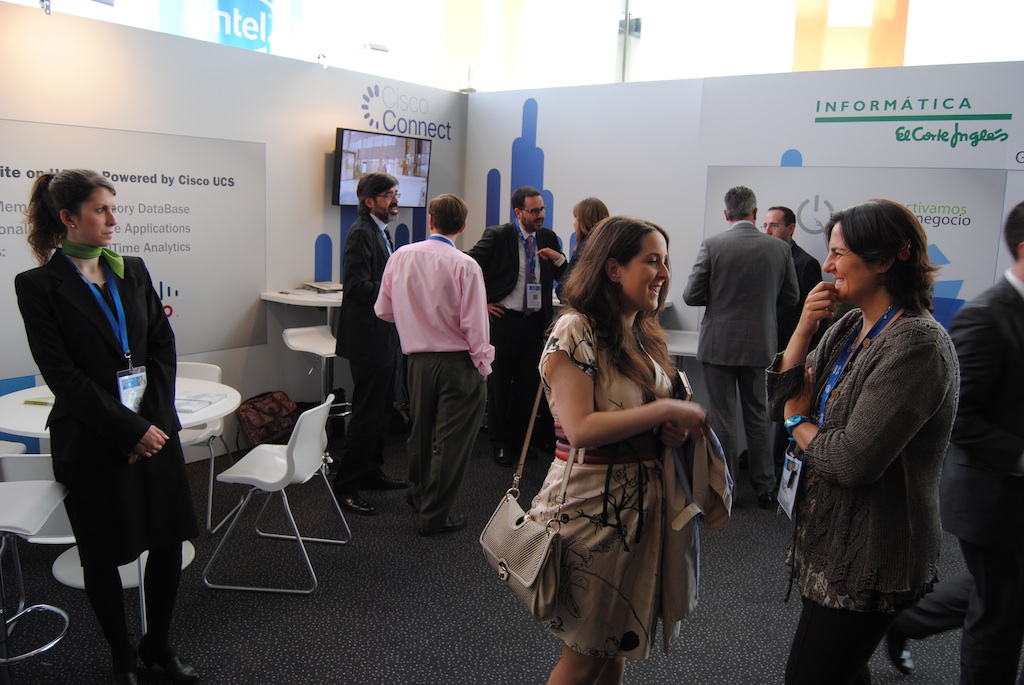
Bajo el eslógan Tomorrow Starts Here, el complejo Kinépolis en Madrid ha acogido este jueves Cisco Connect 2013, un evento organizado por Cisco, with the collaboration of Intel, en el que más de 1.200 profesionales han podido compartir sus experiencias e intentar dilucidar como será un futuro marcado por el Internet de las cosas y el big data.
Aunque sólo un 1% de las cosas están conectadas a Internet hoy, en 2016 serán ya más de 19.000 millones de dispositivos, y cuatro años más tarde esta cifra podría alcanzar los 50.000 millones. Y es que, según ha quedado de manifiesto en Cisco Connect 2013, el Internet de las cosas podría mover 11 billones de euros en diez años.
Uno de los aspectos que mayor crecimiento experimentará será el intercambio y distribución de vídeo a través de muchos de estos dispositivos. 1,2 millones de minutos de vídeo cruzarán Internet cada segundo en 2016, contribuyendo a que el tráfico global de datos en Internet aumente en 13 veces de aquí a 2017 (llegando a multiplicar por 40 el tráfico 4G en estos años).
En cuanto al cloud, la nube soportará el 62% de las cargas de trabajo. El tráfico global de datos móviles aumentará 13 veces entre 2012 y 2017. Según algunos estudios, el 60% de los CIO, muchos de estos reunidos en este evento, esperan mejorar la toma de decisiones gracias al big data.
José Manuel Petisco, director general de Cisco, ha abierto esta jornada poniendo sobre la mesa una interesante prospección del Boston Institute que viene a demostrar que la economía Internet contribuye en 2,3 trillones americanos a la economía global del G20. De hecho, si la economía de Internet fuera un país sería la quinta potencia mundial.
 En relación al nuevo entorno de Internet of Everything, Petisco ha afirmado que “si hemos sido capaces de evolucionar en voz, datos y vídeo, ahora queremos que todos los dispositivos los llevemos hacia la nube para manejar todos esos datos de una forma inteligente para nuestros negocios. El Internet de las cosas es una oportunidad enorme para todos y transformará mercados como la energía, la sanidad, el transporte,…”
“De cliente-servidor hemos pasado a una infraestructura mobile cloud para acceder a aplicaciones profesionales o personales que estarán en cloud. Podríamos decir que hemos pasado de la web economy a la app economy. Y Cisco va a abrir su red a partners y clientes para que puedan desarrollar aplicaciones sobre ella”, ha afirmado Petisco.
Para el director de Cisco en España, “la red inteligente a través de las diferentes infraestructuras de Cisco estará en el centro de este cambio que conllevará el Big Data, acceso unificado, BYOD, social networking, data center unificado, la próxima generación de video-voice, seguridad…” Para ello, sólo en 2012, Cisco invirtió 6.000 millones de dólares en I+D, sobre una facturación de 48.000 de facturación.
Por su parte, Laureano González, managing director de Cisco, ha afirmado que “el futuro no tiene límites. Personas, Datos y personas podrán estar conectados a Internet bajo el protocolo IPv6”. González ha recordado cómo han cambiado las cosas desde que naciera Internet en 1969 uniendo centros de universitarios de California con la Universidad de Utah (ARPANet) con apenas unos kilobytes de intercambio de información. Hoy, cada día, sólo por sistemas de mensajería a través de móvil, se generan más de 41.000 millones de mensajes .
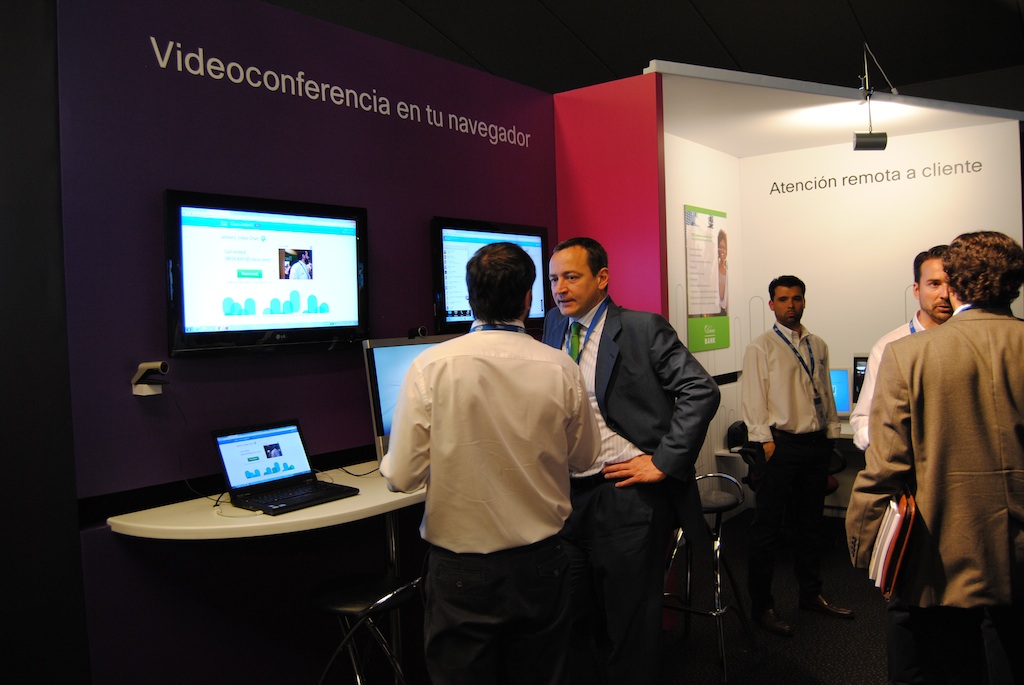 Gracias a la tecnología como las reuniones virtuales con WebEx, la comunicación en tiempo real con Jabber y la colaboración social con WebEx Social, Cisco ha entendido que Internet suponía una revolución social y económica de la que quizás aún no somos muy conscientes.
“En quince años hemos pasado 0 a 21 Exabytes de vídeo por mes y 1,6 de datos móviles. En los próximos cuatro años,se multiplicará por 2,5 el tráfico de vídeo y por 7 los datos móviles. Y todo eso teniendo en cuenta que el 99% de las cosas está todavía por conectar a Internet”, ha asegurado González.
New business opportunities
Nos enfrentamos ante una nueva era en la que el dispositivo va con el usuario, sin que éste tenga que desplazarse. En Cisco Connect 2013, ha quedado patente que será una era de los dispositivos y un Internet de todas las cosas, procesos, datos y personas.
Los dispositivos físicos y objetos estará conectados entre ellos y a Internet para la toma de decisiones inteligentes con procesos que proporcionen información correcta a personas o máquinas. Y en este nuevo entorno, ¿cuánto está en juego? Cisco estima que en los próximos diez años se generarán 14,4 trillones de dólares de beneficios procedentes de un ahorro de costes y generación de nuevos negocios (únicamente en corporaciones privadas, sin considerar consumo ni administración pública). Este valor fluirá entre compañías, principalmente entre aquellas que mejor manejen el internet de las cosas. Básicamente el 45% de este valor estará entre máquina y máquina. Mientras que las dos terceras partes del negocio procederán de aplicaciones específicas industriales, la tercera tendrá relación con aplicaciones horizontales
Cisco prevé que el Internet de todas las cosas tendrá el potencial de hacer crecer la rentabilidad de las corporaciones globales una media del 21% para el 2022. para ayudar a sus clientes en estos objetivos, la compañía está inmersa en áreas como energía, industria, B2C, ciudades inteligentes, hogar conectado, seguridad…. desarrollando aplicaciones y operaciones en relación a sensores, conectividad, datos analíticos, gestión, control y un largo etcétera.
Computación
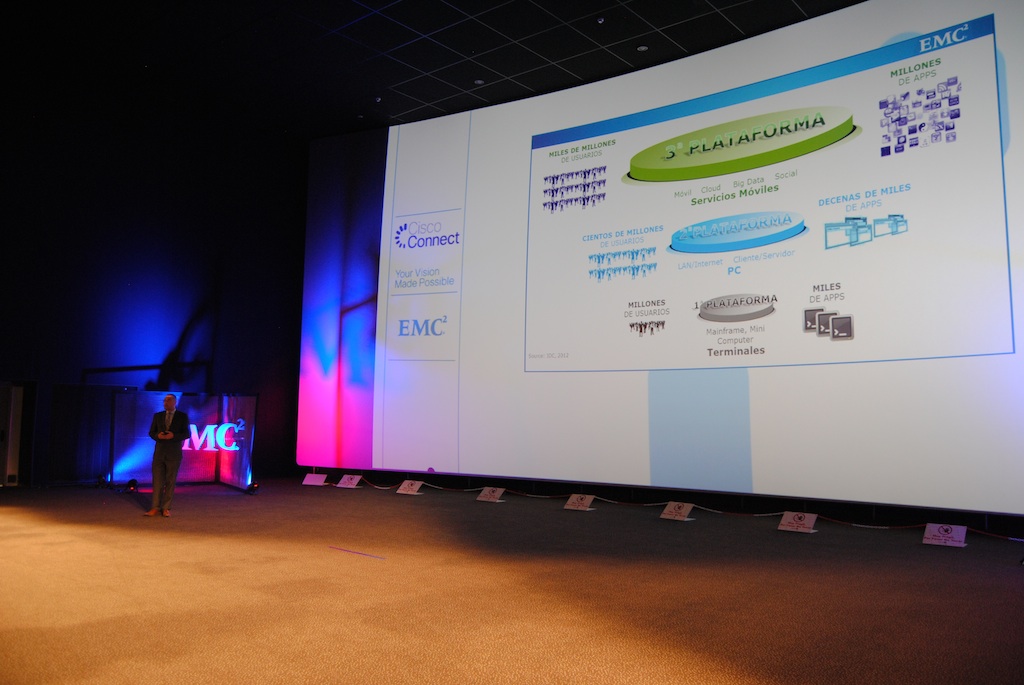
Norberto Mateos, director Regional Sur de Europa en Intel, ha centrado su ponencia en cómo habilitaremos nuevos dispositivos con una mayor funcionalidad y complejidad para controlar más eficientemente energía, coste y tamaño. Incluso, ha llegado a anticipar que a finales de la década podríamos estar alcanzando la computación cuántica.
 “La experiencia en computación consistente y perfecta debe tener en cuenta la compatibilidad, gestionabilidad, seguridad y experiencia personal”, ha asegurado.
Los dispositivos móviles, el Internet de las cosas y servicios conducen a la explosión del centro de datos. “Esto supondrá ocho veces más presión en las redes, 16 veces las capacidades de almacenamiento y 20 veces, las de computación… pero el incremento en el volumen de datos supondrán oportunidades”, ha asegurado Mateos.
La arquitectura de procesadores de Intel mejorará misión crítica, HPC, Big Data, Cloud, Enterprise, SMB, comunicaciones y microservers con procesadores versátiles para un nueva era con centros de datos flexibles y eficientes.
Videoscape Unity: una nueva experiencia multipantalla
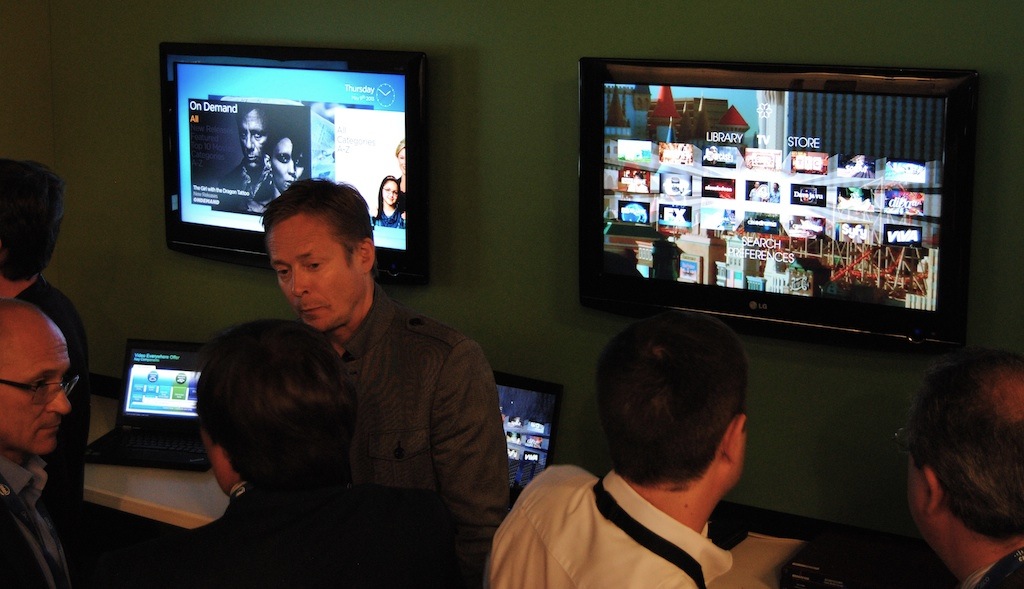
Entre las diferentes soluciones expuesta en el área de exposición de Cisco Connect 2013, destacaba Videoscape Unity, la propuesta de Cisco que pretende conectar emisión, distribución multipantalla y experiencia inmersiva por parte del usuario final…. y todo ello a través de una arquitectura completamente abierta.
Videoscape Unity permite a proveedores de servicios y compañías multimedia proporcionar una nueva experiencia a través de multipantallas de vídeo intuitivas y sincronizadas. La plataforma incluye un grabador de vídeo digital en el Cloud para que los consumidores puedan reiniciar sus grabaciones, acceder a programas antiguos y visualizar los contenidos desde cualquier lugar y sobre cualquier pantalla.
Por primera vez, los operadores de vídeo cuentan con una plataforma de software abierto que va más allá del concepto de ‘Televisión en cualquier parte’, y que les permite ofrecer a sus clientes una experiencia de vídeo inmersiva y multi-pantalla con la que reforzar su oferta de servicios.
Videoscape Unity ofrece Multiscreen Cloud DVR (Digital Video Recorder), que permite la grabación y almacenamiento de vídeo en la Cloud, por lo que los consumidores pueden reiniciar las grabaciones, acceder a programas antiguos y visualizar los contenidos desde cualquier lugar y sobre cualquier pantalla; un entorno de vídeo en cualquier lugar, ampliando el concepto de TV en cualquier lugar mediante funciones de búsqueda, localización y visualización, para que los consumidores puedan disfrutar del contenido en directo y bajo demanda -gestionado o no por los proveedores de servicios- sobre cualquier dispositivo conectado, con independencia de su ubicación; vídeo para todos los dispositivos conectados en el hogar (Cisco Connected Video Gateway funciona como centro de entretenimiento único para la gestión de vídeo IP y QAM, distribuyendo los contenidos y metadatos con facilidad a cualquier dispositivo IP) y vídeo IP por cable, que ofrece a los consumidores una mayor capacidad de elección de contenido y servicios de vídeo IP a través de una mayor gama de dispositivos gestionados por los proveedores de servicios, con la posibilidad de añadir dispositivos adicionales no gestionados.
Videoscape Unity se ha creado integrando Cisco Videoscape con las funcionalidades y el modelo de negocio de NDS, compañía de referencia en software de vídeo y seguridad del contenido adquirida por Cisco en 2012. La nueva plataforma comprende un completo conjunto de componentes de red, Cloud y clientes conectados mediante interfaces abiertos. Estos componentes Cloud y de red facilitan nuevos servicios de vídeo personalizados y permiten sincronizar múltiples pantallas para crear una experiencia única y unificada para los suscriptores, con independencia del dispositivo utilizado.
Did you like this article?
Subscribe to our NEWSLETTER and you won't miss anything.
Related articles
 Fox Sports Argentina (Mediapro) begins to produce its content from Channel 9
 Icíar Bollaín begins filming 'Rosa's Wedding' in the Valencian Community
 Hispasat begins to provide telecommunications services from 74º Oeste
 The Catalan audiovisual sector begins to recover
 Filmin begins to offer offline viewings
 Wuaki.tv begins offering 4K UHD movies in Europe
 Internet of Everything attracts more than 1,900 IT professionals to Cisco Connect 2014
 Cisco Connect 2014 will revolve around the new technologies that will make the Internet of all things possible
 Internet of Everything, networks and cloud will star at Cisco Connect 2014
 Cisco Connect 2013 will bring together the entire information technology sector in Spain
 Shure starts the year with numerous awards
 Viera Connect Platform Redefines the Television Experience at CES 2013
 Triple the number of HD channels in Europe by 2013
 EVS: solutions for today and tomorrow, at IBC'09