





James de Armiñán, Goya of Honor
La Junta Directiva de la Academia acuerda la distinción al realizador y guionista por “una dedicación apasionada al medio cinematográfico desde los años sesenta, la creación de un cine comprometido con su tiempo y el potencial de historias ideadas siempre alejadas de los convencionalismos”.
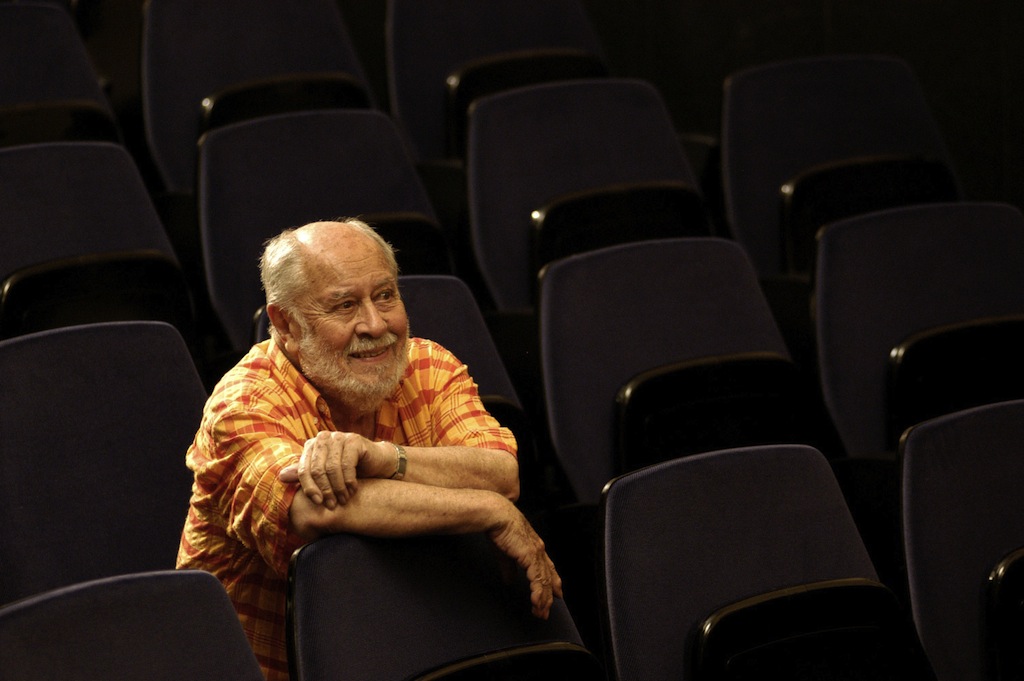
“Con cierta congoja y alegría” Jaime de Armiñán ha recibido la noticia de ser el Goya de Honor 2014 otorgado por la Academia de Cine. “Toca que sea el honorífico porque ya no hacemos cine. Un cineasta nunca se retira, tengo una comedia casi terminada y escribo casi todos los días. Los que son como yo no podemos jubilarnos porque lo hacemos únicamente cuando nos vamos a la triste fosa”, manifestó emocionado.
La calle del Prado en Madrid, colindante a la castiza Plaza Santa Ana y el sagrado Teatro Español, vio nacer en marzo de 1927 a un cineasta singular, lúcido, prolífico y talentoso. Hijo de Luis de Armiñán, periodista en ‘El Heraldo de Madrid’ y de la actriz Carmen Oliver, que alejó sus pasos de la interpretación tras pasar por la vicaría, el pequeño Jaime parecía condenado desde su nacimiento a mezlarse en su trayectoria con el mundo artístico y cultural. Era tan solo un chaval cuando tras una nueva incursión de su madre en el teatro, Jaime de Armiñán se cruzó en su camino con Fernando Fernán Gómez.
Fue un niño de la guerra, tal y como él mismo declaró –“Viví la guerra estando presente en los grandes acontecimientos. Yo tenía siete años y recuerdo que mis padres y yo nos fuimos de Madrid. En el camino nos enteramos de que habían matado a Calvo Sotelo, camino de Vitoria vi cómo caía el avión del general Mola, y en París, siendo mi padre corresponsal de guerra, asistí al término de la II Guerra Mundial. Todo esto me gustaría contarlo en una película. Son muchas las generaciones traumatizadas por la guerra”–. La Guerra Civil la pasó en San Sebastián, estudió Derecho en la capital y en 1957 se lanzó a escribir un libro –Biografía del circo fue considerado por algunos críticos como obra maestra en su género–. Tampoco se le resistieron el periodismo, ya que desde muy joven fue colaborador en revistas como ‘Fotos’ y ‘Dígame’, y la dramaturgia, pues escribió para las tablas piezas como Eva sin manzana –premio Calderón de la Barca en 1953–, Sinfonía acabada, Nuestro fantasma –premio Lope de Vega–, Café del Liceo y Paso a nivel, entre otras.
Pero lo suyo iba a ser el cine. Al contraer matrimonio con la intérprete Elena Santonja, a Jaime de Armiñán se le abrieron las puertas de Televisión Española, casa en la que comenzó escribiendo como ‘negro’ para ella y el espacio ‘Entre nosotras’. No saldría bien aquella experiencia al ser ambos expulsados de la cadena pública al sentirse aludida la esposa de un ministro al oir en televisión que alguien tenía “cara de pera”, pero desde entonces las relaciones del realizador madrileño con TVE serían constantes. Fue el responsable en esa etapa de series como Las doce caras de Juan, Galería de maridos , Tiempo y hora o Fábulas. Escribió mano a mano con Narciso Ibáñez Serrador Historias de la frivolidad, programa especial que ganaría el Gran Premio de Montreux.
Sería su amigo Adolfo Marsillach el que le propusiese para su primera aparición como guionista en unos títulos de crédito cinematográficos –El secreto de Mónica, de José María Forqué (1961)–. A partir de ahí, otros guiones le fueron encargados: La becerrada, Las gemelas, El juego de la verdad, Un tiro por la espalda, Tengo 17 años, Yo he visto la muerte, La muerte viaja demasiado,… hasta debutar en 1969 como director de cine con Carola de día, Carola de noche, filme protagonizado por Pepa Flores y Tony Isbert que contaba una historia tras el triunfo de la revolución, la de la joven y hermosa heredera al trono que abandona su país para salvar su vida.
Tras su opera prima vino La Lola dicen que no vive sola y My dear lady, título que le dio el espaldarazo definitivo. Coescrita y producida por el recientemente desaparecido José Luis Borau, fue nominada para el Oscar de Hollywood, galardón que fue finalmente a las manos de Luis Buñuel, que representaba al país galo con El discreto encanto de la burguesía. Fue esta película la primera que trató en su filmografía sobre los amores heterodoxos –transexualismo, despertar erótico infantil, relaciones amorosas de personajes veteranos,…–, temática que marcaría su carrera con el paso de los años.
Un casto varón español, El amor del capitán Brando, Jo, papá, Nunca es tarde, Al servicio de la mujer española, El nido –con la que volvió a ser nominado al Oscar–, En septiembre, Stico, La hora bruja, Mi general, Al otro lado del túnel y El palomo cojo completan la filmografía de este realizador que destacó por ser extemporáneo a su tiempo y a su cine. 14, Fabian road es su última película como director, en la que dirigió con 81 años a las actrices Ángela Molina, Ana Torrent y la argentina Julieta Cardinali, y por la que pasó por el Festival de Málaga.
Tal y como reza el Diccionario de Cine Español, editado por la Academia de Cine y coordinado por Borau, “un creador personal y respetado que, a finales de los años ochenta regresa con gran éxito a la ficción televisiva a través de dos populares series interpretadas por Paco Rabal: Juncal y Una gloria nacional”. Articulista en ‘El Mundo’ y ‘ABC’, productor junto a Teo Escamilla a través de la compañía Serva Films, Medalla de Oro de las Bellas Artes, padre de dos hijos también dedicados al medio audiovisual –Álvaro y Eduardo– son algunos de los datos que podrían completar la biografía excepcional de este hombre de cine.
Testigo de la historia
Siempre intentó sorprender, por eso hizo que José Luis López Vázquez diera vida a una señora de provincias en Mi querida señorita; narró una relación amorosa entre un maduro Héctor Alterio y una adolescente Ana Torrent en El nido; y puso a Fernando Fernán Gómez el traje de un alto oficial que debe volver a la escuela con sus colegas en Mi general. Siempre audaz, Jaime de Armiñán, que estuvo muy cerca de traerse a casa dos Oscar, viene de la televisión, entró al cine tras haber pasado por la novela y el guión y, como siempre se ha llevado muy bien con los cómicos, disfruta mucho con los actores. Y son muchos los que han pasado por sus manos: Adolfo Marsillach, Fernando Rey, Ana Belén, Marisol, Paco Rabal, Concha Velasco, Carmen Maura, Ámparo Baró, Victoria Abril…
Testigo de la evolución de España y alma de la serie taurina con más solera de la historia de la pequeña pantalla, Juncal, este octogenario y polifácetico cineasta casado con Elena Santonja, pionera de los programas de cocina en televisión –Con las manos en la masa–, también dirigió y escribió 14, Fabian Road, una historia que hoy por hoy es la última película del que también ha sido guionista de las dos películas en las que ha intervenido Isabel Pantoja.
Siempre rodeado de intelectuales, desde pequeño convivió con autores, poetas y toreros, a Armiñán siempre le recuerdan el drama que escribió con José Luis Borau sobre la mujer que descubre ser un hombre, un tema que siempre pensó que no iba a pasar la censura, pero no solo la pasó sino que logró una nominación al Oscar. “Aquí no nos hicieron ni caso. sólo corté tres o cuatro fotogramas de Mónica Randall mientras se desnudaba. Si no hubiera sido porque competíamos con Buñuel, nos hubiéramos llevado el Oscar. Cukor, que hacía de maestro de ceremonias, se quedó tan fascinado con José Luis López Vázquez que no dudó en ofrecerle un papel en Viajes con mi tía”, rememoraba el cineasta cuando se le pedía que recordase aquel acontecimiento.
Did you like this article?
Subscribe to our NEWSLETTER and you won't miss anything.
Related articles
 Gonzalo Suárez will receive the Goya of Honor
 Suma Content resurrects 'My dear Miss', the legendary film by Jaime De Armiñán, in an adaptation for Netflix
 The author and film and television director Jaime de Armiñán dies at the age of 97
 Ángela Molina receives the Goya of Honor in the land of her ancestors
 Pepa Flores, “Marisol”, Goya of Honor 2020
 Chicho Ibáñez Serrador, Goya of Honor 2019
 Marisa Paredes will receive the Goya of Honor 2018
 Mariano Ozores, Goya of Honor 2016
 Antonio Banderas, Goya of Honor 2015
 The Academy reviews the filmography of Armiñán, Goya de Honor 2014
 The Academy awards Jaime de Armiñán the Goya of Honor
 Jaime Maestro wins the Goya for animated short film with a teaching project
 The Academy pays tribute to the Goya of Honor, Josefina Molina
 Mario Camus, Honorary Goya of the Academy