





Sony pretende retomar la senda de los beneficios apostando por el entretenimiento
La multinacional nipona segregará su división de electrónica audiovisual en consumo de su matriz a fin de mejorar su autonomía, gestión y rendimiento financiero.
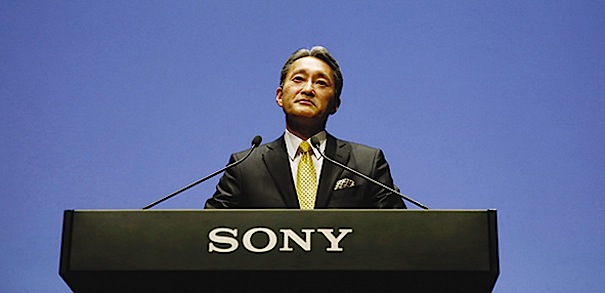
Kazuo Hirai, presidente y CEO de Sony, anunció este jueves que la compañía nipona centrará sus esfuerzos en las divisiones de entretenimiento a fin de recuperar la senda de los beneficios.
Como parte de un un plan estratégico para los próximos tres años, Sony segregará su división de electrónica audiovisual a fin de mejorar su autonomía, gestión y rendimiento financiero esperando superar las pérdidas en las que entró en 2013.
En 2018, la compañía con sede en Tokio tiene como objetivo lograr un índice de rentabilidad financiera (ROE) superior al 10 por ciento y un beneficio operativo de más de 500.000 millones de yenes (3.679 millones de euros).
Para lograr ese objetivo, pondrá especial énfasis en las áreas de videojuegos y servicios en red, música, películas y dispositivos electrónicos, en los que hará “inversiones agresivas de capital”, según adelantó Hirai.
En cuanto a audiovisual, Sony pretende ampliar su oferta de contenidos audiovisuales, tanto a través de la producción y distribución cinematográfica como en televisión e Internet.
En el área de videojuegos, Sony potenciará las posibilidad de interacción en red entre los usuarios de la PlayStation 4.
Como parte del plan estratégico, Sony ha optado separar de la matriz su división de producción de electrónica audiovisual, con vistas a mejorar su autonomía, su capacidad de gestión y rendimiento financiero. La escisión se llevará a cabo el próximo octubre y supone un nuevo paso en el proceso de reestructuración de la compañía, después de que en 2014 se desprendiera de su rama de fabricación de televisores, que estuvo una década en números rojos.
El negocio de electrónica de consumo de Sony ha lastrado su rendimiento durante los últimos años, por lo que la nueva estrategia de la compañía parece finalmente encaminada a solucionar este problema.
Por último, señalar que, entre otros objetivos, la multinacional pondrá en marcha todos los recursos posibles para impulsar el desarrollo de sensores CMOS.
Did you like this article?
Subscribe to our NEWSLETTER and you won't miss anything.
Related articles
 EITB renews its news set and the main Radio Euskadi studio, betting on spectacularity
 Telestream founder Dan Castles returns to take the reins of the company
 ARRI Remote Solutions: the customizable tools that allow production to resume safely
 This is how LaLiga managed to resume live matches without an audience at the hands of Mediapro
 Spanish Television aims to boost Saturday primetime with an entertainment program produced by Veralia
 Sony intends to give new impetus to optical disc storage
 Las industrias culturales lanzan una campaña en favor de retomar un IVA reducido
 Sony aims to speed up live streaming from the camera itself with the new PXW-X400
 Apple estudia retomar su proyecto de televisión a la carta por Internet
 Sony aims to help content owners exploit its value
 JVC Kenwood vuelve a la senda de los resultados positivos
 Sony intends to open a new stage with Kazuo Hirai at the helm
 'La Senda', 56th production to be filmed in Ciudad de la Luz
 Vértice 360º returns to the path of profits in 2010