





GFK analiza cómo el big data transformará el futuro del broadcast
La consultora analiza el impacto del big data a través de entrevistas a catorce broadcasters y operadores.
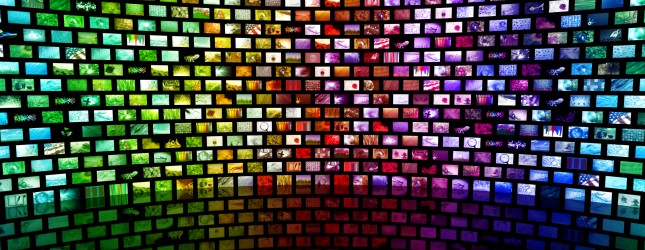
El papel del Big Data en el mundo de la televisión está causando un efecto dominó en todo el sector. Las empresas están ofreciendo más servicios basados en suscripción y registro y la recogida de grandes cantidades de datos sobre audiencias y usuarios. Sin embargo la mayor parte del potencial todavía apenas se utiliza.
Estas son algunas de las principales conclusiones de un nuevo estudio de la consultora GfK en el que explora los beneficios de los grandes datos para su difusión y esboza el futuro que tiene para la industria de la televisión. Los tomadores de decisiones clave y ejecutivos de 14 grupos de medios han sido entrevistados por la consultora para analizar el futuro.
 Niko Waesche, al frente del área de Media y Entertainment en GfK, asegura que “el potencial que ofrece el Big Data es inmenso. Hay algunas preguntas y retos clave en torno a la utilización de grandes volúmenes de datos, especialmente dentro de un modelo de consumo de televisión en rápida evolución. Nuestro último estudio analiza cómo el Big Data se está utilizando en el mundo real específicamente en nuestra industria, y donde los grandes datos serán protagonistas en los próximos años”.
La elaboración de las conclusiones ha partido de la opinión de líderes en empresas como Astro, Channel 4, Digicel, Genius Digital, GfK, Liberty Global International (LBI), Magine TV, maxdome, Orange France, OSN, Sky IQ, UFA, Verizon y Viacom.
Entre las conclusiones destaca que el tipo de datos que necesitamos hoy está cambiando. Una diversa y cada vez más exigente audiencia televisiva ha obligado a los operadores a alejarse de los datos basados en activos a análisis más potentes de comportamiento para entender y responder mejor a las necesidades de proveedores de contenido y anunciantes.
El uso del big data desbloquea nuevos conocimientos mediante la captura del quién, qué y cuándo del espectador, y lo coloca en contexto junto con los activos más tradicionales de datos como el número de suscriptores o el ARPU del operador.
Por otro lado, transformar e interpretar el Big Data añade valor a grandes cantidades de datos en función del comportamiento y los activos sólo se convierten en valor a través de la transformación inteligente e interpretación, lo que permite una mejor comprensión de la audiencia y las nuevas tendencias.
Did you like this article?
Subscribe to our NEWSLETTER and you won't miss anything.
Related articles
 El 5G transformará la producción de contenidos según ABI Research
 Elena Neira analiza en el libro ‘Streaming Wars’ el presente y futuro de los nuevos operadores
 5G Americas publica un White Paper que analiza el futuro de las nuevas redes
 ES Broadcast acude por vez primera a BIT como especialista en alquiler y venta de equipos broadcast y AV
 Chema Casaos da el salto al big data y se incorpora a Stratio como manager de Transformación Digital
 Accenture adelanta en Ámsterdam cómo será la experiencia televisiva del futuro
 IBC 2016 abre sus puertas con nube, IP, UHD y big data como protagonistas
 ¿Cómo será el futuro del playout?
 Sgo tantea el futuro de la postproducción en relación a tecnologías emergentes como HFR, HDR y VR.
 ¿Cómo se distribuirán las películas en el futuro?
 SM Data firma un acuerdo de distribución OEM con NetApp orientado a las necesidades del mercado Big Data
 Front Porch apuesta por el AXF como formato de archivo del futuro
 Jerome Berrard analiza como quedará perfilada la nueva Panasonic AVSE
 El Foro 50 +3 analiza el futuro de la televisión después del apagón