





JVC and Bradley develop robotic 4K studio camera system
The JVC 4K camera transmits a 60p 4K Ultra HD (3,840 x 2,160 pixels) signal via FO to the Bradley Base Station, which has a genlock input, simple TTL control protocol and a dual ST fiber connection for distances over 12 miles.
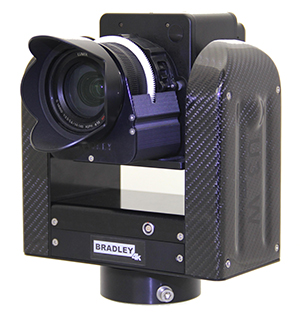 JVC has presented at this NAB 2015 a prototype of a 4K robotic camera system. Bradley Engineering for high-end broadcast applications. The new camera system has been developed through a collaboration between Bradley, JVCKenwood and Altasens, CMOS chip manufacturer of the JVC group.
The camera transmits a 60p 4K Ultra HD (3,840 x 2,160 pixels) signal via FO to the Bradley Base Station, which has a genlock input, simple TTL control protocol, and a dual fiber ST connection for distances over 12 miles. Ideal for covering live sports and stadium events, the new camera can also be used for image magnification in houses of worship (I-MAG), telepresence and other applications.
Based on Bradley's popular U3 camera head, the new robotic system has 99 presets that can be called up remotely, as well as control of pan, tilt, zoom, iris, focus, full paint and color balance, using Bradley's own RCP control panel. The camera features the same Super 35 CMOS sensor used in JVC's new GY-LS300 camera, as well as an MFT optical mount that supports B4 and PL adapters.
David Bradley, CEO of Bradley Engineering, commented: "The collaboration behind this project has been incredible, with engineers from all three companies working together as one team. The result is a true 4K remote camera with exceptional image quality and few compromises. There is no need for fiber converters, and with the native option to use MFT lenses, the cost of a functional 4K system like this is kept within reason."
“Bradley Engineering is the ideal company to advise us on key aspects of the design and implementation of an integrated solution that is excellent for 4K cinema or UHD broadcast content, or even for sports broadcasting that requires slow motion playback,” added Darren Paulson, Vice President of Business Development at Altasens. “In addition, the high programmability that the sensor allows gives it extremely fast Frame Rates in many optical formats, creating additional modes of use for scientific, military and even consumer fields.”
Access to the NAB 2015 Special in Panorama
Did you like this article?
Subscribe to our NEWSLETTER and you won't miss anything.
Related articles
 Telos Alliance and Ip-Studio develop Studio Zero, an innovative cloud studio solution
 Telefónica and Qwilt develop a new content distribution system for third parties
 Mediapro develops a robotic system to remotely operate cameras with heavy optics
 A1 Studio TV and BMS develop an interesting suspension and rail system for lighting and cycloramas
 FS-900: a fully equipped fiber optic solution for the JVC GY-HM890 studio camera
 AJA increases the possibilities of its RovoCam compact camera system
 JVC and Bradley close commercial agreement and present a robotic 4K studio camera system
 I-Movix and Polecam develop a solution that combines Ultra Slow Motion with a light crane
 JVC launches its first 4K system with a separate camera head
 Media Center implements mobile studio multi-camera system based on JVC GY-HM790 cameras
 XenData and Empress develop integrated LTO and digital asset management system
 JVC's GY-HMQ10 4K camera in a 360-degree vision system for Matchbox Twenty
 ProHD Compact Studio: JVC turns the popular GY-HM150 into a studio camera
 Newtek 3Play 425 Slow Motion Replay System