





Norway ends its analogue radio, should we follow in its wake?
Noruega es el segundo país del mundo, tras el Reino Unido, que fija formalmente una fecha para el apagado de las emisiones analógicas de radio. Pero, ¿cuál es la situación en el resto del mundo?
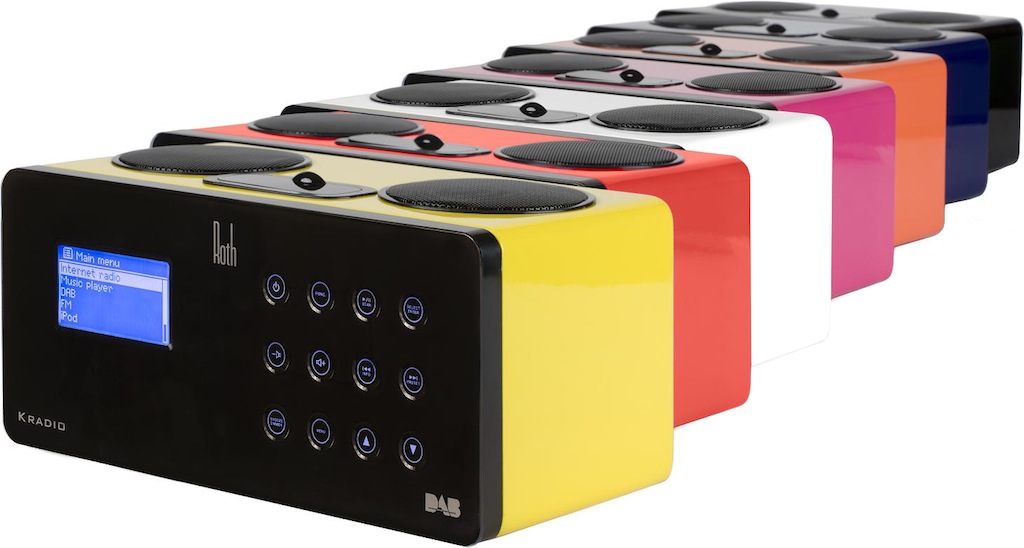
Hace unos días Noruega ponía fecha para el cese de las emisiones analógicas de la radio, en favor de las emisiones digitales. Lo anunció el ministro de cultura del gobierno noruego: el proceso de apagado comenzará el 11 de enero de 2017 y finalizará el 13 de diciembre del mismo año.
Noruega es el segundo país del mundo en fijar formalmente una fecha para el apagado de las emisiones analógicas de radio. El primero fue el Reino Unido de Gran Bretaña e Irlanda del Norte. Lo decidió el año 2010 (The Digital Economy Act), para producirse en el año 2015. a finales del mismo año se modificó la fecha de 2015 para situarla en 2017 como pronto. Con posterioridad, en diciembre de 2013 el Gobierno británico decidió que sólo se produciría la transición cuando se cumplieran una serie de objetivos:
- cuando la audiencia digital conjunta en todas las plataformas alcance el 50% de la población
- cuando la cobertura en DAB sea comparable a la cobertura de la FM
- cuando la cobertura DAB local alcance el 90% de la población y principales carreteras.
Al mismo tiempo renunciaba a la fecha de 2017 hasta que los objetivos anteriores se hubieran cumplido. En todo caso la transición sería sin perjuicio del derecho de las emisoras locales a seguir utilizando la FM de forma indefinida.
Volviendo Noruega, este país también ha sido pionero en el apagón analógico de la televisión, cosa que llevó a cabo en 2009.
En cuanto a la radio, la cosa venía de antes: la resolución la había adoptado el Parlamento noruego el año 2011, supeditando la transición a una serie de condiciones:
- La cobertura digital de todos los servicios de la radio pública NRK debe de ser igual a la analógica del primer programa de aquella
- La cobertura digital de los servicios comerciales nacionales debe de ser del 90% de la población
- La oferta de radio en digital debe suponer un valor añadido para los oyentes
Todo ello con otras dos condiciones adicionales:
- Soluciones asequibles y técnicamente satisfactorias para posibilitar la recepción en la radio de los vehículos
- Audiencia digital de al menos el 50% los oyentes diarios empleando cualquier tipo de plataforma
Noruega lista para la transición. ¿Y el resto del mundo?
Prescindiendo de los Estados Unidos de América donde se está desarrollando otro estándar de radio digital (HDRadio), en el mundo hay actualmente 21 países con servicio DAB/DMB en funcionamiento (en estos 21 países se incluyen Gibraltar, Malta, Mónaco, Bélgica, Hong Kong, Irlanda, Noruega y Suiza. No son precisamente países extensos y de grandes poblaciones. Entre los 21 países se encuentra China… Con cobertura de servicio DAB abarcando al 4% de la población. Por encima del 80% de cobertura tenemos solamente 11 países.
En cuanto al parque de receptores DAB, si no tenemos en cuenta a Corea del Sur, con un sistema como el DMB que no puede considerarse estrictamente radio, solo 9 de los 21 países disponen de datos (la fuente es del WORLD DMB Forum, y los datos de septiembre de 2014): el Reino Unido en cabeza, con 19 millones de receptores, otros cinco países por encima del millón ( Alemania 2,7, Dinamarca 1,7, Australia 1,6, Suiza 1,5, Noruega 1,2) y tres pausen mas con cifras por debajo de cien Mil: Suecia, Hong Kong y .. ¡China!.
En cuanto a DAB en vehículos, los países que aportan cifras de ventas el último año Porcentaje de vehículos vendidos equipados con receptor DAB): Noruega, 63%, Reino Unido, 61%, Suiza, 45%, Alemania, 10%, Italia 3% y Australia 5%.
Francamente, con estos datos no es razonable pensar en una rápida transición a la tecnología DAB a corto ni a medio plazo.
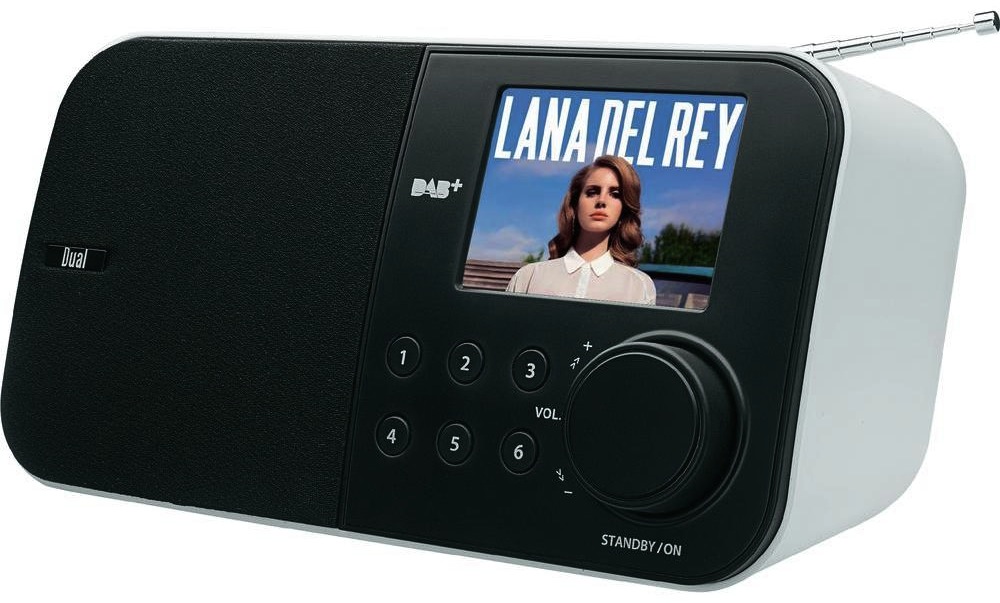
¿La decisión de Noruega cambia algo el panorama?
A mi juicio, prácticamente nada. Noruega es un país singular en cuanto a su geografía, orografía y demografía. Igualmente lo es en cuanto a la implantación de la radio, los programas en servicio y su carácter público – privado.
Estoy convencido de que, hoy por hoy, en España no podemos permitirnos el lujo de mantener, adicionalmente a las redes analógicas, una red digital de cobertura similar durante varios años.
Por otra parte, no parece que ello responda a una necesidad de la sociedad ni de los usuarios del espectro: a diferencia de la televisión, donde la digitalización va seguida de un proceso de liberación de frecuencias para su ocupación por otros servicios, no hay en absoluto ningún plan para la ocupación de la banda de FM después de su hipotética liberación. Es más, tanto en el Reino Unido como Noruega los planes para el apagado analógico contemplan la continuación en el uso de la banda de FM por las estaciones locales y de baja potencia.
En otra parte del mundo como los Estados Unidos de Norteamérica, en lugar de la batalla de la transición digital con fecha fija (allí están con el desarrollo de su HDRadio al ritmo que va imponiendo el mercado y la situación económica) la Asociacion Nacional de Radiodifusores (NAB) está poniendo el foco en otro lugar muy diferente: en pedir la habilitación del receptor de radio que ya está integrado en muchos smartphones y que han sido “ocultados” en los dispositivos que están siendo vendidos en Estados Unidos (aquí también).
Estoy totalmente de acuerdo con la estrategia de la NAB; es justamente lo que tendríamos que comenzar a hacer en España.
Isaac Moreno
Presidente Delegación AEIT en Madrid y director técnico de COPE
Did you like this article?
Subscribe to our NEWSLETTER and you won't miss anything.
Related articles
 Compression: the variable added to definition and resolution that we must not forget in the transition to UHD
 BCN Media Hub launches new studio for radio and podcast recording with the latest technology
 Switzerland to turn off analog FM at the end of 2024
 María Ripoll films 'We will not kill ourselves with guns'
 Radio Aalsmeer launches its digital studio with virtual radio solutions from Lawo
 Radio Euskadi launches two different programs within the framework of its 'Plus' initiative
 Norway begins analog radio blackout
 The Norwegian NRK launches the largest multisite MAM project with Tedial Evolution
 Radio France launches tests with binaural sound with the help of Yamaha Nuage
 The recording of 'Vida loca' begins, a Telecinco sitcom that aims to follow in the wake of '7 lives'
 Radio Television Malaysia launches one of the largest HD studios in the world
 Harris presents his new Oasis at Radio Show 2010, an analog console with digital in mind
 Eugenio Monzón: “we must ensure that the film industry contributes 5% of the Community's GDP”
 AEQ Opera: robustness and design in an analog radio console